


Advertising Vending Machines in Tulsa, OK
Transform Your Tulsa Business with High-Impact Digital Advertising Vending Machines That Drive Customer Engagement and Generate Consistent Revenue Streams Today.
Deja de adivinar. Configure Your Advertising Vending Machine.
Answer a few quick questions about your location, your product mix, your temperature needs, and your budget. Our Advertising Vending System will match you with the right base model, add the right modules (refrigeration, ad screen, outdoor protection, payment suite), and show you real time pricing and lead time as you build.
Omita las idas y venidas. Omita la abrumadora hoja de especificaciones. Vea su configuración exacta, su costo exacto y su ventana de entrega exacta antes de comprometerse.
- Precios en tiempo real a medida que añade o elimina funciones
- Estimación del tiempo de entrega en tiempo real basada en su configuración
- Combinación de productos recomendada para su tipo de ubicación
- Capacidad, número de ranuras y límites de peso mostrados por configuración
- Opciones preestablecidas para alimentos, bebidas, electrónica, comercio minorista y congelados
Why Advertising Vending Machines?
An
advertising vending machine
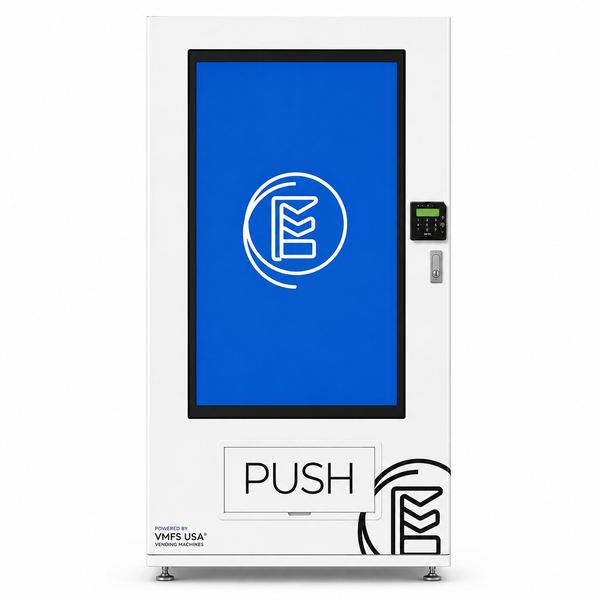
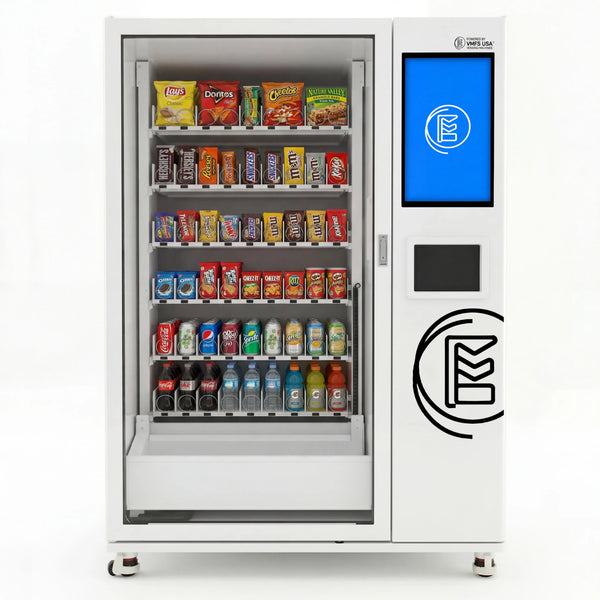
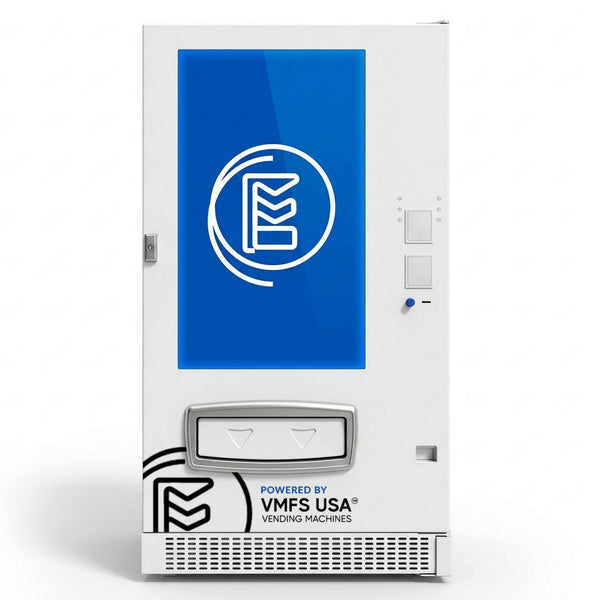
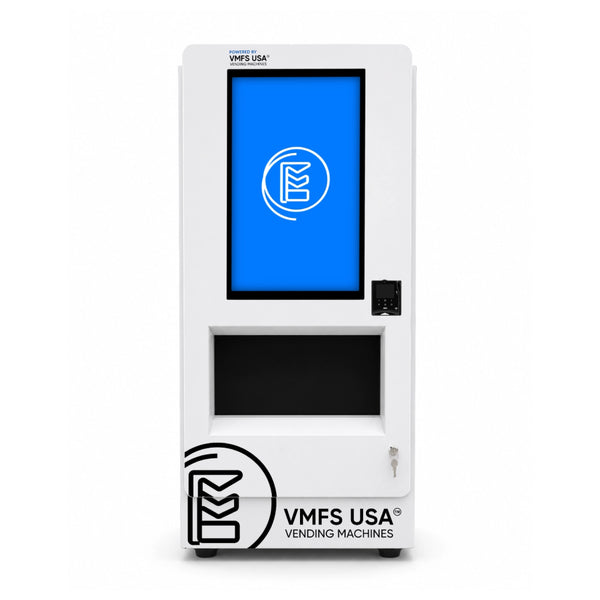
in Tulsa offers versatile retail solutions that vend snacks, drinks, vapes, CBD, electronics, apparel, branded merchandise, and specialty products from a single configurable cabinet. These digital vending machines feature large interactive touchscreens that serve as both intuitive customer interfaces and powerful digital advertising displays, maximizing revenue through dual-function technology. With capacities ranging from 150 to 800 items across up to 60 adjustable slots, touchscreen vending machines accommodate diverse product portfolios. Premium models include drop-down or elevator delivery systems, while configurable temperature zones support ambient or refrigerated products. Advanced features like double-layer toughened glass with optional defogging ensure product protection and visibility. The VMFS Cloud dashboard provides real-time sales tracking and inventory management, giving operators complete control over their advertising vending machine fleet and performance metrics.
Large Interactive Touchscreen
Display sizes from 22-inch up to 50-inch HD touchscreens turn every machine into a digital billboard with high-resolution product visuals, video advertising, and remote content management
Dual Revenue Stream
Earn from product sales while also monetizing idle screen time through third-party advertising, brand promotions, and internal campaigns displayed between transactions
Versatile Product Compatibility
Configure for snacks, drinks, vapes, CBD, apparel, electronics, and specialty items with adjustable coil spacing, multiple tray depths, and elevator delivery options for fragile or high-value goods
High-Capacity Format
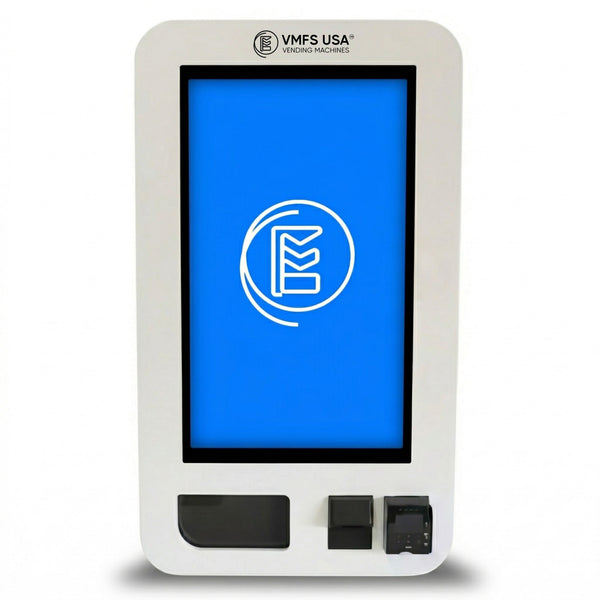
From 150 items in compact wall-mounted models up to 800 items in full-size cabinets, with 15 to 60 adjustable slots supporting wide product mix and reduced restocking frequency
VMFS Cloud Remote Management
Real-time sales data, inventory tracking, fault alerts, and remote ad content updates stream from any device, with U.S.-based support and software updates included
Why Advertising Machines Perform in Tulsa, Oklahoma
Tulsa's thriving corporate office sector and energy industry headquarters create ideal environments for
advertising vending machines
, which combine 24/7 unmanned retail with integrated digital advertising on interactive touchscreens. Major breakrooms across downtown office towers and business parks generate consistent foot traffic from employees seeking convenient snacks and beverages, while the machines' 300–800 product capacity handles high-volume venues without restocking strain. Digital ad screens targeting office workers deliver premium brand exposure during peak break times, generating $200–$600 monthly net profit per machine through product sales and advertising revenue combined. Real-time inventory monitoring eliminates costly manual checks, and the passive income model suits Tulsa's busy professional demographic perfectly. Securing optimal high-traffic locations across corporate campuses is streamlined through
professional placement services
, ensuring your machines reach venues where engaged audiences maximize both sales and advertising ROI.
Best Locations in Tulsa
High-value deployment sites where advertising vending delivers the strongest revenue per square foot.
Advertising Vending Machines Available for Tulsa
Every unit below ships configured, compliance-ready, and backed by VMFS Cloud monitoring.


How Operators Use Advertising Vending in Tulsa
Corporate Office Breakroom
Tulsa's energy sector concentrations in the Midtown corridor and along 71st Street host major employers like Williams Companies, Oneok, and countless smaller exploration and services firms with salaried workforces. These breakrooms stock premium snacks, bottled beverages, branded apparel, and specialty packaged items that appeal to professionals during work hours. An advertising vending machine in this setting delivers consistent cold storage for drinks, maintains 300 to 500 product capacity across adjustable slots to handle midday rushes without constant restocking, and uses elevator delivery for delicate items and high-value electronics. The category generates 200 to 400 net profit per machine monthly after restocking costs of 200 to 400 dollars, making it viable for property management looking to enhance tenant and employee amenities while capturing a revenue stream.
Fitness and Wellness Studio
CrossFit boxes, yoga studios, and personal training facilities throughout central Tulsa including areas around Cherry Street and the Philbrook District serve active members seeking post-workout nutrition and branded merchandise. These machines stock energy drinks, recovery beverages, protein snacks, branded apparel including t-shirts and caps, and CBD products where age verification is enabled. The advertising vending machine maintains a precise climate for temperature-sensitive drinks, holds 250 to 400 products across reconfigurable slots to satisfy high-traffic periods, and deploys coil delivery for snacks and apparel with elevator options for premium or fragile goods. Revenue reaches 250 to 450 net profit per month as member impulse purchases spike when browsing the interactive touchscreen during rest periods.
Airport Terminal
Tulsa International Airport serves regional business travelers and leisure passengers throughout the week with consistent foot traffic in passenger holding areas and near gates. Stock includes premium packaged snacks, specialty drinks, electronics chargers and headphones, branded Tulsa apparel and souvenirs, and packaged convenience items suited to travelers. An advertising vending machine operates 24/7 with reliable refrigeration for beverages, holds 400 to 600 items across adjustable configurations to manage peak boarding times, and features elevator delivery for protecting electronics and premium merchandise from damage. Airport terminals generate 300 to 500 net profit monthly because passenger volume ensures sustained sales and digital ad inventory sells to regional brands seeking high-visibility exposure.
Movie Theater and Entertainment Venue
Cineplex locations, live music venues, and performance theaters clustered around downtown and the Greenwood District draw consistent crowds during evening and weekend events with high impulse-purchase behavior. These machines stock candy, chips, premium snacks, sodas, energy drinks, branded t-shirts and merchandise, and specialty packaged products that complement entertainment consumption. The advertising vending machine delivers dependable refrigeration for cold beverages, manages 350 to 550 product capacity to handle preshow and intermission rushes without exhausting inventory, and uses standard coil and optional elevator delivery for safe product dispensing. Entertainment venues average 250 to 400 net profit per month because concentrated foot traffic during shows and events drives repeat transactions and captive audiences engage with promotional displays during idle time.
What Ships With Every Advertising Unit
Regulations for Operating in Tulsa, OK
Licensing, permits, sales tax, and health department standards for advertising vending operators in Oklahoma.
State License Requirements
Oklahoma vending machine operations are regulated primarily by the Oklahoma Department of Health and Human Services (DHHS) for food service operations and the Oklahoma Tax Commission for sales tax compliance. Operators stocking snacks or drinks must obtain a Food Service License from DHHS if the machines dispense potentially hazardous foods or beverages requiring temperature control; ambient snack-only machines may have reduced licensing requirements. Vape and CBD product sales are subject to Oklahoma Alcohol and Tobacco Tax and Trade Bureau (ATTTB) compliance and age verification requirements; operators must verify customer age electronically or through device restrictions and maintain records of compliance. All vending machine operators must register with the Oklahoma Tax Commission for sales tax purposes and obtain an EIN from the IRS if operating as a business entity other than a sole proprietorship. Operators should register as a sole proprietor, LLC, or corporation depending on business structure and liability preferences. Packaged food labels displayed through touchscreen or physical product interfaces must comply with FDA labeling standards and include ingredient disclosures, allergen warnings, and nutritional information where required. Digital advertising content displayed on integrated touchscreens must comply with Oklahoma consumer protection statutes and cannot include false or misleading claims. Permit renewal for food service licenses typically occurs annually. Digital signage displaying third-party advertising on vending machine touchscreens may require separate digital out-of-home advertising compliance review under Oklahoma tax code, particularly if advertising revenue is generated; operators should consult the Oklahoma Tax Commission regarding nexus and reporting obligations for advertising income.
City and County Permits
Tulsa, Oklahoma requires operators to obtain a City of Tulsa Business License before deploying vending machines; applications are filed with the Tulsa Revenue Office. Operators must verify zoning compliance with the City of Tulsa Planning and Zoning Department to ensure the intended placement location allows vending machine operations; restrictions vary by district (commercial, retail, institutional, residential). A Certificate of Use or Certificate of Occupancy may be required depending on placement venue and local zoning classification; contact the Tulsa Building and Development Department for clarification. Fire safety inspections are conducted by the Tulsa Fire Department and may apply to machines in certain venues such as schools, healthcare facilities, or government buildings; operators should request a fire safety inspection prior to deployment in such locations. Coin-operated machine declarations or similar filings may be required by Tulsa if the machine accepts currency; verify current requirements with the Tulsa Revenue Office. Tulsa County does not impose separate county-level vending permits beyond city requirements, though operators placing machines in unincorporated areas or neighboring municipalities such as Broken Arrow or Owasso must comply with those jurisdictions' individual business license and zoning requirements. Permit renewal timelines vary; the City Business License typically renews annually. Late renewal penalties vary by permit type; contact the Tulsa Revenue Office at (918) 596-5000 for specific penalty schedules. The Tulsa Building and Development Department can be reached at (918) 595-8600 for zoning and fire safety questions.
Sales Tax Rate
The combined sales tax rate in Tulsa, Oklahoma is 8.92 percent, consisting of the Oklahoma state sales tax rate of 4.5 percent plus Tulsa County surtax of 1.5 percent and City of Tulsa surtax of 2.92 percent. Most vended beverages including sodas, juices, and energy drinks are taxable at the full combined rate. Water and milk-based beverages may qualify for reduced or exempt status depending on product classification; operators should verify specific beverage categories with the Oklahoma Tax Commission. Vended snacks and candy are taxable at the full combined rate. Vape and CBD products are subject to Oklahoma-specific excise taxes in addition to sales tax; operators must remit both taxes and maintain separate accounting. Digital advertising revenue generated from third-party ads displayed on vending machine touchscreens may be subject to Oklahoma business income tax or separate sales tax treatment depending on contract structure; operators should consult with the Oklahoma Tax Commission or a tax professional regarding proper classification and reporting. All operators must register with the Oklahoma Tax Commission prior to commencing sales. Remittance of sales tax is due monthly; returns are filed electronically through the Oklahoma Tax Commission online portal. The economic nexus threshold for out-of-state sellers in Oklahoma is 200 dollars or more in sales in the previous calendar year, at which point out-of-state sellers must register and remit Oklahoma sales tax.
Health Department Standards
The Oklahoma Department of Health and Human Services (DHHS), Environmental Health Services Division, establishes health and safety standards for vending machines dispensing food and beverages in Oklahoma. Operators must comply with the Oklahoma Food Code, which requires that refrigerated vending machines maintain internal temperatures at or below 41 degrees Fahrenheit for potentially hazardous foods and beverages, with thermometer monitoring and recording required. Equipment surfaces, dispensing mechanisms, and internal shelving must be food-grade stainless steel or NSF-certified materials; all contact surfaces must be cleanable and non-absorbent. Sanitation standards require daily exterior cleaning and weekly internal sanitization with food-safe sanitizers; no cross-contamination between product categories is permitted. Automatic shut-off features are recommended for refrigerated units to prevent temperature abuse during extended idle periods. Machines must be placed in compliant venues with adequate electrical service, proper drainage access, and environmental controls; placement in schools, healthcare facilities, and government buildings requires secondary approval from local health officials and facility administrators. Operational requirements include date-marking and rotation of all perishable products using the First-In-First-Out (FIFO) method; expiration dates must be visible and monitored. Product labels, nutritional information, and allergen warnings must remain legible and visible through touchscreen display interfaces and on physical packaging. Unannounced health inspections may occur at any time; operators must maintain compliance records and corrective action documentation. The Tulsa Health Department provides secondary local oversight for machines placed within Tulsa city limits, particularly in schools, healthcare settings, and government buildings; operators should contact the Tulsa Health Department at (918) 595-4200 for venue-specific requirements. Tulsa's climate includes hot, humid summers with temperatures occasionally exceeding 95 degrees Fahrenheit, which may affect ambient temperature controls and refrigeration efficiency; operators should ensure machines have adequate ventilation and consider enhanced cooling specifications for summer deployment. VMFS soda and advertising vending machines deployed in Tulsa ship with the appropriate specification standard, including configurable temperature zones for ambient or refrigerated products and a 1-year standard warranty with extended coverage options.
Disclaimer
Regulatory information is for reference only and current as of 2026. Operators should verify current requirements with the relevant agency before deployment. VMFS USA is not a legal or tax advisor. For operator-side legal guidance covering placement contracts, host venue agreements, documentation, business incorporation, tax registration, licenses, and permits, operators can consult <a href="https://vadviced.com">VAdviced</a>. For professional placement and location matching support, operators can work with <a href="https://vplaced.com">VPlaced</a>.
Tulsa at a Glance
Geographic Identity
- County
- Tulsa County
- Metro Area
- Tulsa, Oklahoma
- Time Zone
- America/Chicago (Central Time)
- Area Codes
- 918, 539
- ZIP Codes
- 74103 to 74137
- Primary Airport
- TUL Tulsa International Airport
- Secondary Airport
- None
- Major Port
- Port of Catoosa, inland port on the Arkansas River
- Nickname
- The Oil Capital of the World
Market Stats
- City Population
- 413,066
- Metro Population
- 1.05 million
- Annual Visitors
- None
- Visitor Economy
- None
- Airport Passengers
- 4.3 million annual travelers through TUL
- Hospitality Jobs
- None
- Top Industries
- Energy and Oil and Gas, Aerospace and Defense, Healthcare, Manufacturing, Financial Services, Technology
- Demand Driver
- Tulsa serves as a regional hub for energy sector headquarters and operations, corporate employment centers, and healthcare facilities that drive local consumer spending and business travel.
Climate Profile
- Climate Zone
- Humid Subtropical
- Average Humidity
- 45 to 65 percent year round
- Summer High
- 93 degrees Fahrenheit with heat index values reaching 105 degrees Fahrenheit from June through August
- Winter Low
- regularly drops below 32 degrees Fahrenheit, indoor placement recommended for sensitive electronics during winter months
- Seasonal Hazard
- Tornado Season, March to June
- Environmental Exposure
- Spring severe weather including hail and high winds affects exposed placements, requiring impact resistant glazing and reinforced cabinet construction.
- Deployment Note
- Tulsa outdoor vending units require weatherproofed enclosures, sealed electronics protection for temperature extremes, reinforced structural integrity for wind and hail events, and enhanced refrigeration cycles for summer heat peaks. VMFS ships all Tulsa outdoor units with these specifications as standard.
Location & Service Area
- Key Neighborhoods
- Downtown Tulsa, Midtown, Brady Arts, Riverside, Cherry Street, Utica Square, Brookside, Bixby, Sand Springs, Broken Arrow
- Nearby Cities
- Broken Arrow, Bixby, Sand Springs, Owasso, Sapulpa, Jenks, Catoosa, Skiatook
- Service Radius
- VMFS delivers, installs, and services machines throughout Tulsa County and Rogers County, with extended coverage to Wagoner County and Creek County on request.
Your Location. Working 24/7.
Answers to common questions from Tulsa operators. Didn't see yours? Send us a message — our US-based team responds within one business day.
How much net profit can a property owner expect monthly from hosting an advertising vending machine in Tulsa, OK?
What product categories work best in advertising vending machines placed across Tulsa venues?
How often does restocking occur, and what space and power requirements do machines need?
What warranty and maintenance support protects operators if a machine fails during peak business season?
Do advertising vending machines in Tulsa accept mobile payments, and how does that affect cash handling?
What legal documentation or placement agreements should operators secure before installing machines?
Deploy Advertising Advertising Vending Machines in Tulsa, OK Today
Request a custom quote today for
advertising vending machines
at your Tulsa location, and we handle machine selection, delivery, configuration, and ongoing support from start to finish. Every deployment begins with a site assessment covering foot traffic patterns, product mix balance across snacks, drinks, branded merchandise, and specialty items, screen specification and power requirements, and network requirements for the cloud platform, with placement strategy available through our
placement experts
for operators seeking professional location matching and high-visibility positioning to maximize advertising exposure on the touchscreen. Whether you need a single unit in a downtown office breakroom or a rollout of 30 or more machines across a hospital system, hotel chain, or university campus throughout Tulsa, the quote includes hardware, installation, training, and 12 months of cloud monitoring at no extra cost.
Deploy Advertising Vending Across Tulsa
1,200+ machines deployed. 1-year warranty standard. Free lifetime support. One team from site survey to uptime.