



Design the perfect vending solution for your location and customers.

Sales, inventory and alerts for your whole route, from one machine to a fleet.
Answer a few questions about your location, products and budget and get a shortlist.
Estimate revenue, payback period and margin before you buy.
Sales, setup help, warranty and parts from the VMFS USA team.
Join the VMFS newsletter and step into a thriving network dedicated to collective success.
One signup. Endless possibilities.
Productos de alto margen. Sin fechas de caducidad. Sin personal. Una base de clientes que compra por impulso exactamente en el tipo de establecimientos donde estas máquinas deben estar. Así es como se ve la venta de vapeadores cuando se hace correctamente, y la mayoría de los mercados todavía tienen la mayoría de sus locales elegibles sin servicio.
La mayoría de los operadores de máquinas expendedoras pasan su tiempo persiguiendo centavos. Una bolsa de patatas fritas de 2 dólares cuesta 0,80 dólares al por mayor. Ganas 1,20 dólares. Necesitas que esa transacción se realice docenas de veces al día solo para cubrir la máquina, la ruta y tu tiempo. Las cuentas son ajustadas y el producto se echa a perder.
La venta de vapeadores es una categoría completamente diferente. Un vapeador desechable que se vende por 18 dólares cuesta entre 6 y 9 dólares al por mayor de un distribuidor autorizado. Eso representa un margen bruto de entre 9 y 12 dólares por una sola venta. Una lata de bolsitas de nicotina que cuesta 8 dólares sale por menos de 3 dólares. Los productos no caducan en dos semanas. Realizas el mantenimiento de la máquina cada dos o tres semanas, extraes los datos de ventas de tu teléfono y la máquina sigue funcionando mientras tanto.
Diez ventas de vapeadores desechables al día con un promedio de 16 dólares suponen 160 dólares de ingresos brutos diarios. Después del coste del producto y una comisión del 15% por ubicación, esa máquina rinde netos aproximadamente entre 55 y 65 dólares al día. Una máquina. Una buena ubicación en un bar. Eso significa entre 1.600 y 2.000 dólares netos al mes. Tres máquinas en la misma ciudad y estarás en 5.000 dólares al mes gestionando una ruta de reabastecimiento que te lleva un día cada dos semanas.
Cuando un cliente en un bar a las 11 de la noche quiere un vapeador, no está comparando precios. Su alternativa es salir del local. Nadie hace eso. Los operadores fijan consistentemente precios entre un 10% y un 15% por encima de los precios de las tiendas de tabaco locales sin ningún tipo de resistencia, porque la máquina es la única opción en la sala.
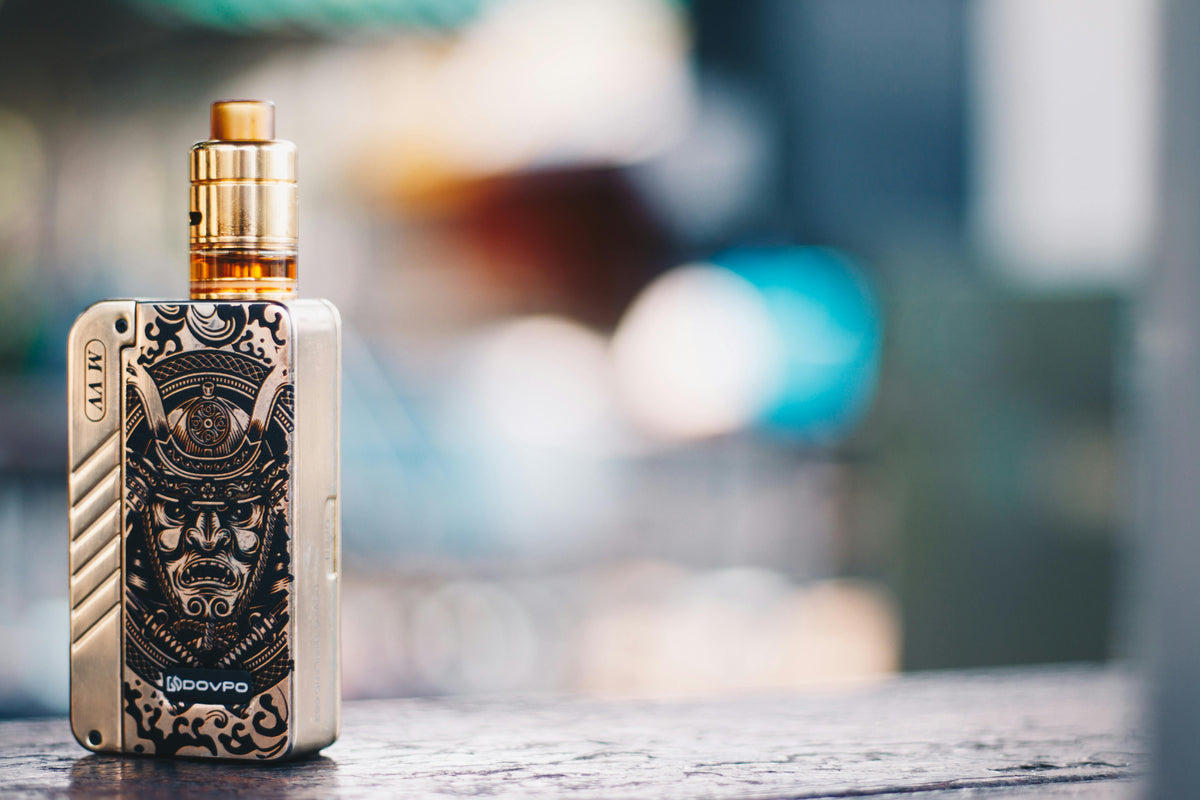
Una máquina expendedora de vapeadores es una unidad de venta automatizada segura que vende productos de vapor, cigarrillos electrónicos y productos de nicotina sin la intervención de un empleado en la transacción. El cliente selecciona un producto en la pantalla táctil, escanea su identificación, paga con tarjeta o mediante toque, y la máquina dispensa el producto. Todo el proceso dura menos de 30 segundos. No hay manejo de efectivo. Ningún empleado está atado a la máquina. La máquina funciona las 24 horas y genera ingresos en cada transacción.
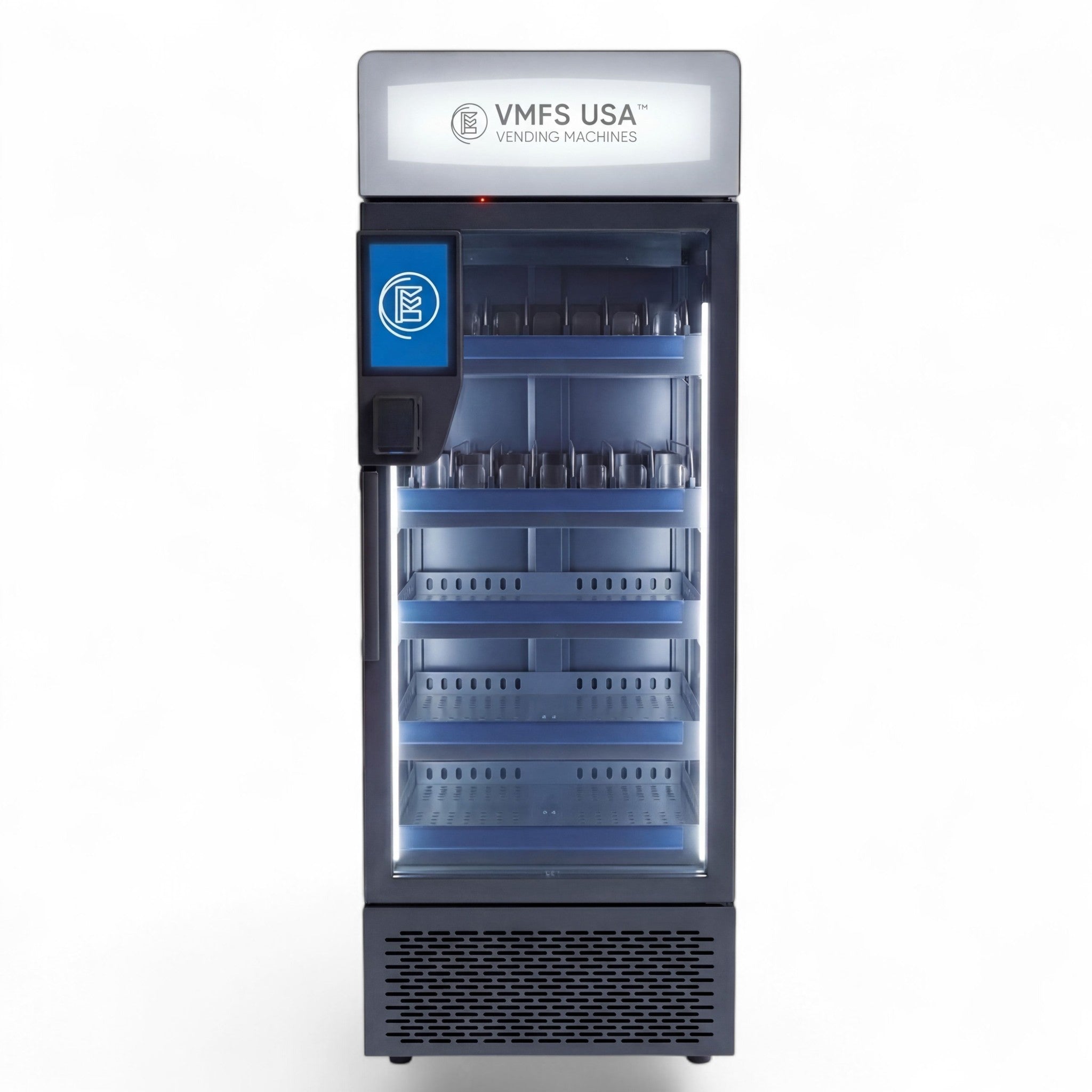
Las máquinas se presentan en tres configuraciones principales. Una unidad montada en la pared con una gran pantalla táctil publicitaria se adapta a bares y discotecas donde el espacio es limitado. Un armario más grande de pie con ranuras ajustables se adapta a locales de alto volumen como casinos y grandes discotecas. Una unidad compacta de sobremesa se adapta a salones de puros, tiendas de tabaco y locales donde un armario completo no es práctico. Cada unidad se envía con hardware de pago sin efectivo, un escáner de identificación incorporado y conectividad a la plataforma de telemetría y venta en la nube para que puedas controlar el inventario y las ventas desde tu teléfono sin estar en la sala.
Cada transacción de vapeo requiere legalmente una verificación de edad. La tecnología lo maneja automáticamente y no crea fricción que mate las ventas.
El método estándar en las máquinas expendedoras con verificación de edad es un escáner de identificación integrado directamente en la unidad. El cliente escanea el código de barras en la parte posterior de su licencia de conducir o identificación estatal emitida por el gobierno. El sistema lee la fecha de nacimiento, confirma que el cliente tiene 21 años o más y desbloquea la máquina para el pago. De tres a cinco segundos. Los clientes que lo han hecho una vez apenas lo notan en visitas repetidas.
Para los operadores que desean una capa de seguridad más fuerte, también está disponible un método de código QR y Face ID. El cliente escanea un código en la pantalla con su teléfono, sube su identificación y un selfie, y el reconocimiento facial confirma su identidad antes de que la máquina se desbloquee. Esto tiene sentido en estados con requisitos de cumplimiento más estrictos o en lugares donde el paso adicional vale la pena por la pequeña fricción añadida. La página de métodos de verificación de edad cubre cuándo se aplica cada opción.
Una nota honesta: un escáner de código de barras confirma la fecha de nacimiento codificada en la tarjeta. No confirma que la tarjeta pertenezca a la persona que la presenta. Por eso, la colocación en locales genuinamente solo para adultos funciona junto con la tecnología, no en lugar de ella. En un bar con una estricta política de acceso a mayores de 21 años, el escáner es una segunda capa sólida y esa combinación satisface la mayoría de los requisitos estatales.
No puedes poner una máquina expendedora de vapeadores en cualquier lugar con tránsito de personas. Debe ir en un local que restrinja el acceso a personas mayores de 21 años, no solo en ciertos momentos, sino en todo momento. Bares y discotecas con políticas estrictas de acceso a mayores de 21 años, casinos, salones de puros, bares de hookah, tiendas de vapeadores, estancos. Estos locales existen en todos los mercados. La mayoría de ellos aún no tienen una máquina.
| Tipo de local | ¿Califica? | Notas |
|---|---|---|
| Bar o discoteca (sin menores en ningún momento) | Sí | Ubicación más común. La política de acceso a mayores de 21 años debe aplicarse en todo momento. |
| Casino o sala de juegos | Sí | Ya controlado por mayores de 21 años, alto tráfico, largas horas. |
| Salón de puros o bar de shisha | Sí | Fuerte coincidencia demográfica, los clientes ya están en un ambiente de nicotina. |
| Tienda de vapeadores o estanco | Sí | Añade ventas automatizadas nocturnas o fuera de horario además de las ventas al por menor. |
| Tienda de licores (solo mayores de 21 años) | Sí, varía según el estado | Texas lo permite explícitamente bajo la sección 161.086 del Código de Salud y Seguridad. |
| Bar que admite menores en cualquier momento | No | Solo para adultos significa sin menores en ningún momento, no solo por las noches. |
| Vestíbulo de hotel, restaurante, gimnasio, oficina | No | Ninguno califica como entorno solo para adultos bajo ningún marco estatal. |
Donde coloques la máquina dentro del local importa tanto como el local que elijas. Una máquina en un pasillo trasero de una discoteca abarrotada rinde menos que una máquina montada en la pared junto a la barra principal de un salón más tranquilo. Ponla donde la gente se detiene y espera. Ahí es donde se produce la compra por impulso.
El cumplimiento en la venta de vapeadores es real. También es completamente manejable una vez que entiendes la estructura. Y aquí hay algo que vale la pena decir en voz alta: la capa de cumplimiento es lo que evita que esta categoría se sature. La mayoría de los mercados todavía están abiertos de par en par porque los operadores que no son serios no se molestan en aprenderlo. Esa es tu ventaja.
La ley federal Tobacco 21 establece la edad mínima de compra a nivel nacional en 21 años para todos los productos de tabaco y vapor. La FDA exige la verificación de edad antes de cada transacción y restringe la ubicación de las máquinas a locales solo para adultos. Cada estado opera sobre esta base y la mayoría añade algo.
Algunos estados exigen que la máquina esté siempre a la vista directa de un empleado supervisor. Ohio es un ejemplo común. Eso descarta cualquier ubicación en pasillos o esquinas, independientemente del tipo de local. Algunos estados clasifican los productos de vapor igual que el tabaco combustible y aplican las regulaciones completas de venta de tabaco, lo que significa una ubicación más estricta y una licencia adicional. Indiana entra en esta categoría.
Los impuestos especiales son la mayor variable en la economía. A partir de 2026, más de 32 estados imponen impuestos especiales sobre los productos de vapor. La tasa mayorista de Minnesota es del 95%. La de Vermont es del 92%. En esos mercados, el margen por unidad se reduce porque el impuesto está incluido en el coste mayorista. En los estados sin impuesto especial sobre el vapor o con una tasa baja por mililitro, los márgenes se mantienen fuertes. Conoce la tasa de tu estado antes de hacer los cálculos.
Como mínimo: una licencia estatal de venta al por menor de productos de vapor o cigarrillos electrónicos, un certificado de impuesto sobre las ventas y una licencia comercial general para cada municipio donde opere. Florida exige un permiso de distribuidor de nicotina por ubicación. Texas exige un permiso de minorista de cigarrillos electrónicos de la Contraloría vinculado a las instalaciones físicas. California exige una licencia de minorista estatal más la verificación de cumplimiento local. Su estado puede exigir más. Verifique antes de su primera venta.
| Ubicación | Transacciones diarias | Promedio de ticket | Ingresos brutos mensuales | Beneficio neto mensual* |
|---|---|---|---|---|
| Bar sólido para mayores de 21 años, ciudad mediana | 8 a 15 | $14 a $18 | $1,200 a $2,250 | $500 a $1,000 |
| Discoteca de alto volumen | 20 a 40, fuerte viernes/sábado | $16 a $22 | $2,500 a $4,500 | $1,000 a $2,000 |
| Casino o sala de juegos | 15 a 35 | $14 a $20 | $2,000 a $4,200 | $800 a $1,800 |
| Salón de puros o bar de shisha | 6 a 12 | $12 a $18 | $900 a $1,600 | $350 a $700 |
| Tienda de vapeadores o estanco | 5 a 15 | $10 a $16 | $700 a $1,500 | $300 a $650 |
*Beneficio neto estimado después del coste del producto (45 a 55% de los ingresos) y la comisión de ubicación (10 a 20% del bruto). No se incluyen los impuestos especiales estatales, que varían significativamente.
| Artículo | Rango | Notas |
|---|---|---|
| Compra de la máquina | $2,400 a $8,000+ | Depende del modelo y la capacidad |
| Inventario inicial | $500 a $1,500 | Varía según la capacidad de la máquina y la mezcla de productos |
| Permisos y licencias, primer año | $200 a $800+ | Varía significativamente según el estado |
| Tarifa de plataforma en la nube | $30 a $100 por mes | Monitoreo remoto de inventario, datos de ventas, alertas |
| Comisión de ubicación | 10% a 20% del bruto | Negociada por local. Algunas ubicaciones no cobran nada |
| Tiempo típico de amortización | 4 a 10 meses | Las ubicaciones de vida nocturna sólidas se amortizan más rápido |
Si el coste de la máquina es el punto conflictivo, la financiación de su máquina expendedora de vapeadores reparte ese coste en pagos mensuales mientras la máquina genera ingresos desde el primer día. La unidad se paga sola mientras usted todavía la está pagando.
Los vapeadores desechables son el núcleo del negocio. Marcas como Geek Bar, Lost Mary, Breeze y Raz se mueven constantemente en ambientes nocturnos. El precio de venta al público por unidad oscila entre 15 y 22 dólares. El precio al por mayor de distribuidores autorizados es de 6 a 10 dólares. No caducan. Se mantienen en el estante durante semanas sin que usted tenga que hacer nada.
ZYN y otras bolsas de nicotina son la segunda categoría en crecimiento. Atractivas para los clientes que desean nicotina sin vapor, una parte significativa del público de bares y salones. Las bolsas se venden al por menor entre 6 y 10 dólares por lata, tienen fuertes márgenes y ocupan un espacio mínimo en el dispensador. Apílelas en las ranuras abiertas después de cubrir sus principales SKU de desechables.
Obtenga todo de distribuidores autorizados con la documentación adecuada. Algunos estados tienen prohibiciones de sabores. California prohíbe los productos de vapor con sabor sin la autorización de la FDA. Nueva York tiene restricciones similares. Sepa lo que puede almacenar legalmente en su estado específico antes de llenar la máquina.
No le estás pidiendo a un dueño de bar que se arriesgue con algo no probado. Estás resolviendo un problema que ya tienen.
El problema es la fuga. Cuando un cliente quiere un vapeador y no puede conseguirlo sin salir del bar, se va. Se lleva a quienquiera que estuviera con él. Ese grupo deja de comprar bebidas. El bar pierde ingresos por bebidas en esa interacción, no porque algo saliera mal, sino porque el local no tenía lo que el cliente necesitaba. Una máquina expendedora de vapeadores mantiene a ese cliente en la sala. Lidere con ese planteamiento, no con la división de ingresos. Muchas ubicaciones se cierran en esa conversación antes de que se discuta la comisión.
Visita los lugares que cumplan los requisitos en tu zona. Si no ves una máquina, es un espacio disponible. La mayoría de las ciudades medianas todavía tienen la mayoría de los lugares que cumplen los requisitos sin cubrir. Acude con la máquina lista o con un plazo específico y una imagen clara de cómo quedará en el espacio. Un equipo real cierra más tratos que un PDF.
Estructure el acuerdo de forma sencilla: el operador posee y mantiene la máquina, suministra el producto y paga al local entre el 10% y el 20% de los ingresos brutos. Consigne por escrito el plazo, la tasa de comisión, el calendario de servicio y la cláusula de rescisión antes de instalar la máquina. Una sola página lo cubre.
Si quieres que la máquina parezca que pertenece a un local específico, las máquinas expendedoras personalizadas con vinilos específicos del local cierran las colocaciones más rápido y reducen el vandalismo. Una máquina que parece que pertenece se trata como si perteneciera.
Una máquina que contiene 200 desechables y vende 10 al día tiene 20 días de inventario antes de necesitar reabastecimiento. La visitas cada dos o tres semanas, rellenas los productos más vendidos y te marchas. La ruta es eficiente por diseño.
Entre visitas, la plataforma de telemetría de venta remota le muestra en tiempo real los niveles de inventario, las ventas por SKU y el estado de la máquina desde cualquier lugar. Las alertas de bajo stock se activan antes de que se vacíe una ranura. Con cinco máquinas, la revisión diaria tarda 15 minutos. Con 20 máquinas, tarda 30. Ese es el modelo que hace que escalar la ruta sin escalar su tiempo realmente funcione.
Verifique que el escáner de identificación funcione en cada visita de reabastecimiento. Un escáner que no funciona y que permite que una transacción se complete sin verificación de edad es un evento de incumplimiento, independientemente de la intención. Mantenga los permisos exhibidos donde se requiera. Los registros de transacciones se almacenan automáticamente en la plataforma.
Compartir:
Máquina expendedora con IA vs. máquina expendedora tradicional: ¿Vale la pena la actualización?
La mejor máquina expendedora de lavandería para una lavandería automática en 2026