




Diseñe la solución de vending perfecta para su ubicación y clientes.

Únete al boletín de VMFS y forma parte de una red próspera dedicada al éxito colectivo.
Un registro. Posibilidades infinitas.
Las máquinas expendedoras de ropa ya no son una novedad. Marcas, operadores de eventos, recintos deportivos y minoristas las están implementando como canales serios de ingresos, y el mercado global de venta minorista automatizada, valorado en 24.500 millones de dólares en 2025, está creciendo a una CAGR del 9,7% hasta 2033, en parte debido a la expansión de categorías no alimentarias.
La pregunta que la mayoría de los compradores se hacen no es si funciona. Es cómo configurar una máquina expendedora personalizada específicamente para ropa y mercancía, porque la ropa no es una categoría de venta estándar. Requiere cambios internos específicos, formatos de empaque específicos y decisiones de marca específicas que una máquina de bocadillos o bebidas no requiere.
Esta guía cubre todas las personalizaciones necesarias: mecánica interna, sistemas de entrega con elevador, empaque del producto, configuración de estantes, interfaz de usuario de pantalla, marca, y las ubicaciones y modelos de negocio donde la venta de ropa genera los mayores retornos.
Una máquina expendedora estándar utiliza un mecanismo de bobina, una espiral giratoria que empuja un producto hacia adelante hasta que cae en el compartimento de recogida. Esto funciona de manera fiable para artículos rígidos y de tamaño uniforme, como latas de bebidas y bolsas de patatas fritas.
La ropa falla con este mecanismo de tres maneras:
Es por eso que cada máquina expendedora personalizada genuina construida para ropa requiere un sistema de entrega interno fundamentalmente diferente, y por qué enviar muestras de productos a su fabricante antes de que comience cualquier trabajo de configuración es un primer paso no negociable.
Esta es la sección que la mayoría de las guías omiten. La configuración interna es donde ocurre la personalización real, y equivocarse produce una máquina que se atasca, vende mal y frustra a los clientes exactamente en el lugar donde necesita causar una fuerte impresión de marca.
El sistema de entrega con elevador reemplaza el mecanismo de bobina de "soltar y caer" por un elevador de precisión controlada que recupera el artículo seleccionado de su posición en el estante y lo baja suavemente hasta la puerta de recogida del cliente. No hay caída. No hay impacto. No hay posibilidad de dañar el embalaje o degradar la presentación.
Específicamente para prendas de vestir, el sistema de elevador proporciona tres ventajas operativas:
Las máquinas con sistemas de entrega con elevador logran tasas de precisión de pedidos del 95% o más, en comparación con los mecanismos de bobina que pueden experimentar hasta un 5% de tasa de fallo en productos con formas no estándar. Para una máquina que realiza 30 transacciones por día, esa diferencia es de 1,5 ventas fallidas diarias, lo que se traduce en 45 experiencias negativas para el cliente por mes en el punto donde se intenta construir la lealtad a la marca.
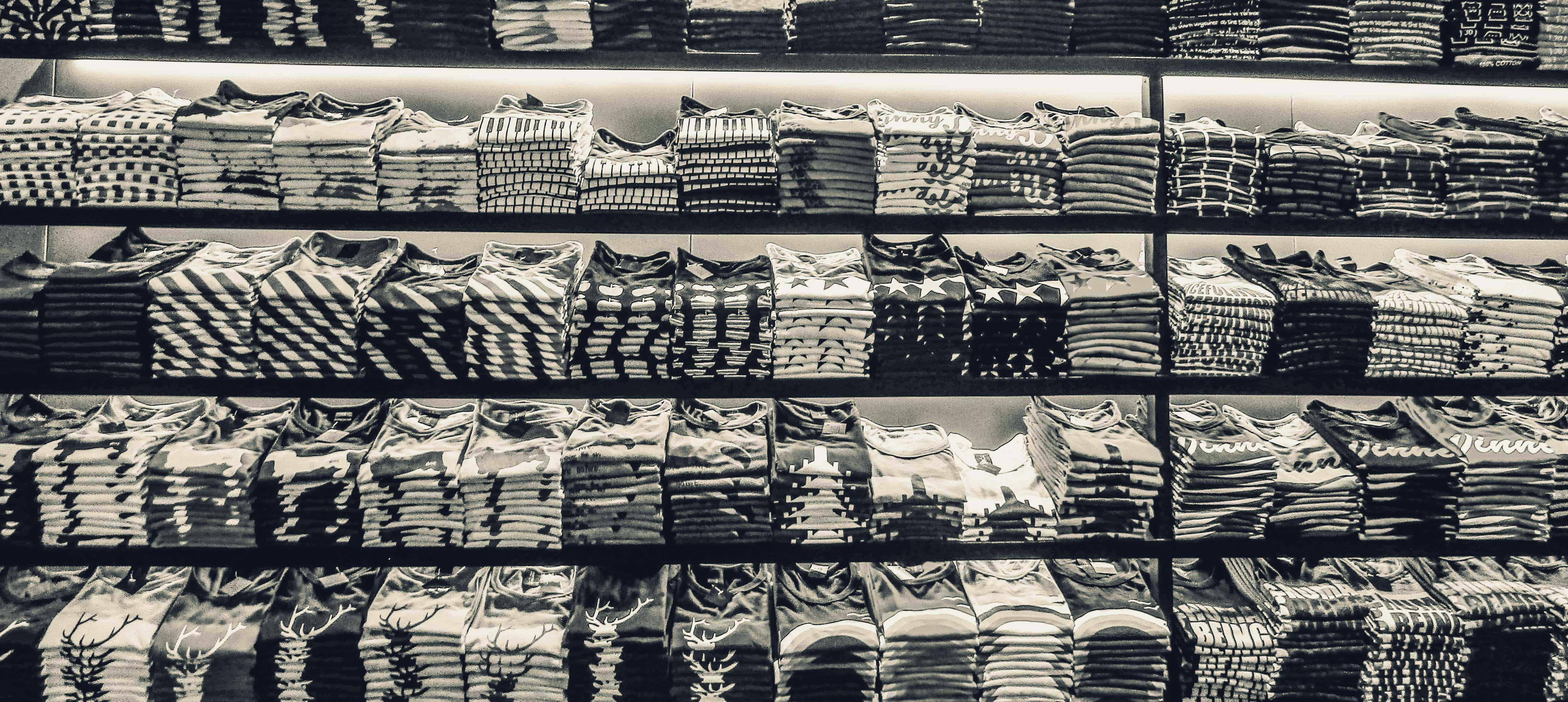
Los estantes de las máquinas expendedoras estándar tienen anchos de columna fijos y uniformes diseñados para las dimensiones de los bocadillos y las bebidas. Las máquinas de ropa requieren:
Todo fabricante que construya una máquina expendedora de ropa genuina solicitará muestras físicas del producto antes de finalizar la configuración del estante. Este es el proceso correcto. Cualquier fabricante que no solicite muestras no está construyendo según su producto, le está vendiendo una máquina estándar con una aplicación de marca.
Las máquinas de ropa suelen requerir gabinetes más anchos que las máquinas de snacks o bebidas para adaptarse al espaciado de las columnas y a la variedad de tamaños. Perfiles de configuración comunes:
| Tipo de prenda | Ancho de columna recomendado | Rango de capacidad | Perfil del gabinete |
|---|---|---|---|
| Camisetas (enrolladas) | 75-90mm | 100-200 artículos | Estándar a ancho |
| Calcetines y accesorios | 60-75mm | 150-300 artículos | Estándar |
| Gorras y gorros | 90-110mm | 80-150 artículos | Ancho |
| Sudaderas con capucha y chaquetas | 100-130mm | 50-100 artículos | Ancho a extra ancho |
| Surtido mixto (S-XL) | Variable por grupo de columnas | 80-180 artículos | Ancho con estanterías modulares |
El embalaje es la variable que la mayoría de los operadores de máquinas expendedoras de ropa primerizos subestiman. La configuración interna de la máquina se basa en las dimensiones del producto embalado, no en el producto en sí. Si su embalaje cambia después de que la máquina se haya construido, la configuración podría dejar de funcionar de forma fiable.
El empaque es el primer punto de contacto físico de la marca que el cliente manipula. Una camiseta en un tubo transparente con una tarjeta insertada de la marca comunica un nivel de calidad diferente al de la misma camiseta en una bolsa sin marca. Para máquinas expendedoras personalizadas posicionadas como experiencias de marca premium, el diseño del empaque debe ser incluido en el briefing junto con el diseño de la máquina y la interfaz de usuario, no como una idea de último momento.
La ropa es una categoría visual. Los clientes que compran una camiseta quieren ver cómo es antes de decidirse por una talla y gastar entre 25 y 50 dólares. La interfaz de pantalla de una máquina expendedora de ropa debe trabajar más que la pantalla de una máquina de aperitivos.
Las pantallas táctiles de gran formato (43 pulgadas) son la especificación preferida para las máquinas de ropa en entornos minoristas porque las imágenes de productos de este tamaño crean una presentación que se acerca a la calidad visual de una exhibición en la tienda. Investigaciones de estudios de señalización digital muestran que las grandes pantallas interactivas en el comercio minorista producen tasas de participación un 46% más altas en comparación con interfaces más pequeñas o estáticas.
Cuando la máquina no está procesando una venta, la pantalla debe mostrar contenido de marca: imágenes de campaña, catálogos de productos, contenido específico de eventos para festivales o despliegues en recintos, u ofertas promocionales. Esto es lo que convierte una máquina de un punto de transacción en un canal de marca.
Para las marcas que utilizan máquinas expendedoras con inteligencia artificial, el contenido de la pantalla puede adaptarse según la hora del día, los patrones de tráfico de la ubicación y los datos de compras recientes, mostrando contenido contextualmente relevante en lugar de ejecutar un bucle promocional estático.
Una máquina expendedora de ropa en un evento, estadio o entorno minorista es una declaración de marca antes de ser un canal de ventas. El exterior debe comunicar la marca claramente a distancia de aproximación (de 5 a 10 metros) y mantener esa comunicación durante toda la transacción.
Para un desglose completo de la estrategia de branding en todas las capas de una máquina personalizada (envoltura, pantalla, iluminación y consistencia de la flota), la guía de estrategia de branding de máquinas expendedoras personalizadas cubre el marco completo, incluyendo la coincidencia de Pantone, el briefing del diseñador y los errores más comunes que socavan el impacto de la marca en el campo.
La ubicación determina la mayor parte del rendimiento de los ingresos de una máquina de ropa. El producto adecuado en la ubicación equivocada siempre tiene un rendimiento inferior. El mismo producto en la ubicación adecuada puede generar entre 1.500 y 4.000 dólares al mes por máquina con volúmenes de transacciones elevados.
| Tipo de ubicación | Por qué funciona | Mejor categoría de ropa | Potencial de ingresos |
|---|---|---|---|
| Festivales de música y conciertos | Alta intención de compra, largas colas reemplazadas por autoservicio instantáneo | Merchandising de bandas, camisetas de eventos, accesorios de marca | Muy alto (ventana comprimida) |
| Recintos deportivos y estadios | La lealtad al equipo impulsa la compra por impulso antes/después de los eventos | Ropa de equipo, gorras, bufandas | Alto (impulsado por eventos) |
| Aeropuertos y centros de transporte | Compras por impulso y de artículos olvidados, público cautivo | Artículos esenciales de viaje, ropa informal de marca | Constante, alto tráfico de personas |
| Campus universitarios | Fuerte lealtad a la marca, compra repetida, acceso 24/7 | Merchandising del campus, ropa de marca | Moderado a alto (volumen) |
| Gimnasios y clubes deportivos | Compras de necesidad inmediata (kit olvidado) | Ropa deportiva, calcetines, accesorios | Moderado (repetición diaria) |
| Vestíbulos de hoteles y complejos turísticos | Compras por conveniencia, artículos de marca por impulso | Ropa de resort, ropa casual de marca | Moderado (AOV más alto) |
| Tiendas insignia | Activación de marca, ventas en horario extendido | Edición limitada, artículos de temporada, de campaña | Alto (prima de marca) |
Es importante que la especificación de la máquina se ajuste a las demandas específicas de cada tipo de ubicación. Una implementación para eventos necesita la máxima capacidad y un procesamiento rápido de transacciones. Una implementación en el vestíbulo de un hotel necesita una presentación premium y un valor promedio de pedido más alto. Son configuraciones de máquina diferentes a pesar de servir a la misma categoría de producto.
Vplaced proporciona análisis de ubicación específicamente para implementaciones de vending, analizando datos de tráfico peatonal, demografía del cliente e idoneidad del entorno para identificar ubicaciones donde su máquina de ropa generará los retornos que usted proyecta, en lugar de aprender por prueba y error qué ubicaciones tienen un rendimiento inferior.
Existen tres modelos de negocio viables para la venta de ropa. Cada uno tiene diferentes requisitos de capital, perfiles de margen y demandas operativas.
Usted es el dueño de la marca, usted es el dueño de la máquina, usted vende su propia ropa. La máquina es una extensión del canal minorista, llegando a clientes en lugares donde una tienda con personal no es viable o rentable.
Este modelo funciona mejor para: marcas de ropa establecidas que buscan expandir sus puntos de venta físicos sin los gastos generales de ubicaciones de tiendas adicionales, operadores de mercancía para eventos y clubes o equipos deportivos que venden directamente a sus seguidores.
Los márgenes típicos en este modelo oscilan entre el 55 y el 75% por transacción, lo que lo convierte en el modelo de mayor rendimiento cuando el volumen de transacciones es constante.
Usted proporciona la máquina y la capacidad de producción de ropa. Su cliente es un lugar, evento u organización que desea vender mercancía de marca sin operar una tienda minorista. Usted fabrica, almacena y mantiene. Ellos proporcionan la ubicación y el briefing de la marca. Los ingresos se suelen compartir.
Este modelo funciona mejor para: operadores con capacidad de impresión bajo demanda o producción de prendas, agencias de merchandising y operadores de vending que buscan expandirse a una categoría con mayores márgenes que los snacks y las bebidas.
Máquinas desplegadas temporalmente en eventos de gran afluencia: festivales, conferencias, lanzamientos de productos, activaciones de marca. La máquina genera ingresos concentrados durante el período del evento y se reubica entre eventos.
Este modelo tiene el mayor potencial de ingresos por día. Una máquina bien surtida en un festival de música con entradas agotadas puede generar entre 2.000 y 8.000 dólares en un solo día, dependiendo del tamaño del evento, el precio del producto y la ubicación dentro del recinto. La desventaja es la concentración de ingresos: picos fuertes con períodos de inactividad entre eventos.
La venta de ropa genera algunos de los economics de unidad más sólidos en la categoría de vending debido a la estructura de márgenes. Una camiseta con un coste de $12 vendida a $35 genera un margen bruto del 66% por transacción, significativamente más alto que los márgenes de venta de snacks, que oscilan entre el 20 y el 35%.
| Métrica | Escenario conservador | Escenario fuerte |
|---|---|---|
| Valor promedio de transacción | $25 | $45 |
| Margen bruto por transacción | 55% | 70% |
| Transacciones diarias | 10 | 35 |
| Beneficio bruto diario | $137.50 | $1,102.50 |
| Beneficio bruto mensual | $4,125 | $33,075 |
| Costo de la máquina (rango medio) | $12,000 | $12,000 |
| Período de recuperación | ~3 meses | ~2 semanas |
El amplio rango refleja la variable de ubicación más que cualquier otro factor. Un vestíbulo de gimnasio que genera 10 transacciones diarias es una máquina legítima de ingresos estables. Un despliegue en un festival que genera 35 transacciones diarias es una propuesta financiera completamente diferente. Para un desglose completo de cómo modelar su propio escenario, la guía de ROI de máquinas expendedoras personalizadas cubre en detalle la fórmula de tráfico peatonal y el cálculo de la mezcla de productos.
Para las empresas que sopesan la inversión inicial, las soluciones de financiación flexibles le permiten lanzar su máquina de ropa y generar ingresos desde el primer día, gestionando el coste de construcción a través de plazos estructurados, en lugar de comprometer el capital total antes de que se haya producido una sola transacción.
La gestión de tallas es el desafío operativo específico de la ropa que otras categorías de vending no enfrentan. Cuando una talla XL se agota, los clientes que seleccionan XL deben ser informados de su indisponibilidad en tiempo real, no después de tres intentos fallidos de venta.
VMFS Cloud proporciona la infraestructura de gestión de inventario en tiempo real y monitoreo remoto que hace que esta operación sea manejable. Niveles de stock en vivo por columna, alertas de bajo stock antes de que se agote una talla, datos de velocidad de ventas por SKU y talla, y actualizaciones remotas de precios o contenido de productos, todo gestionado desde un único panel sin necesidad de una visita al sitio.
Para los operadores que tienen varias máquinas en diferentes ubicaciones o eventos, esta visibilidad es lo que evita el fallo más común y costoso en la venta de ropa: una máquina que está visiblemente abastecida pero que muestra agotado en las tallas populares porque el inventario a nivel de columna no se ha rastreado en tiempo real.
Un resumen completo produce una máquina precisa. Antes de acercarse a cualquier fabricante, prepare:
Si aún está trabajando en la decisión más amplia de si una máquina personalizada es la inversión correcta para su negocio de merchandising, la guía completa del comprador de máquinas expendedoras personalizadas cubre todo el recorrido de evaluación, desde el ajuste del producto y la selección del fabricante hasta los costos realistas y las expectativas de tiempo en cada nivel de especificación.
La venta de ropa comparte algunas características con otras categorías personalizadas, pero difiere en aspectos importantes que afectan tanto la especificación de la máquina como el modelo de negocio:
| Categoría | Mecanismo interno | Margen promedio | Reto clave | Mejor ubicación |
|---|---|---|---|---|
| Ropa y merchandising | Entrega por elevador | 55-75% | Gestión de tallas, embalaje | Eventos, estadios, campus |
| Belleza y cosméticos | Estándar o elevador | 55-70% | Presentación del producto, confianza | Hoteles, aeropuertos, gimnasios |
| Tarjetas coleccionables | Bobina estándar | 35-55% | Integridad del paquete, prevención de robos | Tiendas de cartas, tiendas de juegos |
| Cannabis y CBD | Estándar con cumplimiento | 40-65% | Verificación de edad, regulación | Dispensarios, bienestar |
Sí. Las máquinas expendedoras personalizadas modernas dispensan camisetas, sudaderas con capucha, sombreros, calcetines y accesorios de manera confiable utilizando sistemas de entrega por elevador y configuraciones internas de estantes ajustadas. La clave es el embalaje correcto del producto: los artículos deben estar doblados, enrollados o en caja con dimensiones específicas que coincidan con la configuración de columna y bandeja de la máquina. Los fabricantes requieren muestras del producto antes de finalizar la construcción para garantizar un rendimiento de venta constante.
Un mecanismo de bobina estándar no puede dispensar ropa de forma fiable. Las máquinas expendedoras de ropa requieren un sistema de entrega por elevador que baje suavemente los artículos a la puerta de recuperación, bandejas ajustables configuradas según las dimensiones del producto empaquetado y un espaciado de columna más amplio que una máquina expendedora de snacks típica. La configuración interna se basa en sus muestras de producto específicas; por eso es esencial enviar muestras físicas a su fabricante antes de que comience la producción.
La ropa debe enrollarse o doblarse firmemente y sellarse en un tubo transparente, una caja compacta o un paquete sellado al vacío con dimensiones consistentes en cada unidad. El formato del empaque determina el ancho de la columna y la configuración de la bandeja. Los artículos empaquetados en tubos o cajas compactas maximizan la capacidad de la máquina; una máquina expendedora de ropa estándar contiene de 50 a 300 artículos, según la configuración y el tamaño del producto.
Las camisetas son consistentemente el artículo de vending de ropa con mayor volumen. Los calcetines, gorras, gorros, ropa interior y accesorios de marca también tienen un fuerte desempeño debido a su empaque compacto. Los artículos más voluminosos como sudaderas con capucha y chaquetas son vendibles con entrega por elevador, pero requieren más espacio en la columna y reducen la capacidad total de la máquina, lo que hace que el margen por transacción sea más importante que el volumen en esos SKU.
Una máquina expendedora de ropa configurada a medida con entrega por elevador y pantalla táctil suele costar entre $8,000 y $16,000. Las máquinas premium de gran formato con pantalla táctil de 43 pulgadas, envoltura completa de marca y conectividad en la nube alcanzan entre $15,000 y $25,000. Los principales factores que influyen en el costo son el tamaño del gabinete, la especificación de la pantalla y la complejidad del sistema de entrega interno. Para las empresas que gestionan la inversión inicial, las opciones de financiación flexibles le permiten lanzar y generar ingresos mientras el costo de construcción se estructura en términos manejables.
Las ubicaciones de mayor rendimiento para la venta de ropa son festivales y conciertos de música, recintos deportivos y estadios, aeropuertos y centros de transporte, campus universitarios, gimnasios y tiendas minoristas insignia. Las ubicaciones donde los clientes tienen una necesidad inmediata de ropa o una fuerte conexión con la marca, como situaciones de merchandising de eventos, generan consistentemente los mayores volúmenes de transacciones y los períodos de recuperación de la inversión más rápidos.
Compartir:
La mejor máquina expendedora de lavandería para una lavandería automática en 2026
Cómo las máquinas expendedoras con IA utilizan datos en tiempo real para elegir sus mejores ubicaciones