


Successfully renewing and renegotiating vending machine contracts requires analyzing sales telemetry data 60 to 90 days before expiration, presenting location-focused improvements (such as equipment upgrades or refreshed product lines), and adjusting commission tiers to protect net profit margins against rising inflation. Contracts should be amended in writing to lock in exclusivity, establish clear performance thresholds, and define net revenue splits.
Why Contract Renewal and Renegotiation Driven Strategy Matters
Contract renewals give operators the opportunity to realign location profitability with current operating costs and product inflation. When a location agreement approaches its expiration date, operators face a critical financial decision point.
Successfully renewing and renegotiating vending machine contracts allows route operators to protect operating margins, adjust commission structures, and secure long-term site rights before low-margin terms erode route profits. Every location contract represents a dynamic financial partnership, not a permanent concession. Whether you need to lower commission rates due to rising wholesale costs or upgrade hardware to boost throughput, mastering the renewal window is essential for maintaining route profitability and business value.

A commission rate is the negotiated percentage of vending revenue paid to a property owner for housing the machine.
Over a typical two-to-three-year contract term, fundamental economic variables shift. Wholesale beverage and snack costs routinely rise by 5% to 15%, fuel costs fluctuate, and credit card processing fees eat away at low-ticket transactions.
If your wholesale cost of goods sold (COGS) increases from 40% to 48% of retail price while your host commission remains fixed at 15% of gross sales, your net margin drops significantly:
When to Renew vs. When to Renegotiate
Deciding whether to renew, renegotiate, or terminate a location agreement depends on monthly gross sales, equipment depreciation, and property manager cooperation.
Not every expiring contract warrants a major negotiation. High-volume, hassle-free locations with low commission rates are often best served by simple auto-renewals. Conversely, underperforming locations or accounts requiring constant service interventions require contract adjustments before you sign a new term.
Use this operational framework to evaluate your location portfolio 90 days prior to contract expiration:
Before entering any renegotiation meeting, analyze your route's historical sales numbers to back up your requests with cold hard data. To learn how to systematically analyze sales metrics across your locations, review our guide on using real operational numbers to scale.

Key Steps for Renewing and Renegotiating Vending Machine Contracts
Renegotiating a vending agreement requires analyzing telemetry sales data, presenting service improvements, and executing formal contract amendments prior to the expiration window. Approach contract renegotiation with the same structure you would use to pitch a brand-new account.
Step 1: Audit Machine Performance and Sales Data
Start by pulling 6 to 12 months of DEX (Data Exchange) and telemetry reports from your machine management software.
Telemetry is the wireless transmission of real-time sales, inventory, and diagnostic data from a vending machine to an operator's management database.
Calculate the exact financial footprint of the machine:
-
Total gross cash and cashless sales volume
-
Product-level COGS breakdown
-
Total credit card processing fees and telemetry subscription overhead
-
Servicing labor costs and restock cadence frequencies
-
Incident logs showing machine uptime and repair response times
Machine uptime is the percentage of total operational hours a machine is fully functional, powered, and ready to complete transactions.
Step 2: Prepare the Value Package
Never ask for a commission reduction or contract extension without offering a tangible benefit in return. Location managers care about employee satisfaction, site cleanliness, equipment reliability, and prompt customer service—not your wholesale product costs.
Pair your renegotiation requests with concrete location upgrades:
-
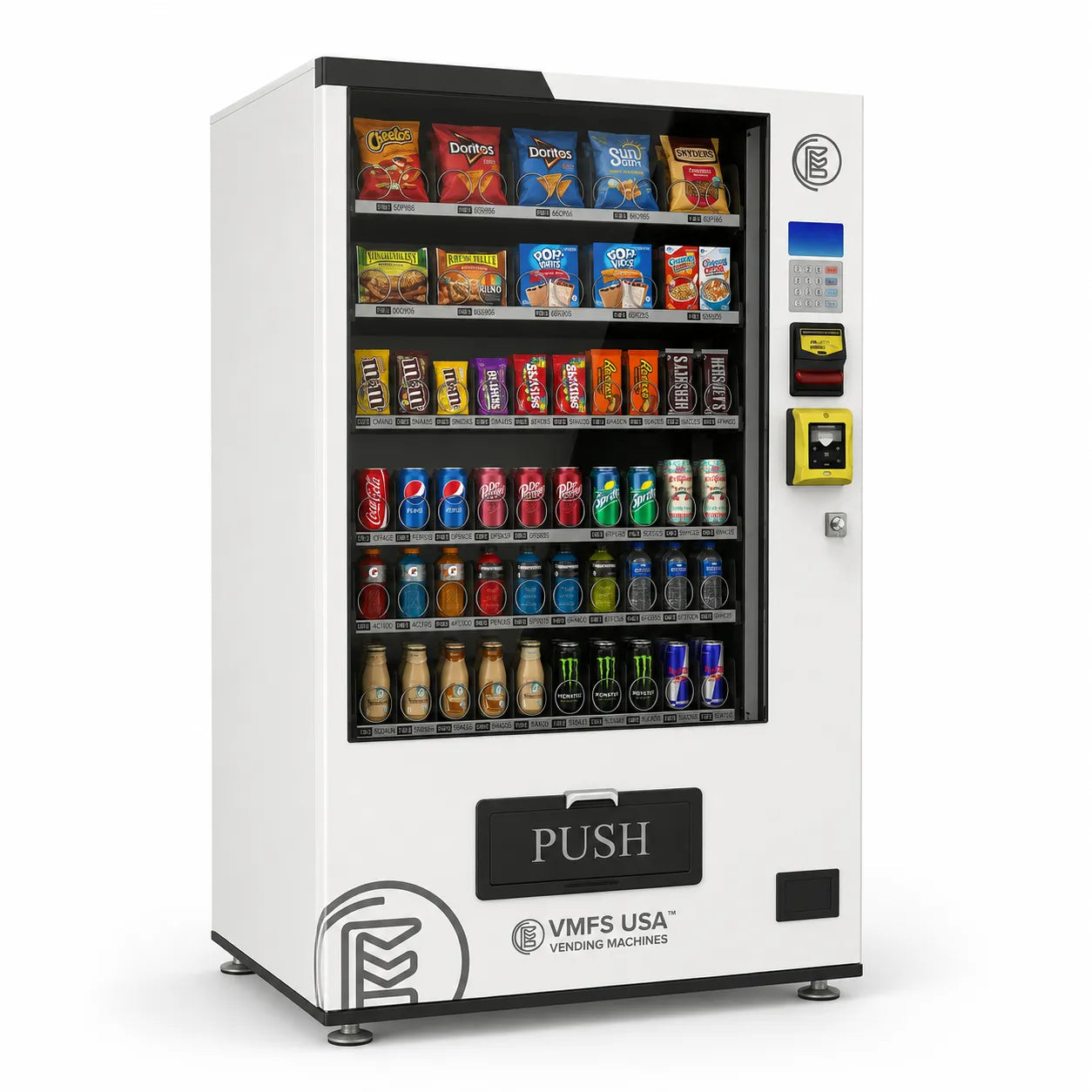
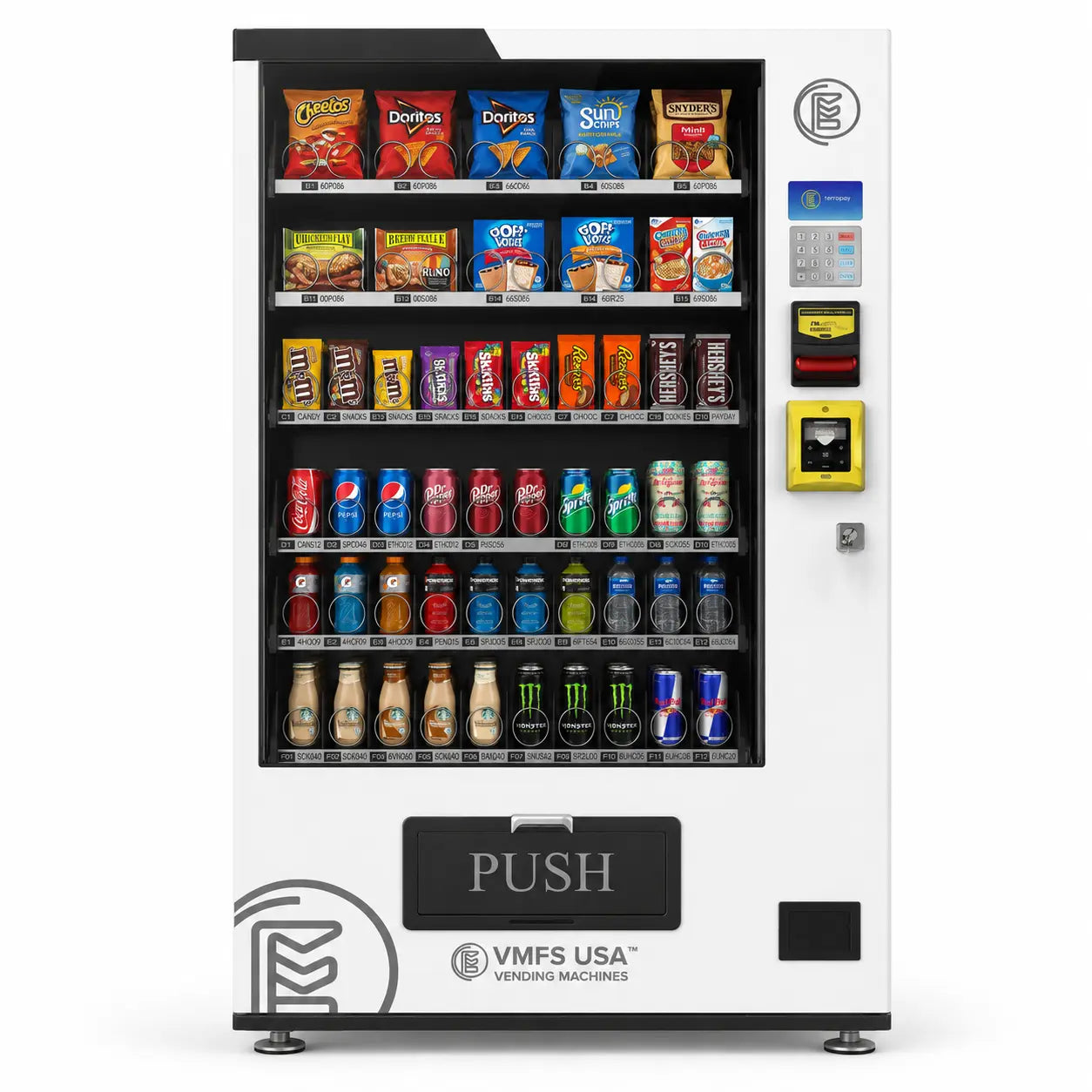
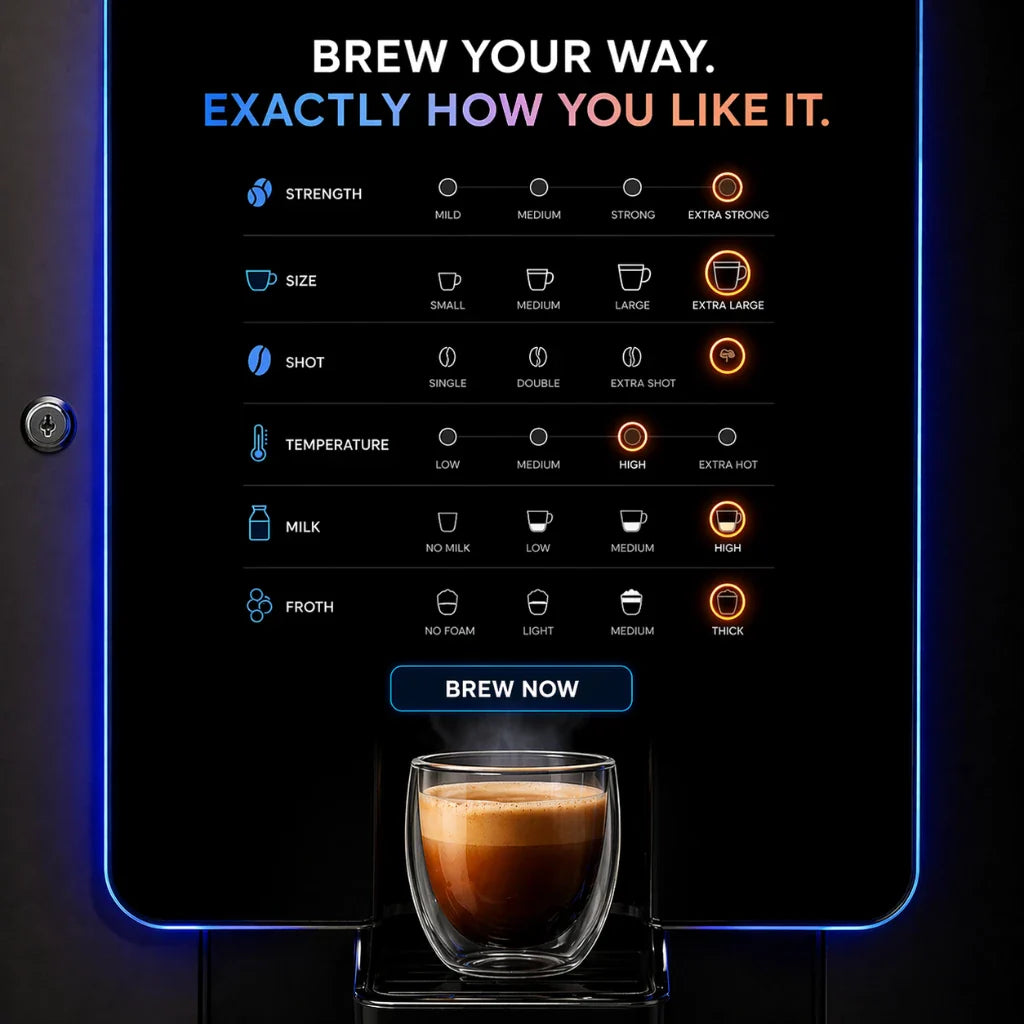
Hardware Modernization: Offer to replace older equipment with state-of-the-art modern snack vending machines featuring touchscreen interfaces, guaranteed product delivery sensors, and mobile tap-to-pay options.
-
Product Selection Overhaul: Commit to introducing trending product lines, healthy snack options, or high-margin specialty items tailored to the location's demographics.
-
Format Expansion: If foot traffic has grown, propose upgrading from a single machine to high-efficiency combo vending machines or installing frictionless AI grab and go vending machines to handle higher peak throughput.

Step 3: Conduct the In-Person Review
Schedule a formal 20-minute meeting with the property manager or human resources director 60 days before contract expiration. Bring a clean, professional one-page performance summary showing total machine uptime, customer support resolution rates, and local product inventory numbers.
Use direct, value-focused scripts during the conversation:
"Thanks for taking the time to meet today, Sarah. Over the past two years, our machines have maintained a 99.2% operational uptime across 14,000 transactions at this facility. To prepare for our upcoming contract renewal, we've reviewed our operational costs. Inflation on wholesale beverages and card processing fees has squeezed our margins significantly.
To avoid raising product prices for your staff, we're proposing adjusting our revenue share from 12% gross to 8% net, while locking in a 24-month extension. In addition, we'll install brand-new cashless payment hardware and introduce a curated healthy product mix next month."
If you need a reference framework for structuring your initial or amended agreement documents, review our complete vending machine placement contract template.
Step 4: Execute the Written Contract Amendment
Never rely on verbal agreements, informal emails, or handshake promises. Any change to commission rates, contract duration, service frequencies, or exclusivity rights must be documented in a signed contract addendum.
Attach the signed addendum directly to the original location contract, specifying the effective date, updated clause language, and signatures from authorized representatives of both parties.
The Math of Contract Renegotiation: Commission vs. Profitability
Shifting a contract from a 15% gross commission to an 8% net commission directly lowers an operator's break-even volume and restores operating profit margins.
Understanding how commission structures alter your break-even point allows you to make data-driven decisions during contract negotiations.
Break-even is the precise monthly sales dollar volume or unit count required to cover fixed and variable costs, leaving zero net loss and zero profit.
To learn more about standard industry commission splits and revenue share strategies, read our breakdown of vending machine revenue split structures.
Essential Contract Clauses to Modify During Renewal
Modifying specific operational clauses during renewal protects exclusivity rights, establishes clear utility boundaries, and updates product pricing freedom.
Renewal negotiations shouldn't focus solely on commission percentages. Use the contract renewal window to clean up outdated or vague terms that create operational friction.
1. Commission Base Definition (Net Sales vs. Gross Sales)
Explicitly redefine how commission payouts are calculated. Ensure the contract states that commission applies strictly to Net Sales, defined as raw cash and credit collections minus state/local sales tax, merchant card processing fees, and telemetry network service charges.
2. Category Exclusivity and Micro-Market Rights
Dwell time is the average duration employees, guests, or customers spend inside a venue's breakroom or lobby area.
If a site has high dwell time, protect your foot traffic by securing comprehensive category exclusivity. Ensure your contract prohibits the building host from placing competing vending equipment, micro-markets, or third-party food services on the property during your contract term.
Add explicit wording to cover evolving store formats:
"The Owner grants the Operator sole and exclusive rights to operate all automated retail, micro-market, and beverage/snack vending equipment within the property boundaries located at [Property Address]."
3. Pricing Adjustments and Product Autonomy
Never sign a contract renewal that gives the location host veto power over product pricing. Cost of goods sold varies over time, and operators must retain the right to adjust shelf prices as supplier costs change.
Include language that permits annual price adjustments to keep pace with inflation:
"The Operator retains full authority to set and adjust product pricing. The Operator may adjust retail prices by up to 10% annually to reflect shifts in wholesale product costs and regional operating expenses without requiring written consent from the Owner."
If you need a strategic framework for managing shelf pricing across your accounts, review our detailed guide on pricing strategies for profit without losing sales.
4. Revenue Floor and Minimum Performance Triggers
Protect your business against drops in foot traffic (such as corporate downsizing, remote work policies, or tenant departures) by including a performance exit clause.
Define a clear revenue floor: if gross sales drop below $300 per month for two consecutive billing cycles, you reserve the right to pull your equipment with 30 days' notice without incurring financial penalties.
Common Renegotiation Pitfalls to Avoid
Failing to renegotiate early or making verbal agreements without written amendments are the primary causes of revenue loss during location contract renewals.
Avoid these common mistakes when approaching a contract renewal window:
-
Waiting Until the Last Minute: Contacting property management five days before expiration deprives you of operational leverage. If the host refuses your terms, you won't have enough time to plan an orderly machine removal or find a replacement location. Always start the review process 60 to 90 days out.
-
Renegotiating Without Hard Data: Approaching a building manager with vague claims about "high inflation" is rarely convincing. Bring printed telemetry reports showing exact sales volume, customer transaction counts, and uptime percentages to ground the discussion in facts.
-
Failing to Document Agreed Changes: Accepting a verbal "sounds good" from a property manager leaves your business vulnerable to leadership changes. If that manager leaves, the new building lead may enforce the original written contract. Always formalize changes through a written addendum.
-
Overestimating Location Value: Don't fight to preserve a high-maintenance, low-volume account out of pride. If a host demands a 15% gross commission on a machine doing only $300 a month, walking away is often the best financial move. Redeploy that equipment to a higher-volume account to generate a better return on your capital.
To prevent inventory waste and streamline stock planning while evaluating location performance, read our guide on tracking vending machine stock and sales trends.
What to Do Next: Strategic Route Optimization
Contract renewal windows offer a natural opportunity to optimize your overall vending route portfolio. Use contract milestones to review machine placement, evaluate machine health, and redeploy low-performing assets.
When evaluating expiring locations across your route, follow these strategic steps:
-
Categorize Your Accounts: Divide your active accounts into top performers (keep and protect), average accounts (renegotiate for better terms), and underperformers (restructure or remove).
-
Upgrade Equipment Strategic Sites: Use contract renewals at high-traffic sites as an opportunity to introduce modern hardware features like touchscreen displays and contactless payment systems.
-
Redeploy Idle Machines: If a negotiation fails and you decide to pull a machine, clean and service the asset immediately before placing it at a higher-margin site.
Strengthen Your Route Margins Today
Mastering contract renewals and renegotiations is essential for building a profitable, scalable vending business. Auditing location sales data, switching to net commission structures, securing exclusivity rights, and executing formal written addendums protects your business against margin compression and secures long-term site equity.
Review your active location agreements today, identify contracts expiring within the next 90 days, and use performance data to secure better terms. Explore our selection of high-efficiency combo vending machines to upgrade key accounts and lock in long-term contract renewals.
Key Takeaways
-
Audit Performance Early: Initiate contract reviews 60 to 90 days before the expiration date to analyze route telemetry data, product margins, and machine uptime before meeting with building management.
-
Shift from Gross to Net Commission: Protect operating margins by renegotiating commission payouts to apply only to net revenue (gross sales minus sales tax, credit card processing fees, and telemetry charges).
-
Leverage Hardware Upgrades: Use machine replacements, micro-market conversions, or cashless payment additions as bargaining chips to secure lower commission rates or longer term commitments.
-
Enforce Performance Floor Triggers: Build unilateral removal clauses into renewed contracts that allow you to pull equipment without penalty if gross monthly revenue falls below your break-even threshold.
Frequently Asked Questions
How long before a vending contract expires should I start renegotiating?
You should begin the renegotiation process 60 to 90 days before the contract expiration date. This timeframe gives you enough space to audit sales telemetry, prepare a formal renewal proposal, meet with site management, and execute a written addendum before auto-renewal or termination windows close.
What should I do if a location manager demands a higher commission rate upon renewal?
If a location manager asks for a higher commission, present a detailed cost breakdown showing wholesale product inflation, credit card processing fees, and servicing expenses. Counter their request by offering non-monetary value-adds instead, such as hardware upgrades, expanded product selections, or guaranteed service response times. If they insist on an unsustainable rate, explain that higher commission costs will force product price increases for their employees.
Can I change product prices when I renew my vending machine contract?
Yes, you should explicitly include product pricing autonomy in your contract renewal addendum. Ensure the updated language grants you sole authority to set retail product prices and adjust them annually (typically by 5% to 10%) to keep pace with rising wholesale supplier costs.
How do I switch a contract from gross sales commission to net sales commission?
To switch to a net commission structure, draft an addendum defining net sales as total gross revenue minus state/local sales taxes, credit card merchant processing fees, and wireless telemetry service fees. Show the location manager that calculating commissions on net sales ensures they receive a fair percentage of actual collected revenues without forcing you to pay commissions on taxes and processing fees out of pocket.
Is it better to auto-renew a vending contract or sign a brand-new agreement?
Auto-renewing works well for high-performing, low-friction locations where the existing contract terms remain profitable. However, if product costs have risen, the site needs new hardware, or current commission rates erode your operating margins, executing a formal contract addendum or signing a new agreement is the best way to protect your long-term cash flow.
Share:
Commission vs. Rent vs. Free Placement: The Ultimate Vending Location Guide
How to Sell a Vending Machine Business: Route Valuation and Exit Guide