

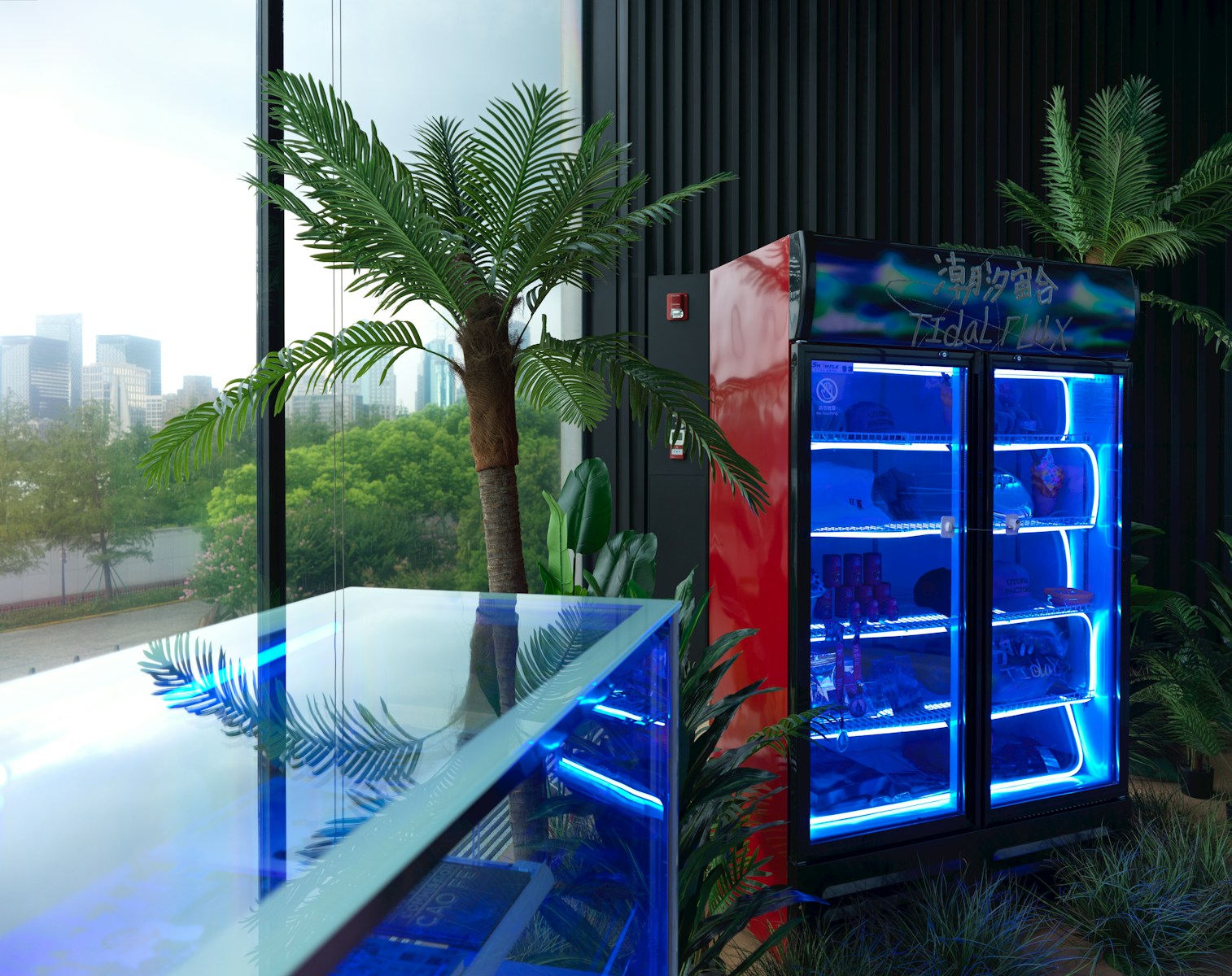


Design the perfect vending solution for your location and customers.

Join the VMFS newsletter and step into a thriving network dedicated to collective success.
One signup. Endless possibilities.
You can start a vending machine business with no money if you understand how the industry works and use the right entry methods. Many new operators believe vending requires a large upfront investment, but several practical strategies allow beginners to launch with limited cash. These approaches focus on location partnerships, property hosting, and flexible financing. When combined with consistent service and smart placement, they give you a path into the vending industry without heavy risk.
This guide explains how each method works, why they are accessible for new operators, and how to use them to build a small vending operation that grows at a steady pace. You will learn the basics of the business, how to secure high performing locations, and how to choose machines that match your budget and skill level. Each step is simple, clear, and designed for beginners who want a realistic way to enter the industry today.
A vending business earns money by placing machines in locations where people already spend time. The location provides the space, you provide the machine and service, and both sides benefit. Once placed, the machine earns passive income as customers buy products.
Your tasks are simple and repeatable. Most operators spend more time driving to a location than servicing the machine.
Most machines need one service trip every 7 to 14 days, depending on sales. This keeps the business flexible and easy to manage part time.
Location quality affects revenue more than anything else. A good location can produce steady income even with an older machine. A weak location can lose money even with the best equipment. This is why beginners who start with no money must focus on placements first. Later sections explain how to secure high performing locations using free methods that reduce risk and speed up the path to profit.
You can start a vending machine business with no money by using access points that already exist in the industry. Many locations want vending service but do not want to buy machines. Many machine owners have equipment sitting idle because they lack time, staff, or good placements. And many suppliers offer financing that requires no upfront payment. When you understand how these gaps work, you can enter the industry without spending money on equipment.
The three methods below work because they solve real problems for operators and locations. You are not asking for favors. You are providing service, handling equipment, and keeping locations stocked. This creates a win, and every win generates predictable revenue.
Location matching is the strongest no money entry method because it uses resources that already exist. Thousands of machines across the country sit unused in storage. They belong to operators who no longer run full routes, lost locations, upgraded equipment, or do not have time to place older machines. These machines still work and still make money. Owners want them placed, but they do not want to handle new locations themselves.
Your job is simple: find a location that wants a machine and match it with a machine owner who wants passive income. You take over the work, and both sides benefit. This creates a no cost setup for you and practical value for everyone involved.
This method gives beginners something rare in vending: a profitable setup without upfront cost. Many operators started this way and used their first machine to fund additional equipment.
If you control a property with daily traffic, you can get a machine installed for free by an operator who wants the guaranteed placement. This is a zero cost setup because you provide the space, and the vendor provides the machine, service, and inventory. You earn a commission simply because you control the location.
This method works even for small locations. A site with 20 to 40 people per day may not be enough for a new operator to invest money, but it is enough for an established operator to place a machine for free because they already have inventory and equipment ready to deploy.
This method gives you vending income and hands on exposure with no equipment investment. It is one of the safest ways to get started if you want to build confidence before servicing your own machines.
Financing allows you to acquire a machine with no upfront payment, then use the machine’s revenue to cover the loan. This approach becomes very low risk when you secure a location before choosing a machine. With a predictable placement, your monthly payment is covered by sales, even in modest locations.
Once the loan is paid off, the machine becomes a cash producing asset. Many small operators scale to multiple machines by repeating this process a few times, using revenue from the first machine to fund the next one.
Finding profitable vending locations does not require money. It requires strategy, consistency, and knowing which types of buildings convert at the highest rate. Most beginners struggle because they approach locations randomly. When you target the right categories and use simple scripts that highlight value, you secure placements even without owning a machine yet.
Below are methods that work for beginners with zero budget and zero equipment. These methods focus on solving location problems, not trying to “sell” vending services. Locations want reliability, convenience, and fast response times, not fancy machines or aggressive pitches.
Places that already have vending issues convert the fastest. You are offering a solution, not a request. Look for:
These locations are “pre qualified,” meaning they already understand the value of vending and are ready for a dependable provider.
Most vending outreach fails because beginners use long sales pitches. Instead, speak to the location’s interests. The best short script for cold calls or walk ins is:
“Do you already have a vending provider? If not, I can place and service a machine at no cost. You choose the snacks and drinks you want, and I handle everything.”
This script works because it removes risk, offers control, and tells them exactly what they get. You are not selling machines. You are offering convenience.
Many beginners forget that their best opportunities are often within their personal circle. Tell friends, coworkers, and family that you provide vending service. You will be surprised how many people know a business owner, property manager, warehouse supervisor, or school administrator who wants a machine.
Personal recommendations also increase trust, which makes placements easier to secure.
Some location types consistently outperform others. When you are starting with no money, target “efficient locations,” meaning buildings with reliable foot traffic and low competition. Top categories include:
Targeting these categories reduces the time needed to find a profitable placement. They also make it easier to justify your service even without advanced equipment.
Locations hesitate when they think a vendor will disappear or provide poor service. Solve this by offering small commitments that reduce perceived risk. Examples:
These commitments set you apart from operators who run routes part time and do not prioritize service. Locations value reliability more than machine features.
The strongest tactic for broke beginners is securing the location before the machine. This makes every method easier. When you tell a machine owner, supplier, or financer that you already have a confirmed location, you instantly gain credibility. Many owners will loan you a machine because you have somewhere to put it. Many suppliers will prioritize your financing. And many locations will give you access because you demonstrate action, not promises.
Finding profitable locations with no money is not about equipment. It is about solving problems, being consistent, and offering service that others are too busy to provide. When you control a good location, you control the foundation of your vending business, even before you buy your first machine.
The right vending machine can make your startup easier, reduce your service time, and produce steady sales even in small locations. You do not need the newest or most expensive model. You need a machine that matches the environment, traffic pattern, and buying behavior of the people using it. Below is a detailed breakdown of the most practical vending machines for beginners and why each type works.
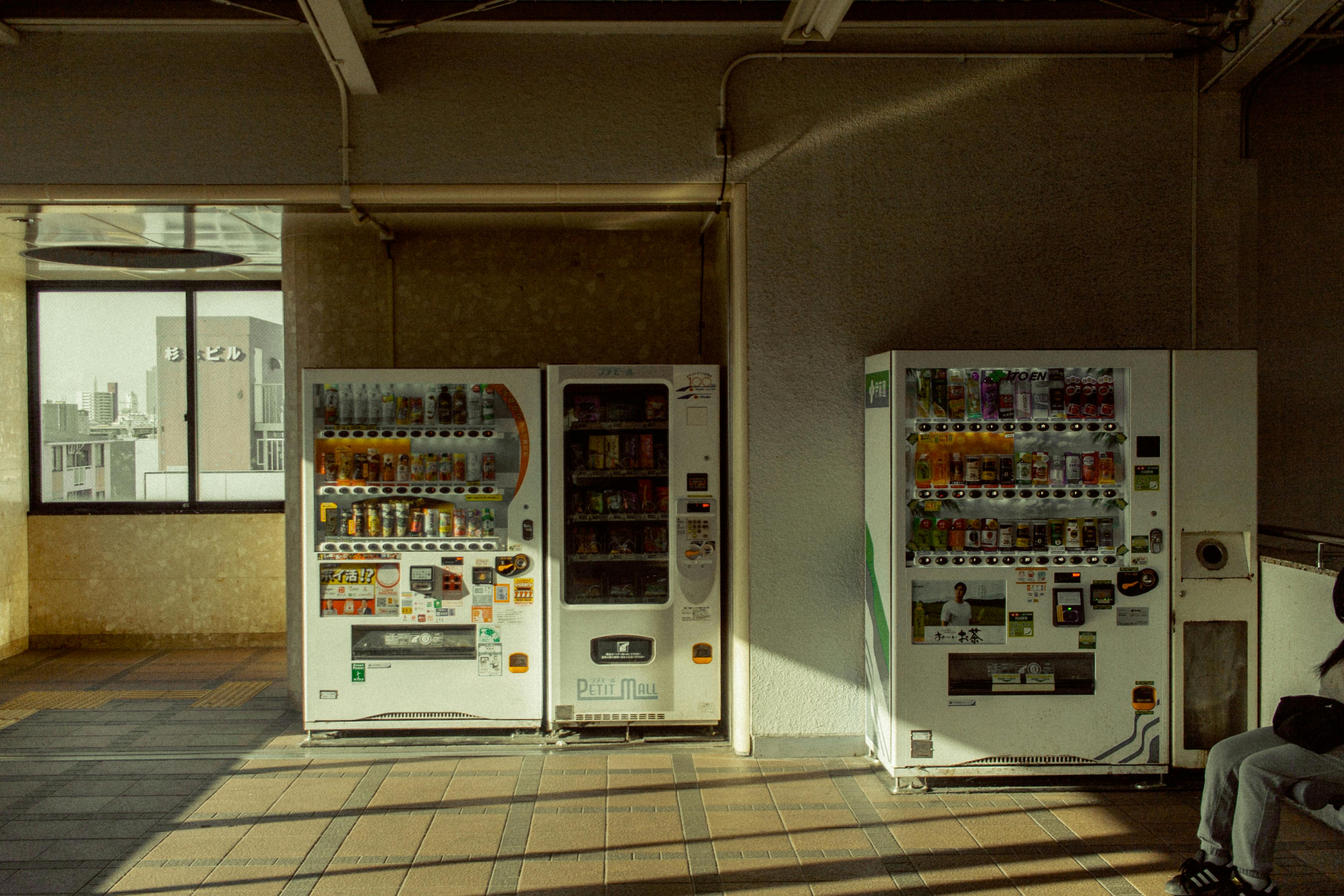
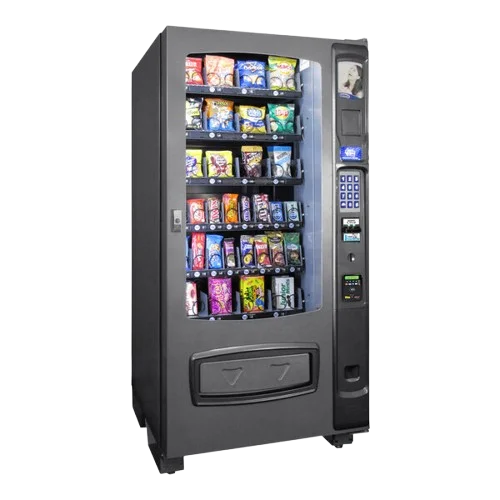
Combination vending machines (snack and drink in one unit) are one of the safest starting points because they serve two needs without requiring two machines. These units fit well in places with moderate foot traffic or limited space. They are ideal for offices, gyms, apartment buildings, salons, and small break rooms where people want both snacks and cold drinks but the location cannot justify multiple machines.
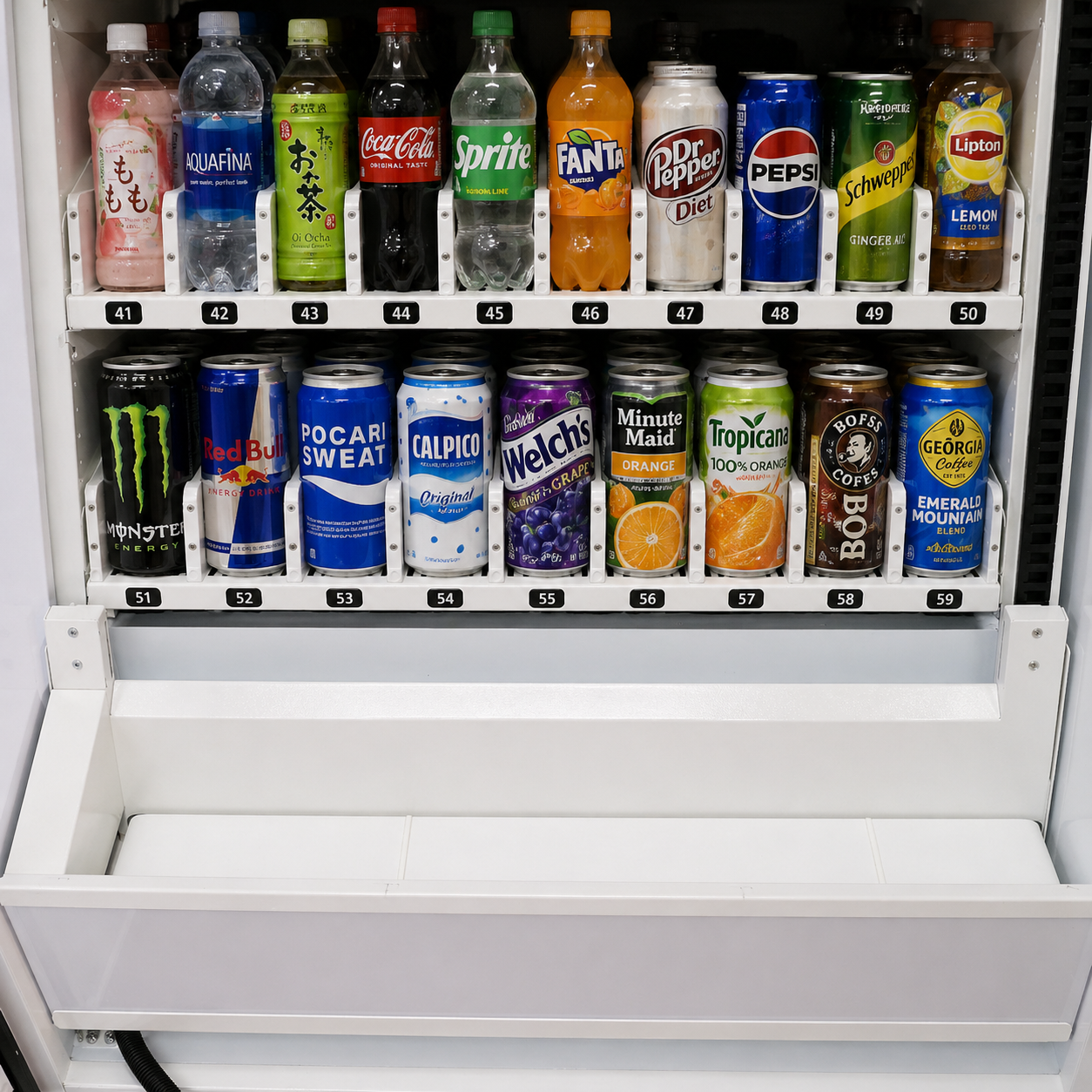
Soda vending machines and bottled drink machines remain top performers across almost every location type. Drinks usually outsell snacks because customers buy multiple drinks per day, especially in active environments. These machines are easier to maintain because they have fewer motors, fewer spirals, and predictable product sizes.
Snack vending machines offer steady mid-day and late-night sales in offices, schools, apartments, and waiting areas. They do not require refrigeration, making them cheaper to maintain and easier to repair. When placed in a steady work environment, snack machines create predictable weekly revenue from chips, cookies, bars, and pastries.
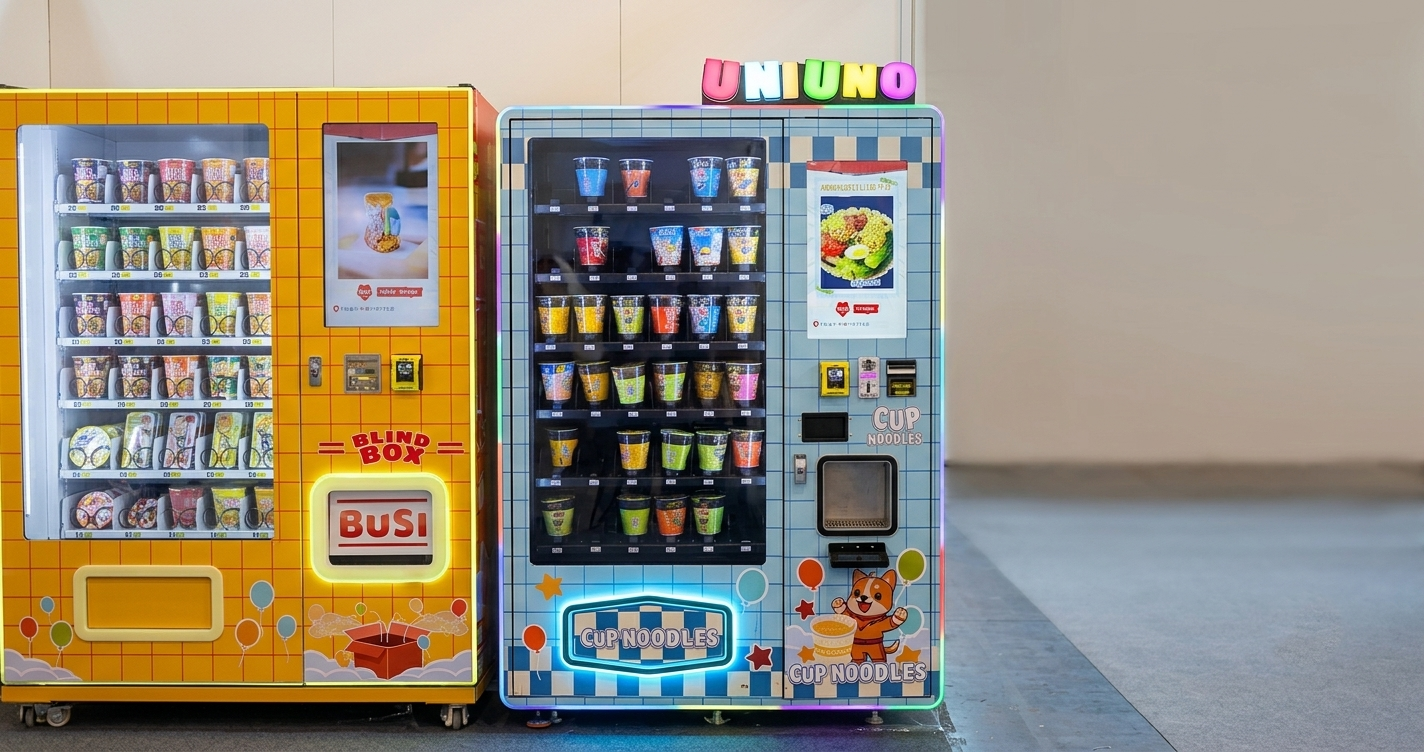
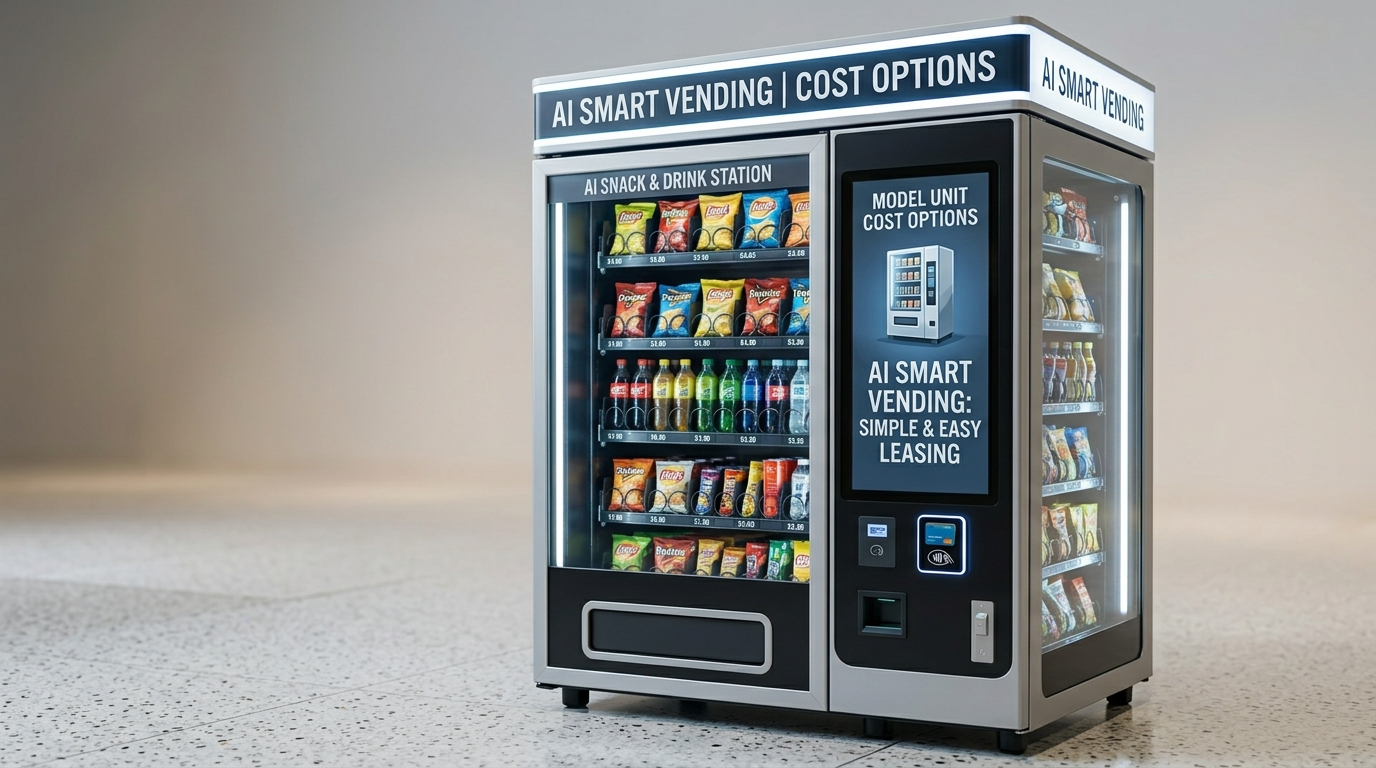
AI vending machines are modern units with touchscreens, product recommendations, and remote inventory tracking. They are not necessary for most beginner routes but can outperform traditional machines when placed in premium buildings. Their visual appeal draws customers, and remote monitoring reduces service trips.
Coffee vending machines perform best in workplaces with early shifts or long sedentary hours. Coffee has one of the highest margins in vending because product cost stays low. These machines do well in offices and waiting areas where customers want hot drinks without leaving the building.
Use this checklist to move from idea to your first placed machine as efficiently as possible.
Starting a vending machine business does not require complex systems or large upfront investments. It requires finding the right locations, choosing machines that fit those locations, and serving them consistently. When you focus on solving location problems, not selling equipment, the business becomes simple. Every strong placement builds reliable revenue, and every machine you manage teaches you how to expand. With steady action and clear priorities, you can build a vending operation that grows one location at a time and produces dependable income for years.


Share:
Top Side Hustles to Build Passive Income in 2026
Top Side Hustles to Build Passive Income in 2026