





Design the perfect vending solution for your location and customers.

Join the VMFS newsletter and step into a thriving network dedicated to collective success.
One signup. Endless possibilities.
Passive income is money that keeps arriving after the main work is finished. It is rarely fully hands off, and anyone promising otherwise is selling something. What it does give you is earnings that are not tied to the hours you personally work.
Interest in passive income in 2026 is being driven by three things at once: living costs that have outpaced wage growth, job security that feels less certain than it did five years ago, and a set of tools that finally make automation realistic for someone without a technical background. Cashless payment systems, cloud dashboards, and AI assisted content tools have removed a lot of the daily admin that used to make these projects collapse after two months.
That last point is what has actually changed. The ideas below are not new. What is new is that one person can now run them without hiring anyone.
Most roundups of passive income ideas 2026 list twenty options and tell you nothing about which need capital, which need an audience, and which take a year before paying anything. This one gives you eight, with the effort level, the capital required, and the honest downside for each.
The clearest test is whether the income continues when you stop showing up for a week. Rental income continues. Dividend payments continue. A vending machine keeps selling. Freelance work stops immediately.
Most realistic passive income examples sit somewhere in the middle, which is why the honest term is semi passive. A vending route needs restocking. A course needs occasional updates. A rental property needs maintenance. The work is real, but it is measured in hours per month rather than hours per day, and it does not scale linearly with earnings.
About the income figures on this page. The ranges below reflect commonly reported outcomes across operator communities, platform published averages, and our own customer data where we have it. They are not projections, guarantees, or typical results. Actual earnings vary enormously by location, effort, market, and timing, and many people earn nothing. Nothing here is financial advice. Speak to a qualified accountant or financial adviser before committing capital.
Effort: Medium to set up, low weekly upkeep once placed.
Reported range: $300 to $2,000+ per machine per month, driven almost entirely by location quality.
Capital needed: Meaningful. This is the main barrier compared to the digital options below.
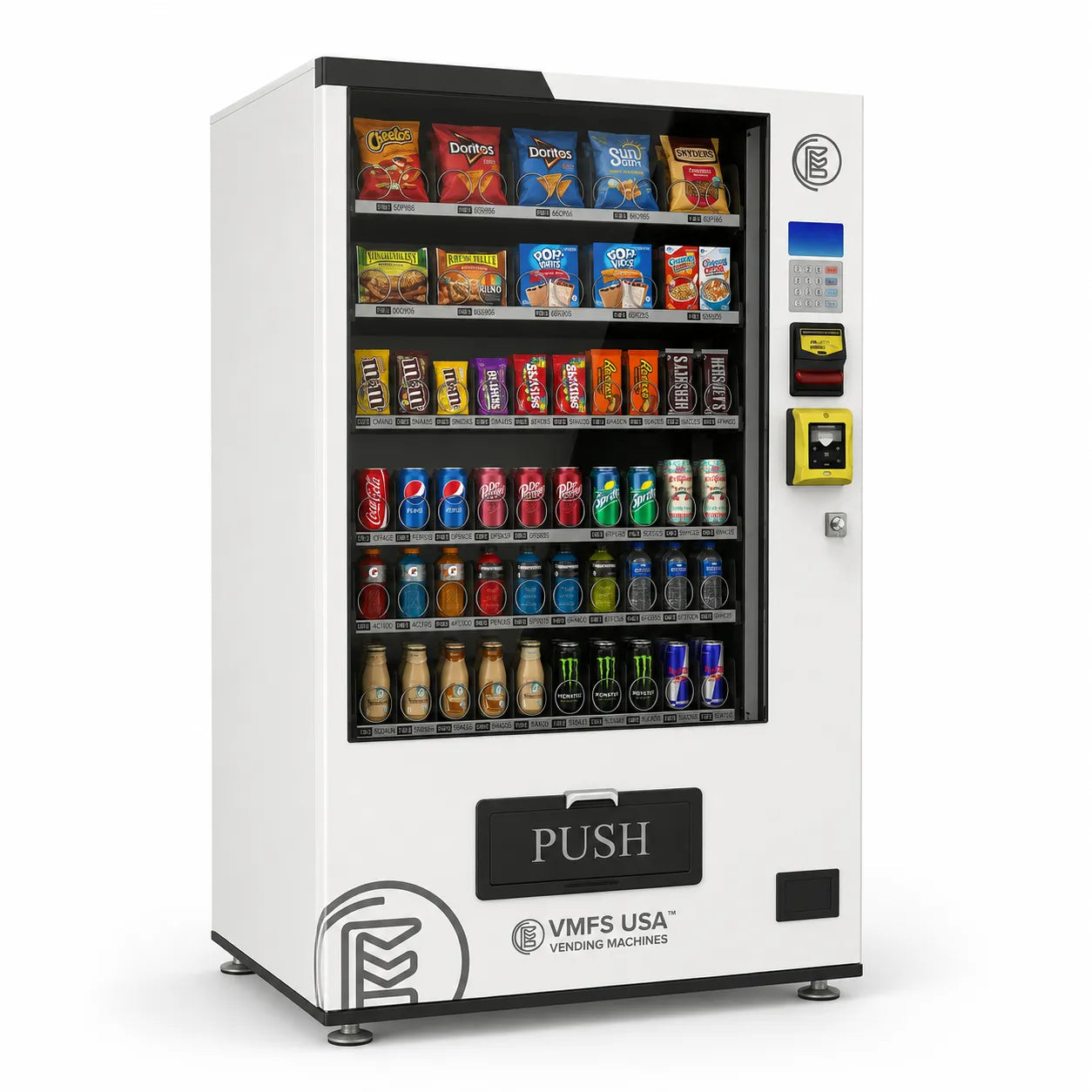
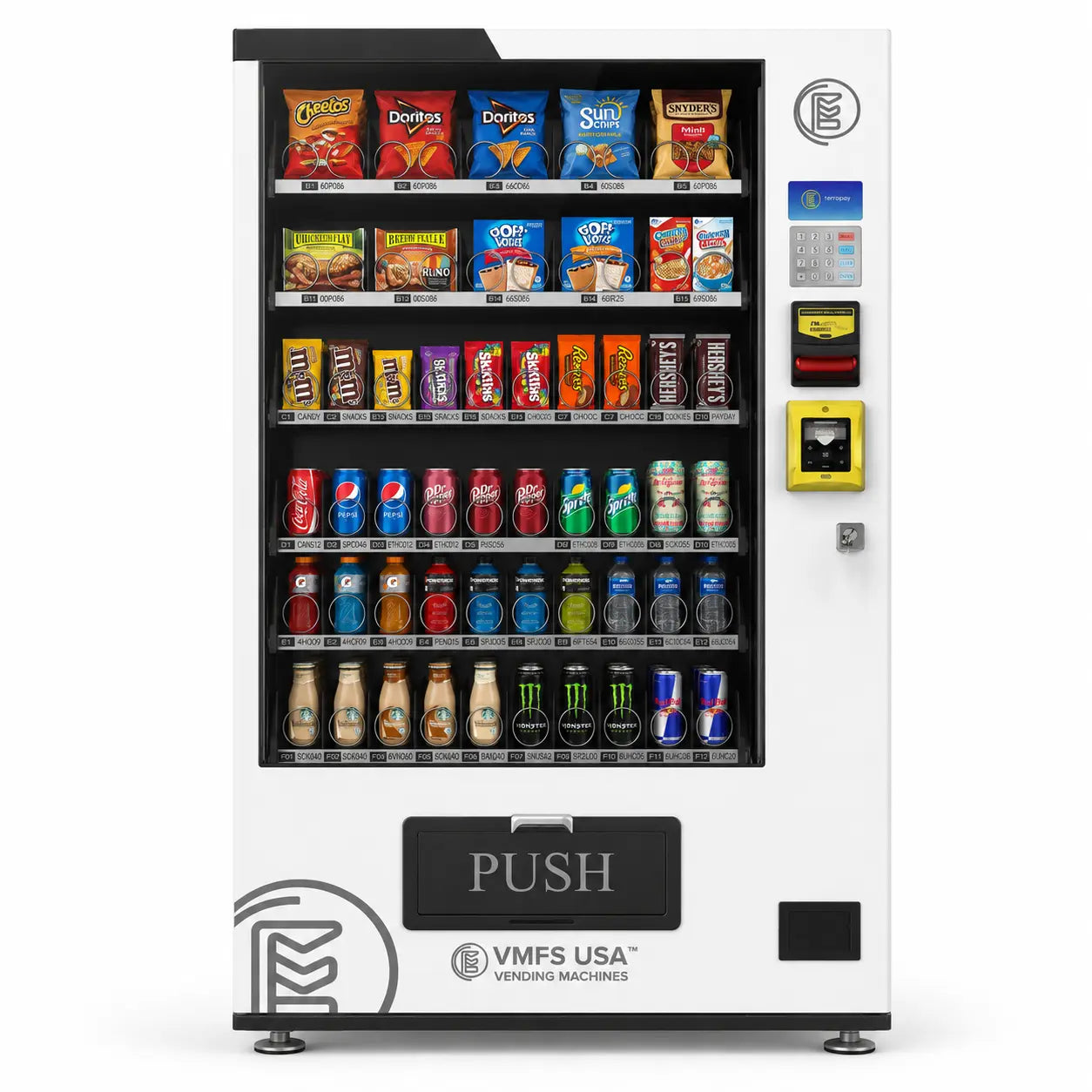
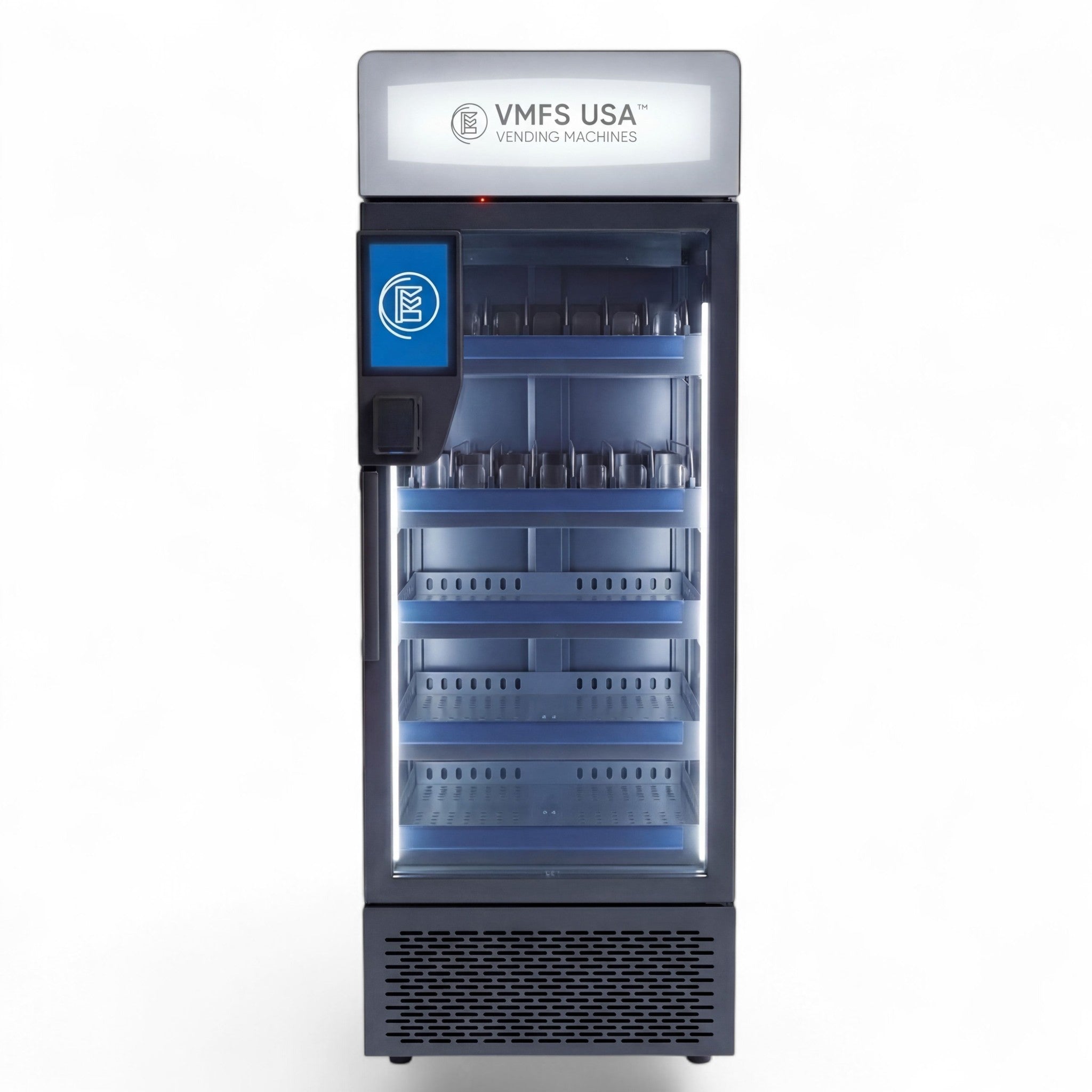
Vending is the most established idea on this list, and in 2026 it is genuinely different from what it was a decade ago. Cashless acceptance removed cash collection. Cloud dashboards removed guesswork about when to restock. Together those two changes cut the weekly hours per machine to the point where one person can run six to ten units around a full time job.
We should be direct about our position here. We sell vending machines, so treat this section as informed rather than neutral, and weigh it accordingly. What we can offer is specifics rather than encouragement.
Location decides most of it. The same machine in two buildings a mile apart can differ by a factor of five in monthly revenue. What matters is not raw foot traffic but how many of the same people pass it repeatedly, and how far away the nearest alternative is. A break room with 80 staff who are there every day beats a lobby with 800 people who pass through once.
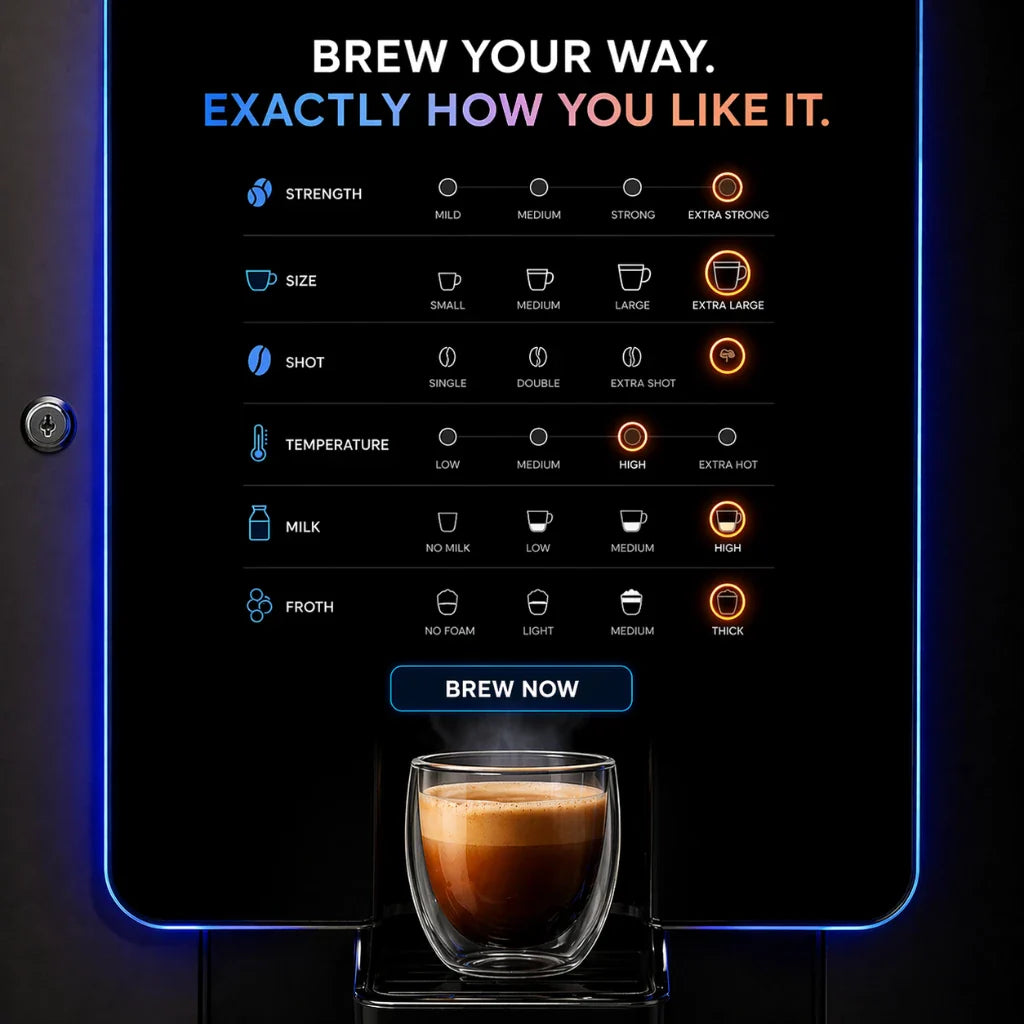
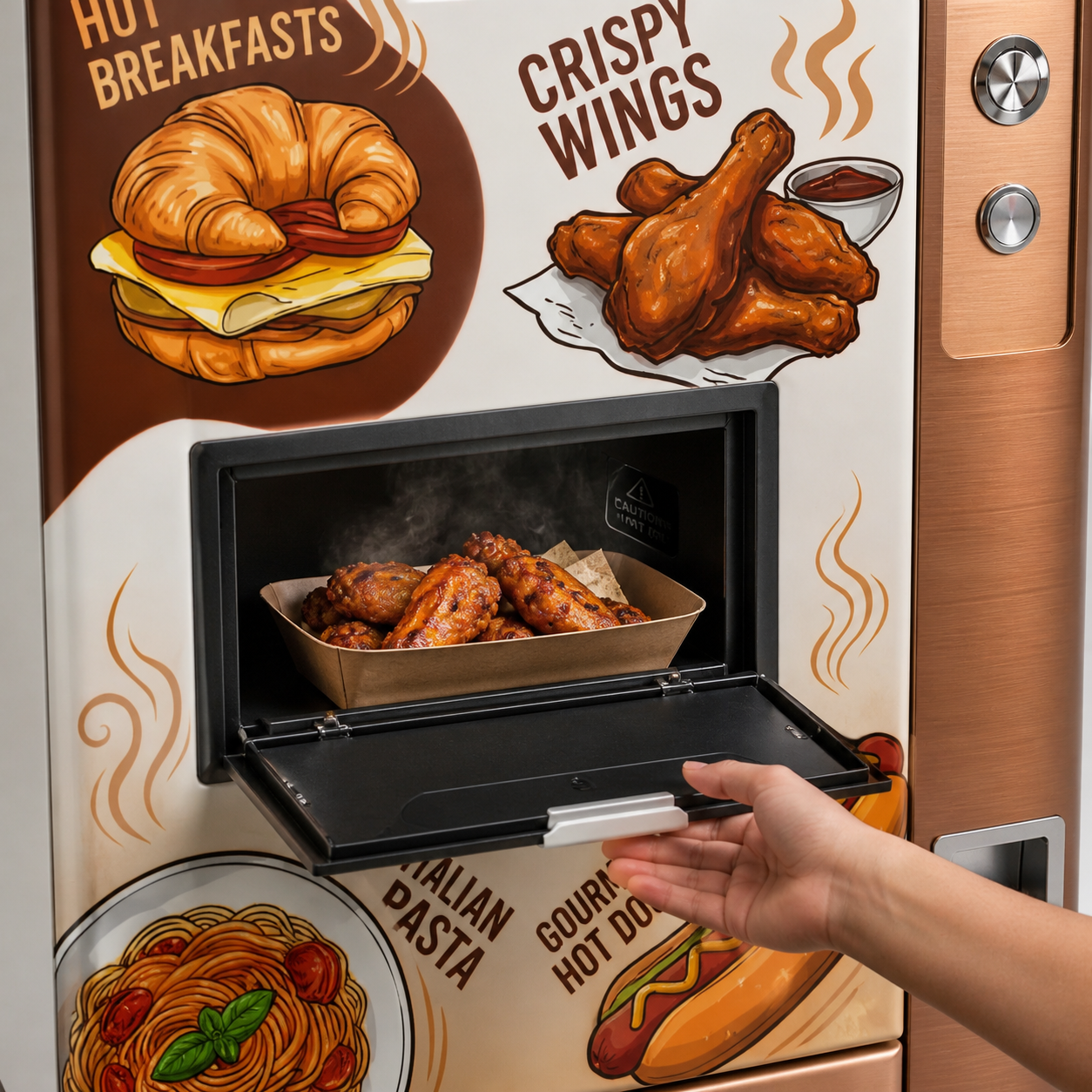
Product mix decides the rest. Margin varies widely by category, and most new operators over index on snacks because they are familiar. Beverage, coffee, and specialty categories usually carry better economics per slot.
The honest downside: vending needs real capital up front, and a bad location can take months to escape because you are committed to the equipment. It is the least liquid idea on this list. If you have limited capital, start with one of the digital options and come back to this.
Effort: Medium to create, low ongoing.
Reported range: $500 to $5,000 per month for sellers who have found a working niche. Most sellers earn far less.
Capital needed: Almost none.
Templates, planners, checklists, and spreadsheets sell repeatedly with no inventory and no shipping. AI design tools have removed most of the skill barrier, which is both the opportunity and the problem: the same tools have flooded every marketplace, so differentiation now comes from knowing a specific audience rather than from design quality.
The maths people quote is a $7 product selling five times a day reaching roughly $1,000 a month. That is achievable and it is not typical. Reaching five sales a day requires either an existing audience or sustained traffic work, and that part is not passive.
How to start: pick a niche you already understand, build three to five related products rather than one, list on Etsy or Gumroad, and treat the first six months as marketing rather than creation.
Effort: High to create, low ongoing.
Reported range: $300 to $8,000 per month, with enormous variance by topic and audience.
Capital needed: Low.
Short focused courses outperform long ones because completion rates are higher and refund rates are lower. Platforms handle hosting and payment, so once it is published the recurring work is limited to answering questions and refreshing content when something changes.
The uncomfortable truth is that course income tracks audience size almost perfectly. If you have no audience, the course is not the project. Building the audience is the project, and that takes a year or more.
Best fit for: people with genuine operational expertise in something specific, particularly practical trades and business operations where free content is thin.
Effort: Low to medium per piece, high in total.
Reported range: $200 to $6,000 per month depending on traffic and niche.
Capital needed: Low.
Recommending products you actually use, with tracked links, pays commission on each sale. Comparison content and specific buying guides convert far better than general reviews, because the reader is already close to a decision when they search that way.
Two realities worth knowing before you start. Search visibility takes six to twelve months to build even when the content is good, and disclosure of affiliate relationships is legally required in the United States under FTC guidance, not optional.
Effort: Low.
Reported range: $150 to $2,500 per month depending on the asset.
Capital needed: None if you already own the item.
Cars, camera gear, tools, trailers, and storage space all have established rental marketplaces now. A camera renting at $25 a day for twelve days a month is roughly $300, before wear and insurance.
This is the fastest idea on the list to start because you skip the acquisition step entirely. It is also the one most exposed to damage and liability, so check whether your existing insurance covers commercial use. Usually it does not.
Effort: Low.
Reported range: Varies entirely with capital invested and market performance.
Capital needed: High relative to income produced.
Dividend paying funds and automated investing apps distribute income without you managing anything. This is the most genuinely passive item here, and also the slowest, because returns are a percentage of what you put in rather than a return on effort.
Be realistic about scale. Producing $500 a month from dividends requires a substantial invested balance, which is why this works better as a destination for income from the other ideas than as a starting point on its own.
Markets fall as well as rise, past performance does not indicate future results, and none of this is financial advice. Talk to a qualified adviser before investing.
Effort: High and sustained.
Reported range: $200 to $10,000+ per month at scale. Most channels never reach monetisation thresholds.
Capital needed: Low.
Evergreen video keeps earning long after publication, which is what makes it semi passive eventually. The word eventually is doing a lot of work in that sentence. Monetisation requires meeting subscriber and watch hour thresholds first, and most people quit before reaching them.
Best fit for: topics where you can demonstrate something physical or explain something genuinely complicated, since those hold attention better than talking head content.
Effort: Low per upload.
Reported range: $50 to $1,000 per month for contributors with substantial libraries.
Capital needed: None beyond a phone.
Stock libraries pay per download, so income compounds with library size rather than with any single asset. Uploading in small batches weekly outperforms occasional large uploads, because platforms favour recent activity in their own search results.
Worth knowing that AI generated imagery has compressed pricing across the category, so this earns less per asset than it did three years ago. The categories that still hold value are ones that are hard to fake convincingly: real workplaces, real people, and specific equipment in use.
Several categories of passive income apps reduce the daily admin that kills most of these projects. Cloud dashboards for physical assets like vending machines, automated investing platforms with recurring deposits and dividend reinvestment, rental marketplaces that handle payment and insurance, and scheduling tools that queue content in advance.
The pattern across all of them is the same. They do not create income. They remove the operational friction that stops people continuing past month three, which is where most attempts fail.
No, and the distinction matters. Searches for passive income jobs usually mean flexible or remote work, which is still income traded for hours. Everything on this page is asset based instead: you build or buy something once, and it produces income independently of your time afterwards.
Flexible work is often the sensible way to fund the asset. It is not the same thing as owning it.
Most of these fail for the same reason, which is not the idea. It is stopping at month two.
Of all the passive income ideas 2026 has produced, the right one depends on which resource you have more of. If you have capital but limited time, a single vending machine in a validated location or a rental asset you already own will produce income fastest. If you have time but limited capital, digital products or affiliate content cost almost nothing to start, but take six to twelve months to produce meaningful income.
Digital products, affiliate content, stock photography, and YouTube can all be started for under $100. Vending requires meaningful equipment capital. Dividend investing produces income proportional to the amount invested, so it needs the most capital of all to generate a given monthly figure.
Semi passive is the accurate term. A machine sells without you present, but it needs restocking, occasional servicing, and cash flow management. With cloud monitoring, most operators spend a few hours per machine per month once a route is established. It is not zero, and anyone claiming otherwise has not run one.
For most people it does not, and treating that as the goal is how projects get abandoned. A more useful target is one meaningful bill covered by one income stream, then repeating that. Replacing a salary typically means either substantial capital or several years of compounding effort, and often both.
Starting several ideas at once, buying equipment before validating a location, expecting income inside 90 days, and underestimating tax. Passive income is still taxable income, and the reporting requirements differ by type, which is worth confirming with an accountant before you start rather than in April.
Passive income 2026 comes down to a single decision: pick one idea that matches the resource you actually have, commit to it for six months, and measure one number. Digital ideas suit people with time and expertise. Physical ideas like vending suit people with capital who want income that is not dependent on an algorithm or a platform's policy changes.
If vending is the direction you are considering, the guide to starting a vending business covers the sequence in detail, the ROI calculator will model a specific site before you spend anything, and the machine finder quiz narrows down which unit suits your location. For help building the business around it, VMarketed handles marketing for vending operators.
About this article. Written by the VMFS USA editorial team. VMFS USA supplies vending machines to operators across the United States, so the vending section reflects direct commercial experience and also a commercial interest, which readers should weigh. Income ranges are drawn from operator reporting, platform published figures, and our customer data where available. They are illustrative, not guaranteed. Nothing in this article is financial, tax, or legal advice.
Share:
How to Start a Vending Machine Business With No Money
How to Start a Vending Machine Business With No Money