




Design the perfect vending solution for your location and customers.

Join the VMFS newsletter and step into a thriving network dedicated to collective success.
One signup. Endless possibilities.
Fizzy drinks vending machines are still profitable in 2025, but the business model has evolved. Sugar reduction policies, workplace wellness programs, and consumer awareness have changed how carbonated beverages perform in vending. What has not changed is demand for carbonation. People still buy fizzy drinks during work breaks, long shifts, and between classes. The difference is which drinks they choose and where they expect to find them. Operators who adapt product mix, machine type, and location placement continue to earn consistent returns from drinks vending machines. Operators who do not often assume the category is declining when the real issue is outdated strategy.
Carbonated beverages remain one of the most consumed drink categories in the United States. Consumption has not stopped. It has shifted. Traditional full sugar soda no longer dominates every vending location. Zero sugar soda, sparkling water, and lightly flavored fizzy drinks now account for a growing share of sales. In vending environments, carbonation continues to serve a practical purpose. It delivers refreshment, flavor, and stimulation without preparation.
Fizzy drinks remain a core vending category. Machines underperform when assortments fail to evolve, not because carbonation has lost relevance.
The global carbonated soft drinks market in 2025 is valued between $430 billion and $450 billion. Growth is slower than in previous decades, but demand remains stable. In the United States, volume growth has flattened while value growth continues. This is driven by premium pricing on zero sugar and sparkling options. For vending operators, this stability matters. It supports long term investment in soda vending machines placed in reliable, high traffic locations.
Major beverage brands continue to invest in carbonation. Product development focuses on reformulation, not replacement.
Zero sugar fizzy drinks now represent more than half of total volume from major soda brands in the United States. This trend is especially visible in vending. In offices, hospitals, and campuses, zero sugar soda often outsells full sugar alternatives. In some locations, full sugar soda becomes a secondary offering. Reliable zero sugar soda brands for vending include:
Sugar free carbonated drinks are growing at an estimated 6 percent compound annual growth rate. This reflects sustained demand rather than short term preference. Zero sugar soda also plays a key role in healthy vending programs. It allows operators to offer carbonation while meeting nutrition guidelines. Machines that prioritize zero sugar options experience higher repeat purchases and stronger location retention.
Sparkling water has moved from optional to essential. In many vending locations, it is now one of the top selling beverage categories. The global sparkling water market is valued at approximately $48 billion in 2025 and is expected to more than double by 2032. In the United States, sparkling water demand is driven by wellness policies and consumer preference for sugar free hydration. Well performing sparkling water brands for vending include:
Sparkling water performs best in offices, gyms, hospitals, and universities. In these environments, operators often use a water bottle vending machine to support larger formats and reduce packaging damage. Treating sparkling water as a core offering increases total beverage sales by capturing consumers who skip soda but still want carbonation.
Sugar taxes and nutrition regulations have reshaped beverage formulation. They have not reduced interest in fizzy drinks. Manufacturers responded by reformulating products and expanding zero sugar lines. Carbonation remains central to brand identity.
Vending machines that adjust product mix remain compliant and profitable, even in regulated environments.
Location has a greater impact on fizzy drink performance than product alone. Carbonated beverages rely on repeat foot traffic. A clear location guide helps operators understand which environments support soda, sparkling water, or both.
Factories and warehouses deliver the highest fizzy drink volume. Workers operate on fixed schedules and prefer cold, stimulating beverages.
Offices show steady but selective purchasing behavior. Zero sugar soda and sparkling water dominate.
Hospitals and campuses operate under nutrition standards. These locations support consistent sales when assortments are compliant.
Smart location placement determines which fizzy drinks sell, not whether they sell.
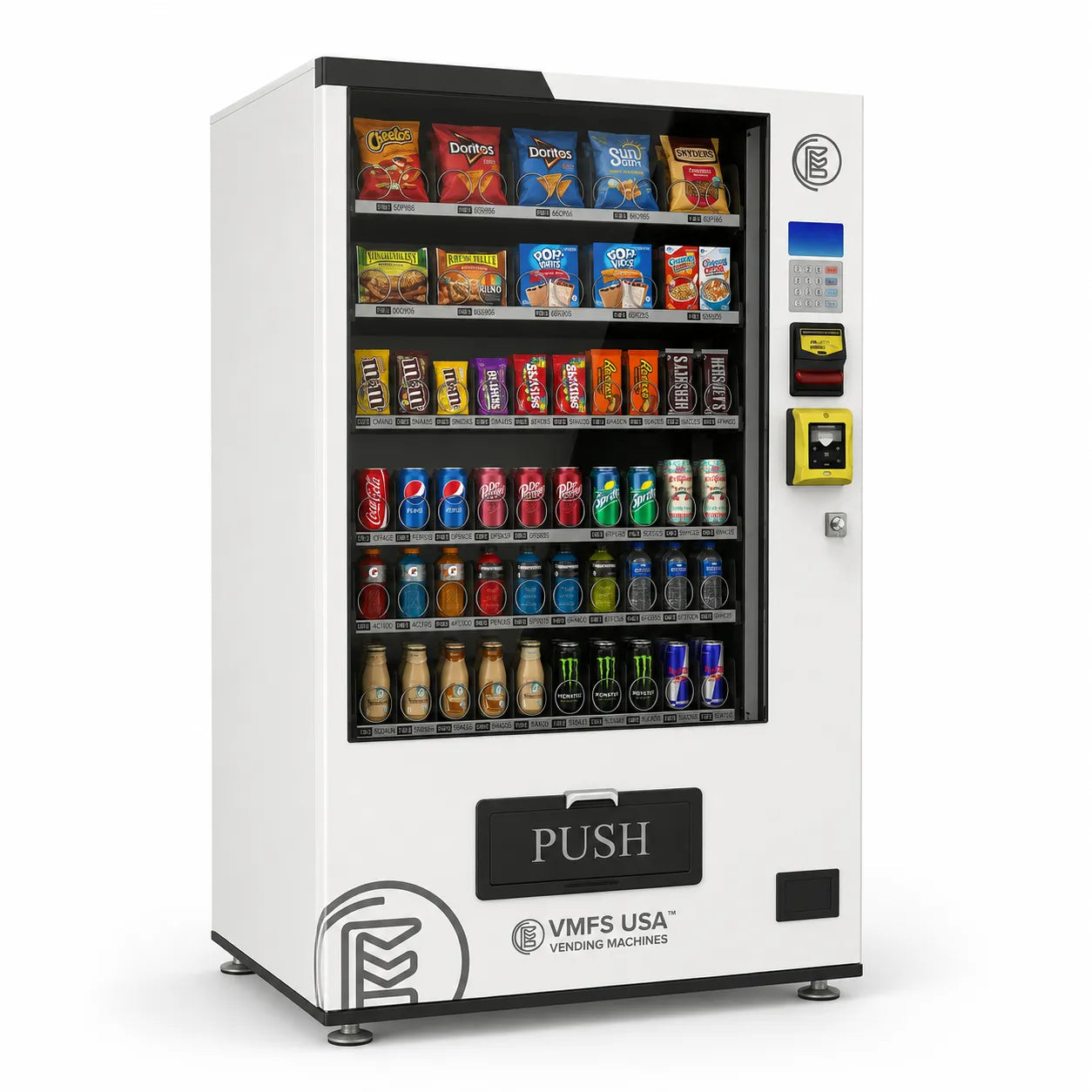
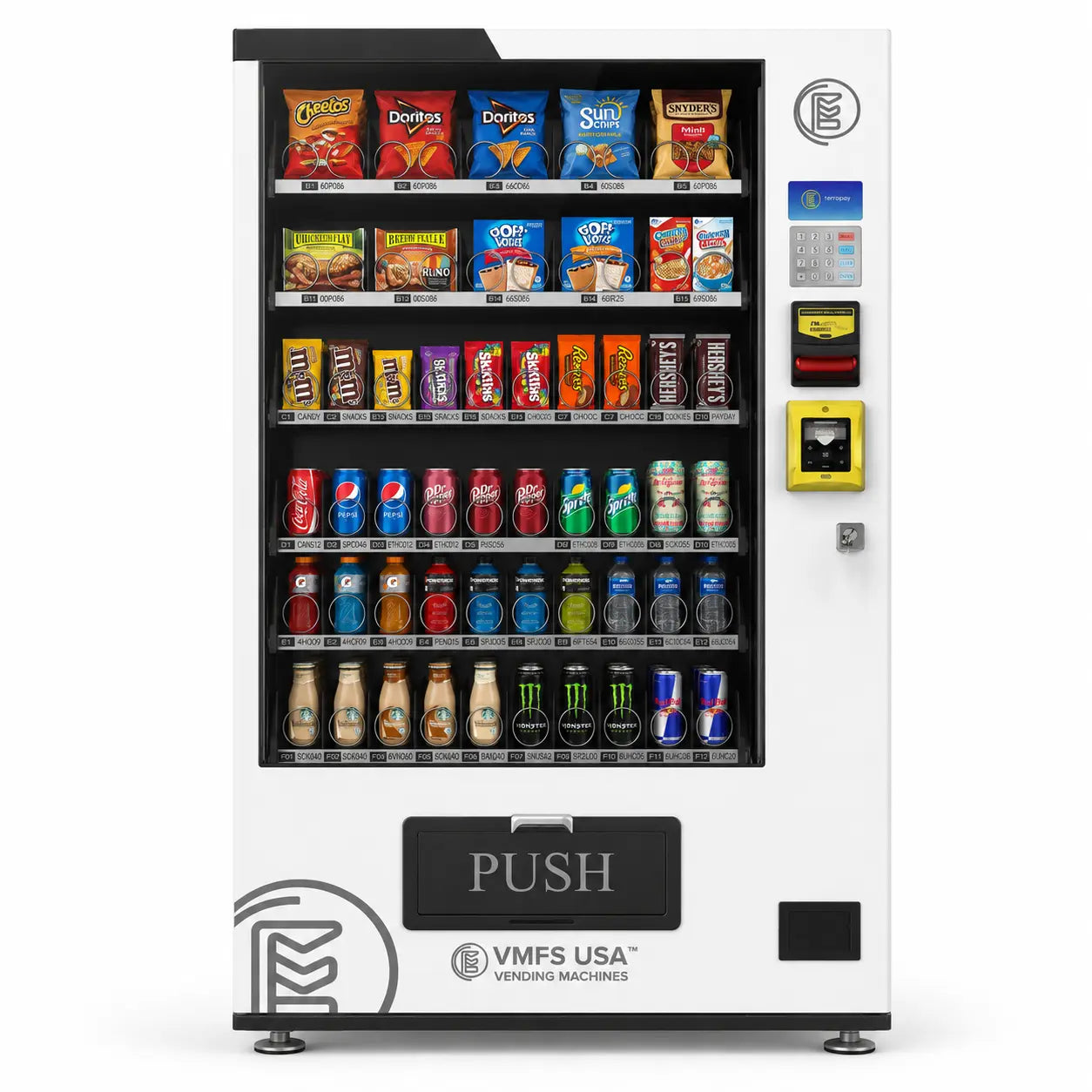
Machine selection affects capacity, visibility, and service efficiency.
Combo vending machines work well in locations with mixed demographics or limited space.
Dedicated drinks vending machines outperform in high volume beverage environments.
Higher capacity supports better assortment depth and fewer service visits.
Modern vending operations rely on data. Vending software allows operators to track performance by category and location.
Data driven decisions improve margins without relying on guesswork.
Profitability comes from alignment.
Operators who adapt continue to generate consistent revenue.
Fizzy drinks vending machines remain a reliable revenue category in 2025. Carbonation still drives impulse purchases across diverse environments. Profitability comes from adapting to consumer behavior, not abandoning soda. Operators who follow beverage data rather than headlines continue to succeed.
Share:
Dasani Vending Machine: Best Machine Type For Selling Bottled Water
Dasani Vending Machine: Best Machine Type For Selling Bottled Water