A Dasani vending machine is one of the most dependable ways to sell bottled water in commercial and public locations. Bottled water is a daily necessity product, not an impulse purchase. Because of that, the vending machine used to sell it must be chosen carefully. The wrong machine leads to bottle jams, temperature issues, frequent service calls, and lost revenue.
Dasani is commonly sold in 16.9 oz and 20 oz bottles, which are heavier and taller than canned beverages. These physical traits affect how the machine must be built, cooled, and configured. A vending machine that performs well for soda or snacks does not always perform well for bottled water.
This guide explains what type of vending machine works best for Dasani bottled water, how different machine styles compare, and how operators should think about capacity, location, and reliability when selecting equipment.
Choosing the Right Machine for a Dasani Vending Machine
A Dasani vending machine is not a special branded unit. It is any vending machine configured to vend Dasani bottled water safely, consistently, and at the right temperature. The machine choice matters because bottled water places different demands on vending equipment than snacks or lightweight drinks.
Water bottles weigh more than cans and require stronger vend motors to push the product forward without stalling. The bottle shape also requires proper shelf depth and guides so the bottle does not tip, spin, or double vend. If spacing is incorrect, labels can catch, bottles can fall early, or products can jam inside the machine.
Cooling is another critical factor. Bottled water needs to be cold, but not frozen. Machines designed for drinks use controlled airflow and larger compressors to keep consistent temperatures even when doors are opened often for restocking. Snack machines or older combo units often struggle to cool a full load of bottled water properly.
Demand also plays a role. Bottled water typically outsells most other vending products on a daily basis. High vend frequency means the machine must be reliable under constant use. Motors, delivery doors, and sensors experience more wear when water is the top seller.
For these reasons, operators usually rely on
modern vending machines built for beverages instead of adapting older equipment. Purpose-built
drinks vending machines reduce downtime, product loss, and customer complaints.
What Makes Dasani Bottled Water Different in Vending Machines
Dasani bottled water behaves differently inside a vending machine compared to soda or energy drinks. The most common bottle sizes are 16.9 oz and 20 oz, both made from lightweight plastic but filled with liquid that adds significant weight.
That weight affects how the bottle sits on the shelf and how much force is needed to vend it. Machines that are not designed for bottled water may use weaker motors intended for cans. Over time, these motors can fail or cause partial vends where the bottle does not fully drop.
Bottle height also matters. Many bottled water labels extend close to the cap and base. If shelf spacing is too tight, the label can rub against guides or the glass, increasing the chance of a jam. Adjustable shelves and proper bottle retainers are important for smooth vending.
Another difference is purchase behavior. Bottled water has one of the highest daily purchase frequencies in vending. In offices, hospitals, gyms, and warehouses, water often becomes the primary item employees buy every day. This creates faster inventory turnover than snacks or specialty drinks.
A
bottled water vending machine must handle frequent door openings for restocking and constant customer use without losing temperature control or mechanical alignment. Machines built specifically for drinks are engineered for this level of activity.
Standard Beverage Vending Machines for Dasani Bottled Water
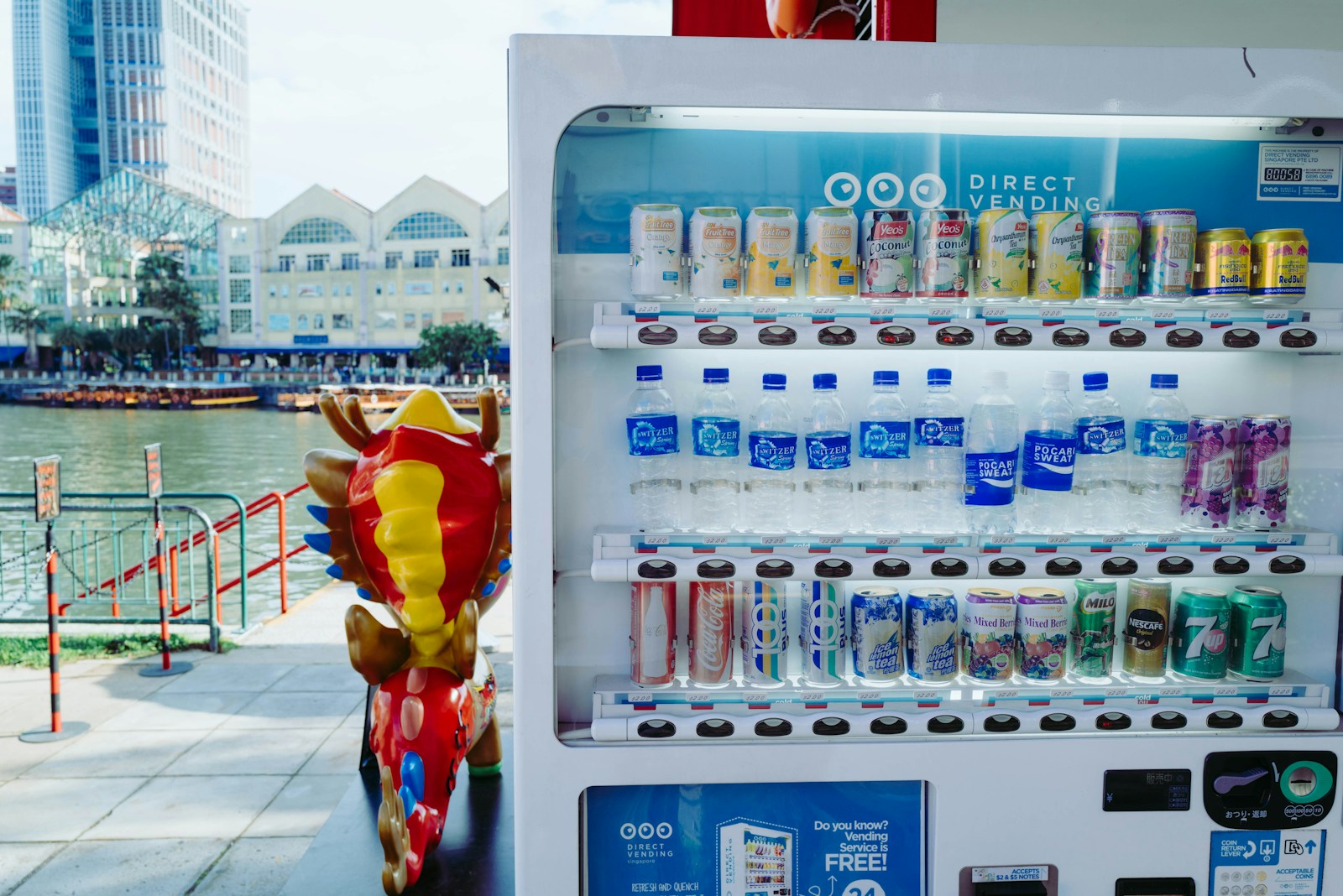
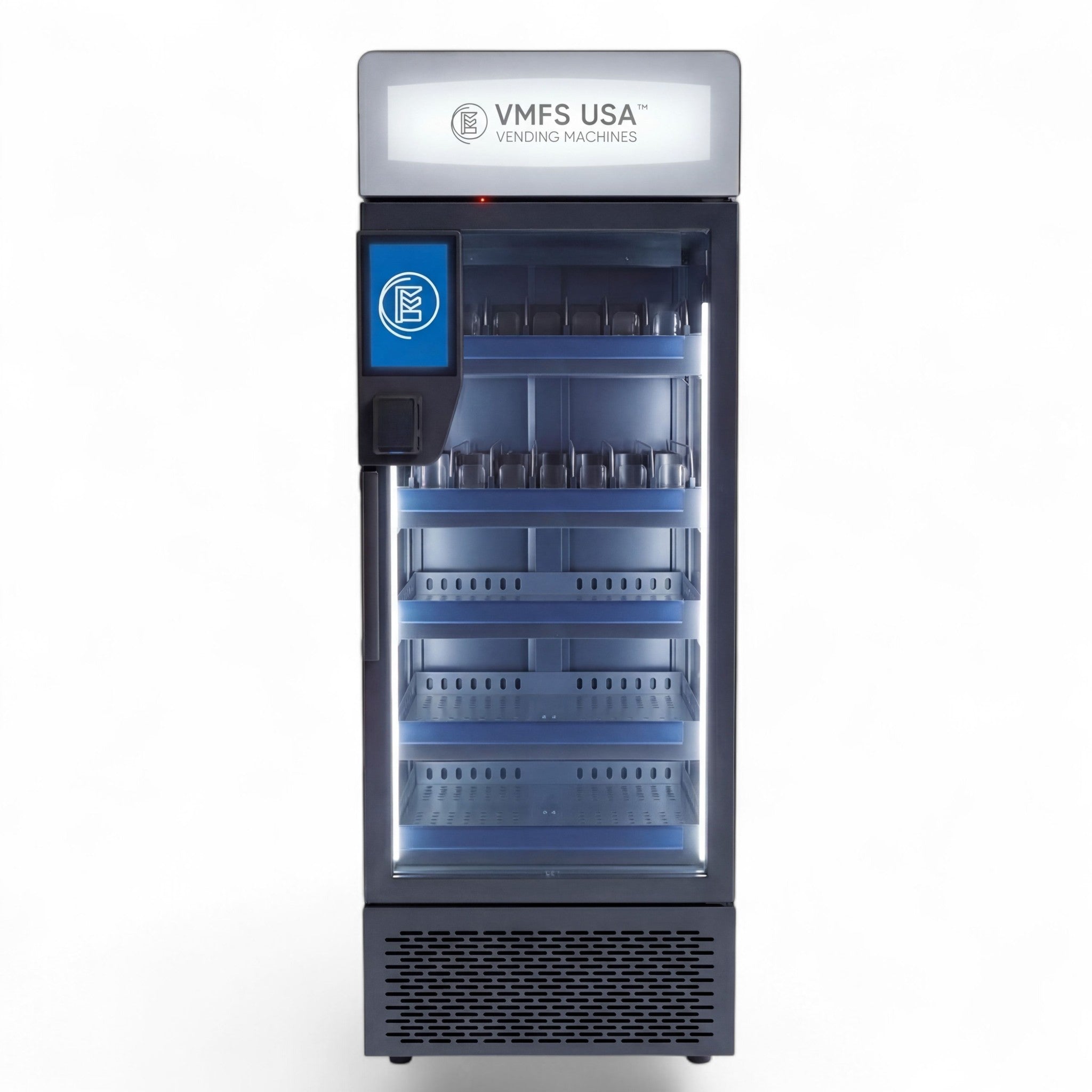
A standard beverage vending machine is the most reliable and widely used option for selling Dasani bottled water. These machines are designed from the ground up to vend bottled and canned drinks, using reinforced components and cooling systems.
Most beverage vending machines use vertical columns or deep adjustable shelves that support the full weight of bottled water. Vend motors are stronger and designed to handle continuous use without overheating or stalling. Bottle guides keep products aligned so they fall cleanly into the delivery bin.
Cooling systems in beverage machines are sized to maintain consistent temperatures across all selections. This is important for water because customers expect cold water at any time of day, even in high-traffic locations where the door opens often.
Another advantage is capacity. Beverage vending machines can dedicate multiple columns to bottled water, reducing the risk of sell-outs between service visits. Operators can load multiple rows of Dasani bottles, which is especially useful in locations with high foot traffic.
Standard beverage machines fit best in offices, hospitals, schools, manufacturing plants, warehouses, and large retail break areas. These locations typically have enough space and demand to justify a full-size unit.
Most modern beverage machines also support flexible upgrades. Operators can add cashless readers, mobile wallet support, and telemetry systems through compatible
payment systems. This flexibility makes
drinks vending machines a long-term solution for bottled water sales.
Combo Vending Machines for Dasani Bottled Water
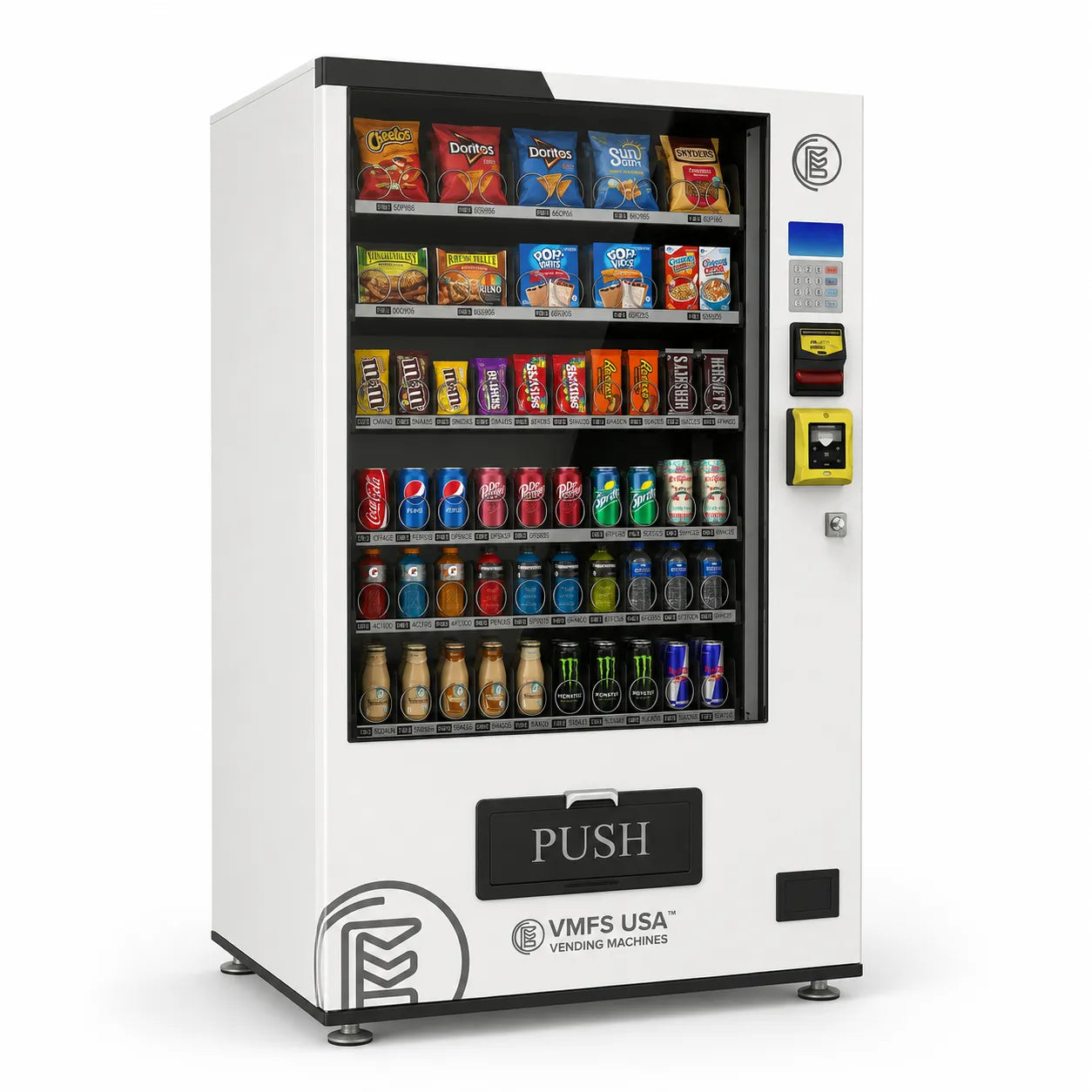
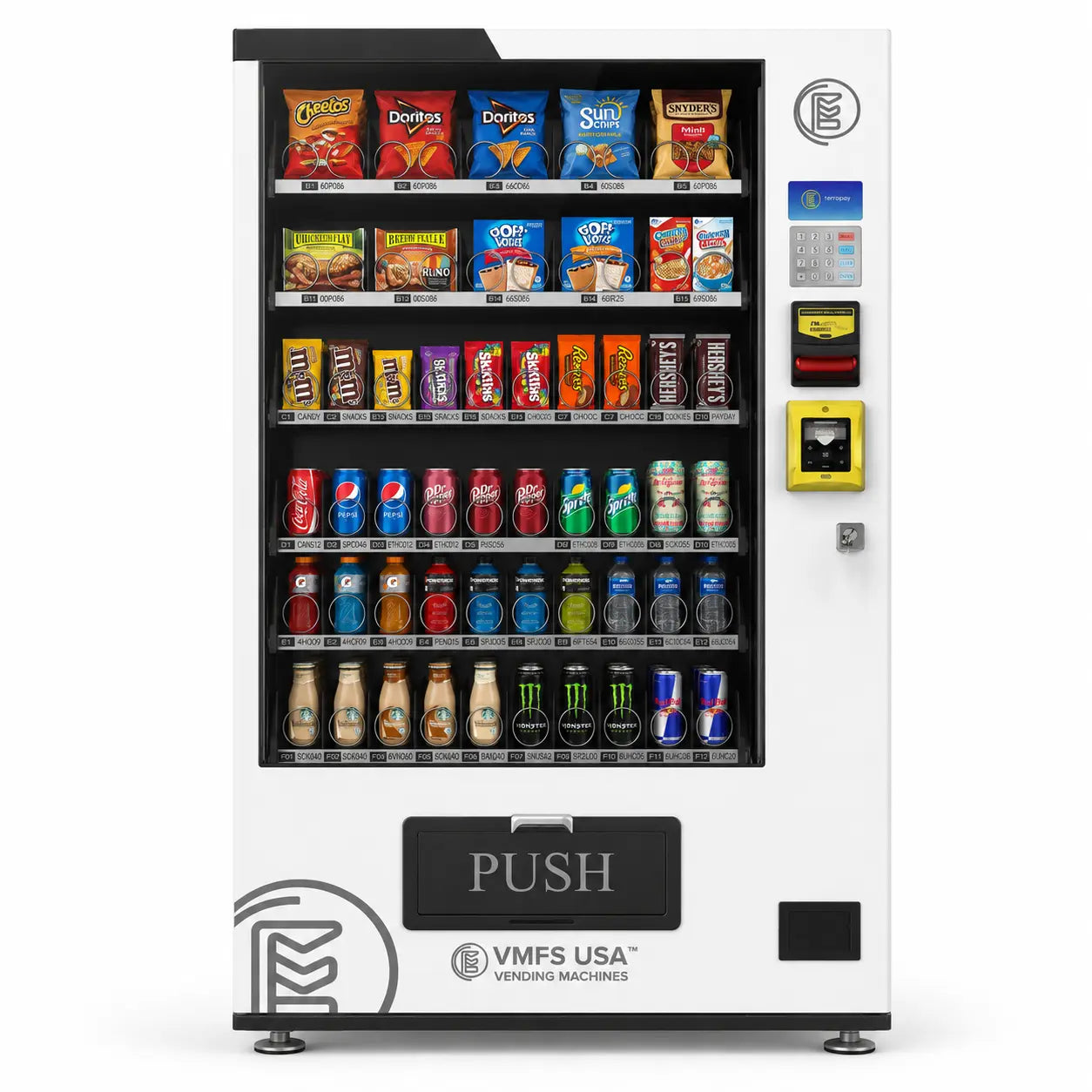
Combo vending machines combine snacks and drinks in a single cabinet. While they can vend Dasani bottled water, they are best suited for specific situations rather than high-volume water sales.
The main advantage of a combo machine is space efficiency. In small offices, break rooms, or locations with limited floor space, a single machine can offer both snacks and drinks. This can be useful when a full-size beverage machine will not fit.
However, combo machines have lower drink capacity. Fewer selections are available for bottled water, which means faster sell-outs if water demand increases. Restocking must happen more frequently, especially if Dasani becomes the top-selling item.
Cooling systems in combo machines are usually smaller than those in full beverage machines. While they can keep water cold, they may struggle during peak usage or in warmer environments.
Combo machines work best in locations with moderate water demand, such as small offices, auto shops, or staff rooms with limited foot traffic. They are not ideal for gyms, hospitals, or warehouses where bottled water sales are constant.
Operators considering
combo vending machines for Dasani should evaluate sales volume carefully to avoid frequent service calls and lost sales.
Smart Vending Machines for Dasani Bottled Water
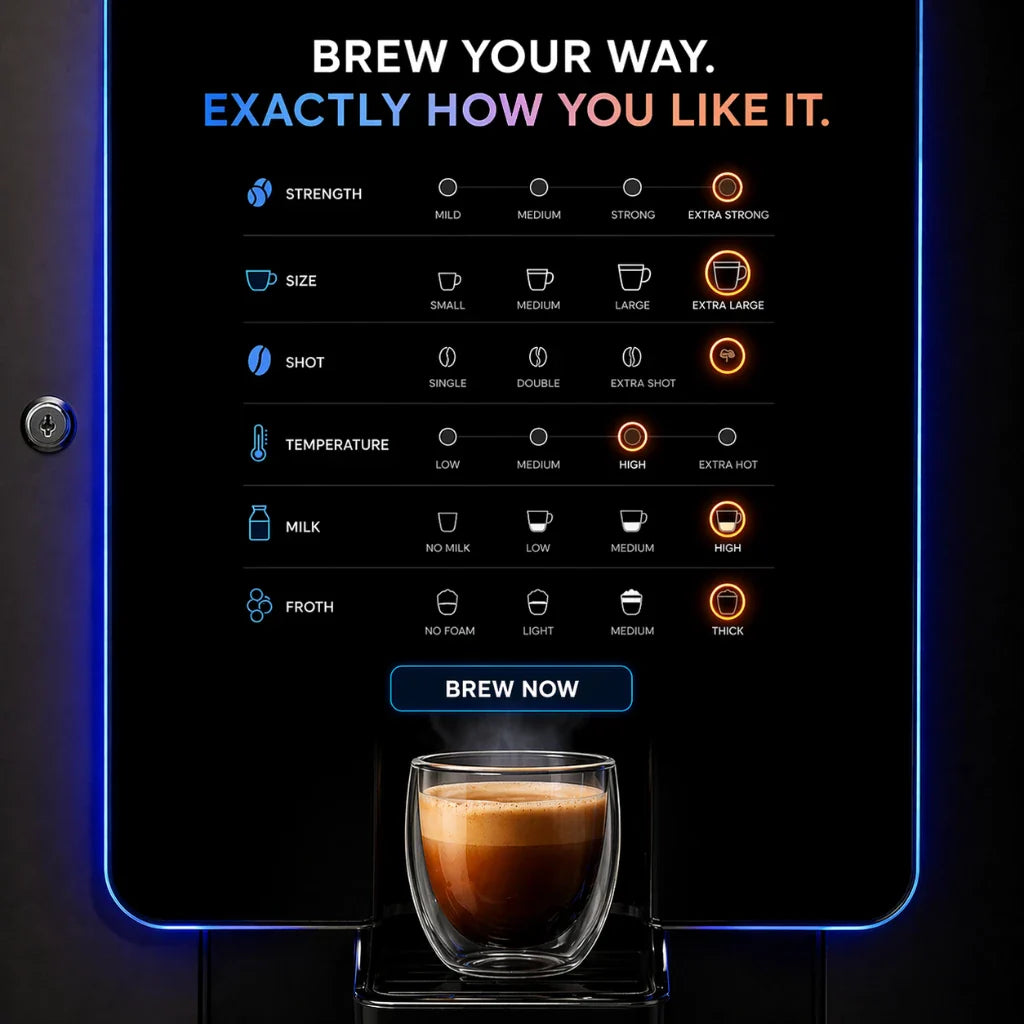
Smart vending machines help operators manage Dasani bottled water sales with more accuracy and less manual work. These machines combine standard beverage vending hardware with built-in connectivity and management software.
Bottled water sells faster than most vending products, which makes inventory visibility critical. Smart vending machines track real-time sales and show exact product counts by column. Operators no longer guess when water will run out or rely on fixed restocking schedules.
Remote monitoring also improves machine reliability. When a motor stalls, a temperature issue develops, or a payment error occurs, the system sends an alert. Operators can respond before customers encounter problems. This proactive approach reduces downtime and protects daily water sales.
Managing multiple Dasani vending machine locations becomes easier with centralized dashboards. Operators can view sales performance, inventory levels, and machine status across all locations from one interface. This setup saves time and reduces unnecessary service visits.
Operators who plan to grow their routes often choose
smart vending machines connected through
cloud software to maintain consistent control as operations scale.
Machine Size and Configuration Considerations
Machine size and internal configuration play a direct role in how well a Dasani vending machine performs over time. Bottled water places specific physical demands on vending equipment, so operators must choose a machine layout that supports consistent vending and efficient restocking.
Shelf spacing matters first. Dasani bottles in 16.9 oz and 20 oz sizes need enough vertical and horizontal clearance to move forward smoothly during a vend. Tight spacing increases friction, which leads to labels catching, bottles tipping, or products failing to drop. Adjustable shelves allow operators to fine-tune spacing as bottle sizes or brands change.
Shelf depth also affects performance. Bottled water weighs more than canned drinks, so shallow shelves increase stress on vend motors. Deeper shelves distribute weight more evenly and reduce long-term wear on internal components. Machines designed with bottled water in mind use reinforced shelf brackets and guides to keep products aligned.
The number of drink selections determines how often operators must restock. Locations with high daily traffic benefit from multiple water columns rather than a single selection. When Dasani sells out early, the machine loses its top-performing product for the rest of the day.
Restocking frequency planning should match real demand. Offices with steady foot traffic may need service several times per week, while gyms and warehouses often require more frequent refills. Larger machines with higher water capacity reduce labor costs by spacing out service visits.
Some operators choose
custom vending machines to optimize layout for bottled water-heavy locations. Custom configurations allow more water selections, deeper shelves, or simplified product mixes that match customer behavior. This approach works well in environments where bottled water consistently outsells other drinks.
When operators align machine size, shelf configuration, and capacity with actual sales patterns, they reduce jams, prevent sell-outs, and improve long-term reliability.
Best Locations for Each Dasani Vending Machine Type
Location type directly affects which Dasani vending machine performs best. Each environment creates different demand patterns, space limitations, and service expectations.
Office locations vary widely. Small offices often perform well with
combo machines or compact
beverage machines. Larger office buildings usually need full-size beverage machines with multiple water selections to handle steady daily demand.
Gyms generate high bottled water sales throughout the day. Members buy water before workouts, during training sessions, and after exercise. Beverage-only machines work best in these environments because they offer higher capacity and faster restocking cycles.
Schools and hospitals require dependable machines that vend consistently and maintain safe temperatures. Beverage machines with simple layouts and strong cooling systems support continuous use without frequent service issues.
Warehouses and manufacturing facilities experience sharp demand spikes during breaks and shift changes. High-capacity beverage machines handle these surges without emptying quickly.
Successful operators focus on accurate
location matching instead of forcing a single machine type into every site.
Refurbished vs Modern Machines for Dasani Vending
Operators often compare refurbished machines and newer models when setting up a Dasani vending machine. Both options can work, but performance depends on build quality and configuration.
Refurbished machines can handle bottled water if technicians upgrade vend motors, cooling systems, and delivery components. Older machines may require closer monitoring when water becomes the top-selling product.
Modern vending machines offer stronger motors, improved cooling efficiency, and better temperature consistency. These features support heavy bottled water use with fewer adjustments.
Energy efficiency also favors newer machines. Modern compressors and insulation reduce power usage while maintaining cold temperatures. Over time, lower energy consumption reduces operating costs.
Maintenance expectations differ as well. Modern machines use standardized parts and clearer diagnostics, which simplify repairs. Some operators choose
modern vending machines combined with flexible
financing services to balance upfront cost with long-term reliability.
Operational Tips for Running a Dasani Vending Machine
Strong equipment selection supports bottled water sales, but daily operation determines long-term success. Operators should monitor inventory levels, pricing, and service schedules actively.
Pricing should reflect location traffic and buying habits. High-demand locations often support slightly higher prices, while office environments perform better with competitive pricing and higher volume.
Routine cleaning keeps machines professional and reliable. While water leaves minimal residue, dust and debris still collect inside cabinets and delivery bins. Regular cleaning prevents customer complaints.
Weekly sales reviews help operators spot trends. If Dasani consistently sells out before restocking, adding more water selections or upgrading machine capacity increases revenue without adding new locations.
Conclusion: Choosing the Right Dasani Vending Machine
The right Dasani vending machine depends on location size, daily demand, and service capacity. Beverage machines handle high-volume water sales best.
Combo machines fit smaller spaces with moderate demand. Smart machines support operators managing multiple locations.
When operators match machine type, configuration, and capacity to real-world usage, bottled water sales remain steady, machines run smoothly, and service time stays under control.




Share:
Are Fizzy Drinks Vending Machines Still Profitable in 2025?
Are Fizzy Drinks Vending Machines Still Profitable in 2025?