



Design the perfect vending solution for your location and customers.

Sales, inventory and alerts for your whole route, from one machine to a fleet.
Answer a few questions about your location, products and budget and get a shortlist.
Estimate revenue, payback period and margin before you buy.
Sales, setup help, warranty and parts from the VMFS USA team.
Join the VMFS newsletter and step into a thriving network dedicated to collective success.
One signup. Endless possibilities.
A vending machine permit in Arizona is not issued as one single statewide permit that applies to every operator. Arizona regulates vending through a layered system. Most vending businesses comply through state tax registration, local city or town rules, and county health approvals when regulated food is involved.
Requirements depend on what the machine sells and where it operates. Packaged snack vending often follows a simpler path. Food and beverage vending that involves temperature control or preparation faces more oversight. Understanding these differences helps operators avoid delays and compliance issues.
For a broader breakdown of licensing and compliance expenses nationwide, operators can reference this vending machine permit cost guide.
Arizona does not issue a universal vending permit that covers every business. Instead, vending operators meet requirements through a combination of state registration, local rules, and food permits when applicable. Many operators use the word “permit” to describe all of these steps together.
Two factors decide which approvals apply to a vending machine business in Arizona.
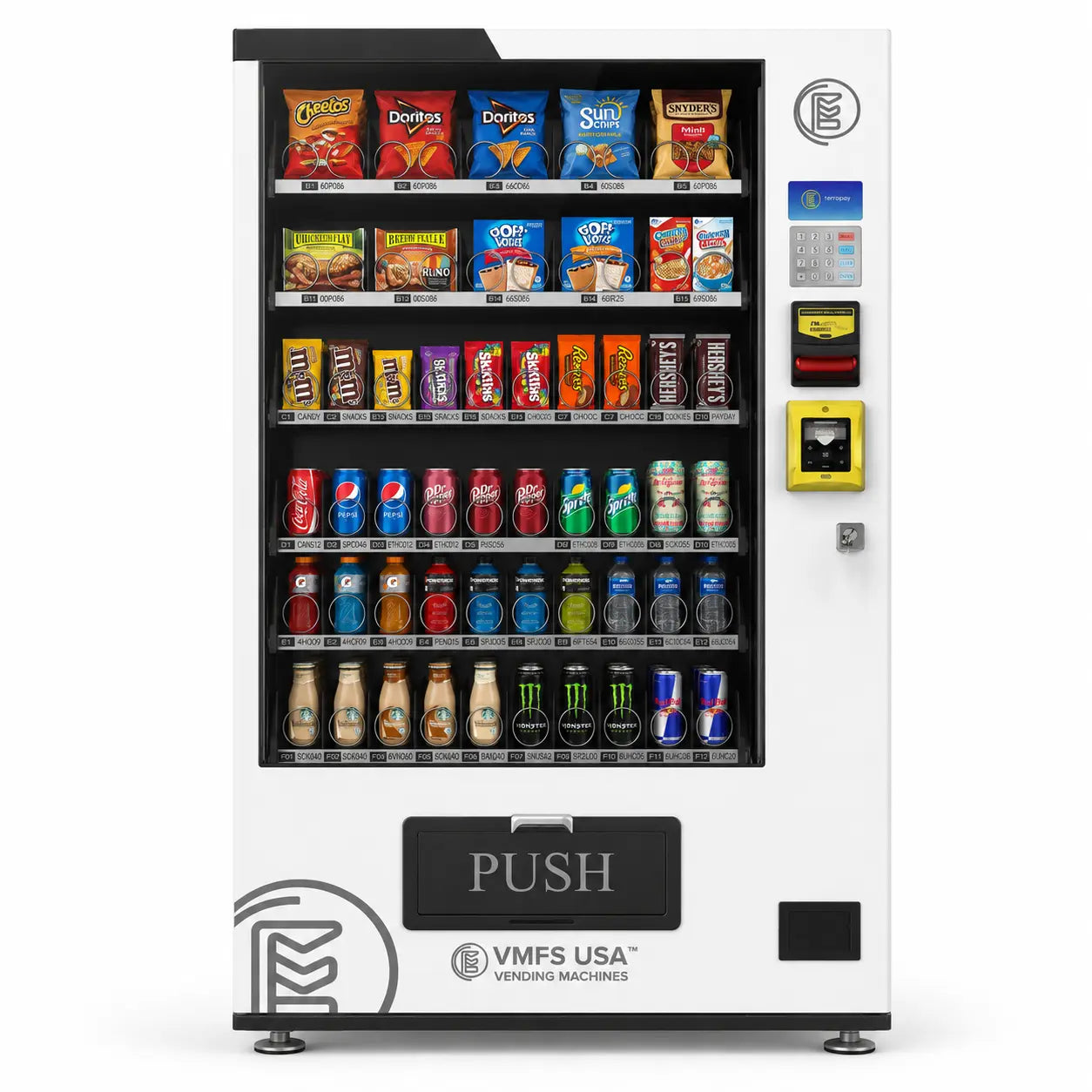
Machines that sell sealed, shelf-stable products usually face fewer regulatory steps. Machines that sell food requiring refrigeration, heating, or preparation face additional review.
Most vending operators in Arizona must register for Transaction Privilege Tax purposes. Arizona treats vending sales as taxable retail activity in many situations. Operators use this registration to report and pay applicable state and local taxes.
The state charges a modest fee per location for this registration. Operators should complete this step before placing machines or signing location agreements.
Vending machines that sell regulated food often require approval from county environmental health departments. This oversight applies when machines store, refrigerate, freeze, heat, or prepare food.
Machines selling meals, perishable items, or prepared drinks usually fall into this category. Operators planning to run food vending machines should expect inspections and ongoing compliance obligations.
Arizona allows strong local control over vending activity. Cities and towns set their own rules for vending machines placed within their boundaries.
Some cities do not issue a general vending license but still enforce zoning, placement rules, or special permits for public spaces. Other cities charge annual fees for vending machines or apply per-machine taxes. Because of this variation, operators must confirm local rules for each placement.
The key point is clear. Most Arizona vending operators need state-level tax registration. Many locations add city or county requirements based on product type and placement. Confirming requirements before installation helps prevent fines, forced removal, and costly delays.
Every vending machine business operating in Arizona must meet state-level requirements before placing machines. Arizona does not issue a traditional statewide vending license. Instead, the state regulates vending through tax registration and business setup rules that apply to retail activity.
These requirements apply regardless of how many machines you operate. They also apply whether machines sell snacks, drinks, or regulated food. State approval is the foundation for all local and county-level compliance.
Arizona requires most vending machine operators to obtain a Transaction Privilege Tax license. This registration allows the state to track taxable sales and collect applicable taxes. Unlike a sales tax license in other states, Arizona places the tax obligation on the business rather than the customer.
Vending machine sales often qualify as retail activity under Arizona tax law. Because of this, operators must register before collecting revenue from machines.
This license does not replace local approvals or health permits. It serves as the state-level requirement that allows vending activity to begin legally.
Before applying for the Arizona TPT license, operators must establish their business properly. Most vending businesses operate as limited liability companies, although other structures are allowed.
The EIN is required for tax registration, banking, and most local licensing applications. Completing these steps early prevents delays later in the process.
Operators apply for the Arizona TPT license through the state’s online tax registration system. The application requests basic business details, ownership information, and the locations where vending activity will occur.
Applicants must list the cities or towns where machines operate. This information helps apply correct local tax reporting requirements.
Approval often occurs quickly once the application is complete. Operators should keep their license number on file and make it available when requested by city officials or property owners.
Arizona charges a low fee for TPT registration.
Operating with an inactive or expired registration can lead to penalties or interruptions. Operators should track renewal deadlines carefully, especially when expanding into new cities.
The Arizona TPT license does not replace local or county approvals. Even with state registration in place, vending operators may still need:
Because Arizona relies heavily on local control, operators should treat state registration as the first step, not the final approval.
After completing state registration, vending machine operators in Arizona must review city and town requirements. Arizona allows strong local control over business activity. Because of this, vending rules can change from one city to another.
Some cities require only state-level registration. Others enforce local business licenses, vending permits, or zoning approval. Operators should confirm local rules before placing a machine.
Cities and towns in Arizona have the authority to regulate vending machines operating within their boundaries. This authority applies to machines placed inside private buildings, on commercial property, or in public spaces.
Local approval may be required even when state registration is active.
Large cities often apply different rules based on how and where vending machines operate.
Phoenix does not issue a general vending machine license for indoor placements. However, the city enforces zoning, placement rules, and special permits for vending activity in public areas. Operators should confirm requirements when machines operate on city property or in regulated zones.
Tucson applies an annual tax to certain vending machines. This tax can function like a local licensing requirement and may apply per machine in some categories.
Other cities, including Mesa, Scottsdale, and Chandler, may require a general business license or registration. Requirements often depend on whether the vending machine operates indoors or in public-facing areas.
Local licensing fees vary by city and town.
Typical local costs: $25 to $200+ per year. Processing times often range from a few days to several weeks.
Before installing a vending machine, contact the city clerk or business licensing office for the machine’s location. Confirm the following before placement:
Confirming local rules early prevents enforcement issues and protects relationships with property owners.
Food and beverage vending in Arizona follows different rules than standard packaged vending. When vending machines sell food or drinks that require temperature control or preparation, operators must comply with county health regulations.
County environmental health departments oversee food safety and decide when permits and inspections apply.
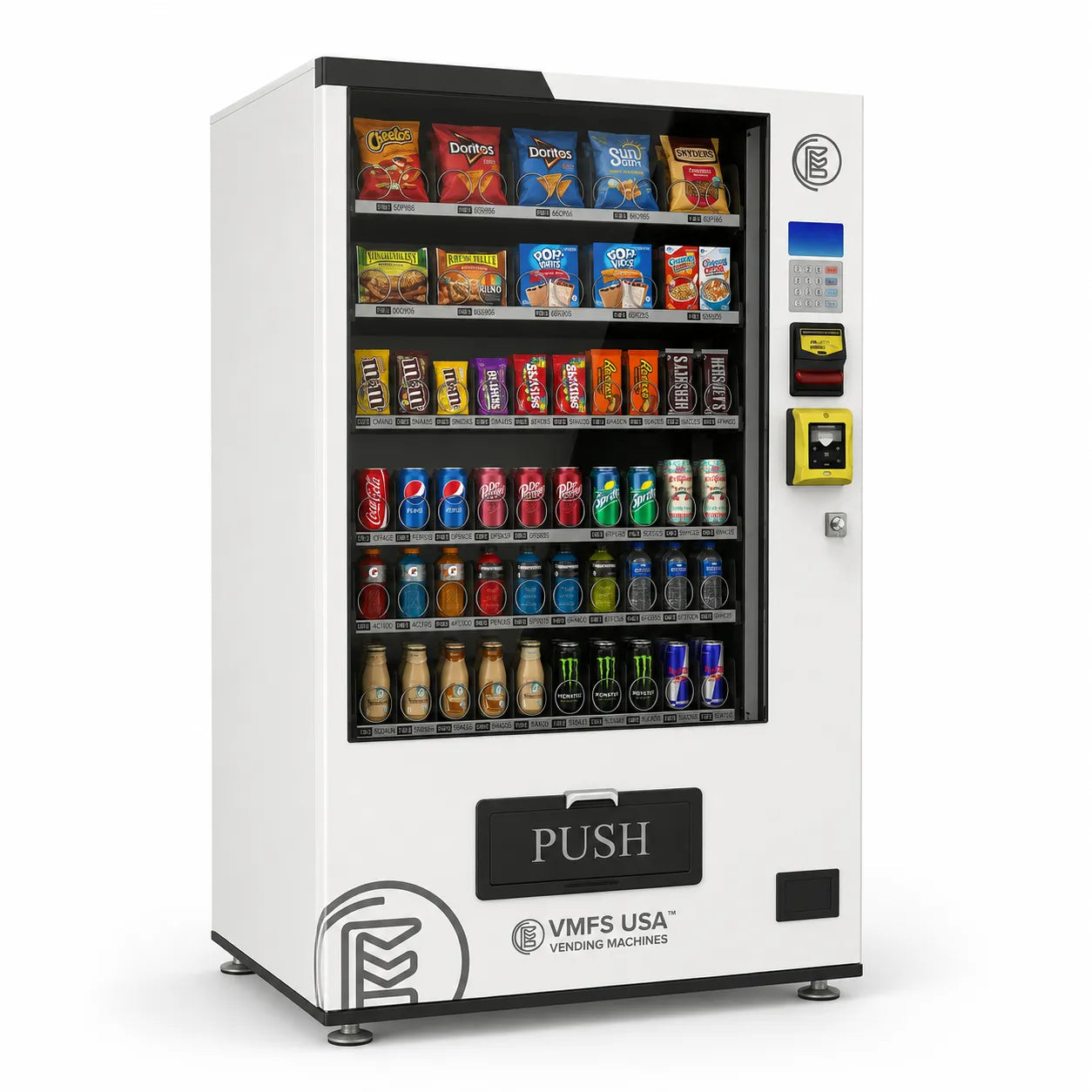
Most vending machines that sell sealed, shelf-stable products do not require health department approval.
In these cases, operators usually need only state registration and any required local license.
Health permits apply when vending machines sell food that must remain hot, cold, frozen, or prepared inside the machine.
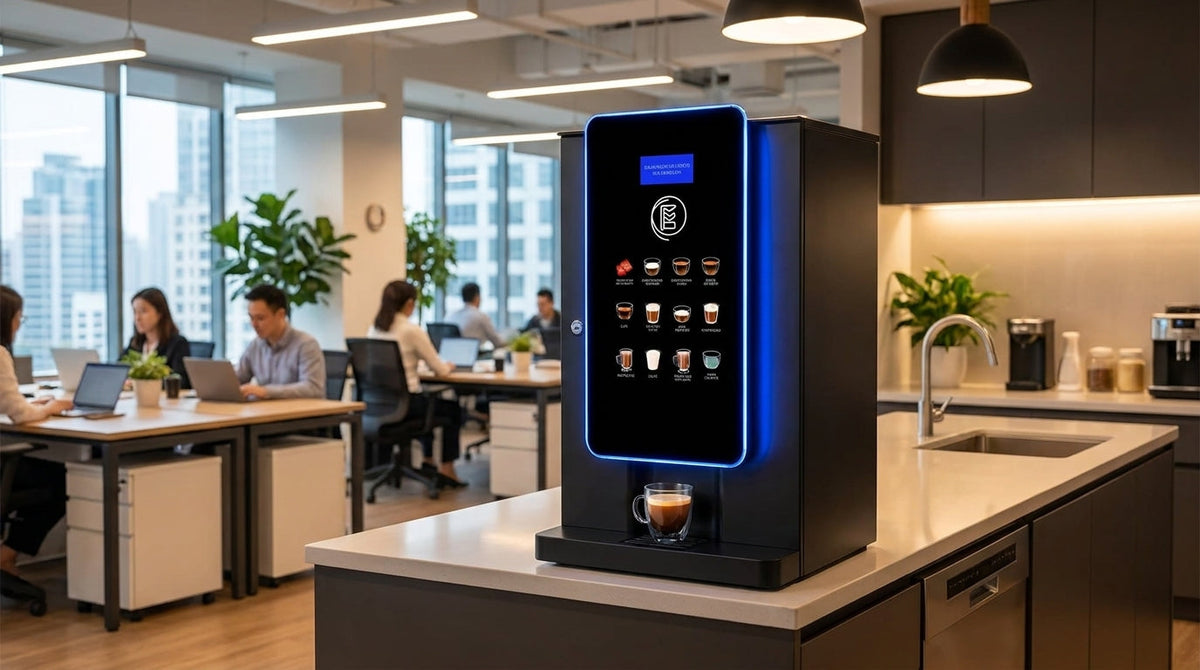
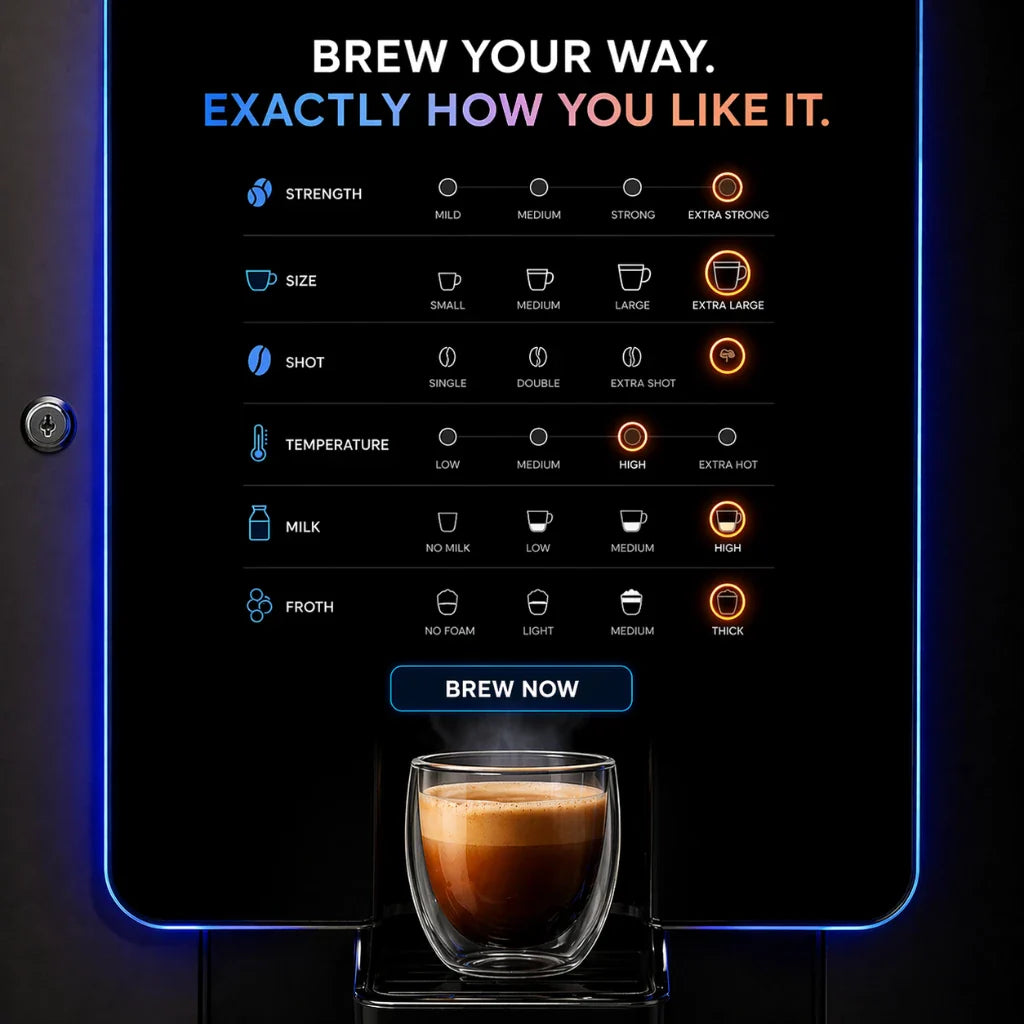
Machines that prepare beverages often trigger health review. For example, Coffee vending machines often require approval because sanitation and temperature control matter.
County health approval usually involves an application and inspection. Operators submit information about the machine, the food sold, and how the machine maintains safe temperatures.
Health permit costs vary by county and food risk level.
Machines selling only sealed, shelf-stable products usually avoid these costs.
Arizona vending compliance works best when completed in a clear order. Following these steps helps operators avoid delays, rejections, and unexpected fees.
The EIN is required for tax registration and most local applications.
Typical local costs: $25 to $200+ per year, depending on the city.
Once approvals are in place, install machines and begin operation. Keep licenses available for inspection. Property owners often request proof of compliance.
| Step | Typical Timeframe |
|---|---|
| Federal EIN | Same day |
| Arizona TPT License | 1–3 business days |
| Local City/Town Approval | Several days to a few weeks |
| County Health Permit (If Required) | 1–4 weeks |
The cost of a vending machine permit in Arizona depends on what you sell and where your machines operate. Arizona does not charge one flat statewide vending permit fee. Instead, operators pay a mix of state registration fees, optional county health permit costs, and city or town charges.
| Requirement | Issued By | Estimated Cost | Renewal |
|---|---|---|---|
| Arizona TPT License | State of Arizona | $12 per location | Ongoing |
| City or Town License | Local government | $25 – $200+ | Annual |
| County Health Permit (If Required) | County Health Dept. | $75 – $300+ | Annual or periodic |
Machine selection affects approval speed, operating cost, and compliance in Arizona. Machines that sell sealed, shelf-stable products usually face fewer regulatory steps. Machines that prepare or temperature-control food require more permits and inspections.
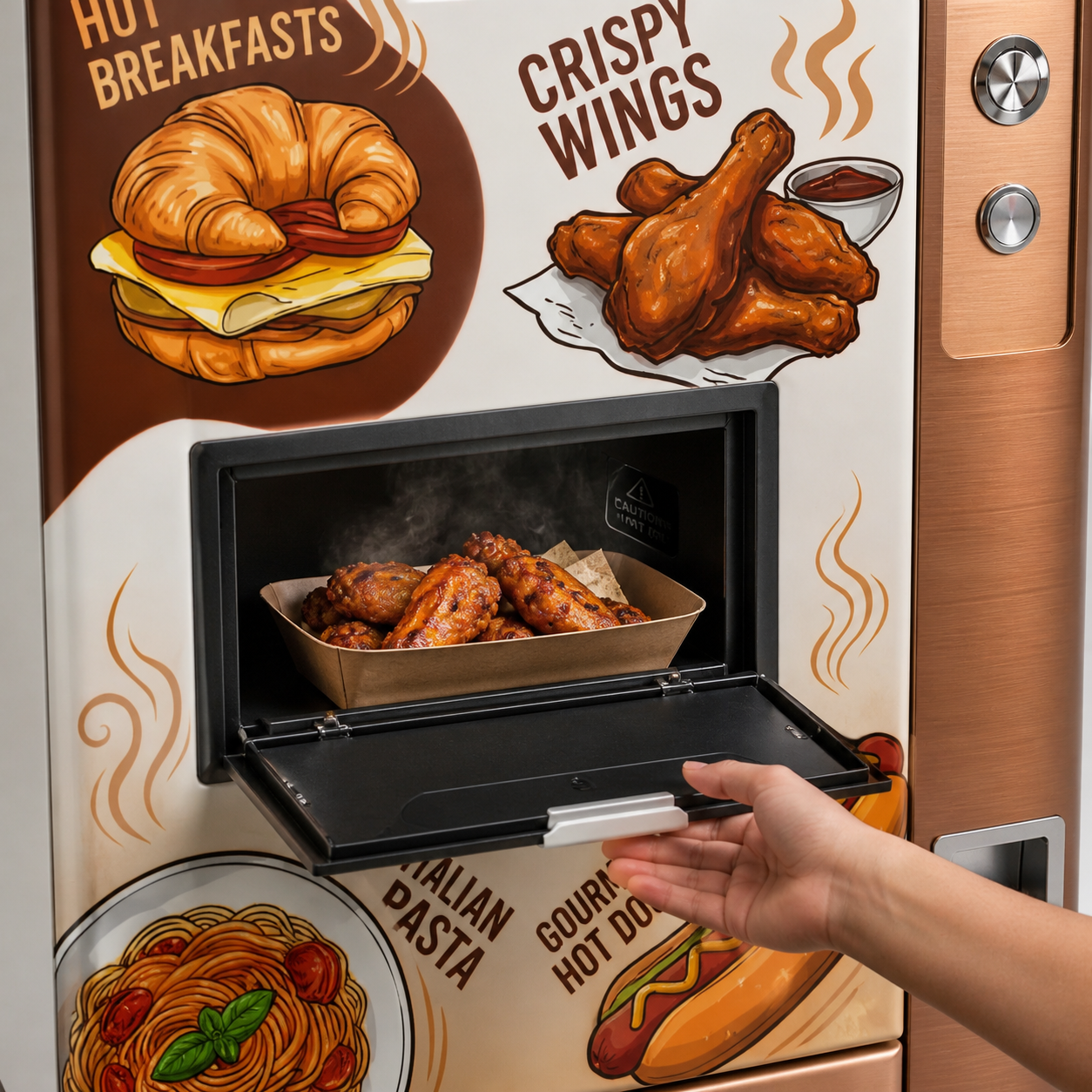
Food and specialty vending machines face higher regulatory oversight in Arizona. When machines store, heat, freeze, or prepare food, operators must comply with county health rules. These machines usually require permits, inspections, and ongoing compliance.
Location choice affects both revenue and compliance. In Arizona, indoor, high-traffic locations usually offer the fastest approvals and the fewest permit issues.
Property owners often prefer machines selling packaged products because approvals are simpler. Many request proof of state registration, local compliance, and insurance before installation.
Outdoor and public-space locations often require extra permits and higher fees. Indoor placements usually provide the best balance of compliance speed and consistent sales.
Operating a vending machine business in Arizona requires attention to state registration, local rules, and food safety permits. Most operators need a TPT license. Some locations add city fees or zoning rules. Food and specialty vending machines often require county health approval.
Operators who focus on packaged products, indoor locations, and early compliance usually face lower costs and faster approvals. Confirming requirements before installation helps build a stable and profitable vending operation across Arizona.

Share:
How To Start A Vending Machine Business In Arkansas
How To Start A Vending Machine Business In Arkansas