Starting a vending machine business in Arkansas involves forming a legal business entity, obtaining an EIN, and registering for Arkansas tax accounts that apply to vending sales. Operators must also secure any required city or county licenses and health permits when selling regulated food items. Arkansas offers steady demand through manufacturing, healthcare, education, and logistics facilities spread across metro and regional markets. Success depends on securing
high-traffic locations, choosing reliable machines with cashless payment options, and maintaining consistent service. With proper planning and compliance, vending can generate predictable income across Arkansas’s urban and suburban markets.
How To Start A Vending Machine Business In Arkansas
Starting a vending machine business in Arkansas offers a practical path for operators who want steady income and scalable growth. Arkansas has a strong base of employers, including manufacturing plants, distribution centers, hospitals, and schools. These locations create consistent daily foot traffic and repeat purchases. Compared to states with extreme weather or seasonal demand swings, Arkansas stays stable across the year, which helps operators plan routes and inventory with more confidence.
While vending remains a straightforward business model, success in Arkansas depends on the same fundamentals as any strong vending market. You must understand the state’s vending tax setup, follow local rules, choose the
right locations, and stay consistent with service. Operators who treat vending as a passive side project often lose placements. Operators who run it like a real route business build stable, compounding income over time.
Arkansas is well suited for operators who want predictable routes, manageable startup costs, and room to expand. However, you still need discipline. Competition exists in metro areas like Little Rock, Fayetteville, Springdale, Rogers, Fort Smith, and Jonesboro. Property managers expect modern service standards, clear communication, and fast repairs. If your machine fails, the location will not wait.
Why Arkansas Is A Strong State For Vending Businesses
Arkansas supports vending businesses through steady workforce demand and a broad mix of industries. Food manufacturing, poultry processing, warehousing, healthcare, and education all create predictable break cycles. Those break cycles produce repeat vending purchases, which is the foundation of reliable monthly revenue.
Metro clusters matter, but Arkansas also offers strong regional opportunities. Many operators focus only on dense office districts. In Arkansas, industrial and institutional locations often outperform offices. A plant running long shifts can create higher drink volume than a professional office building. A hospital runs continuously and rarely has downtime. A distribution center can create beverage-heavy demand all day.
Arkansas also benefits from stable year-round activity. You do not rely on tourism seasons to maintain sales. You rely on consistent operations inside workplaces, schools, and healthcare environments. That stability helps operators forecast inventory and cash flow. It also reduces route chaos because you can build service schedules around routine demand.
Growth opportunities come from new construction and facility expansion. New industrial parks, healthcare expansions, and apartment development can open strong placement opportunities. Operators who secure placements early often keep them long term, as long as service stays consistent.
That strength also raises expectations. Many Arkansas locations compare vending service to convenience retail. They want quick resolution of issues, clean machines, and a modern payment experience. Cash-only machines limit sales and often frustrate users. In most Arkansas urban and suburban placements, card acceptance is now a baseline expectation.
How The Vending Business Model Works In Arkansas
A vending machine business generates revenue through product sales. Expenses include inventory, equipment, route labor, commissions, payment processing fees, and service parts. In Arkansas, the business model favors operators who build efficient routes and avoid scattered placements that waste time and fuel.
Because Arkansas has a mix of dense and spread-out markets, route design matters more than most beginners expect. If you place one machine in each far-apart town, service becomes inefficient. Your profit disappears into travel time. Strong operators group placements into clusters and build repeatable service runs. They treat route density as a profit lever, not an afterthought.
Product strategy also matters. Arkansas customers often have nearby retail options. In offices and mixed-use properties, customers compare vending prices to convenience stores and supermarkets. In factories and warehouses, customers may have fewer options during shifts. That often allows slightly higher price points, especially for beverages.
Beginners often rush placement. They buy equipment first and then chase locations. That approach fails when the location does not support demand. A machine in a low-traffic office may never recover its cost. Strong operators do the opposite. They secure
high-traffic locations, confirm access and rules, and then choose equipment that fits the site.
In Arkansas, your best advantage is consistency. You do not need a flashy concept to win locations. You need stocked machines, working payments, and quick service. Most property managers will choose reliability over promises.
Registering Your Vending Business In Arkansas
Before placing any machines, register your business properly. Most vending operators in Arkansas form an LLC because it helps separate personal assets from business liabilities while staying simple to manage. You should also open a dedicated business bank account and keep business finances separate from personal spending.
After forming your entity, obtain a federal Employer Identification Number (EIN). An EIN is required for tax registration, supplier relationships, and payment processing setup. Even solo operators benefit from this structure because it keeps your route business clean and easier to scale.
Arkansas also expects your business to meet state registration and tax requirements. Your setup should be completed before you negotiate long-term location agreements. Many property managers request proof of business legitimacy. They want to see a business name, insurance, and a clear service plan.
Insurance is essential. General liability insurance protects against claims tied to machine placement, customer injury, or property damage. Many locations will not approve vending placement without proof of coverage. If you plan to install machines in workplaces or public-facing properties, insurance becomes a basic requirement, not a luxury.
Operator identification also matters. Machines should display the business name and contact information. If a customer loses money or a machine fails, they need a clear way to reach you. Clear labeling reduces complaints to property management and protects your relationship with the location.
Arkansas Licenses, Permits, And Tax Requirements
Arkansas has a unique tax setup for vending compared to many states. Most operators still register for state tax accounts, but vending activity can also involve a vending-specific approach that uses machine decals and a vending account. The exact path depends on what you sell, how you structure tax reporting, and how Arkansas applies rules to your vending category.
For many operators, the core requirement is simple. You must register with Arkansas tax authorities so you can report and remit the correct taxes. Arkansas sales tax and local sales taxes can apply to vending sales, and local rates vary by city and county. Operators must track where machines operate and stay organized with reporting.
Some operators also deal with a vending machine account setup and decals for each machine. These decals function like a machine-level compliance tool. The state issues them on a fiscal-year basis, and operators place them on machines. If your vending setup falls into this system, you must track decal renewals and keep machines properly labeled.
In addition to state tax requirements, some Arkansas cities and counties may require local business licenses. Requirements vary by location. One city may require a general privilege license or business registration, while another may not. You must confirm requirements where each machine operates, especially if you place machines in city-owned facilities or public spaces.
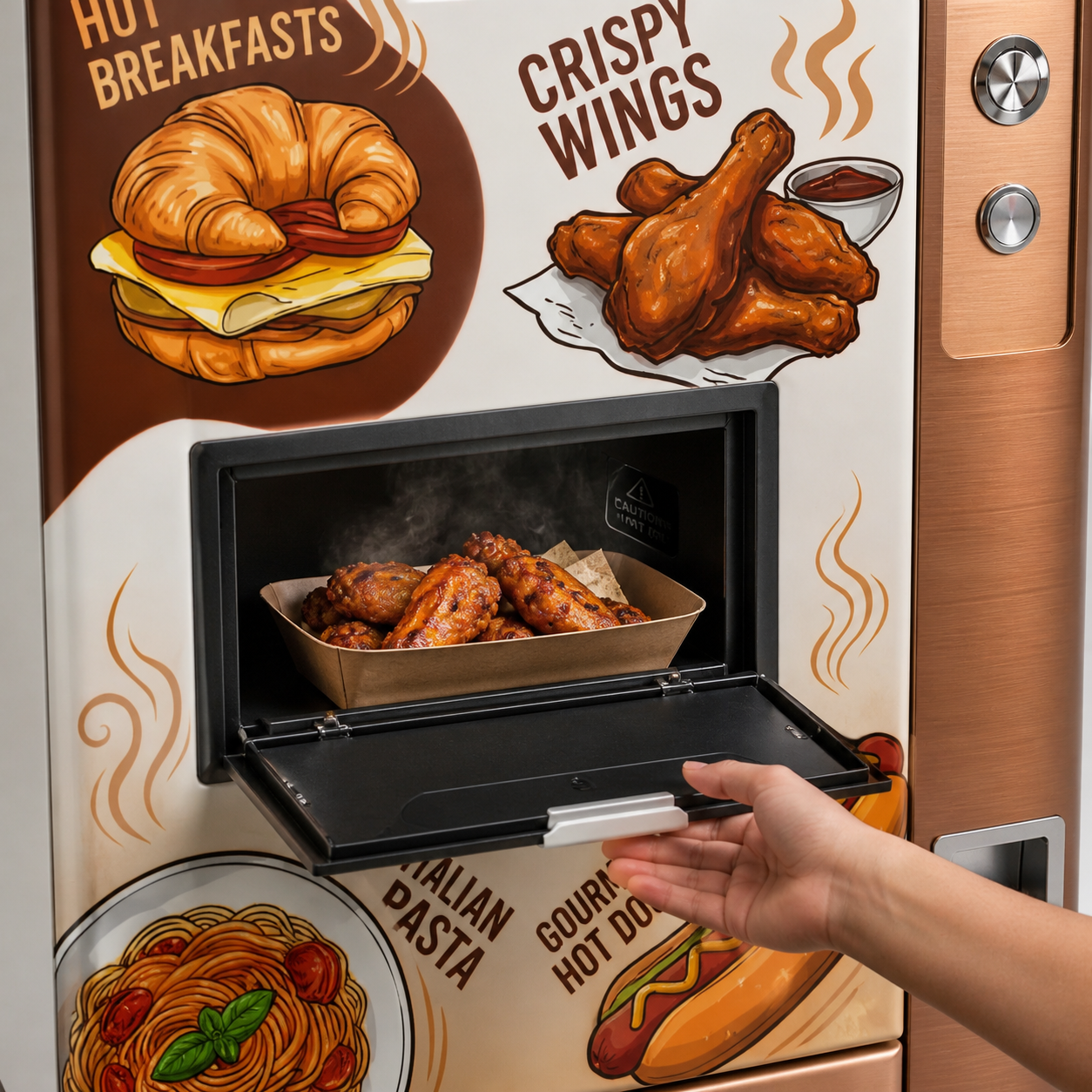
Health permits apply only in certain cases. Machines that sell packaged, shelf-stable snacks and bottled beverages usually do not require health department approval. However, vending machines that dispense fresh, frozen, or hot food may require permits and inspections. Learn more in our Arkansas vending machine permit guide.
| Requirement |
Authority |
When Required |
| Business Entity Registration |
Arkansas Secretary Of State |
All vending businesses |
| State Tax Account Registration |
Arkansas Department Of Finance And Administration |
Taxable vending sales |
| Local Business License |
City Or County |
When required locally |
| Health Permit |
County Health Department |
Regulated food vending |
Startup Costs And Vending Machine Pricing In Arkansas
Startup costs for a vending machine business in Arkansas stay moderate compared to many states. Your biggest cost is equipment.
New vending machines typically cost between $3,000 and $6,000, depending on size, capacity, cooling system, and payment features. Refurbished machines often range from $1,800 to $3,500, depending on condition and configuration.
Arkansas often offers manageable shipping and delivery costs because the state sits within central U.S. freight corridors. Many operators source machines regionally, which reduces freight expenses and shortens delivery timelines. Regional sourcing also improves service access because parts and technicians are easier to find for common machine models.
Inventory costs depend on product selection and machine size. Initial stocking often ranges from a few hundred dollars to over $1,000 for larger setups. Operators should budget for restocking quickly. A new placement can sell faster than expected if the location has strong foot traffic and limited alternatives.
Cashless payment systems add upfront and ongoing costs. Card readers and mobile payment acceptance improve revenue, but they also add processing fees. In Arkansas metro markets, cashless acceptance is no longer optional. Locations expect it, and customers choose machines that work quickly.
| Startup Cost Category |
Estimated Range |
| Vending Machine |
$1,800 – $6,000 |
| Initial Inventory |
$300 – $1,000 |
| Licensing And Insurance |
$150 – $500 |
| Cashless Payment Setup |
$250 – $600 |
Arkansas rewards operators who plan routes carefully and budget realistically. Lower logistics costs help margins, but competition still demands consistent service and modern equipment. A simple financial plan protects early profitability and reduces the risk of buying equipment that your route cannot support.
Choosing The Right Vending Equipment
Equipment selection is where many new operators fail quietly. Not because they choose bad machines, but because they choose machines for the wrong reasons. Price and appearance drive early decisions. Long-term service reality gets ignored. Experienced operators choose equipment based on reliability, repair speed, and how it performs after months of daily use.
A machine does not need to look impressive. It needs to stay cold, accept payments, and handle repeat service cycles without constant breakdowns. A machine that looks modern but fails operationally will cost more in lost trust than it ever earns in sales.
Equipment For Offices And Mixed-Use Properties
Offices, apartment buildings, and mixed-use properties rarely need high-capacity machines. They need consistent performance. These locations create predictable demand. Overbuilding capacity creates spoilage risk and unnecessary service time.
Flexibility matters more than size. Machines must support variety without constant adjustment. This is why experienced operators favor balanced setups rather than specialized machines.
An experienced operator values a machine that performs steadily. Offices reward reliability more than occasional high-volume spikes.
Equipment For High-Traffic And Beverage-Heavy Locations
Warehouses, factories, and distribution facilities behave differently. Long shifts and physical work drive beverage sales. In these locations, hydration is habitual. Beverage-focused machines often outperform mixed units when traffic stays high all day.
Cooling reliability is non-negotiable. Once customers receive warm drinks, they remember. Trust does not reset easily in high-usage environments.
Reliability, Service Access, And Manufacturer Reality
Most vending problems are service problems. Machines that are hard to open, diagnose, and repair cost time and credibility. Ease of service matters as much as sales performance.
Access logistics also matter. If a machine requires awkward movement, stair transport, or complex disassembly, service time rises and mistakes happen. This becomes more expensive as routes grow.
Experienced operators choose machines they can fix quickly. They do not choose machines they hope will never break.
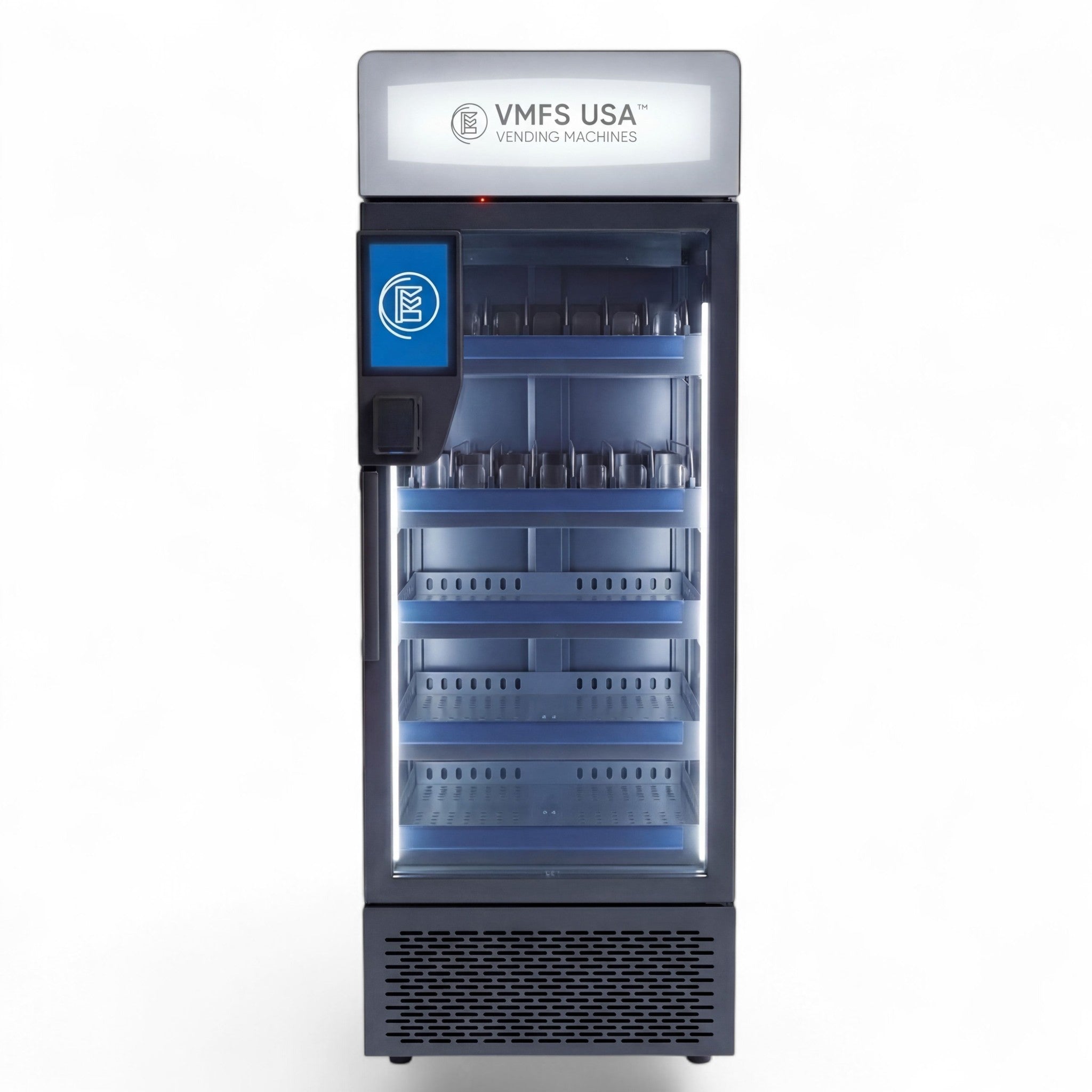
Payment expectations also continue to rise. Many operators upgrade to
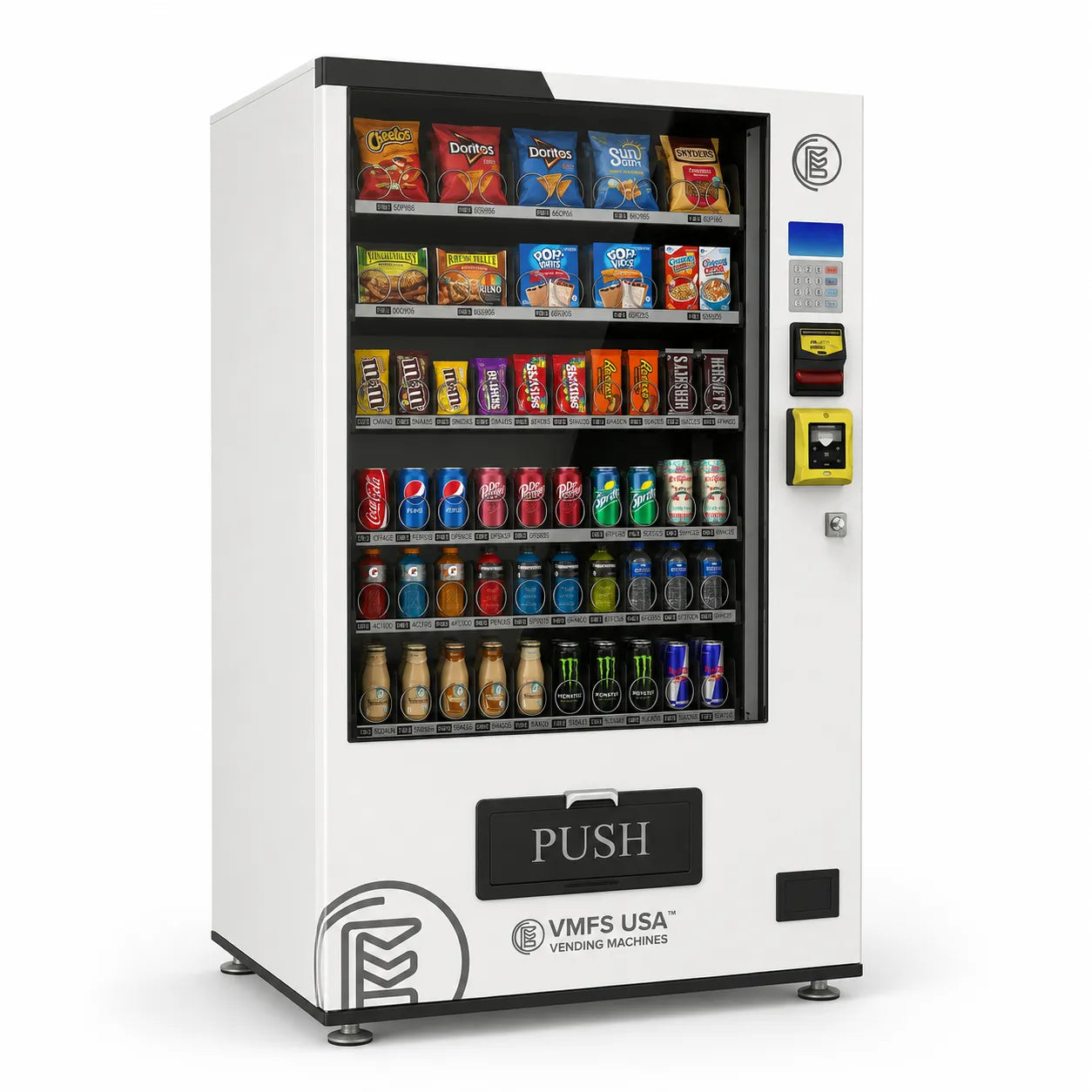
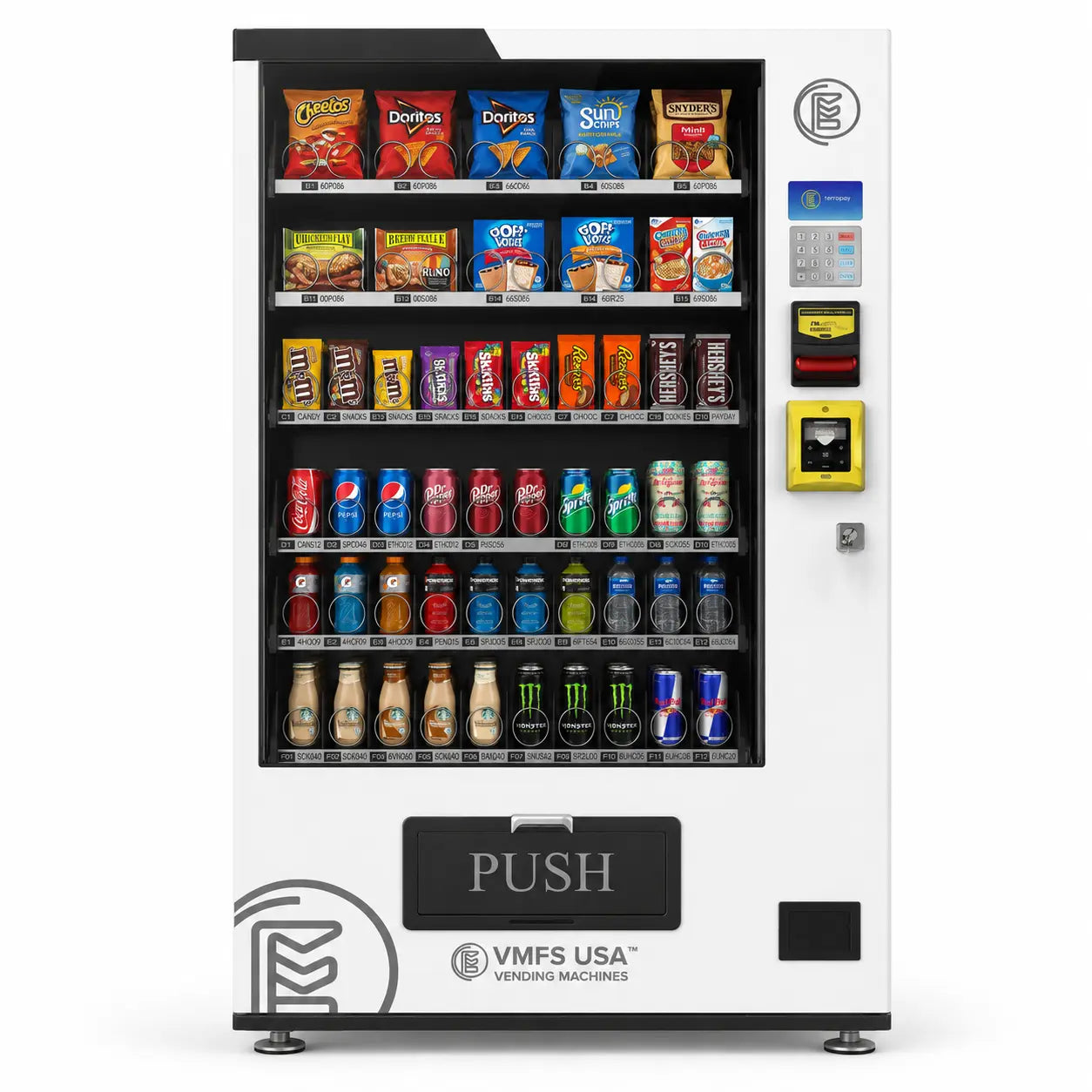
modern vending machines that support card and mobile payments, product visibility, and easier management.
Food And Specialty Vending
Food and specialty vending looks attractive on paper. Higher ticket prices and novelty appeal pull many operators toward it early. What gets ignored is the operational cost of mistakes. The difference between packaged vending and food vending is structural. Once food preparation, heating, or freezing enters the picture, oversight increases and tolerance for errors drops.
When Oversight Begins
Packaged snacks usually fall outside food service oversight. Once machines dispense prepared or temperature-sensitive items, compliance expectations change.
Health departments are not adversaries, but they expect consistency. Machines must meet standards every day, not just during inspections.
Frozen And Temperature-Sensitive Equipment
Frozen products introduce higher operational risk. Equipment failure does not just reduce sales. It destroys inventory and creates compliance exposure.
Operators with strong monitoring systems and disciplined service schedules can succeed here. Operators who ignore maintenance often lose money quietly until they exit the category.
Specialty Machines And Experience Threshold
Specialty machines attract attention but require maturity to manage. Complexity increases across maintenance, sourcing, and compliance. Beginners are better served mastering packaged vending before adding complex machines.
Finding Profitable Vending Locations
Location selection is the single most important decision an operator makes. Equipment can be changed. Pricing can be adjusted. A bad location rarely improves. Strong operators evaluate locations based on behavior, not promises. Foot traffic matters, but break patterns matter more. You want repeat daily routines, not random visits.
In Arkansas, the strongest placements often come from stable institutions. They feel boring. They perform consistently.
Location Types That Perform Consistently
- Corporate offices with limited food access
- Warehouses and logistics facilities with long shifts
- Hospitals operating continuously
- Residential communities with limited nearby retail
- Gyms and mixed-use properties with strong dwell time
The
best locations are routine-driven and predictable. Those qualities produce repeat purchases.
Placement Agreements And Reality
Commission discussions often distract new operators. In practice, commission percentage matters less than location quality. A low-commission bad location still underperforms. A commission-based strong location can outperform everything else.
- Commission-based placements are normal in strong locations
- Free placement works only when traffic supports it
- Service reliability outweighs commission negotiation
Operators lose good locations more often due to poor service than unfavorable terms. If you keep machines stocked and functional, most locations stay loyal.
Profit Expectations And Financial Reality
Profit in vending is incremental. It grows with route quality, discipline, and time. Operators chasing fast returns often burn out. Monthly revenue varies by location type, product pricing, and service frequency. What matters is consistency, not one strong month.
| Location Type |
Monthly Revenue |
Estimated Net Profit |
| Small office |
$350–$600 |
$175–$300 |
| Medium workplace |
$650–$1,000 |
$300–$500 |
| High-traffic facility |
$1,200+ |
$500–$700+ |
Experienced operators focus on reducing mistakes, not chasing maximum sales. They protect locations through fast service, consistent stocking, and working payments. They also track costs closely. Small leaks, like frequent refunds or wasted inventory, compound over time.
Pros And Cons From Real Experience
- Pros: Predictable demand when locations are chosen correctly
- Pros: Scalable over time without large staff
- Cons: Requires discipline and consistent service
- Cons: Poor placement and slow repairs compound quietly
Is This Business Worth It?
- Best suited for patient operators
- Rewards consistency over speed
- Punishes neglect quickly
When approached with realistic expectations and operational discipline, vending becomes a stable, boring, and profitable business in Arkansas. That stability is exactly why experienced operators stay in it. If you secure
high-traffic locations, install reliable equipment, and service machines consistently, Arkansas can support predictable vending income across both urban and regional markets.




Share:
How to Get an Arizona Vending Machine Permit: Costs and Requirements
How to Get an Arizona Vending Machine Permit: Costs and Requirements