


Design the perfect vending solution for your location and customers.

Join the VMFS newsletter and step into a thriving network dedicated to collective success.
One signup. Endless possibilities.
How to Fund Your First Machine Without Breaking the Bank
Getting into the vending business isn’t just about finding a great machine—it’s about making smart financial decisions from day one. And for most new operators, that starts with financing.
Paying $4,000 to $6,000 upfront for a commercial-grade vending machine may not be realistic when you’re testing the waters or scaling your route. Financing gives you the ability to get started without draining your savings or tying up capital that could go toward inventory, marketing, or transportation.
Think of financing as a tool, not a crutch. It’s a way to launch smarter. Done right, it allows you to build income before you’ve fully paid for the machine—turning your vending unit into an asset that earns while it’s being paid off.
Before diving into financing options, it’s important to understand what you’re actually paying for. A vending machine’s price tag is only part of the total cost. Here's what most first-time operators don’t account for:
Total Startup Cost Estimate: $5,000 – $7,500 for one machine (realistic range)
Even with a lean setup, getting a vending machine off the ground takes capital. Financing helps reduce the upfront load, making the path more manageable.
There’s no one-size-fits-all model. Each operator has a different financial profile, credit history, and business plan. Below are the four most common vending machine financing options—broken down with pros, cons, and what to expect.
Many top vending machine sellers (like VMFS USA™) partner with trusted third-party lenders to help first-time operators get approved quickly.
How It Works:
Typical Terms:
Pros:
Cons:
This model is the most beginner-friendly and offers a balanced path between affordability and speed. Most VMFS USA™ buyers go this route.
If you already have a lender or prefer to shop rates, you can use external equipment financing companies to fund your purchase.
How It Works:
Popular Providers:
Pros:
Cons:
This route is ideal for experienced buyers or those with strong financials who want maximum flexibility.
Less common in the vending space but still available, lease-to-own options allow you to "rent" a machine with the goal of full ownership after the term.
How It Works:
Pros:
Cons:
It’s an option, but usually not the most cost-effective unless you have limited credit and no access to equipment loans.
Some operators self-finance with a business or personal credit card to keep control and avoid loan agreements.
How It Works:
Pros:
Cons:
This is best for operators with cash flow confidence and discipline. If you expect revenue quickly and can pay down fast, it’s a viable short-term bridge.
At VMFS USA™, we don’t offer in-house financing—but we make the financing process seamless by partnering with top-rated lenders who understand vending.
We help you:
And because VMFS USA™ works exclusively with vending equipment, your approval odds are higher than they’d be at a traditional bank or generic business lender.
Even with beginner-friendly financing, lenders still review basic criteria to determine risk and terms. Here's what matters most:
If you're working with VMFS USA™, our team can help prep these materials or guide you through what to expect.
A machine doesn’t pay for itself overnight—but it can become profitable surprisingly fast when paired with the right plan.
Let’s run a realistic breakeven scenario for a combo vending machine financed over 36 months.
| Item | Monthly Cost |
|---|---|
| Machine Loan Payment | $185 |
| Card Reader + Data Plan | $15–$20 |
| Restocking Inventory | $300 (variable) |
| Fuel & Route Time | $50–$100 |
| Maintenance Reserve | $25 |
| Total (Est.) | $570–$630 |
This breakeven happens within 2–3 months on most accounts with even modest foot traffic. Once your machine is paid off, that $185/month becomes pure margin.
Financing helps you launch faster—but only if you avoid these common traps.
It may be tempting to buy used and finance it via a personal loan—but used machines often lack warranty, parts support, or cashless readiness. That means more downtime, more service calls, and fewer returns.
Solution: Start with a new, cashless-ready machine that comes with support and known working condition. VMFS USA™ builds machines with 99% uptime in mind.
Too often, first-time operators buy a soda-only machine or a snack-only model that limits flexibility. The result? Missed sales.
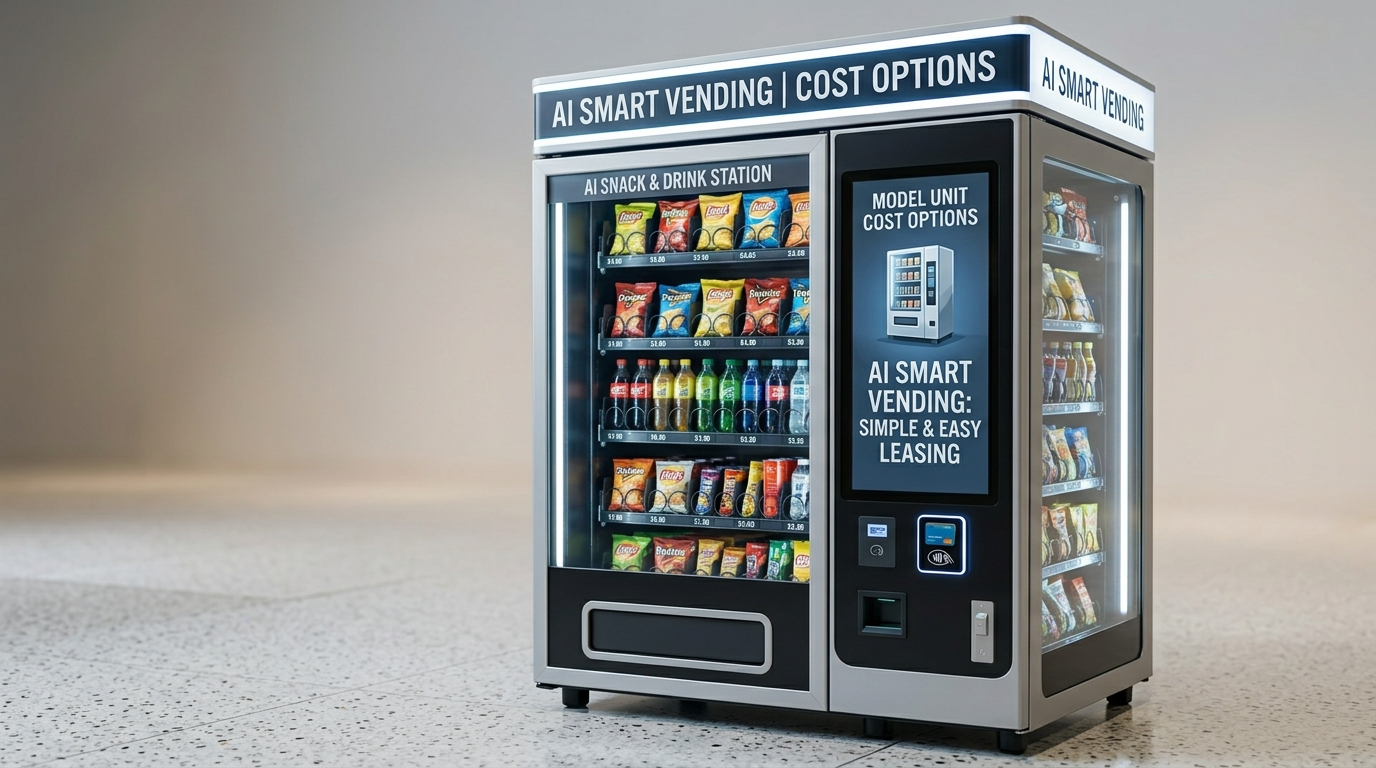
Solution: A Combo Vending Machine allows both snacks and drinks, maximizing profit per visit. And with smart tech, you can see sales in real time.
Start with a model that matches your goals, not just the cheapest tag.
Some financing deals seem great up front but come with balloon payments, high interest, or confusing terms that hurt you later.
Solution: Always review the total cost of the machine over time, not just the monthly payment. VMFS USA™ partners only with lenders who offer clear, flat-rate financing with no surprise clauses.
You’re not just buying a vending machine—you’re starting a business. VMFS USA™ makes that easier by supporting operators before, during, and after purchase:
Whether you're buying your first machine or your tenth, financing through VMFS USA™ partners keeps the barrier low and the business running high.
Don’t let a $5,000 sticker price hold you back from launching a vending business. With the right machine, in the right place, with the right support—you can generate income in your first 30 days while still paying off your machine gradually.
Financing gives you flexibility. VMFS USA™ gives you direction.
Pair the two, and you’re not just buying a machine.
You’re buying a business that works for you.
Yes, some VMFS USA™ financing partners approve scores as low as 580. A soft credit check is used for pre-qualification.
Most combo machines average $150–$200/month depending on term and credit.
Pre-approvals happen in as little as 1 business day, with machines ready to ship shortly after.
Some plans require $500–$1,000 down. Others may offer deferred first payments or full financing with terms.
Yes. Vending machines often qualify under Section 179 tax deductions, letting you write off the full value in the year of purchase.


Share:
How to Plan Cash Flow in Your Vending Business
How to Plan Cash Flow in Your Vending Business