




Design the perfect vending solution for your location and customers.

Join the VMFS newsletter and step into a thriving network dedicated to collective success.
One signup. Endless possibilities.
Looking for the best vending machines for your small business in 2026? You’re not alone. Whether you're launching a side hustle or scaling a storefront, the right machine can generate anywhere from $500 to $1,500+ per month in passive income, often with minimal time investment.
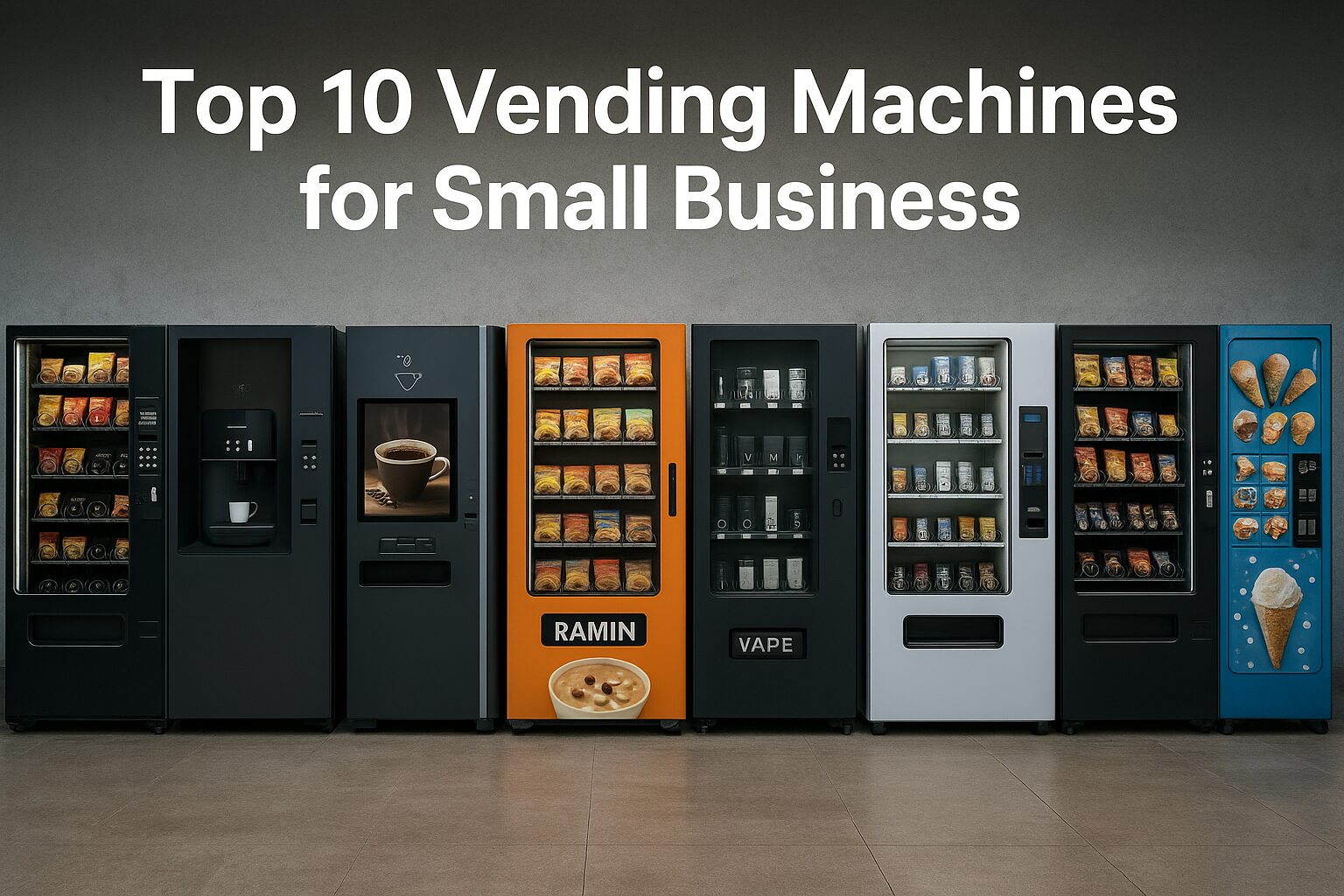
From high-margin coffee units to AI-powered snack machines, today's vending machines are built to match your environment, audience, and product mix. This guide covers the top 10 vending machines for small business owners with real-world revenue ranges, ideal placement strategies, and ROI insights for everything from combo and boba tea to vape, ramen, and ice cream.
But with so many options on the market, the real question is: Which machine actually fits your space, your products, and your customers?
Below, you’ll find our top vending machine picks, each selected for its performance, profitability, and strategic fit. Whether you’re serving quick snacks in a barbershop or launching a tech-forward concept in an upscale hotel, there’s a machine here built for your goals.
Not every vending machine is built for small-scale operations. The best models share a few key traits:
As you review the options below, consider your location, customer habits, and available floor space. All three will shape your vending ROI.
Estimated Monthly Revenue: $300 to $900 depending on traffic and pricing
Ideal Locations: Office lobbies, gyms, salons, retail entryways
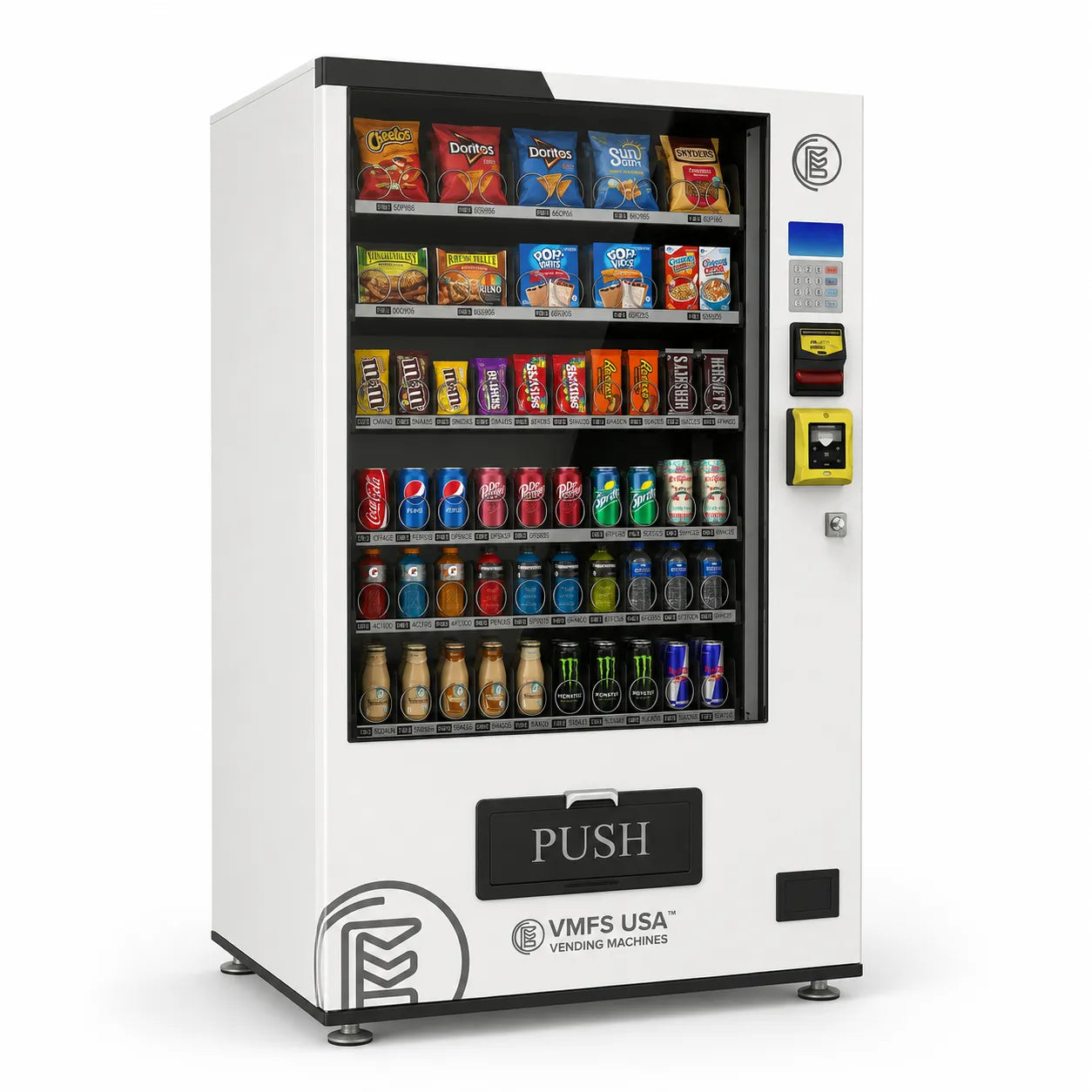
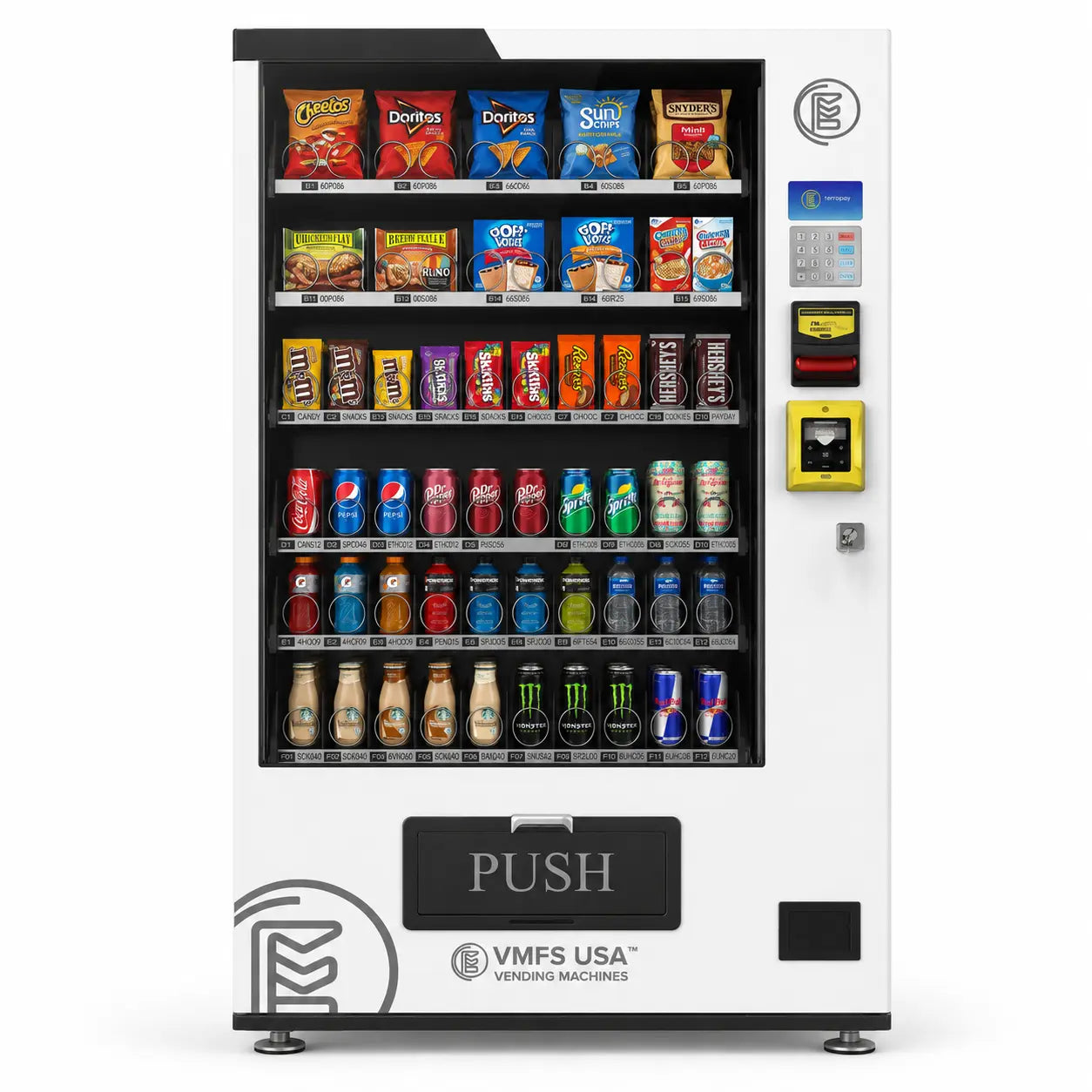
Combo machines are often considered the best vending machines for small business owners entering the industry. Why? Because they minimize overhead while maximizing product range. One compact machine serves both snacks and drinks, meaning you can meet more needs in fewer square feet.
In a gym setting, a combo vending machine stocked with protein bars, electrolyte drinks, and granola can generate upwards of $800/month, especially when placed in a high-foot-traffic corner. For office settings, smaller numbers like $400/month are more common but highly consistent.
Machines like this allow you to test what sells in your environment without having to commit to separate units. And with combo vending machines, the ability to adjust trays and temperatures keeps your inventory fresh and flexible.
Estimated Monthly Revenue: $500 to $1,200 depending on pricing and frequency
Ideal Locations: Law firms, waiting rooms, salons, coworking spaces
A fresh cup of coffee is an emotional need and a business opportunity. Coffee vending machines capitalize on daily repeat behavior, which makes them ideal for places where customers or employees return regularly.
In a coworking space, a Pro Coffee Vending Machine charging $2.00 to $2.50 per cup can generate over $1,000/month, especially if it’s the only source of caffeine in the building. With 70%+ margins on most cups, the profitability is strong even at lower volumes.
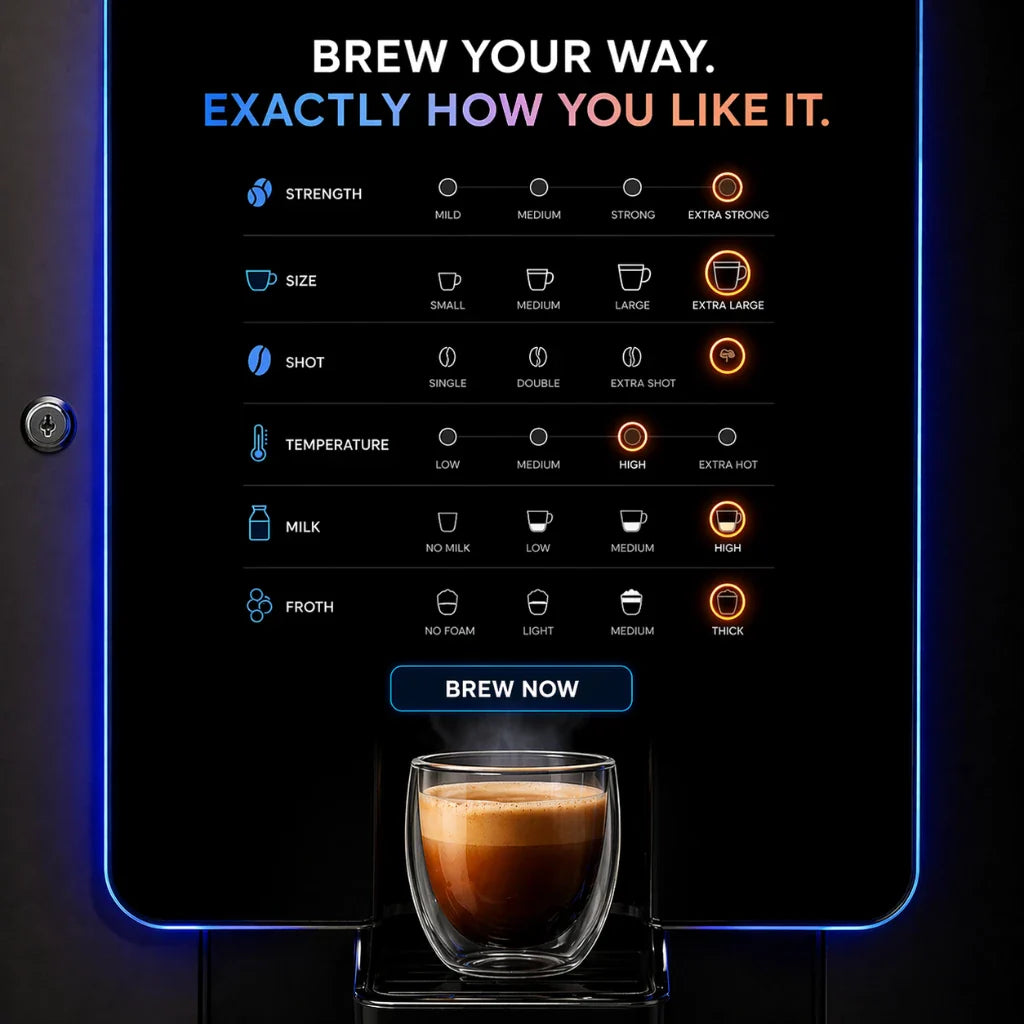
The coffee vending machine format also signals quality to visitors. Offering premium espresso or cappuccino from a sleek, touchscreen machine creates a high-end experience without requiring staffing or service infrastructure.
Estimated Monthly Revenue: $350 to $850 per machine depending on foot traffic
Ideal Locations: Barber shops, garages, schools, local retail stores
Snack vending machines are the universal plug-and-profit vending format. Their biggest strength is familiarity: customers already know how to use them and what to expect. But that doesn’t mean they're basic. Modern snack vending units include cashless payments, real-time monitoring, and product analytics.
One snack vending machine placed inside a busy barbershop or salon with daily walk-ins can earn $400+ per month in passive revenue. Schools and learning centers with break periods and waiting areas can yield even more, especially with healthier snack options.
Margin-wise, many snacks carry 40 to 60% profit even after restock costs. For operators with limited time, this makes snacks a stable, scalable entry point.
Estimated Monthly Revenue: $400 to $1,000 depending on volume and pricing
Ideal Locations: Gyms, medical clinics, sports clubs, car washes
Drinks are the most impulse-driven product in vending. Cold beverages are universally appealing, and placement near physical activity or long wait times increases conversion.
A drinks vending machine in a busy gym can easily push 15 to 30 units daily, averaging $2 per sale. With vending prices slightly higher than retail, drink vending machines can reach $1,000/month in high-performing spots.
Even in smaller settings like auto shops or small clinics, $300 to $500/month is a safe average, particularly if you offer a mix of water, energy drinks, and flavored sodas.
Estimated Monthly Revenue: $600 to $1,200+ (summer months)
Ideal Locations: Tourist areas, hotel lobbies, family entertainment zones
Ice cream vending machines draw attention and create delight, both of which increase usage. With higher price points per item ($3 to $5) and low competition in certain environments, these machines perform best in family- or kid-focused spaces.
An ice cream vending machine at an indoor play center, for example, can make $1,200+ in a strong summer month, with weekends driving most of the sales. Even in colder seasons, these machines can still perform if placed in movie theaters or indoor malls with steady footfall.
Estimated Monthly Revenue: $700 to $1,500 in youth-dense locations
Ideal Locations: Malls, student centers, college campuses, urban plazas
Bubble tea machines combine visual appeal with one of the highest-margin beverage categories in the world. In a college food court, a single bubble boba tea vending machine may sell 6 to 8 drinks per day at $4 to $6 each.
This format works especially well in locations where young people gather, shop, and socialize. They’re drawn to novelty, automation, and self-service, making boba one of the smartest niche investments for modern operators.
Estimated Monthly Revenue: $500 to $1,000 in travel-heavy zones
Ideal Locations: Hostels, gas stations, dormitories, 24/7 locations
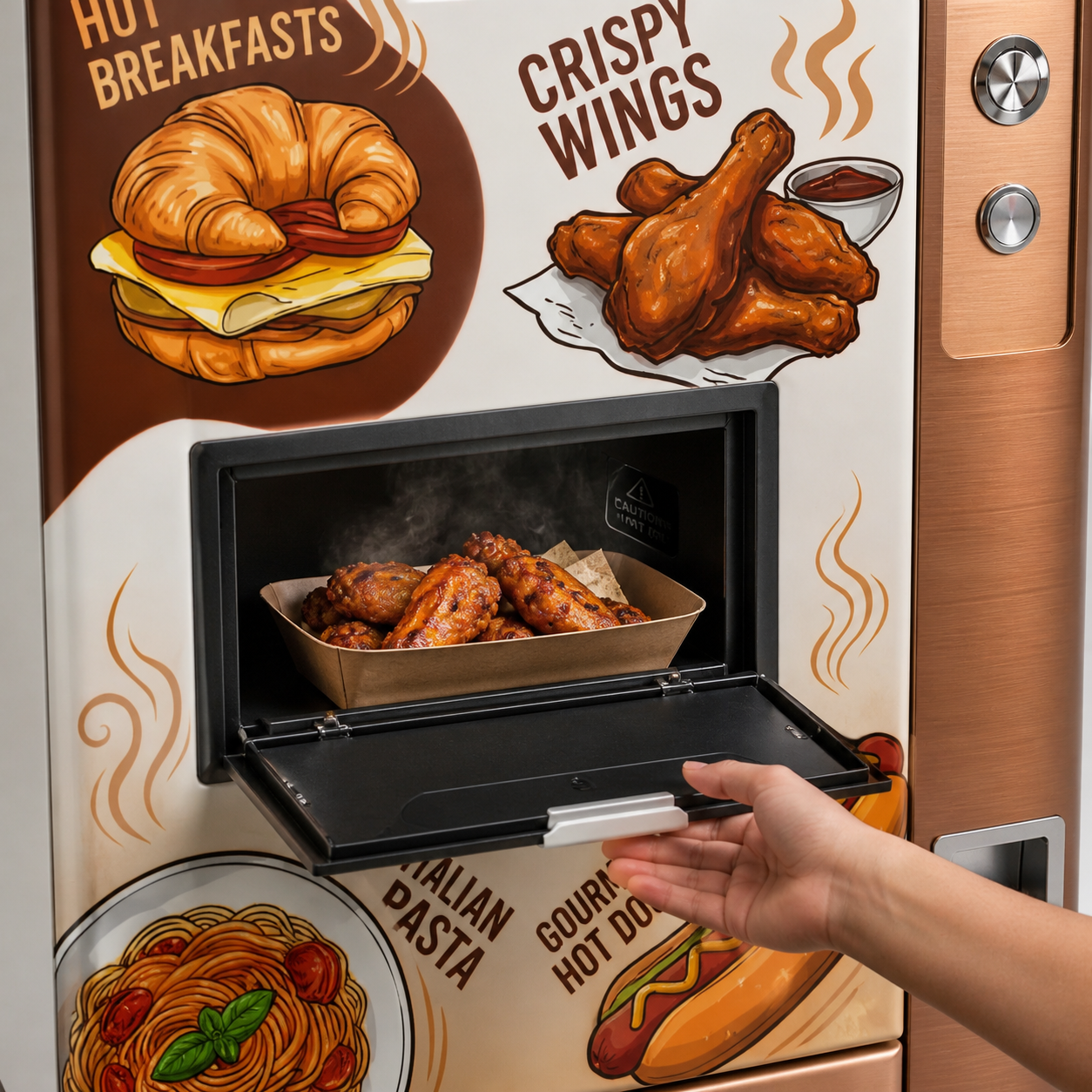
Hot food vending machines are no longer a fantasy. Ramen vending machines are disrupting traditional fast food with fast, hot meals delivered from compact, self-contained units. Perfect for places where staffing a food counter isn’t feasible, these machines serve microwavable noodle bowls, often with broth options and utensils included.
In transit-heavy areas like train stations or highway rest stops, a single ramen noodle vending machine can push 4 to 6 units per day, especially during late-night hours. Selling at $4 to $6 with high prep margins, ramen offers both utility and novelty.
For small business owners looking to stand out, ramen provides hot food revenue without the need for refrigeration or complex service infrastructure.
Estimated Monthly Revenue: $800 to $2,000 depending on traffic and compliance
Ideal Locations: Hookah lounges, smoking zones, private clubs, dispensary waiting areas
When placed in the right environment, vape vending machines are among the most profitable units available. Because products like disposables, cartridges, and batteries are compact and carry high markups, the dollar-per-sale ratio is exceptional, often over $10 per item.
With an ID scanner add-on handling age verification, a vape vending machine automates a category that otherwise requires tight supervision. In nightlife or adult-only spaces, the machines sell steadily and discreetly, generating significant ROI for small business owners with qualified access.
Estimated Monthly Revenue: $500 to $1,500 depending on product and location
Ideal Locations: Airports, luxury lobbies, hospitals, event venues
AI-powered vending machines go beyond selling. They learn. These machines can recommend products based on buying patterns, alert you when stock runs low, and offer insights that allow for smarter product mix decisions over time.
For small businesses selling multiple SKUs, from wellness kits to beauty items to tech accessories, an AI vending machine provides remote monitoring, customer engagement, and uptime performance at scale.
They're particularly valuable in venues where customer expectations are high and responsiveness matters. And as a bonus: their futuristic design alone increases engagement.
Estimated Monthly Revenue: Highly variable ($400 to $2,500+)
Ideal Locations: Airports, salons, boutique shops, tourist zones
Not all great vending machines fit into the snack-drink-coffee mold. Some are built specifically for the product you want to sell, whether that’s perfume, PPE kits, phone accessories, or curated kits.
Specialty vending machines let you define shelf layouts, dimensions, and inventory type. They’re a strong choice for entrepreneurs who already have a brand or product and want to extend it into unattended retail.
A flexible specialty machine is often the first step toward building a branded retail presence without leasing a storefront, particularly useful for beauty, fitness, wellness, or tourism-focused products.
Small business owners often underestimate how much location and inventory type dictate vending success. Here’s what we’ve seen across real operators:
Always ask: Is this a place where people are waiting, working, or recovering energy?
For small businesses on a tight startup budget, used vending machines can lower upfront costs by 30 to 50%. However:
New machines, on the other hand, come optimized for:
If you’re vending in a customer-facing location, especially where brand image matters, investing in a new unit often pays for itself within 6 to 12 months.
Choosing the right machine isn’t just about price or size. It’s about fit. The success of your vending setup depends on aligning three things: your audience, your location, and your inventory strategy.
Here’s how to get clear:
If you're unsure, start with a low-maintenance, mixed-capacity machine like a combo or snack unit. Test your audience. Then scale with more specialized options based on what sells.
Not all vending machines for sale, or the vendors behind them, are created equal. Buying from the right source matters just as much as choosing the right machine. Here’s what to look for:
VMFS USA specializes in vending machines for small business owners, with options tailored to foot traffic, product style, and scaling plans. From plug-and-play starter units to enterprise-grade machines with AI, you're not just buying a box. You're building a business.
The vending industry in 2026 isn’t just growing. It’s transforming. Machines are smarter. Margins are higher. Audiences are more segmented. And automation is the norm, not the future.
For small business owners, vending offers a rare opportunity: high-cashflow assets that work while you don’t. But your success depends on matching your product, location, and machine with intention, not guesswork.
Start simple. Validate demand. Then grow smart. Whether you're selling snacks in a barbershop or launching boba tea in a student center, one great machine can lead to ten.
And in this business? Ten machines can change everything.
Share:
¿Cuánto cuesta una máquina expendedora?
¿Cuánto cuesta una máquina expendedora?