



Design the perfect vending solution for your location and customers.

Join the VMFS newsletter and step into a thriving network dedicated to collective success.
One signup. Endless possibilities.
Starting a vending machine business in California requires proper business formation, state tax registration, and compliance with city, county, and health rules. California does not issue a single vending license. Instead, operators must register for sales tax, obtain required local business licenses, and secure health permits only when selling regulated food items. California offers strong vending demand due to dense metro areas, year-round activity, and large workplace populations. However, enforcement is stricter than in many states. Operators who confirm requirements before placing machines avoid fines, delays, and forced removals.
Before placing any vending machines, you must create a legal business entity. Most vending operators in California choose to form a limited liability company (LLC). This structure separates personal assets from business liability and keeps operations simple. After forming the entity, obtain a federal Employer Identification Number (EIN). The EIN is required to open a business bank account, register for state taxes, and set up payment processing. Business formation and registration are handled through the California Secretary of State. This step should be completed before applying for permits or negotiating machine placement.
Many property managers will not approve vending placement without a registered business name and proof of legitimacy.
Most vending machine businesses in California must register for a Seller’s Permit. This permit allows operators to collect and remit sales tax on vending sales. The Seller’s Permit is issued by the :contentReference[oaicite:0]{index=0}. There is no fee to obtain the permit, but operators must file sales tax returns on the required schedule. California sales tax rates vary by city and county. Operators must track where each machine operates and apply the correct local rate. Failure to report sales accurately can result in penalties and audits.
State tax registration applies to the business, not individual machines. However, it does not replace local business licenses or health permits.
After registering for sales tax, vending operators must confirm local licensing rules for every city or county where machines will operate. California allows cities and counties to regulate business activity independently. As a result, vending requirements can vary widely between jurisdictions. Many cities require a general business license or business tax certificate. This requirement often applies even when vending machines are placed indoors on private property. Some cities issue one license that covers all activity within city limits. Others require a separate license for each location. Counties may impose licensing requirements in unincorporated areas. Operators placing machines outside city boundaries should confirm county rules before installation. Zoning or land-use approval may also apply in certain districts. Before placing a machine, confirm the following with the local licensing office:
Operating without required local approval can lead to fines or forced machine removal. Confirming rules in advance protects placements and reduces downtime.
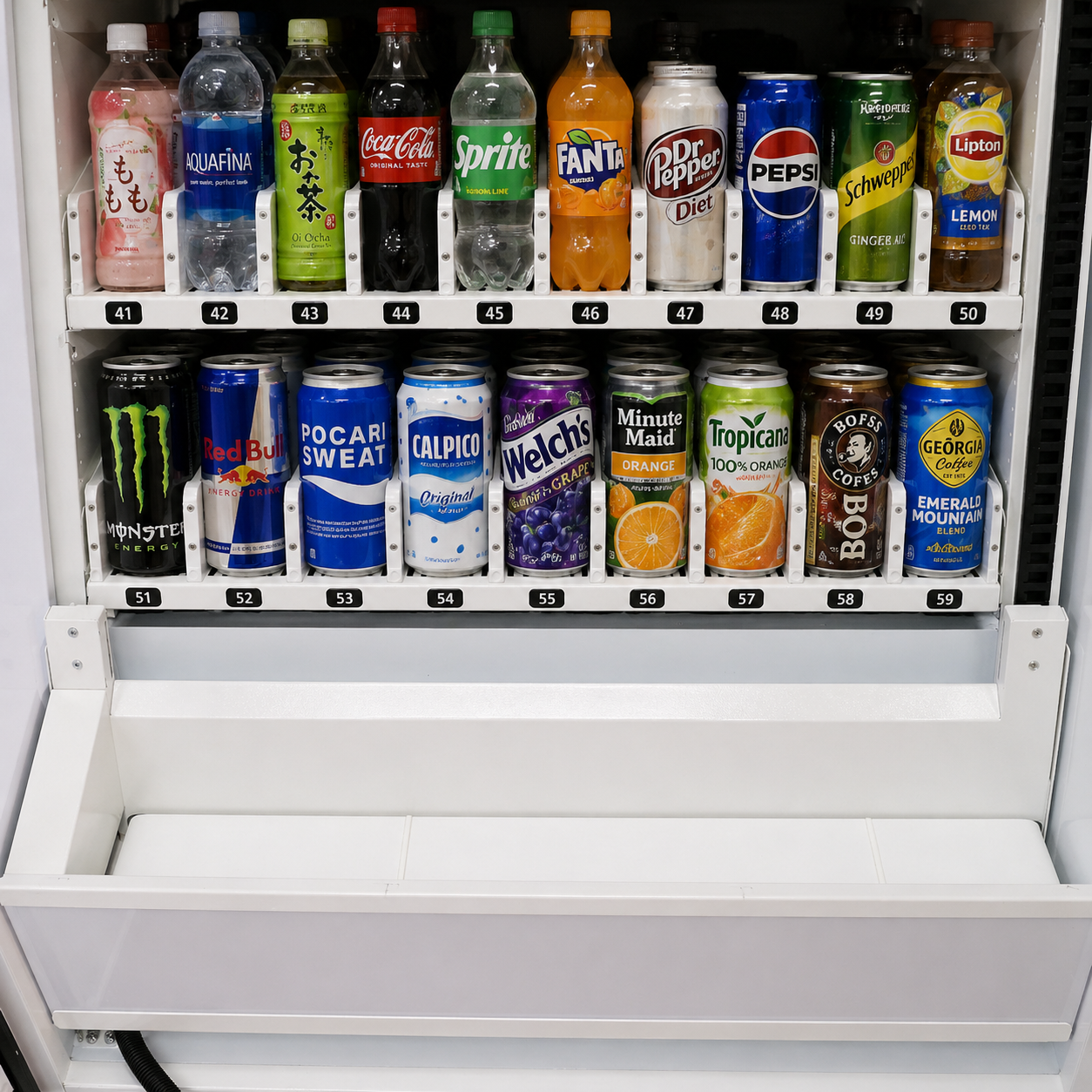
Health permits apply only in specific vending situations. Most vending machines that sell packaged, shelf-stable snacks and sealed bottled beverages do not require health department approval. Health permits are typically required when vending machines sell food or drinks that require temperature control or preparation. This includes fresh food, refrigerated items, frozen products, hot meals, and prepared beverages. Health permits are issued by county environmental health departments. Requirements vary by county and may include plan review, inspections, and annual renewal.
Operators planning to install food vending equipment should confirm health requirements before purchasing machines. Learn more in our California vending machine permit guide.
Choosing the right vending machines affects compliance, approval speed, and long-term profitability. In California, machine selection should prioritize low regulatory exposure, reliability, and fit with the location’s traffic level. Machines that sell packaged products are the easiest to approve and operate. Machines that prepare or temperature-control food require additional permits and inspections and should be added only after confirming local health requirements.
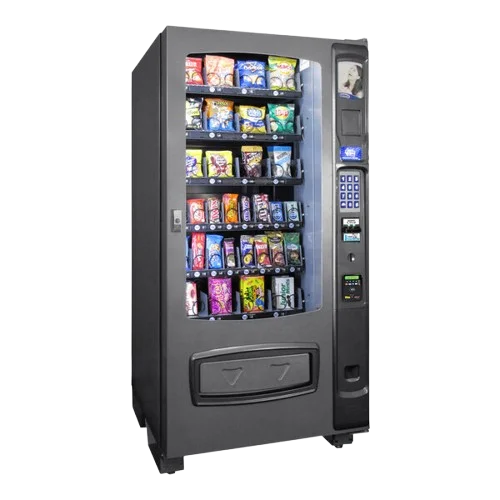
The following machine types usually require only a Seller’s Permit and any required local business license when stocked with packaged items:
These machines work well in offices, warehouses, hospitals, and residential buildings and usually do not require health department approval.
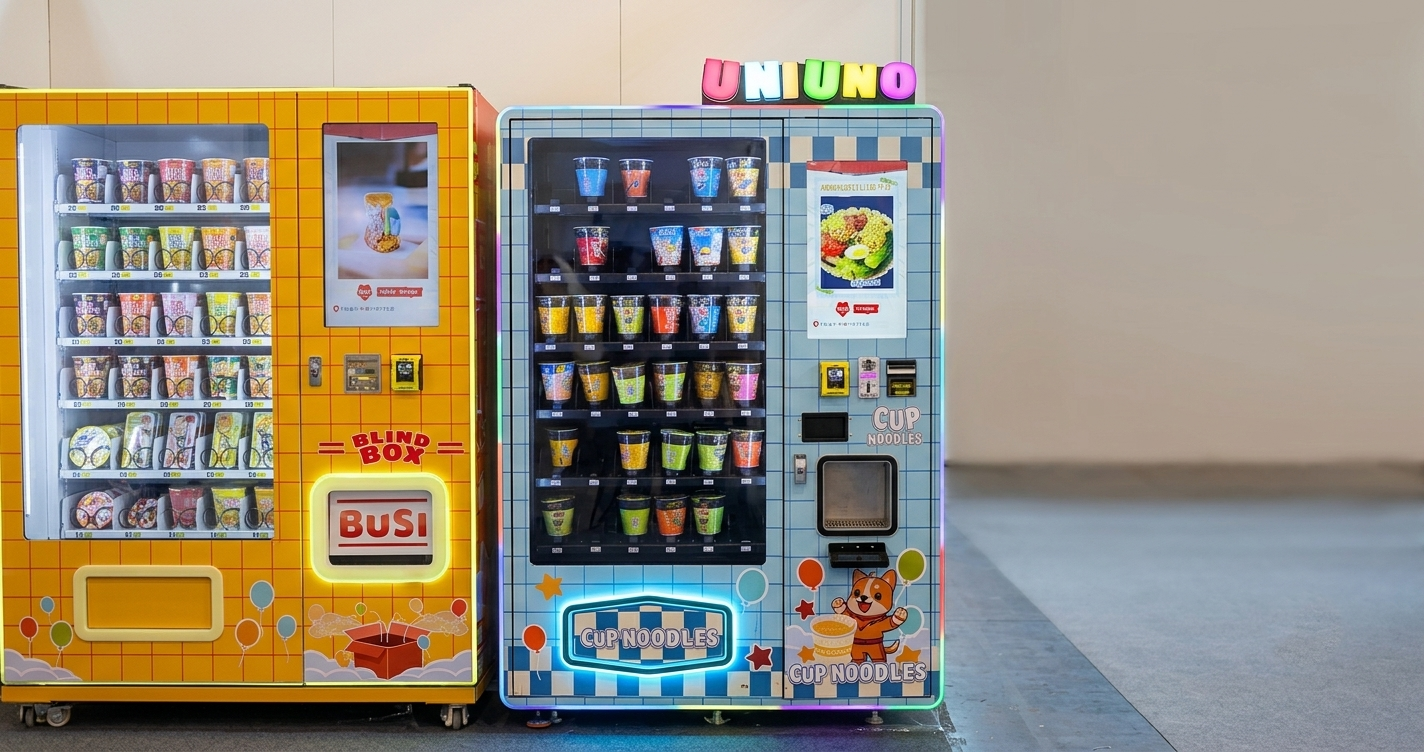
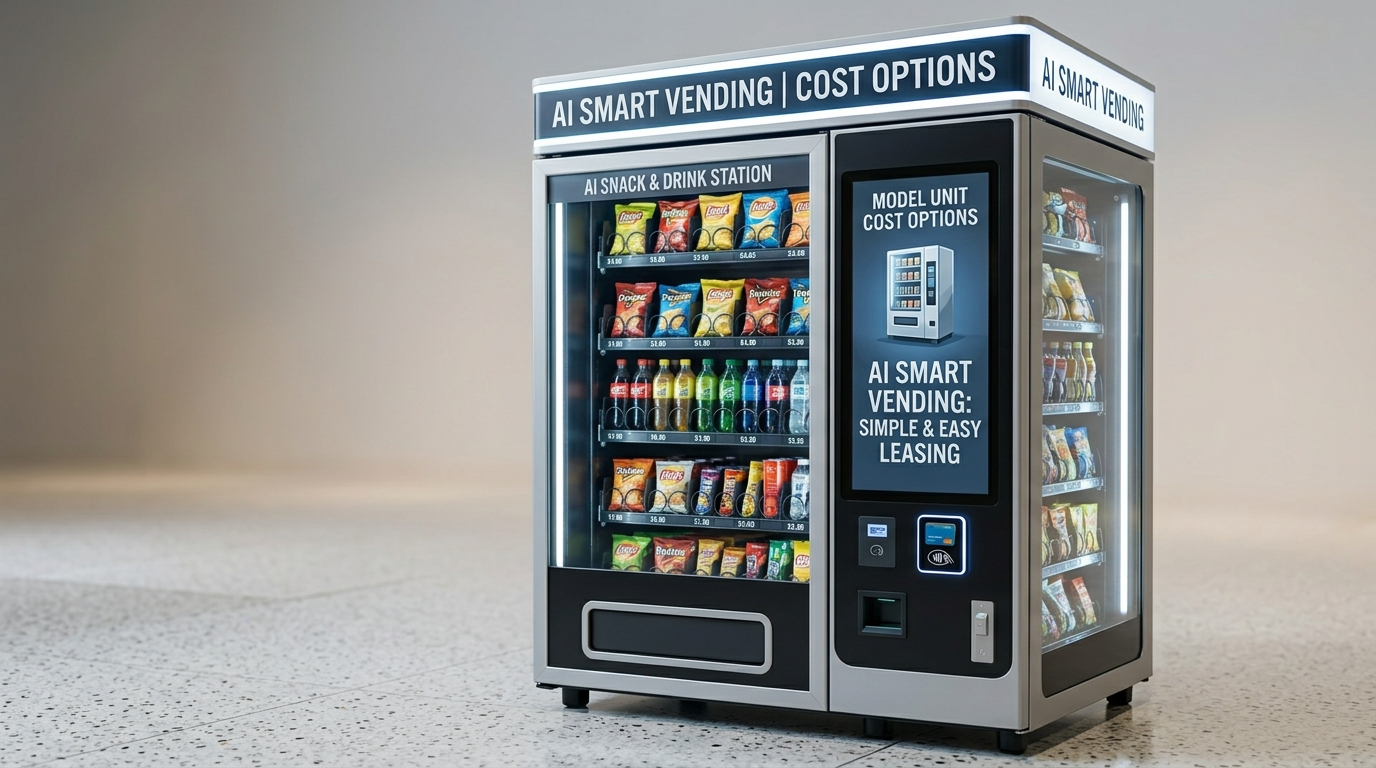
Some locations do not have the space or demand for full-size equipment. In these cases, mini vending machines provide a practical solution without increasing permit complexity. Mini machines are commonly placed in:
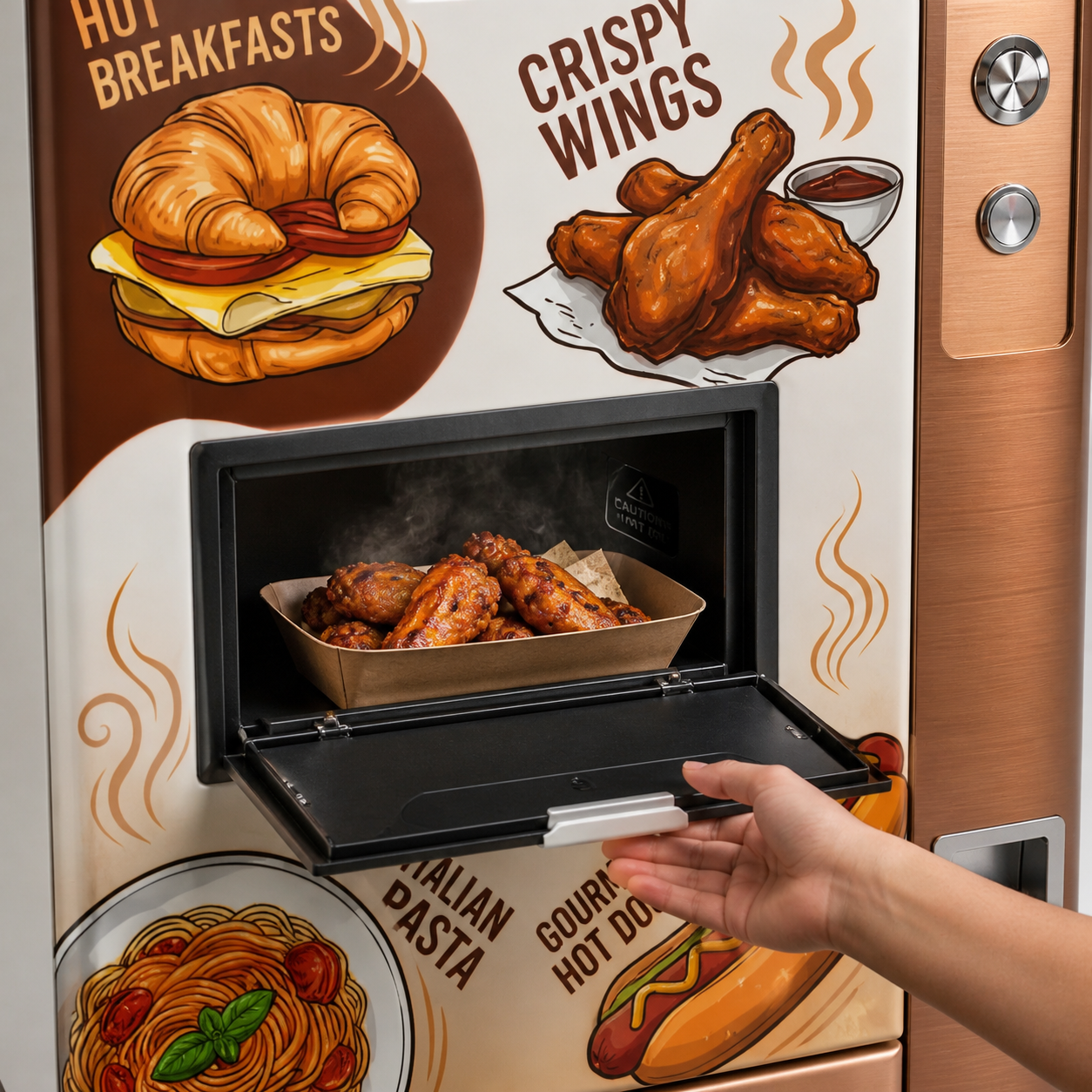
Machines that store, heat, freeze, or prepare food involve higher regulatory oversight. These machines often require health permits and inspections.
| Machine Type | Permit Impact |
|---|---|
| Food vending machines | Health permit usually required |
| Cold and hot food vending machines | Health permit and inspection required |
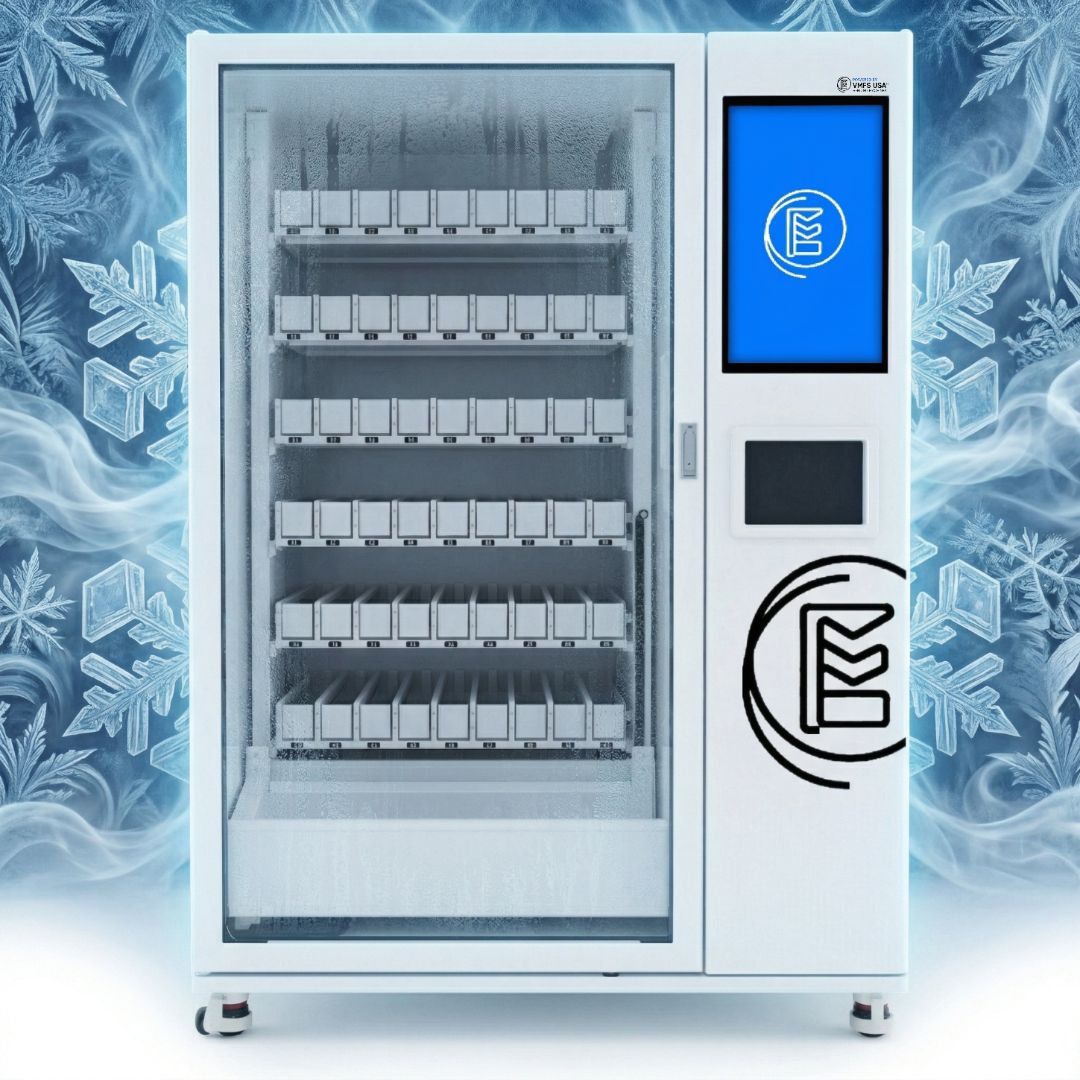
| Frozen vending machines | Strict temperature control and inspections |
| Coffee vending machines | Health permit may apply due to preparation |
Operators should confirm county health department requirements before purchasing any food-related vending equipment.
Ease of service affects operating costs and location retention. Machines that are difficult to access or maintain increase downtime and labor.
Selecting machines that match location size, demand, and compliance requirements helps operators scale efficiently across California.
Choosing the right vending machines affects compliance, approval speed, and long-term profitability. In California, machine selection should prioritize low regulatory exposure, reliability, and fit with the location’s traffic level. Machines that sell packaged products are the easiest to approve and operate. Machines that prepare or temperature-control food require additional permits and inspections and should be added only after confirming local health requirements.
The following machine types usually require only a Seller’s Permit and any required local business license when stocked with packaged items:
These machines work well in offices, warehouses, hospitals, and residential buildings and usually do not require health department approval.
Some locations do not have the space or demand for full-size equipment. In these cases, mini vending machines provide a practical solution without increasing permit complexity. Mini machines are commonly placed in:
Machines that store, heat, freeze, or prepare food involve higher regulatory oversight. These machines often require health permits and inspections.
| Machine Type | Permit Impact |
|---|---|
| Food vending machines | Health permit usually required |
| Cold and hot food vending machines | Health permit and inspection required |
| Frozen vending machines | Strict temperature control and inspections |
| Coffee vending machines | Health permit may apply due to preparation |
Operators should confirm county health department requirements before purchasing any food-related vending equipment. Selecting machines that match location size, demand, and compliance requirements helps operators scale efficiently across California.
Strong locations matter more than machine type or pricing. In California, the best-performing placements are indoor environments with consistent daily traffic and limited nearby food options. These locations simplify permitting and generate repeat purchases. Before installation, confirm site approval requirements with the property owner or manager. Many locations request proof of business registration, a Seller’s Permit, insurance, and a clear service plan.
Operators who focus on proven vending machine locations reduce churn and build predictable routes faster. Indoor placements outperform outdoor locations due to simpler approvals and lower risk. Public or outdoor vending often requires additional permits and longer approval timelines.
Operating a vending machine business in California requires ongoing compliance. Most issues occur after installation, not before. Operators who track renewals and service schedules retain locations longer.
Service quality matters more than commission structure. Locations remove machines due to missed service, payment failures, and empty spirals, not pricing.
Machine selection affects approval speed and long-term profitability. California locations prefer modern, reliable machines with cashless payment support.
For smaller offices, gyms, and shared spaces, mini vending machines offer a compact solution without increasing permit complexity.
Starting a vending machine business in California requires proper planning, tax registration, and local compliance. Operators who focus on packaged products, indoor placements, and reliable service face fewer regulatory hurdles. Food vending can increase revenue, but only when health permits and inspections are planned in advance. Choosing compliant equipment and securing high-traffic locations builds stable, long-term routes.


Share:
Vending Machine Insurance, Coverage, Costs, And Requirements
Vending Machine Insurance, Coverage, Costs, And Requirements