



Design the perfect vending solution for your location and customers.

Join the VMFS newsletter and step into a thriving network dedicated to collective success.
One signup. Endless possibilities.
Hot food vending is the fastest-growing way to make money in vending. For example, a normal snack machine sells a $1.50 chip bag, while a hot food vending machine sells a $7 to $12 hot meal. Same machine size. Way more money per sale. No kitchen, no staff, open 24 hours.
The buyer is also different. In contrast to snack machines that feed people who could just walk to the store, hot food vending machines feed nurses on the night shift, factory workers stuck on a 30-minute break, college students in the library at 2 AM, and gym members between workouts. These people cannot leave. They are hungry. They want a real meal, not chips.
This guide walks through how to start a hot food vending machine business step by step. Specifically, we cover the machines, real costs, food safety rules, the best places to put your machine, and the money operators are actually making. Every number comes from real US operator data and from food vending machines already in the field.
Starting a hot food vending machine business costs $7,000 to $25,000 per machine. You also need a food prep kitchen partner, a food handler permit, and food safety compliance. Operators report $1,500 to $6,000 per month per machine in good spots, with 30 to 50 percent profit. The best places are hospitals, factories, colleges, and transit hubs where workers cannot leave for food. Most machines pay for themselves in 12 to 18 months.
A hot food vending machine business is simple. First, you own one or more machines that sell hot meals. The machine keeps the food cold inside, then heats it up when someone buys it. As a result, the customer gets a hot meal in 60 to 90 seconds. Meanwhile, you handle the machine, the food supply, restocking, food safety paperwork, and the deal with the building owner.
This is different from snack vending in three big ways. First, each sale is way bigger. A snack sale is about $1.50; in contrast, a hot food sale is $7 to $10. Second, the food rules are stricter because hot meals must stay safe to eat. They fall under FDA Food Code §3-501.16. Third, the best spots are different. Specifically, hot food sells where workers cannot leave the building during their shift.
Modern machines work in a smart way. First, they keep the food cold inside, then they heat it up only when someone buys it. The food sits at 41°F or colder, which is what the FDA Food Code requires. When a customer picks a meal, the machine moves the box into a built-in microwave or oven, warms it up, and drops it into the pickup tray. For example, the hot food vending machine from VMFS holds up to 24 meals and does all of this on its own.
This cold-then-heat method is what makes the business work today. In contrast, old machines kept food hot all the time, so it spoiled fast and was risky. Notably, the new way keeps food fresh for 3 to 5 days and follows FDA temperature rules without anyone needing to check on it.
Most online guides give you wide cost ranges that do not help. Here is the real budget for launching one machine, broken down line by line.
| Cost Item | Range (USD) | Notes |
|---|---|---|
| Hot food vending machine (new) | $7,000 to $25,000 | The hot food vending machine from VMFS sits at the entry tier. Bigger combi-oven machines and the food vending machine system sit at the higher end. |
| Initial food inventory (90 days) | $800 to $2,500 | 8 to 20 SKUs at $3 to $5 wholesale per boxed meal, stocked for first restocking cycle. |
| Business formation (LLC) | $50 to $500 | State filing fee. Required because of food liability exposure. |
| State food handler permit | $25 to $200 | Per operator, varies by state. |
| Health department inspection and vending permit | $50 to $400 | Required in most states for any machine vending TCS foods. |
| Commissary kitchen agreement | $200 to $800 per month | Required in most states. The kitchen prepares, packages, and labels the meals you stock. |
| Liability insurance (food vending policy) | $600 to $1,400 per year | Higher rate than snack vending due to food poisoning exposure. |
| Installation, electrical, signage | $300 to $1,500 | Indoor installations are cheapest. Some sites require dedicated 20-amp circuit. |
| Cloud telemetry and payment processing | $30 to $80 per month | VMFS Cloud is included with VMFS machines. Card processing runs roughly 3 percent per transaction. |
Overall, launching one machine costs $9,500 to $32,000 in year one. The flexible financing program covers the machine for buyers who qualify, dropping the upfront cost to under $2,000.
Compact 24-meal capacity with refrigeration and built-in microwave heating. Best for first-time operators.
View MachineFully configurable hot, cold, frozen, or hybrid machine. You set the temperature, delivery type, and product mix.
Configure SystemRefrigerated elevator delivery for fresh meals, salads, sandwiches, and fragile boxed items.
See SpecsThe full lineup of hot, cold, frozen, and hybrid food vending machines from VMFS USA.
Shop CollectionHot food vending beats snack vending on almost every money number except the price to get started. Notably, real operator data backs this up.
Here is the math on one strong machine. A hospital lobby with 25 sales a day at $8 each makes $6,000 a month. After paying for the food, kitchen fees, electricity, restocking, and card fees, you keep about 35 to 40 percent. That is $2,100 to $2,400 a month in profit. As a result, a $14,000 machine pays itself back in about 6 to 7 months in a strong spot, although most operators see payback in 12 to 18 months while they are getting started.
Hot food vending only works in places with the right crowd. Snack vending sells okay almost anywhere with foot traffic. Hot food needs a captive audience, meaning people who cannot leave and have nowhere else to grab food. Specifically, five places win every time.
First, hospitals are the best spots for hot food vending in the US. Here is why. Hospitals run 24 hours. Their cafeteria closes by 8 PM. Night-shift nurses cannot leave the building for dinner. Family members waiting on a sick relative need food at all hours. As a result, one machine in a 250-bed hospital often makes $4,000 to $7,000 a month.
Factories, distribution centers, and big warehouses are great spots. Workers get short 30-minute breaks, too short to leave. Notably, late-shift workers from 10 PM to 6 AM have zero food options outside the building. The boss usually says yes because it makes workers happier and costs the company nothing.
College libraries open until 2 AM during finals week, dorms without kitchens, and 24-hour student centers are growing fast. Notably, students love ramen, rice bowls, and global meals that the cafeteria does not serve overnight.
Likewise, bus terminals, train stations, and 24-hour airport zones do well. Travelers between meals or stuck waiting on a delay buy hot food. These spots usually make $3,000 to $5,000 a month.
Finally, premium gyms and 24-hour fitness chains are a new hot food spot, especially for high-protein meals. The number of sales is smaller; however, the price per meal is high because gym members will pay $10 to $14 for a clean meal that beats takeout.
If you want help finding the right host site, the team at vending location placement services handles host outreach, lease talks, and site selection across the United States, including hot food vending programs.
Computer vision plus weight sensing for grab-and-go frozen meals. 99 percent recognition accuracy.
See Specs30-slot, 360-capacity refrigerated grab-and-go cooler for fresh meals, salads, and beverages.
View MachineHybrid AI cooler combo for offices, gyms, and lobbies with mixed fresh and snack inventory.
Explore CoolerThe full lineup of healthy and fresh food vending machines.
Shop CollectionHot food vending follows the FDA Food Code because hot meals are time-temperature control for safety (TCS) foods. Generally, every state uses the FDA Food Code with a few state changes. As a result, operators who skip these rules end up with health department fines, machines getting shut down, and food poisoning lawsuits.
For the full state-by-state breakdown of food vending permits, sales tax, and labeling rules, see our vending machine license guide. For state-specific compliance review and food vending business setup, the team at vending business advisory works with operators in food vending and other regulated categories.
The machine you pick changes everything else about the business. Pick the wrong type and your menu, location, and food supply all become harder. Generally, three machine types cover 95 percent of US deployments.
This is the most popular setup in the US. The food stays cold at 41°F or below, then a built-in microwave heats it up. It works great for sandwiches, ramen, rice bowls, pasta, and ready meals. The hot food vending machine is the easy starter pick. Best for first-time operators, hospitals, factories, and colleges.
On the other hand, premium machines actually bake or steam-cook food when you order it. These work for pizza, panini, and pastries. Although they cost more ($25,000 to $60,000), the food quality matches a real restaurant. Best for malls, transit hubs, and premium retail spots where the wow factor pulls people in.
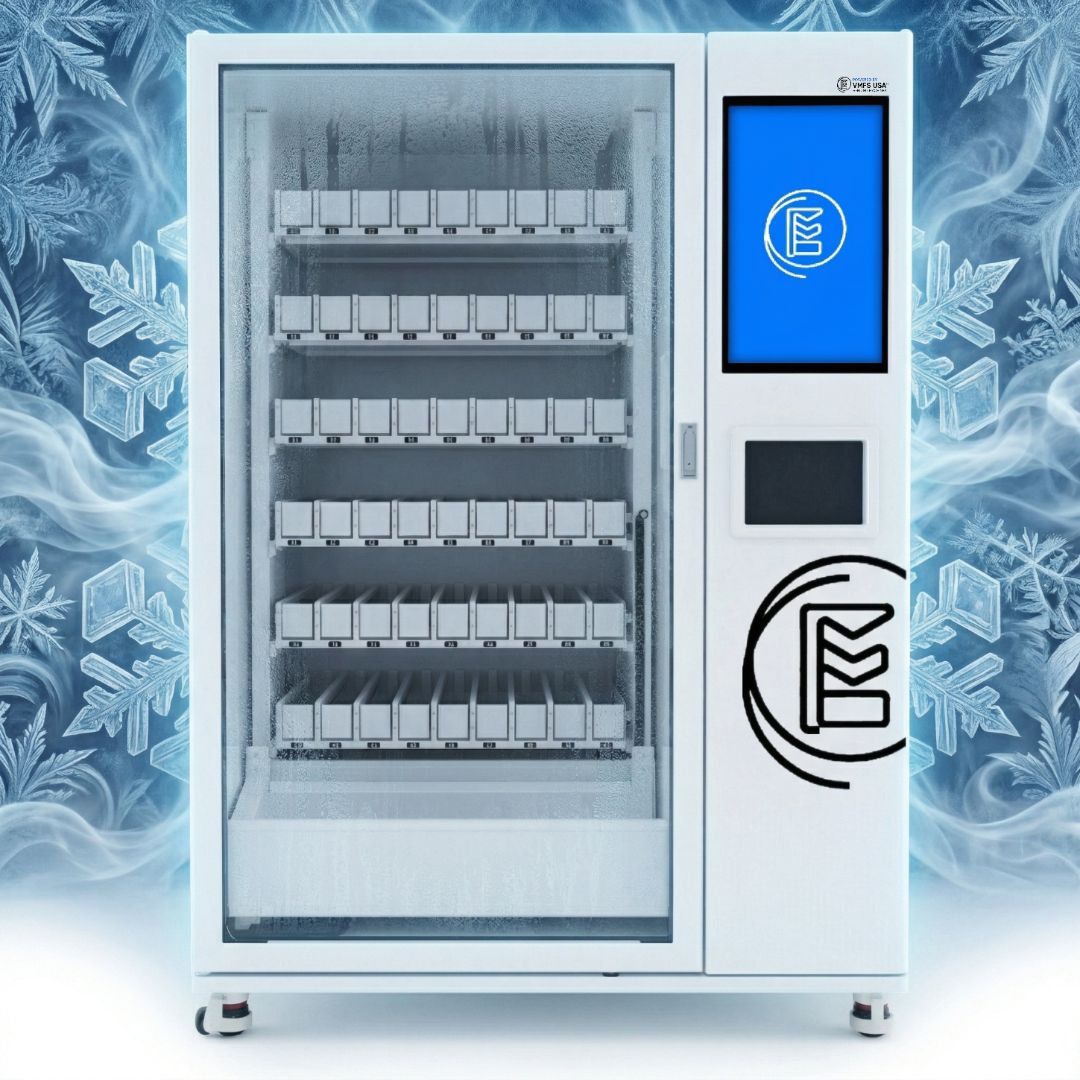
Meals stored frozen, heated when ordered. Notably, this lets the food last for weeks or months and means you restock less often. The AI powered frozen food vending machine uses cameras and weight sensors to track inventory. Best for rural and lower-traffic spots where weekly restocking is hard.
Not sure which machine to pick? The food vending machine system lets you set the temperature, delivery type, tray layout, and capacity around your actual menu. Alternatively, the vending machine quiz walks you through the right setup in three minutes.
Hot food vending is not a restaurant. In fact, real operator data shows the best machines run only 8 to 20 menu items, not 40. As a result, a tighter menu means faster sales, less waste, and an easier deal with your kitchen partner.
The categories that always win are hot sandwiches and panini, ramen and rice bowls, breakfast burritos and breakfast sandwiches, pasta dishes, soup cups, and high-protein meals for gym audiences. Pizza and frozen meals also sell well in the right machine. Avoid foods that need precise reheating or that go bad in under 48 hours.
Most new hot food operators price too low and leave a lot of money on the table. In fact, the strongest machines charge $7 to $12 a meal, not $4 to $6. Customers compare hot food vending to fast-casual takeout ($12 to $18) and food delivery ($18 to $25 with fees). They are not comparing to a 7-Eleven sandwich. Therefore, price like a real meal. The ROI calculator runs the math for any price you want to test.
Hot food vending needs more marketing than snack vending because customers want to trust the food. Specifically, the marketing checklist includes a sign with your food handler permit number, real photos of the meals on the touchscreen, allergen and nutrition info, and a clear date stamp on every package. Beyond the machine itself, the strongest channels are emails to the host site staff, local press around launch, and a Google Business Profile listing for each machine to win local SEO.
If you want a real marketing plan, including local SEO, partner outreach, and content for B2B contracts, the team at vending business marketing works with food, healthy, and specialty vending operators.
Get a configured quote, financing options, and connections to commissary, location placement, marketing, and legal advisory partners across the VMFS Family.
View the Hot Food Vending Machine Request a Quote Talk to a Specialist



Share:
Narcan Vending Machine: How It Works, Costs, and How to Launch a Harm Reduction Vending Business
Micro Markets in 2026: The Complete Operator Guide