




Design the perfect vending solution for your location and customers.

Join the VMFS newsletter and step into a thriving network dedicated to collective success.
One signup. Endless possibilities.
A vending machine license requires business registration, a federal Employer Identification Number, state sales tax setup, and local permits. If you sell food or drinks, you may also need a health inspection from your local health department. These steps change by state and city, so operators must confirm local rules before placing machines.
Understanding how to get a vending machine license protects your route and helps you secure better locations. It also prevents fines and delays. This guide explains each step in simple terms. You will learn how to register your business, apply for vending permits, meet food safety rules, and prepare the documents most offices request.
By following this process, you can launch your vending business with confidence and place vending machines in high traffic locations. If you plan to offer specialty options, you can later expand into units such as coffee vending machines based on customer demand.
You must register your business before applying for any vending permits. This step creates a legal structure that allows you to operate in your state. It also helps when signing placement agreements with property owners.
How to obtain: Visit your state’s business registration portal. Choose your structure, complete the online form, and pay the filing fee. Many states approve registrations within a few hours.
If you want to use a brand name, register a DBA during this step. This helps when marketing your route or placing Seaga vending machines in schools, offices, or fitness centers.
An Employer Identification Number identifies your vending business for tax and licensing purposes. You will need it for sales tax registration, bank accounts, and most permit applications.
How to obtain: Apply on the IRS website. The online form takes a few minutes, and approval is instant. You will receive your EIN confirmation letter immediately.
Most landlords ask for your EIN before signing a placement agreement, especially if you operate coffee vending machines or other machines that require additional compliance.
States require operators to register for sales tax when selling taxable snacks, drinks, or packaged goods. This step is needed before you apply for local vending permits.
How to obtain: Go to your state’s Department of Revenue website. Create an account, enter your EIN, and complete the online registration. Many states approve applications within one business day.
This registration is important for operators placing beverage vending machines or any machine that dispenses taxable products. It also helps landlords verify that your business follows state rules.
Your city or county will require a general business license. This license confirms that your business is legally allowed to operate in that area.
How to obtain: Visit your city or county business licensing office online. Fill out the application with your business name, EIN, address, and contact details. Submit the required fee. Many cities issue approvals within a few days.
Some landlords may request a copy of this license before allowing you to place combo vending machines or snack units on their property.
After you obtain your business license, you can apply for your vending machine permit. This permit authorizes you to place machines in specific locations within the city or county.
How to obtain: Go to your city’s consumer affairs or licensing division. Submit an application that lists your business details, machine count, and the type of products you will sell. Pay the required fee.
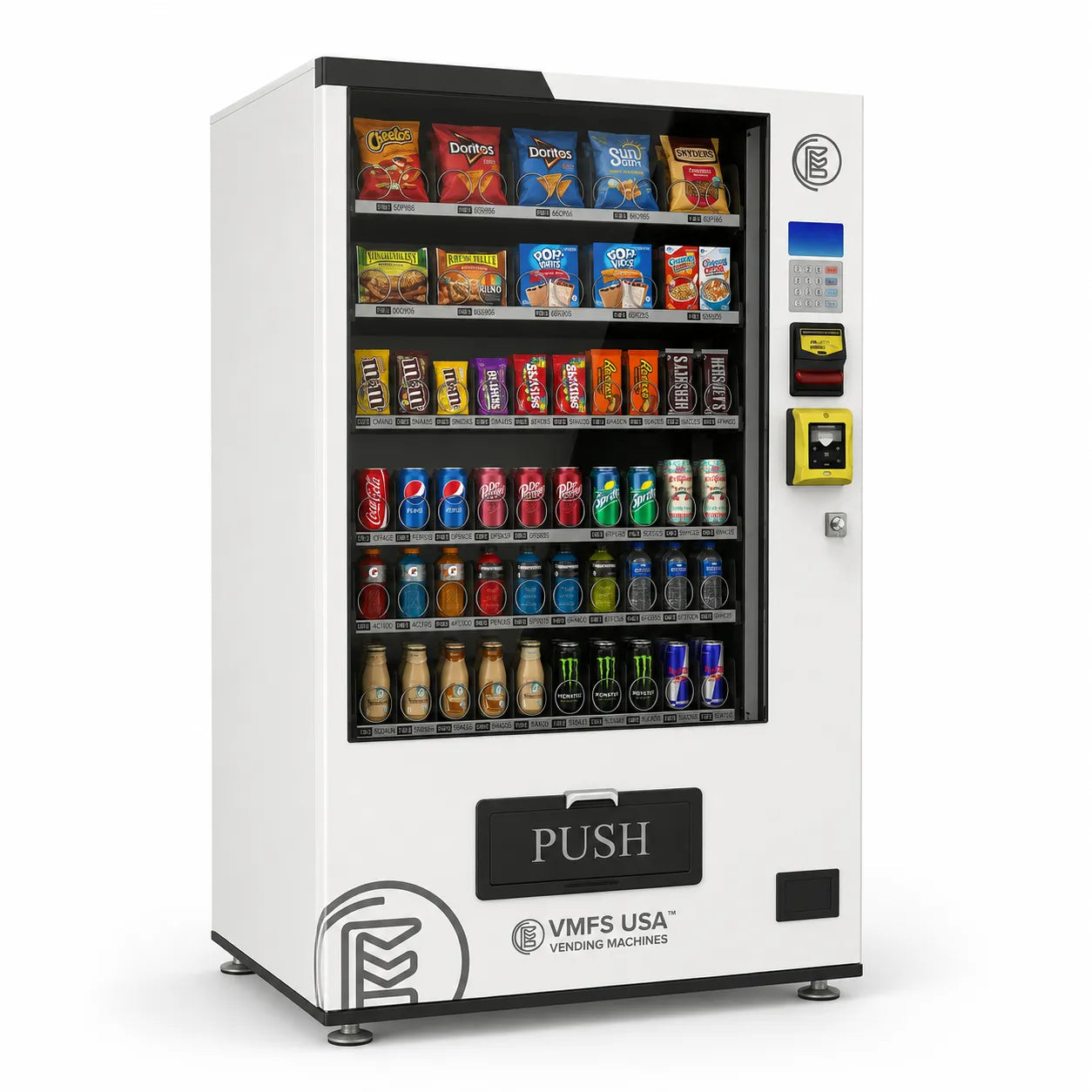
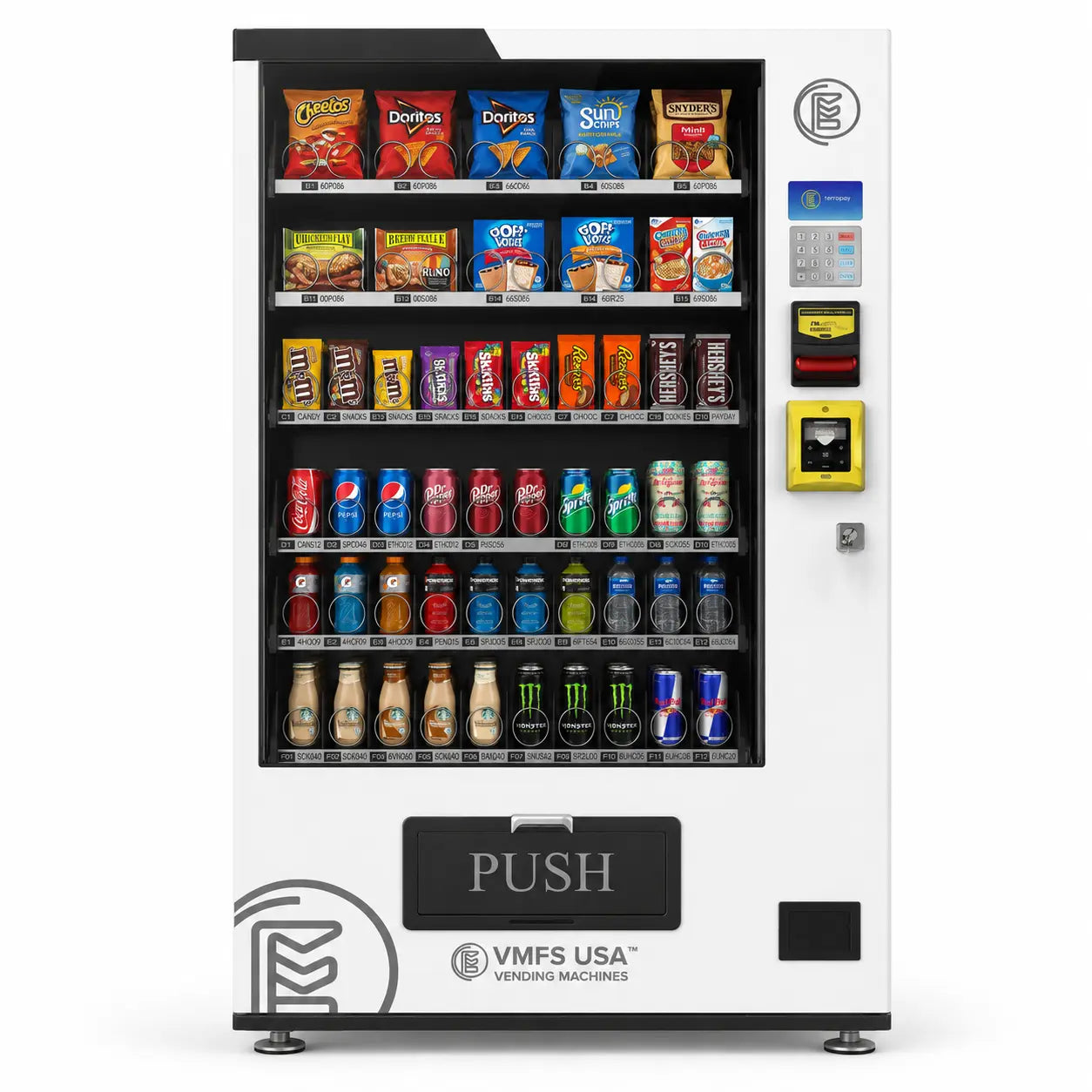
Some cities charge per operator, while others charge per machine. In addition, certain areas request details about the machine type. For example, combo vending machines may need product details before approval.
Once the office reviews your application, they will issue your vending permit. Approval times vary by location.
If your vending machines sell food or beverages, a health permit may be required. This ensures your machines meet local sanitation and temperature standards.
How to obtain: Visit your city or county health department website. Submit the food permit application and schedule the inspection. Some cities also require a food handler certificate.
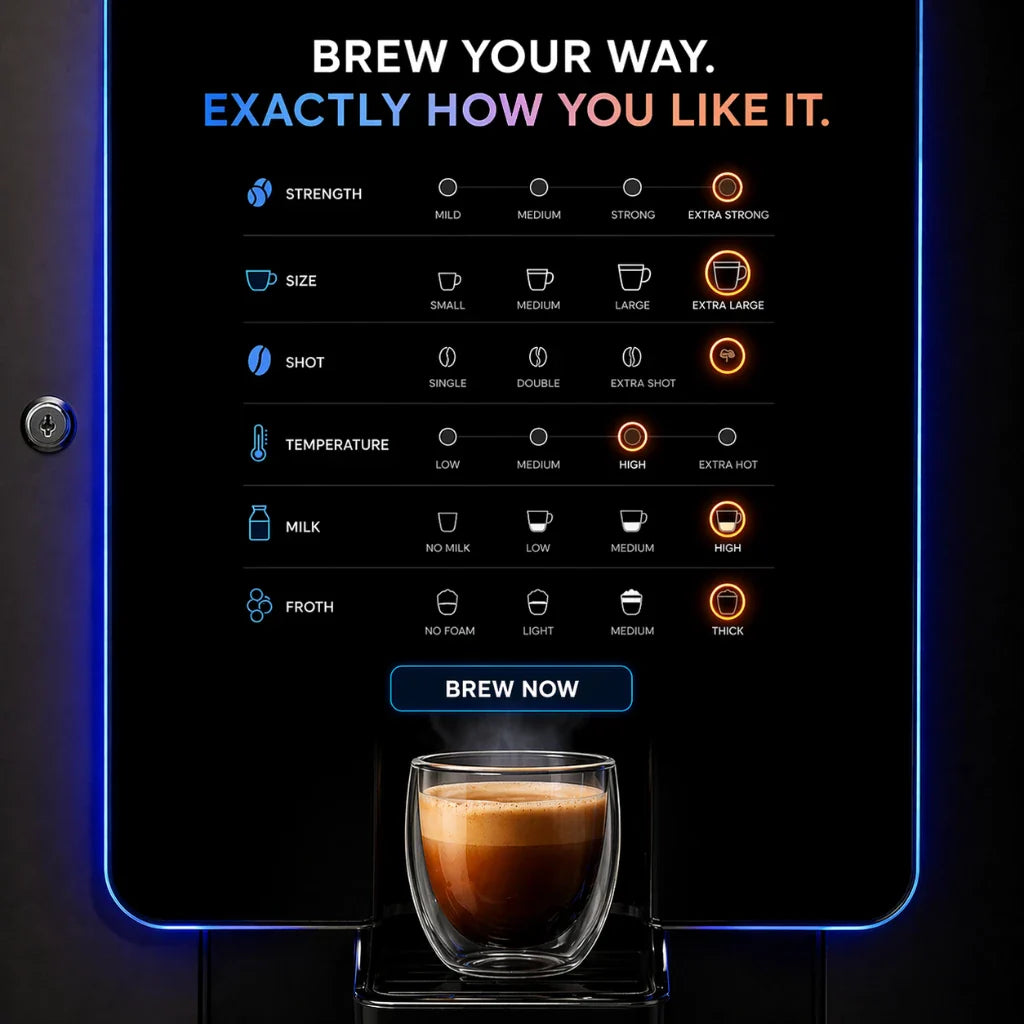
During the inspection, officers check temperature control, cleaning routines, and storage safety. Machines such as coffee vending machines or refrigerated units must follow local rules closely.
Once approved, you can place food or drink machines in offices, gyms, or schools.
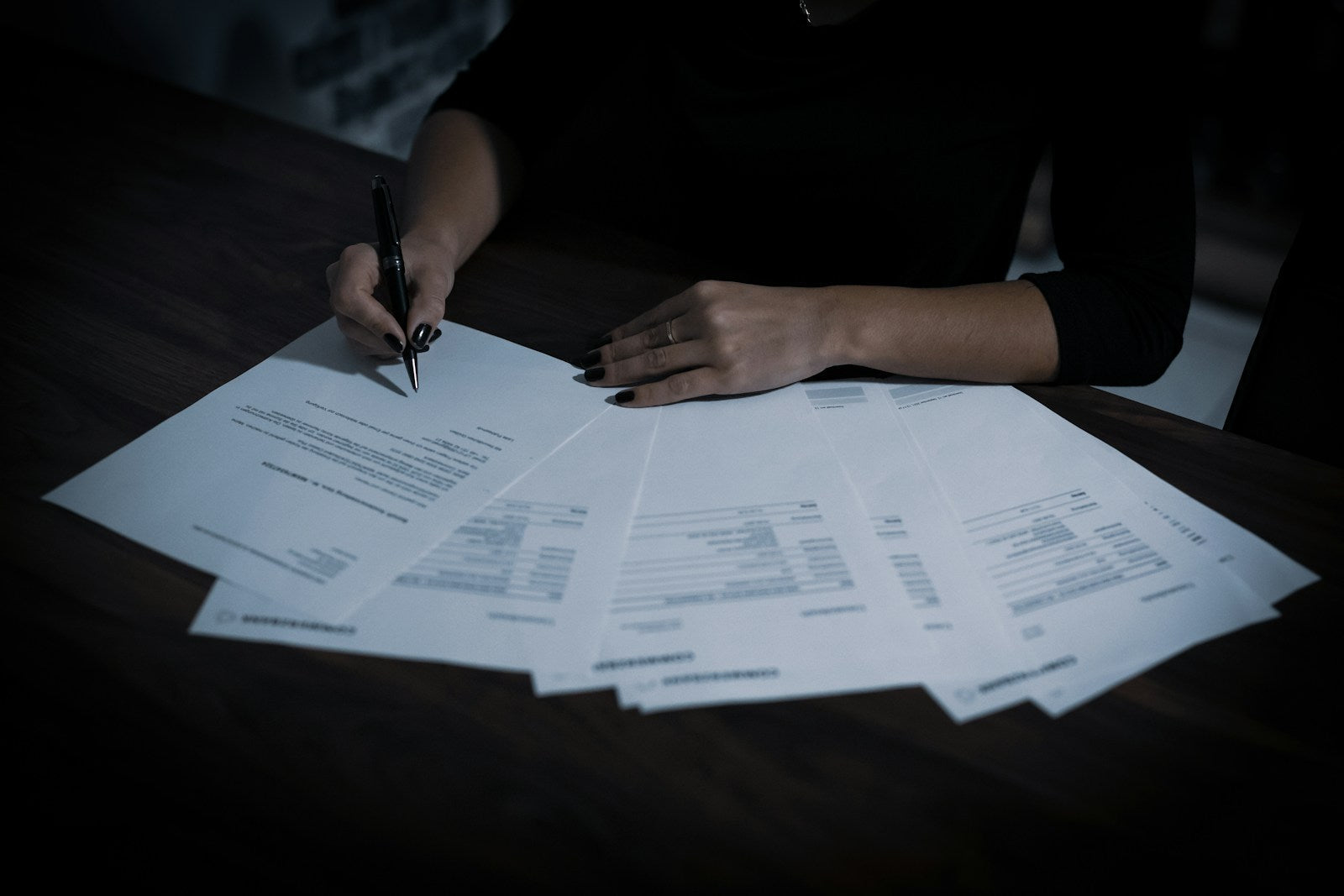
After you understand permit requirements, gather the documents needed for each office. Preparing them early speeds up the process.
Many cities also request a simple site list if you operate multiple units including Seaga vending machines or healthy vending machines.
Permit costs vary by city, county, and machine type. Most operators pay between 50 Dollars and 300 Dollars per year for vending permits. Health permits may add extra fees if you sell food or drinks.
General cost ranges include:
Costs increase for machines that store perishable goods or offer multiple product types such as combo vending machines.
Processing times vary, but most operators complete the full licensing process within two to four weeks. Some steps, such as the EIN and sales tax registration, are approved quickly, while health permits may require scheduled inspections.
Operators often make small mistakes that delay approval. The most common include skipping sales tax registration, placing machines before licensing, ignoring health permit requirements, and failing to check zoning rules.
Reviewing local rules early helps avoid these issues when setting up beverage vending machines or snack units.
No. You can operate as a sole proprietor. However, many operators choose an LLC for liability protection and a more professional structure.
Most vending machine licenses cost between 50 Dollars and 300 Dollars depending on your city or county. Fees may be higher if health permits are required.
Yes. Any machine that stores or serves food or beverages may require a health permit and an inspection from your local health department.
Yes. Many operators complete licensing first so they can place machines as soon as they purchase them.
Getting a vending machine license is simple when you follow each step in the correct order. By registering your business, setting up your tax accounts, obtaining local permits, and meeting health rules, you can operate legally and place machines in strong locations. With the right preparation, you can move confidently into offices, schools, gyms, and public areas using equipment such as combo vending machines or healthy vending machines.
Share:
Used Combo Vending Machines vs New Combo Vending Machines
Used Combo Vending Machines vs New Combo Vending Machines