




Design the perfect vending solution for your location and customers.

Join the VMFS newsletter and step into a thriving network dedicated to collective success.
One signup. Endless possibilities.
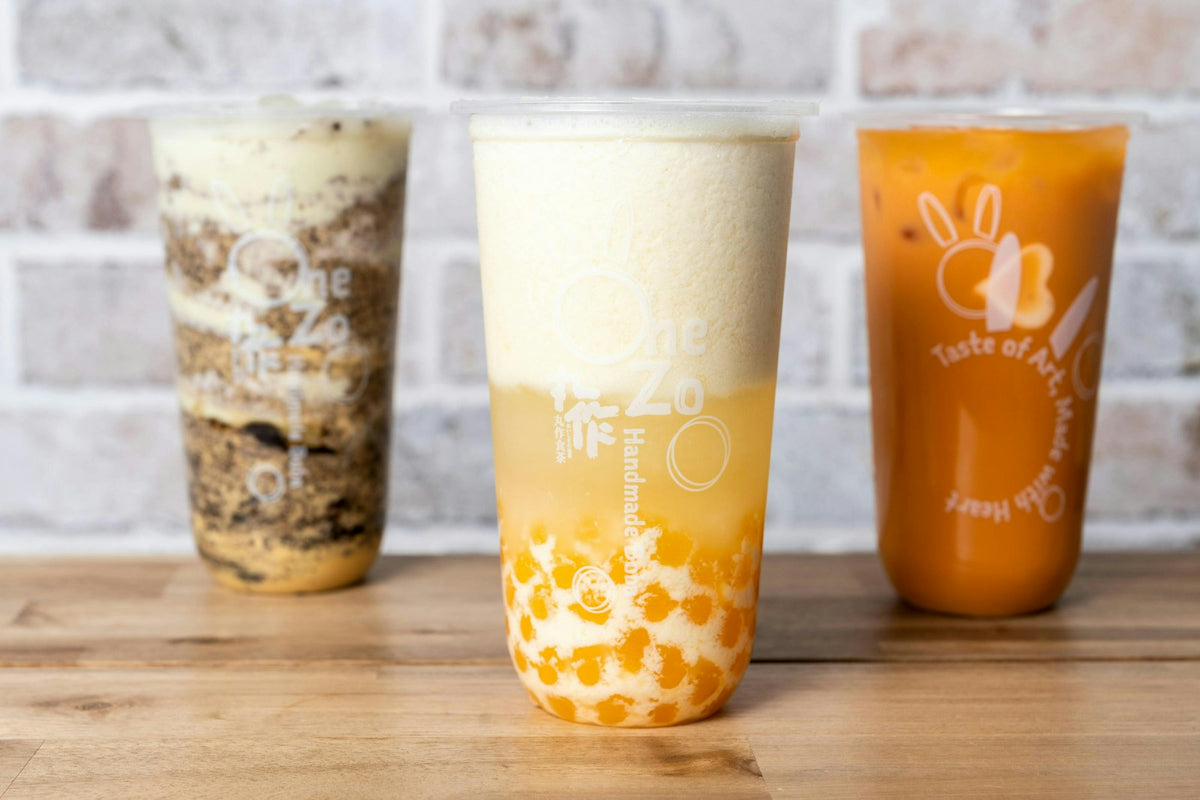
Yes, boba tea vending machines can be profitable when placed in the right locations and managed strategically. These machines merge two fast-rising trends: the booming demand for bubble tea and the rapid shift toward automation in retail. With minimal labor and high product appeal, they offer operators a business that can run efficiently all day, every day. The traditional boba tea shop model relies on staff, rent, and training. In contrast, a boba tea vending machine delivers the same product quality with greater consistency and almost no staffing. It prepares milk tea or fruit tea within minutes, seals the cup, and dispenses it ready to serve. This makes it ideal for airports, malls, schools, and office buildings where customers want fresh, high-quality drinks without waiting in line. Modern new vending machines powered by smart technology are reshaping the beverage industry. They allow operators to monitor performance remotely, update menus through the cloud, and handle cashless payments. This guide explains how these systems make money, what it costs to get started, how long it takes to recover investment, and what determines success in this fast-growing automated market.

A boba tea vending machine is an automated system that prepares and serves fresh boba drinks without staff supervision. It uses advanced technology to combine tea bases, milk, creamer, and toppings such as tapioca pearls, popping boba, or jelly in precise proportions. Within one minute, the machine produces a fully sealed, café-quality drink ready for customers to grab and enjoy. These systems bridge the gap between convenience and quality, making them ideal for airports, offices, schools, and shopping centers.
Modern boba tea vending machines integrate smart technology, remote monitoring, and real-time inventory control, allowing operators to manage multiple units efficiently. Their modular design, automatic maintenance alerts, and reliable construction make them suitable for both small businesses and large-scale automated retail setups.
 Profitability for a boba tea vending machine depends on balancing investment cost, location, and product sales. These machines have higher initial costs than snack or drink machines but also deliver higher per-cup earnings, faster payback periods, and stronger long-term margins.
Even at the higher end, the total investment is significantly lower than opening a traditional boba tea shop, which may exceed $150,000 in rent, labor, and equipment costs. This makes a boba tea vending machine a more practical choice for entrepreneurs or vending operators seeking high margins with minimal overhead.
Operators can monitor ingredient levels, performance, and temperature remotely using smart cloud systems, reducing the need for physical inspections. This level of automation allows one person to manage multiple machines efficiently, further lowering operating costs.
Because customers frequently repurchase, boba tea vending machines maintain consistent sales and outperform snack or beverage units in both transaction value and customer retention. With a strong location, appealing flavors, and proper maintenance, they can become reliable income sources in the growing automated food and beverage sector.
Success with a boba tea vending machine depends on three critical pillars: location, product mix, and machine reliability. These factors work together to determine how much revenue your machine can generate each month and how quickly you recover your investment. When managed correctly, they turn a single unit into a high-performing, consistent income source.
Location has the strongest impact on profitability. Placing your boba tea vending machine in high-traffic areas with a younger, trend-focused demographic dramatically improves daily sales. Bubble tea is especially popular among Gen Z and millennials, who prefer convenient, customizable drinks they can grab quickly between activities.
Operators using cloud-based systems can track performance by location, allowing them to compare sales and move underperforming units easily. This data-driven approach helps identify high-yield spots and reduce wasted effort.
One of the main advantages of a boba tea vending machine is its ability to serve multiple drink types from a single unit. Offering popular flavors, seasonal items, and customizable options helps attract repeat customers and boost average spend per transaction.
Variety helps maintain long-term engagement, but simplicity ensures faster service and easier maintenance. The most profitable operators balance both by offering a limited but appealing menu of bestsellers that require minimal restocking effort.
Modern boba tea vending machines rely on advanced technology that directly supports uptime, efficiency, and customer satisfaction. Smart sensors, automated cleaning systems, and reliable dispensing modules ensure smooth daily operations and consistent beverage quality.
Reliability is more than convenience—it is what protects your profits. Every hour of downtime is lost revenue, which is why high-quality new vending machines with verified uptime and accessible support networks are the foundation of a sustainable automated business.
Understanding how a boba tea vending machine performs in different environments helps you predict realistic earnings and plan your investment strategy. Profit varies by location, product selection, and consumer flow, but across most U.S. markets, operators report strong results when the three pillars (location, product mix, and technology) are aligned. Below are sample scenarios that demonstrate how these machines perform in real-world settings.
College campuses are one of the best-performing environments for boba tea machines. Students crave quick, fun, and customizable drinks between classes, which creates consistent traffic all day. A machine placed in a student union or dorm lobby can easily serve 40 to 50 cups daily. With an average price of $6 per drink and an ingredient cost near $1.25, monthly revenue can reach around $7,000 with roughly $3,000 in net profit after expenses.
In shopping malls or co-working spaces, the boba tea vending machine serves as a low-maintenance café alternative. Visitors and professionals often buy multiple drinks per week, creating stable, recurring revenue. Operators can charge premium pricing between $6.50 and $7.50 per cup in these environments. Selling 45 drinks daily can generate up to $3,000 to $3,500 in monthly profit.
Hotels and airports provide unmatched exposure for boba tea vending machines. Travelers and guests are willing to pay higher prices for quality beverages available 24 hours a day. Machines in these locations typically have faster turnover, sometimes reaching full ROI in under a year. For instance, a unit selling 60 drinks daily at $7 per serving can yield more than $12,000 per month in gross revenue and $4,000 to $5,000 in net profit.
Compared to snack or soda vending machines, a boba tea vending machine generates a higher transaction value and repeat purchase frequency. While snack machines rely on high volume and low prices, boba machines combine novelty and taste appeal to attract more consistent buyers. The result is stronger average profit per location and a more loyal customer base, especially in younger markets.
Each of these scenarios demonstrates how the right strategy can transform a boba tea vending machine from a single placement into a profitable, scalable business model. When paired with remote management and consistent service, these machines can outperform traditional vending options across most commercial environments.
 Many operators start with a single boba tea vending machine and scale up as profits grow. Since these machines are designed for automation, expansion becomes easier with every new location. Financing options are available from most vending equipment suppliers and third-party lenders, allowing you to spread the initial cost across affordable monthly payments while keeping early cash flow intact.
Some operators diversify their portfolio by adding other automated food and drink units, such as coffee vending machines or instant noodle vending machine. This cross-category expansion helps capture different audience segments while using the same management infrastructure.
Like any business, running a boba tea vending machine comes with operational challenges. However, with proper preparation, these risks can be minimized and managed efficiently.
Insurance, extended warranties, and vendor support plans further protect your investment. Choosing suppliers that provide maintenance assistance, replacement parts, and responsive technical support ensures downtime remains minimal. This stability directly contributes to higher profit retention and customer trust.
The future of boba tea vending machines looks promising as automation reshapes how consumers buy specialty beverages. With artificial intelligence improving flavor personalization and predictive maintenance, the next generation of smart vending units will provide even greater efficiency and customization.
This combination of technology, sustainability, and convenience positions new vending machines as a long-term investment category rather than a short-lived trend. Operators adopting smart systems today will lead the next phase of automated dining in the United States.
So, are boba tea vending machines profitable? The answer is yes, provided you choose the right machine, select high-traffic locations, and maintain consistent product quality. With average gross margins exceeding 70 percent and a payback period of roughly 12 to 18 months, these machines can become a dependable source of passive income. Unlike traditional shops, they require no staff, minimal space, and limited oversight. Whether placed in a college campus, airport, or corporate lobby, a well-maintained boba tea vending machine combines innovation, flavor, and financial sustainability. For entrepreneurs exploring the future of automated retail, investing in this segment means tapping into one of the fastest-growing beverage categories in the world.
Share:
Are Ramen Vending Machines Profitable | Discover How They Earn Consistent Revenue
Are Ramen Vending Machines Profitable | Discover How They Earn Consistent Revenue