



Design the perfect vending solution for your location and customers.

Sales, inventory and alerts for your whole route, from one machine to a fleet.
Answer a few questions about your location, products and budget and get a shortlist.
Estimate revenue, payback period and margin before you buy.
Sales, setup help, warranty and parts from the VMFS USA team.
Join the VMFS newsletter and step into a thriving network dedicated to collective success.
One signup. Endless possibilities.
Estás en una encrucijada. Un camino no cuesta nada al principio y te da una pequeña parte de los ingresos de otros. El otro camino cuesta dinero al principio y te lo da todo: el margen, la marca, el control y la rentabilidad a largo plazo.
La mayoría de la gente elige el primer camino porque les parece más seguro. Y la mayoría de ellos pierde miles de dólares cada año.
Esta es una comparación honesta y completa entre las máquinas expendedoras personalizadas y las estándar. Todas las diferencias reales, explicadas claramente, para que pueda tomar la decisión correcta en su caso.
Una máquina expendedora estándar es propiedad de otra persona, está abastecida por otra y genera la mayor parte de sus ingresos para otra persona. Una máquina expendedora personalizada es tuya, la configuras tú y genera todos los ingresos que genera para ti. Esta distinción es la que impulsa todas las demás diferencias en esta página.
Una máquina estándar es una unidad configurada de fábrica que un operador de venta externo instala en su ubicación. Ellos la abastecen, la mantienen y se quedan con el margen. Usted recibe una comisión sobre las ventas brutas, normalmente entre el 5% y el 15%, a cambio de proporcionar el espacio y la toma de corriente.
Tiene baja fricción. No hay nada de malo si lo que necesitas es baja fricción. Pero seamos precisos sobre a qué estás renunciando a cambio de esa comodidad.
El estándar tiene sentido en situaciones específicas, que abordaremos más adelante. Para la mayoría de los negocios con tráfico peatonal real y un interés real en los ingresos de su espacio, es un mal acuerdo a largo plazo.
Una máquina expendedora personalizada es una unidad de su propiedad absoluta. Usted decide el tipo de máquina, la configuración interna, la gama de productos, el precio, el sistema de pago y la imagen exterior. Cada dólar de margen que genere va directamente a usted.
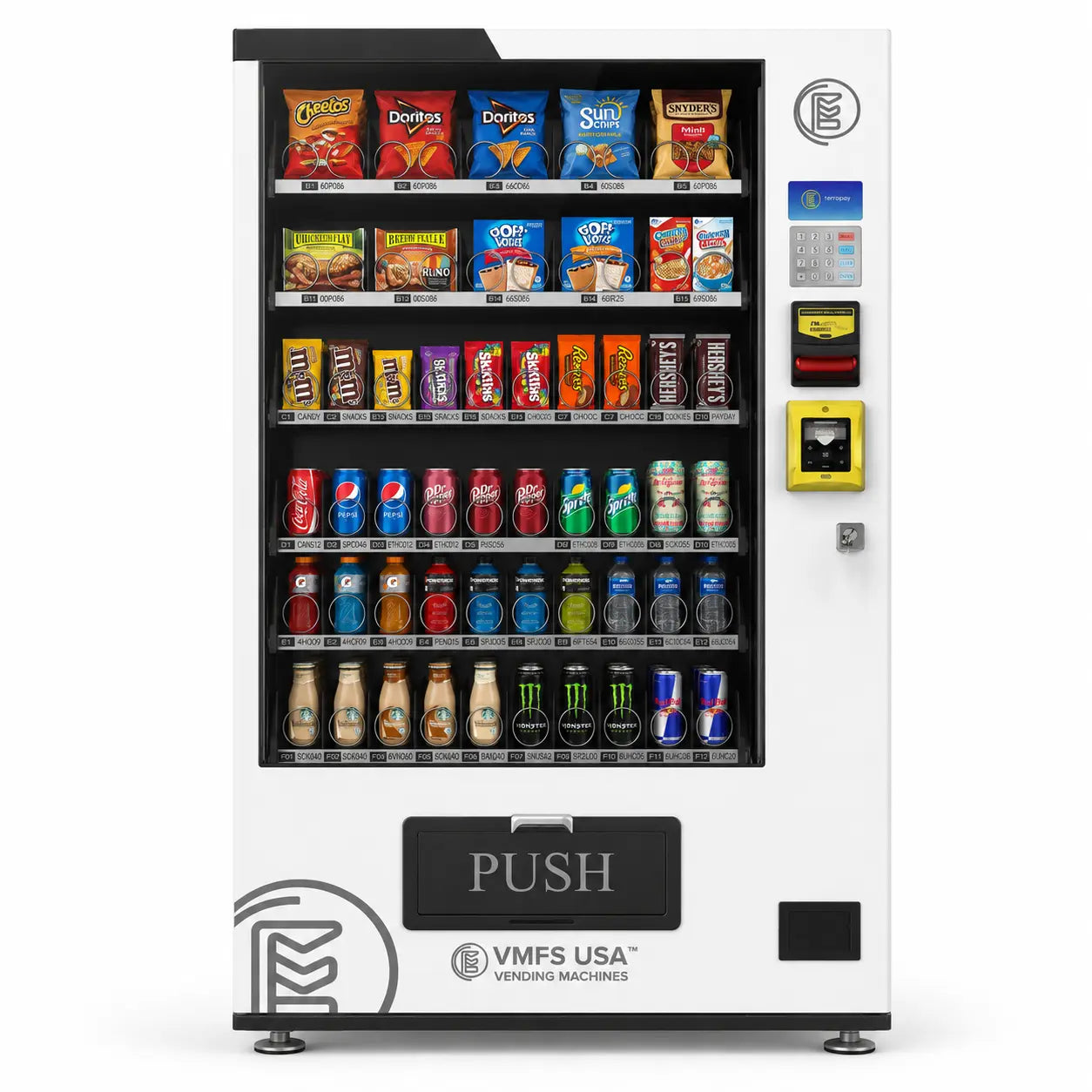
La personalización se realiza en dos niveles. El primero es estético y operativo: un envoltorio personalizado para la máquina expendedora , gráficos de pantalla con la marca, integración de pagos sin efectivo y una selección de productos seleccionados, superpuestos a una máquina de producción estándar. Esta es la opción más común y accesible para la mayoría de los operadores y propietarios de negocios.
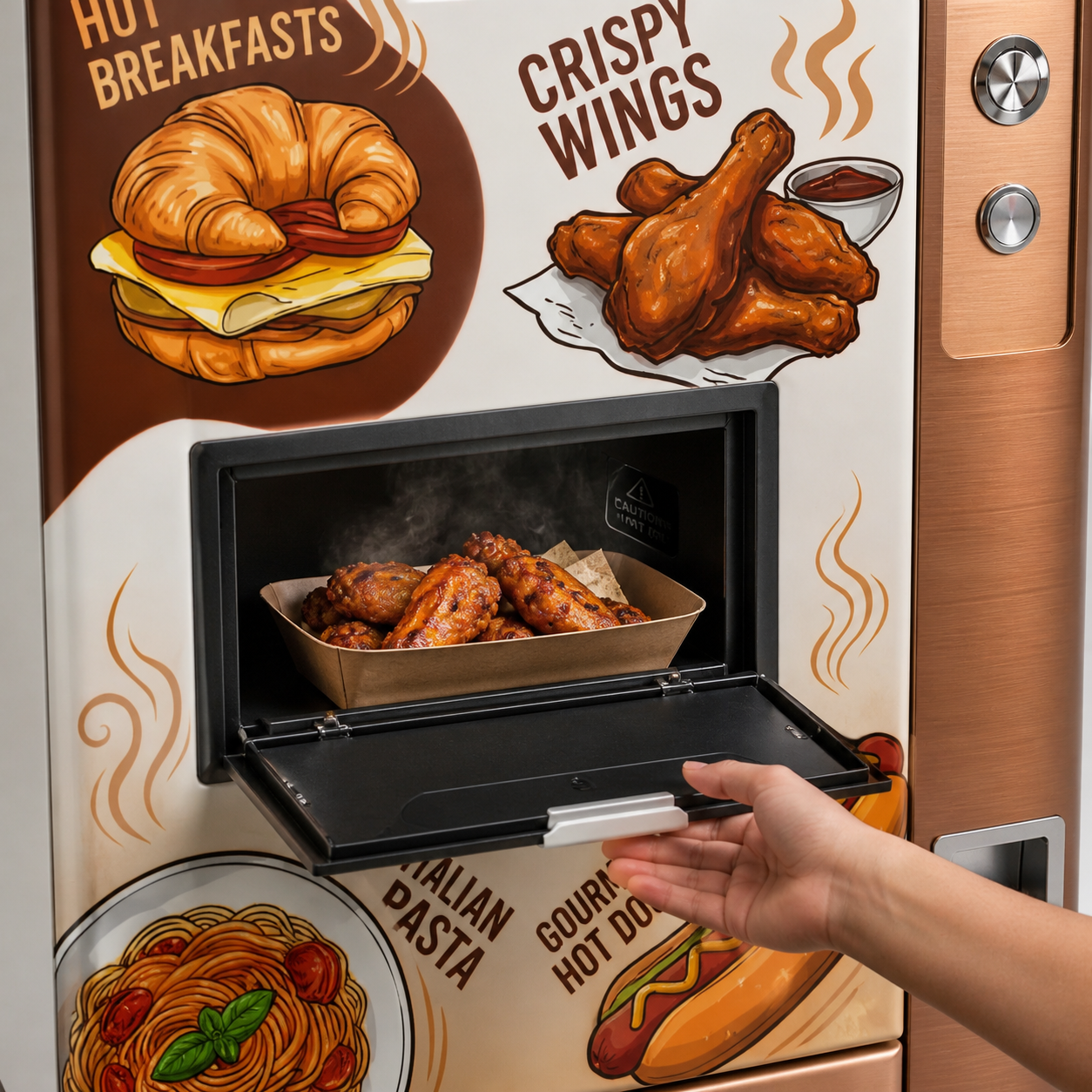
El segundo nivel es una construcción totalmente personalizada, donde se fabrica una máquina según sus especificaciones exactas para un producto o entorno específico que las unidades estándar no pueden atender. Esto es menos común, pero esencial para aplicaciones especializadas.
Si aún no sabe qué tipo de máquina se adapta mejor a sus necesidades, consulte nuestra guía de compra de máquinas expendedoras personalizadas . Abarca todas las categorías, configuraciones y rangos de precios antes de invertir.
| Factor | Máquina estándar | Máquina personalizada |
|---|---|---|
| Propiedad | Operador de terceros | Tú |
| Ganancia | Comisión del 5% al 15% | 100% del margen neto |
| Productos y precios | El operador decide ambas cosas | Tú controlas ambos por completo |
| Herrada | Genérico, sin identidad | Envoltura completa, pantalla de marca, tu identidad |
| Impresiones de marca | Cero | Miles por mes, pasivamente |
| Costo inicial | Cero | De $3,000 a $12,000 según el tipo |
| Techo de ingresos | Limitado a la tasa de comisión | Crece con el volumen y la optimización del producto. |
| Datos de ventas | El operador lo tiene, no tú | Telemetría completa en tiempo real, tuya |
| Opciones de la máquina | Solo flota del operador | Combo , café , snack , especialidad , totalmente personalizado |
| Poder de colocación | Débil | Las máquinas de marca aseguran mejores lugares |
| Fidelización de clientes | Ninguno | Puntos de contacto de marca en cada visita |
| Período de recuperación | No hay inversión que recuperar | De 18 a 36 meses en una ubicación sólida |
El argumento de la máquina estándar es simple: no cuesta nada por adelantado. Este argumento es técnicamente cierto y financieramente engañoso al mismo tiempo.
Así se ve la diferencia de ingresos en números reales durante 36 meses, utilizando una máquina que genera $500 por mes en ventas brutas en una ubicación con un margen neto del 55%.
| Guión | Ingresos mensuales para usted | Total durante 36 meses |
|---|---|---|
| Máquina estándar con 10% de comisión sobre $500 brutos | $50 | $1,800 |
| Máquina personalizada con un margen del 55 % sobre un precio bruto de $500 | $275 | $9,900 |
| Diferencia a lo largo de 36 meses | $225 más por mes | $8,100 más en total |
Una máquina personalizada que cuesta $6,000 y genera $275 netos al mes se amortiza en aproximadamente 22 meses. Después, cada dólar es ganancia. La máquina estándar generó $1,800 en los mismos tres años. Los cálculos no son exactos.
La máquina estándar no tiene un costo inicial y genera muy poco a largo plazo. La máquina a medida tiene un costo inicial y genera mucho más cada año de funcionamiento. Plantear esto como una cuestión de costos es totalmente erróneo. Es una cuestión de rentabilidad.
El costo inicial de una máquina expendedora personalizada es la razón más común por la que las personas optan por la estándar. Pero esa objeción desaparece en gran medida cuando se considera cómo se financia realmente el equipo expendedor.
Una máquina personalizada financiada a un plazo de 36 a 48 meses con las tarifas estándar de los equipos genera un pago mensual que suele ser inferior al margen adicional que genera en comparación con el modelo de comisiones. La máquina se financia con sus propios ingresos.
| Artículo | Cantidad |
|---|---|
| Inversión total en máquinas combinadas personalizadas | $7,500 |
| Pago de financiamiento mensual durante 48 meses | $185 |
| Ingresos netos mensuales promedio de la máquina | $260 |
| Beneficio mensual después del pago del financiamiento | $75 a partir del primer mes |
| Ingresos mensuales por comisión de máquina estándar | $50 |
| Ventaja mensual sobre el estándar incluso con financiación | $25 más por mes |
| Beneficio mensual una vez pagada la máquina | $260, costo de financiamiento cero |
El financiamiento de equipos, los microcréditos de la SBA y las líneas de crédito comerciales son opciones disponibles para financiar una máquina personalizada. Nuestra guía sobre opciones de financiamiento para máquinas expendedoras cubre todas las opciones disponibles, incluyendo criterios de calificación, comparaciones de tasas y qué preguntar antes de firmar cualquier contrato.
La marca es el aspecto de esta comparación que más se subestima. Se considera que un envoltorio personalizado para una máquina expendedora es un simple detalle estético. No lo es. Es un activo comercial funcional que cambia el funcionamiento de la máquina, la percepción de los anfitriones y la interacción diaria de los clientes.
Si desea comprender exactamente lo que una máquina de marca hace por una empresa más allá de la línea de ingresos, nuestra publicación sobre por qué su empresa necesita una máquina expendedora de marca personalizada cubre el caso completo con datos de retención, matemáticas de impresión de marca y las categorías comerciales donde el retorno es más fuerte.
Con una máquina estándar, el operador almacena lo que más se vende en toda su ruta. Esto significa que la gama de productos está optimizada para su ubicación promedio en docenas o cientos de paradas. Su público no es promedio. Un gimnasio recibe los mismos productos que un edificio de oficinas. El pasillo de un hotel recibe la misma gama que la cafetería de una escuela.
Con una máquina personalizada, usted almacena lo que su audiencia realmente quiere, con el margen que necesita y al precio que su entorno admite.
| Tipo de ubicación | Qué ofrece una máquina estándar | Lo que ofrece una máquina personalizada |
|---|---|---|
| Gimnasio o centro de fitness | Snacks genéricos y refrescos | Barritas de proteínas, pre-entrenamiento, hidratación, productos de recuperación a precios premium. |
| Oficina corporativa | Mezcla de productos promedio de ruta | Café premium, snacks saludables y bebidas energéticas diseñadas para profesionales. |
| Pasillo del hotel | Artículos de conveniencia estándar | Artículos esenciales de viaje, bebidas premium y refrigerios a precios acordes a la demanda del sector hotelero. |
| Centro de salud | Opciones genéricas | Opciones más saludables apropiadas para pacientes, visitantes y personal clínico |
| Campus universitario | Lo que se ajuste a la ruta del operador | Productos preferidos por los estudiantes a precios adecuados para ellos |
La adecuación entre producto y público es una de las mayores palancas de ingresos en el sector de las máquinas expendedoras. Solo se tiene acceso a ella cuando se es propietario de la máquina.
Una máquina estándar es la que el operador tenga disponible. Una máquina personalizada es la que usted decida necesitar.
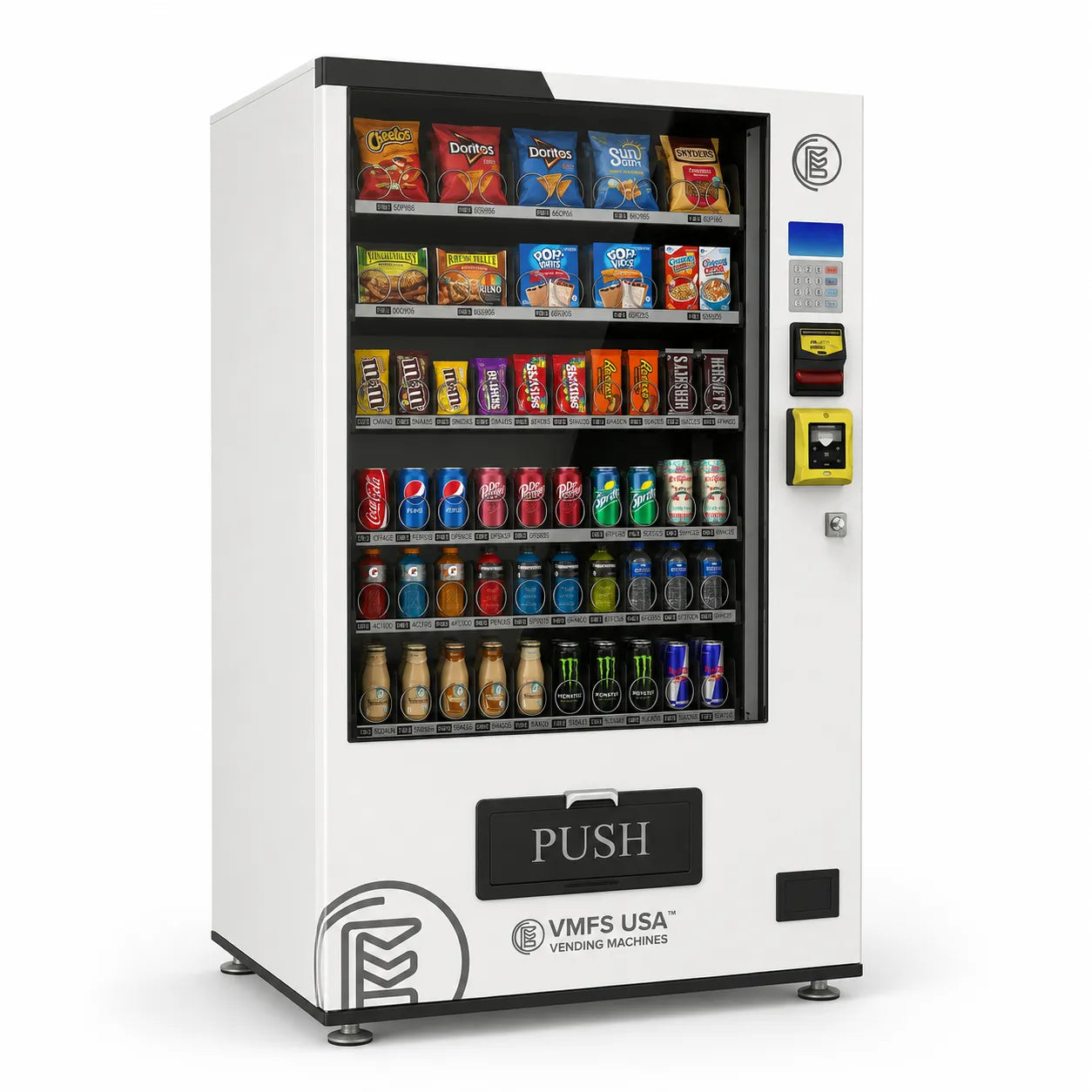
Una máquina expendedora combinada que ofrece refrigerios y bebidas en un solo gabinete es una de las configuraciones más eficientes para la mayoría de los locales. Elimina la necesidad de dos máquinas separadas, reduce a la mitad el espacio requerido y genera más ingresos por metro cuadrado que una unidad solo para refrigerios o bebidas. Para un local con tráfico moderado y demanda mixta, esta suele ser la configuración inicial ideal para una primera máquina personalizada.
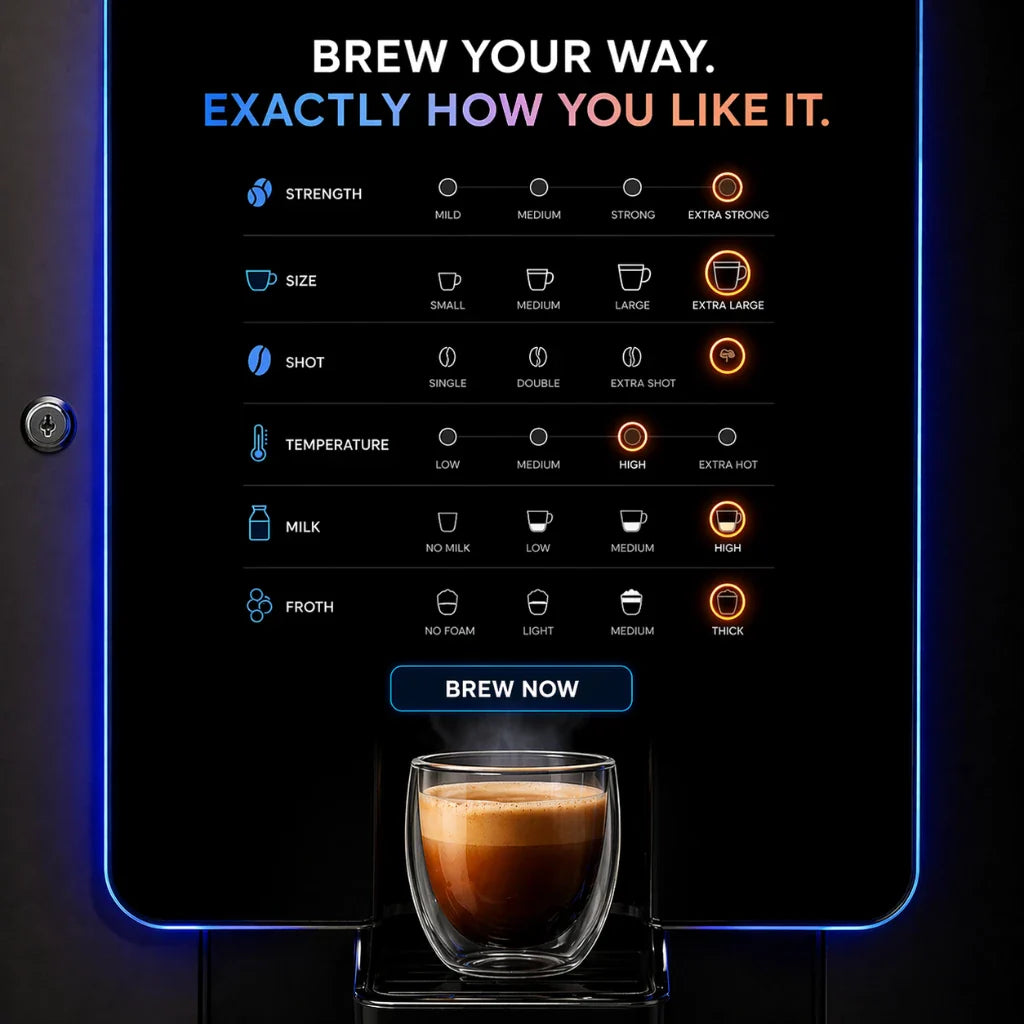
Una máquina expendedora de café es donde la diferencia entre lo personalizado y lo estándar es más acentuada. El café es la categoría con mayor margen de beneficio en las máquinas expendedoras, con costos de ingredientes a menudo inferiores a $0.30 por taza y precios de venta que oscilan entre $1.50 y $3.00 en entornos corporativos o de hostelería. Una máquina de operador estándar significa que recibe una comisión sobre ese margen excepcional. Una máquina de café personalizada significa que usted la conserva. Para cualquier oficina corporativa, hotel o campus, una máquina de café de marca propia es una de las inversiones más sólidas disponibles en máquinas expendedoras.
Para los operadores que compran su primera unidad personalizada, las máquinas expendedoras Seaga son siempre recomendadas por su fiabilidad, precios accesibles y una sólida red de distribuidores en Norteamérica. Sus configuraciones combinadas son especialmente adecuadas para operadores primerizos que buscan una máquina fiable con un sólido soporte de personalización. Con una configuración estándar, no tiene ninguna influencia en quién fabrica la máquina ni en qué red de servicio la respalda. La propiedad personalizada pone esa decisión completamente en sus manos.
Esta parte de la comparación es la que más sorprende a la gente. La máquina que se utiliza para una conversación sobre colocación cambia significativamente el resultado de la misma.
A un gerente de locación al que se le ofrece una máquina genérica de terceros se le ofrece algo funcional y sin nada destacable. A un gerente de locación al que se le ofrece una máquina personalizada de marca profesional que parece encajar en su espacio se le ofrece algo completamente diferente. Son dos conversaciones muy diferentes, con resultados distintos en cuanto a la ubicación de la máquina, las condiciones establecidas y la duración del acuerdo.
Los operadores de máquinas personalizadas reportan consistentemente mejores ubicaciones, mejor posicionamiento en esas ubicaciones y mejores condiciones contractuales que los operadores que llegan con equipos genéricos. La apariencia de la máquina es parte de la presentación.
Para obtener un desglose completo sobre cómo evaluar ubicaciones, negociar ubicaciones y maximizar el rendimiento desde el primer día, nuestra guía sobre estrategias de ubicación de máquinas expendedoras cubre cada categoría de ubicación principal con umbrales de tráfico peatonal, puntos de referencia de ingresos y orientación sobre posicionamiento.
Hemos sido directos sobre dónde gana el diseño personalizado. La versión honesta de esta comparación también incluye las situaciones en las que el diseño estándar es realmente la solución correcta.
| Tu situación | Mejor elección | La razón |
|---|---|---|
| Ubicación de alto tráfico, desea maximizar los ingresos | Costumbre | Margen total vs. una fracción de las ventas brutas |
| Quieren cero participación operativa | Estándar | El operador se encarga de todo, la comisión no requiere nada de usted |
| ¿Quieres que tu marca sea visible en tu espacio? | Costumbre | Las máquinas estándar no generan ningún valor de marca para su negocio |
| Venta de un producto no estándar o especializado | Costumbre | Los operadores estándar no almacenarán productos de nicho en su margen |
| Menos de 40 visitantes diarios en el lugar. | Estándar | El tráfico es demasiado bajo para justificar una inversión personalizada en un período de recuperación razonable |
| Construir una ruta de venta como negocio | Costumbre | La economía de ruta solo funciona cuando eres dueño del margen en cada máquina |
| Probando una ubicación no probada | Primero lo estándar, luego lo personalizado | Validar el tráfico peatonal y la demanda antes de comprometer capital |
| ¿Quiere obtener el mayor rendimiento a largo plazo de su espacio? | Costumbre | La brecha de ingresos se agrava cada año que la máquina funciona |
Si actualmente tiene una máquina estándar en su ubicación y el tráfico justifica una actualización, la transición es más sencilla de lo que la mayoría de la gente espera.
Comience solicitando sus datos de ventas al operador actual. No siempre están obligados a compartirlos, pero muchos lo harán. Estos datos le indican exactamente cuánto generaría una máquina personalizada en esa ubicación si mantuviera el margen completo en lugar de 10 centavos por dólar.
Luego, identifique el tipo de máquina ideal para su público y producto. Nuestra guía de compra de máquinas expendedoras personalizadas le explica cada opción con especificaciones completas, rangos de precios y recomendaciones de ubicación para que pueda encontrar la máquina perfecta para su ubicación.
Una vez que sabes lo que quieres, la financiación es donde la mayoría de la gente se detiene innecesariamente. Nuestra guía sobre opciones de financiación para máquinas expendedoras te muestra cómo estructurar la compra para que los ingresos propios de la máquina cubran el pago mensual desde el primer día en una ubicación confirmada.
Las empresas que hacen este cambio siempre dicen lo mismo. Lo más difícil fue decidirse a actuar. Después, todo fue sencillo.
Propiedad, ingresos y control. Una máquina expendedora estándar es propiedad de un operador externo que la abastece, le da mantenimiento y se queda con el margen. Usted recibe una comisión, normalmente del 5% al 15% de las ventas brutas, por proporcionar el espacio. Una máquina expendedora personalizada es de su propiedad. Usted elige el tipo de máquina, los productos, el precio y la marca. Cada dólar de margen que genere va directamente a su negocio, en lugar de a un operador.
Para cualquier local con una afluencia constante de más de 40 personas al día, las máquinas expendedoras personalizadas son casi siempre la mejor inversión. La diferencia de ingresos entre la propiedad con margen completo y una pequeña comisión se acumula rápidamente a lo largo de 12, 24 y 36 meses. Una máquina personalizada bien ubicada suele amortizar su coste total en un plazo de 18 a 36 meses y genera beneficios netos cada año posterior. Las máquinas estándar generan una fracción de esos ingresos durante el mismo periodo.
No. Las máquinas estándar son propiedad del operador, quien controla su apariencia. Aplicar un rotulado personalizado o cambiar la gama de productos requiere ser propietario de la máquina. Si la identidad de marca es importante para su negocio, una máquina personalizada es la única opción que le brinda ese control.
Disponemos de máquinas personalizadas en todas las categorías principales: solo snacks, solo bebidas, combos de snacks y bebidas, café y bebidas calientes, alimentos frescos y refrigerados, productos especializados de nicho y diseños totalmente personalizados para aplicaciones no estándar. Cada una puede configurarse con un envoltorio personalizado, integración de pagos sin efectivo y telemetría en tiempo real.
Las opciones más comunes son la financiación de equipos a través del proveedor de la máquina, microcréditos de la SBA y líneas de crédito para empresas. La mayoría de los operadores financian el paquete completo, que incluye la máquina, el envoltorio, el hardware de pago y la telemetría, en un único pago a lo largo de 24 a 60 meses. En una ubicación confirmada y bien ubicada, los ingresos mensuales de la máquina suelen cubrir el pago de la financiación desde el primer mes. Consulte nuestra guía completa sobre opciones de financiación para máquinas expendedoras para comparar prestamistas y obtener orientación sobre los requisitos de elegibilidad.
Personalizado, sin excepción, para cualquier gimnasio con una membresía significativa. El público de un gimnasio tiene necesidades nutricionales específicas, una mayor intención de compra justo después de entrenar y una marcada preferencia por productos que se ajusten a sus objetivos. Una máquina estándar ofrece lo que se vende en la ruta habitual del operador. Una máquina personalizada ofrece exactamente lo que sus socios desean a precios accesibles para su entorno y conserva cada dólar del margen de beneficio de su negocio en lugar de transferir la mayor parte al operador.
Sí, en la mayoría de las jurisdicciones. Poseer y operar una máquina expendedora requiere, como mínimo, una licencia comercial estatal y un permiso de operador de máquina expendedora emitido por la autoridad estatal pertinente. Las máquinas que venden alimentos o bebidas perecederos suelen requerir permisos adicionales del departamento de salud. Los requisitos varían considerablemente según el estado y la ciudad, por lo que consultar con el Departamento de Salud y la Secretaría de Estado de su estado antes de la colocación es siempre el primer paso correcto.
Una rotulación personalizada para máquinas expendedoras consiste en un gráfico de vinilo impreso que se aplica a los paneles exteriores de la máquina para personalizarla con su logotipo, colores, mensaje y diseño. Las rotulaciones se imprimen en vinilo fundido de calidad comercial con laminado resistente a los rayos UV y se instalan profesionalmente. Una rotulación de calidad dura de tres a cinco años y su instalación cuesta entre $500 y $1200. Si tiene una máquina personalizada y no la rotula, no genera valor de marca a partir de un activo que está en contacto con el cliente a diario. La rotulación no es opcional para ningún operador que se tome el negocio en serio.
Compartir:
Por qué su empresa necesita una máquina expendedora personalizada
Guía completa para comprar máquinas expendedoras de medicamentos