


Operating a vending machine is designed to be straightforward, but proper training helps you avoid mistakes, reduce downtime, and operate with confidence.
This guide explains what type of training you may need, what VMFS provides, and how operators can access help when learning setup, operation, or basic maintenance.
1. Training Is Designed To Be Practical
VMFS training focuses on real-world operation, not theory. The goal is to help you understand how to use your machine safely, correctly, and efficiently.
Most operators only need basic training to begin operating.
2. Basic Operational Training
Standard machines include guidance covering daily operation tasks.
This typically includes understanding menus, stocking procedures, payment readiness, and normal machine behavior.
3. Advanced Training For Specialized Machines
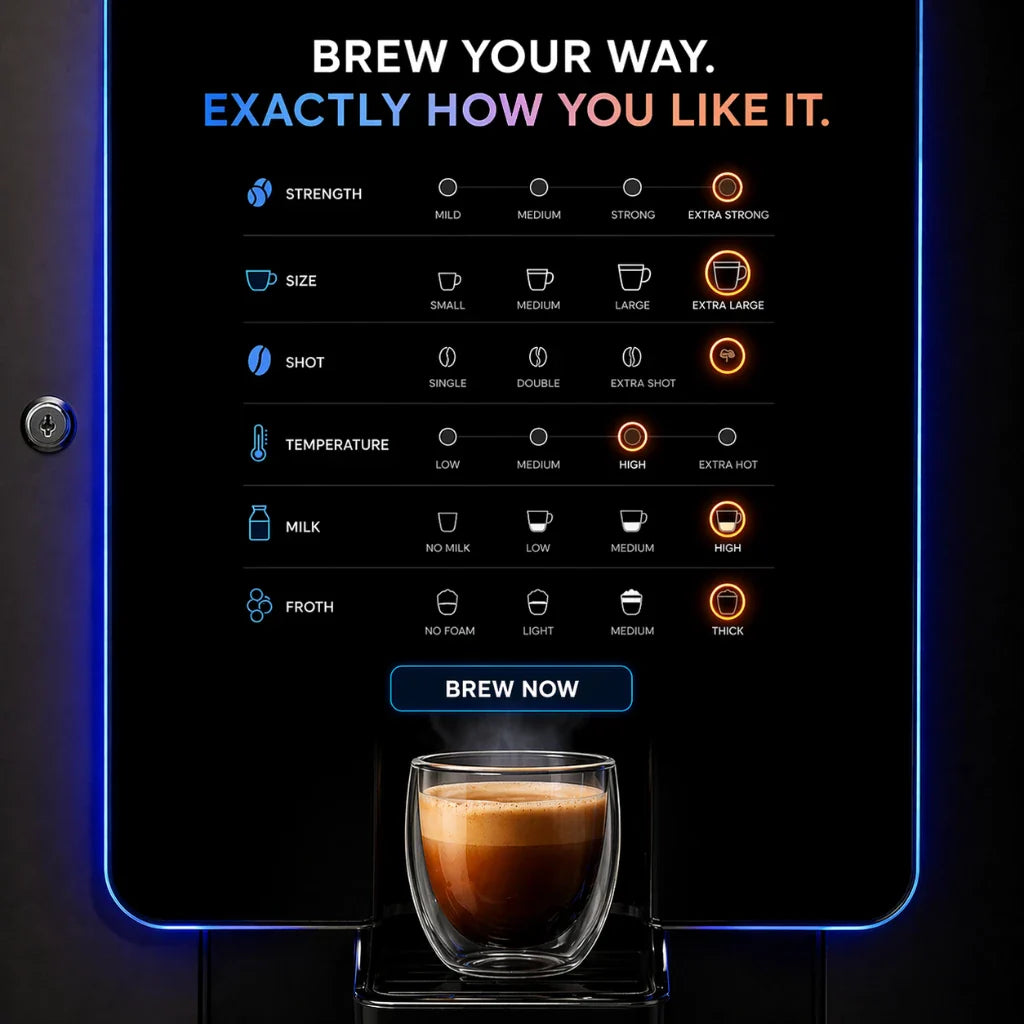
Some machines require deeper understanding due to added features or operational complexity.
Advanced training helps operators learn calibration, cleaning routines, configuration steps, and specialty workflows when applicable.
4. Mandatory Training Requirements
Certain niche machines may require mandatory training before full operation.
This ensures proper setup and protects equipment from incorrect usage that could lead to damage or downtime.
Mandatory training may also be required to maintain warranty eligibility depending on the machine type.
5. What Training Covers
Training generally includes:
- Basic machine operation
- Navigation of settings and controls
- Payment system understanding
- Stocking and loading procedures
- Understanding alerts and notifications
- Basic troubleshooting steps
6. Learning How To Change Parts
If you need help replacing parts or performing minor adjustments, VMFS provides guidance through manuals, structured guides, and direct support.
Operators are shown how to identify components and complete basic replacement procedures safely.
7. Manuals And Documentation
Every machine includes documentation designed to support operators long after initial training.
Manuals and guides explain setup, operation, maintenance procedures, and troubleshooting steps.
8. Real Support From Real People
If questions come up, operators can receive assistance from real support staff who guide you step by step through setup, maintenance, or operational questions.
This helps reduce confusion and prevents unnecessary downtime.
9. Self-Learning Resources
Operators also have access to knowledge base resources designed for independent learning.
These resources include installation guides, troubleshooting walkthroughs, maintenance instructions, and operational tips.
10. Training Boundaries
Training focuses on equipment operation and proper usage.
Training does not include business consulting, location acquisition, pricing strategy, or revenue guarantees unless provided under separate agreements.
Conclusion
Training is designed to help you operate confidently from day one. With structured guidance, detailed resources, and access to real assistance when needed, operators can learn quickly and keep their machines running smoothly.
Share:
Vending Machine Installation Guide