



Design the perfect vending solution for your location and customers.

Sales, inventory and alerts for your whole route, from one machine to a fleet.
Answer a few questions about your location, products and budget and get a shortlist.
Estimate revenue, payback period and margin before you buy.
Sales, setup help, warranty and parts from the VMFS USA team.
Join the VMFS newsletter and step into a thriving network dedicated to collective success.
One signup. Endless possibilities.
Vending machines are known for their convenience, providing on-the-go access to snacks, beverages, and a variety of products. However, anyone interested in owning one quickly discovers they come with a hefty price tag. But what makes vending machines so expensive? Let’s break down the key factors that drive their costs.
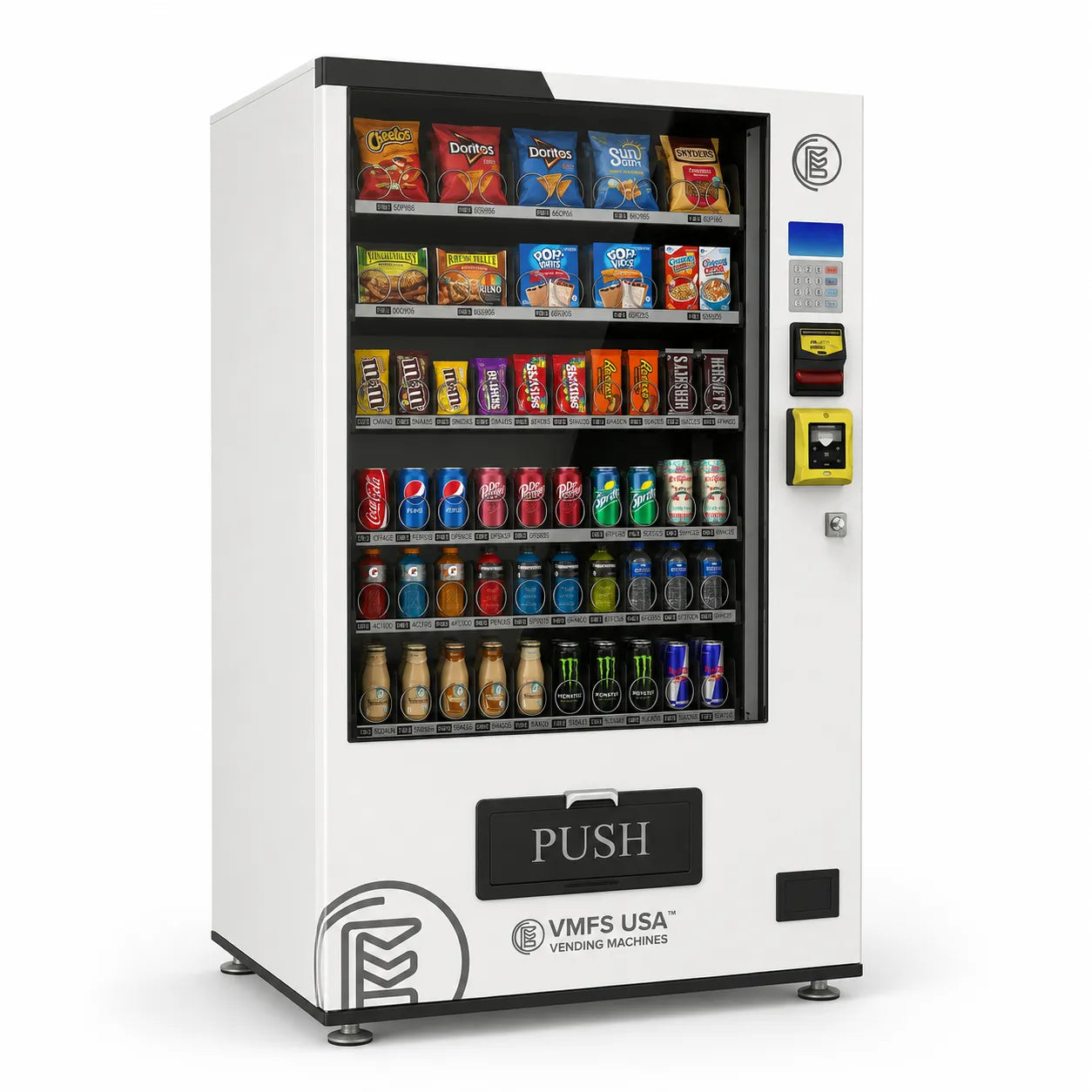
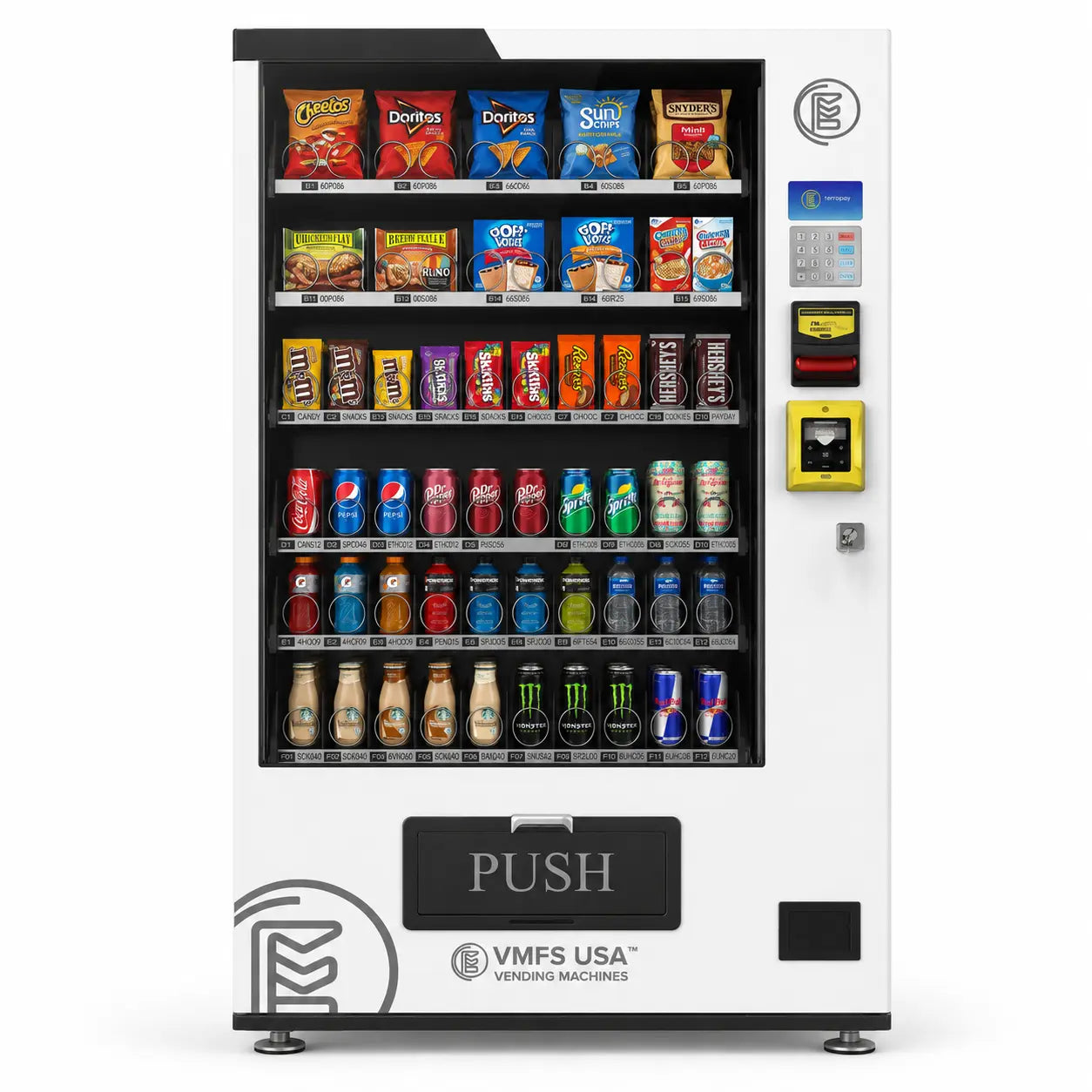
Factors such as advanced technology, durability, payment systems, and customization options contribute to their cost. Additionally, modern vending solutions, including Vending Machines with Card Readers and Electronics Vending Machines, come with premium features that justify their investment.
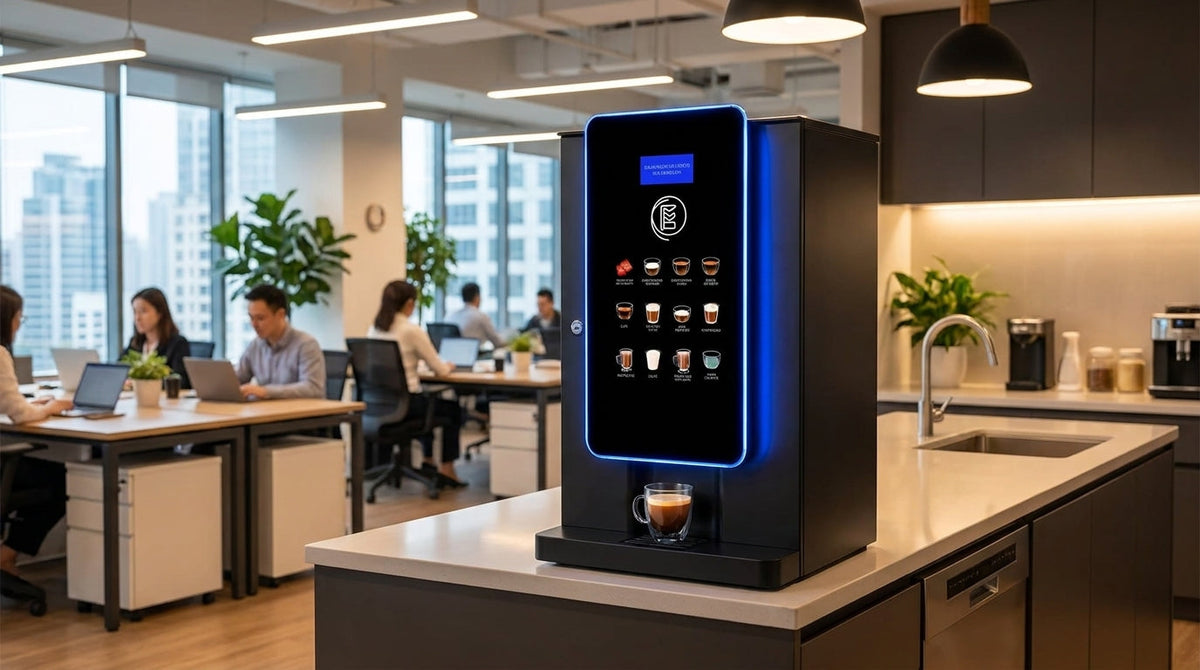
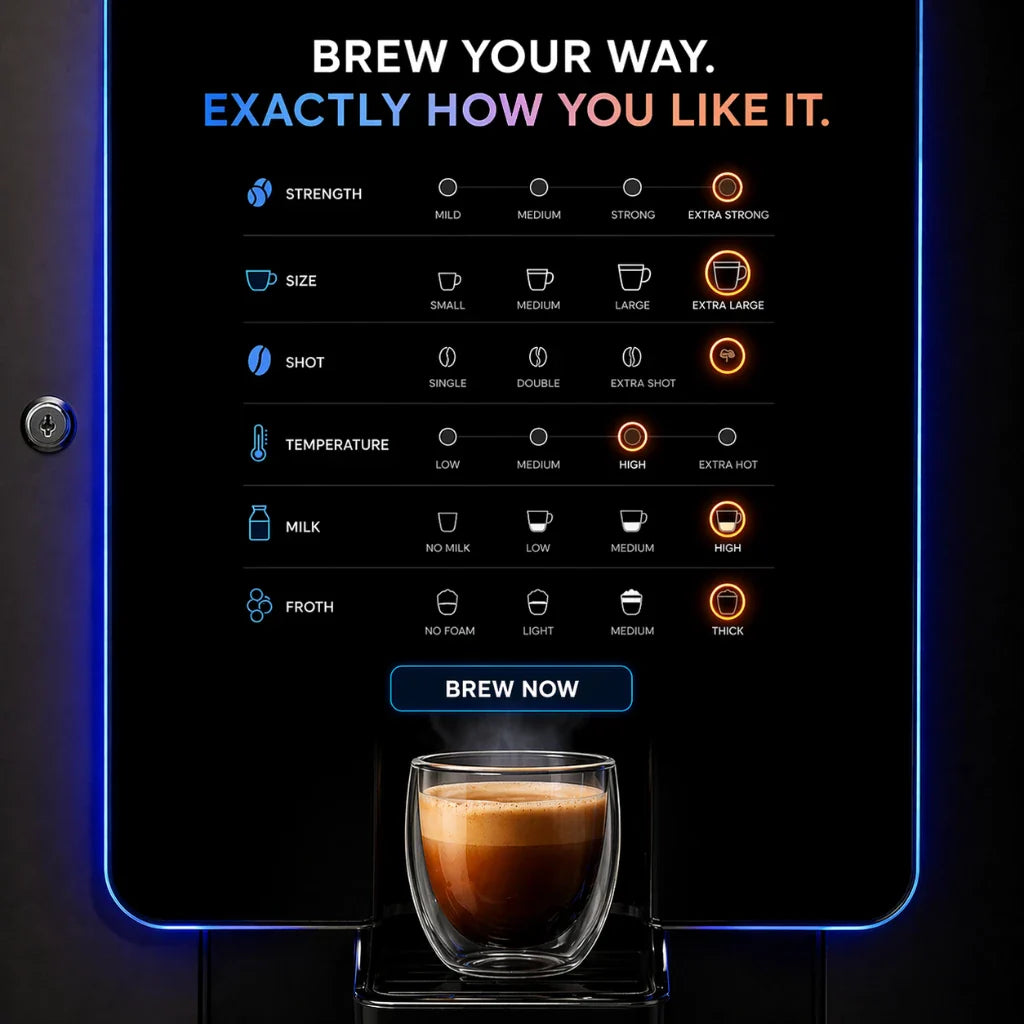
Today’s vending machines aren’t just simple coin-operated devices. Many feature smart technology, including touchscreens, cashless payment systems (such as Apple Pay or credit card readers), and real-time inventory monitoring. These upgrades provide users with a seamless experience and operators with tools to track sales and restock efficiently.
Cost Impact: Machines with advanced tech typically cost more due to the complexity of their hardware and software integration.
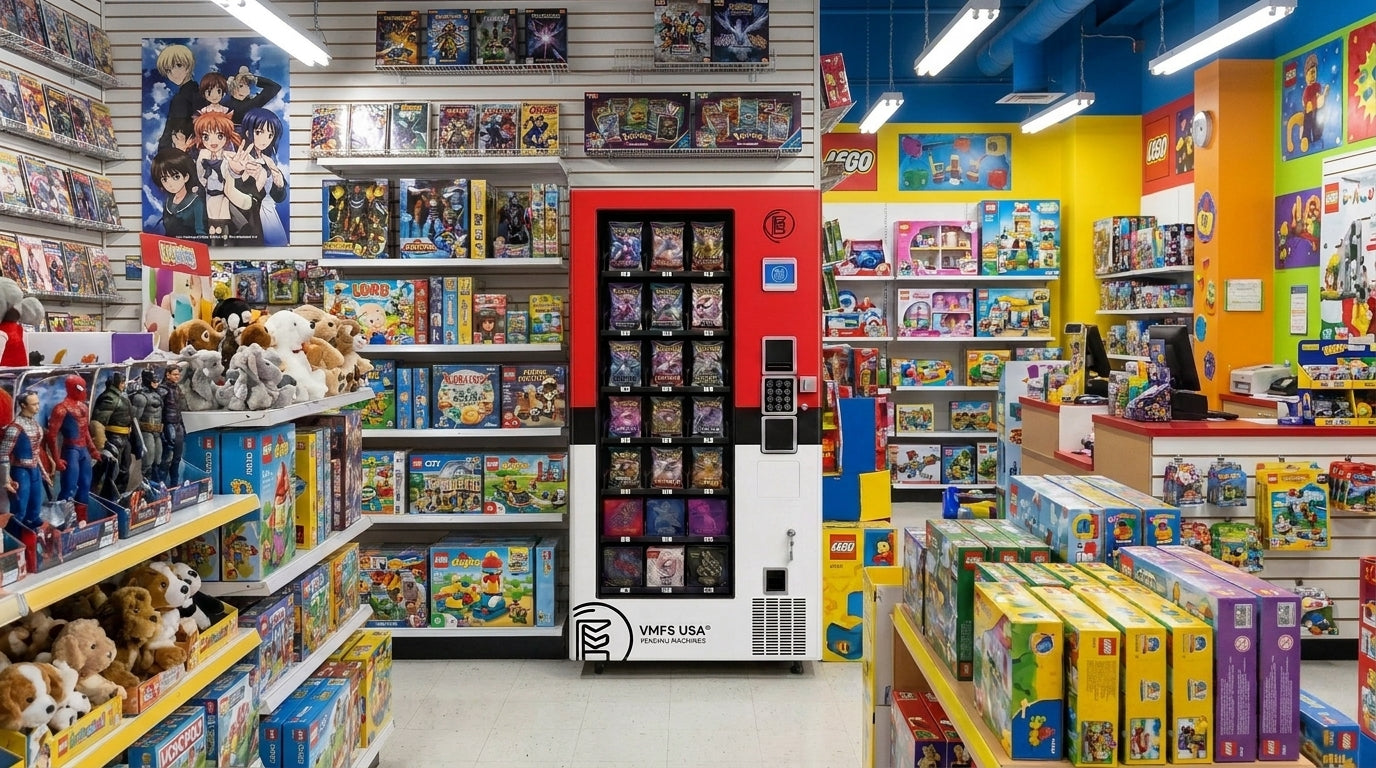
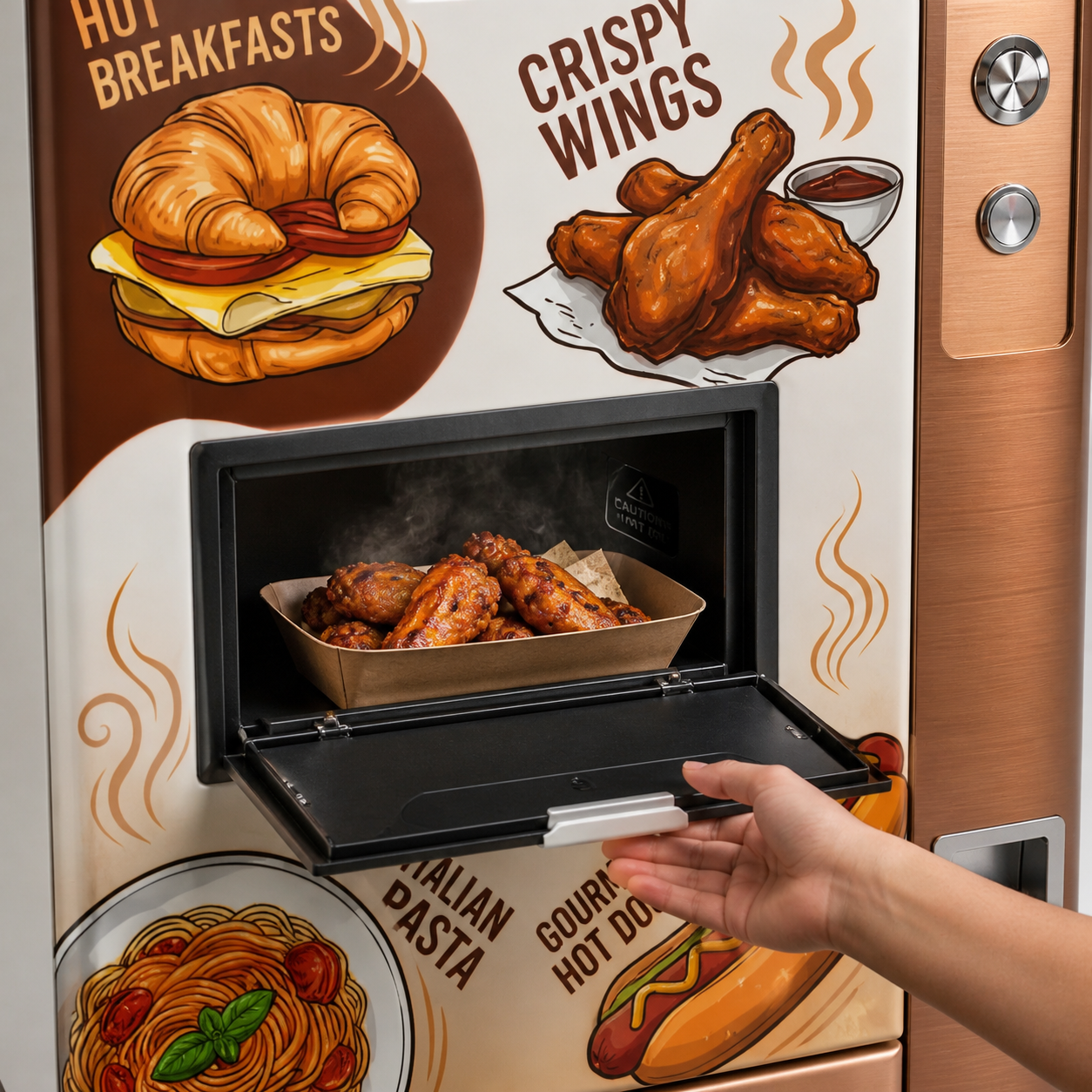
Many smart vending machines are customized to meet specific business needs, whether it’s for snacks, beverages, or niche items like cosmetics, or tech gadgets. Customization involves modifying the internal layout, refrigeration systems, and even branding wraps.
Cost Impact: Custom-built machines can cost thousands more than standard options, especially for specialized industries like healthcare or CBD vending.
To ensure reliability, vending machines are constructed using durable materials like reinforced steel, shatterproof glass, and insulated compartments. These materials protect products, resist vandalism, and ensure the machines withstand outdoor elements when placed in public areas.
Cost Impact: Heavy-duty materials drive up the initial investment but lower maintenance and replacement costs in the long run.
Modern vending machines are equipped with multiple payment options, including coins, cards, mobile payments, and digital wallets. They also feature security systems, such as cameras and anti-tampering mechanisms, to prevent theft.
Cost Impact: Payment processing systems and security features contribute significantly to the machine’s price.
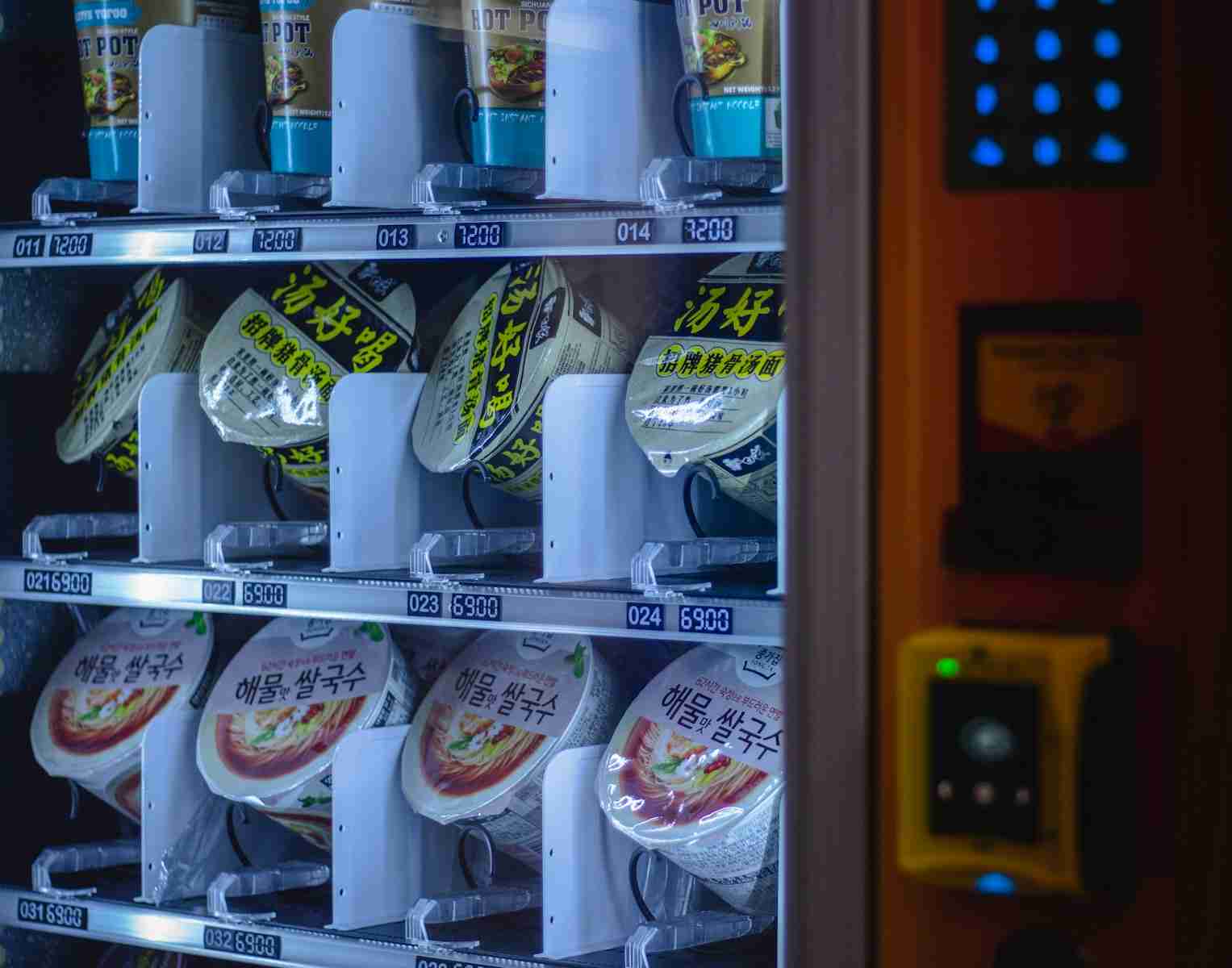
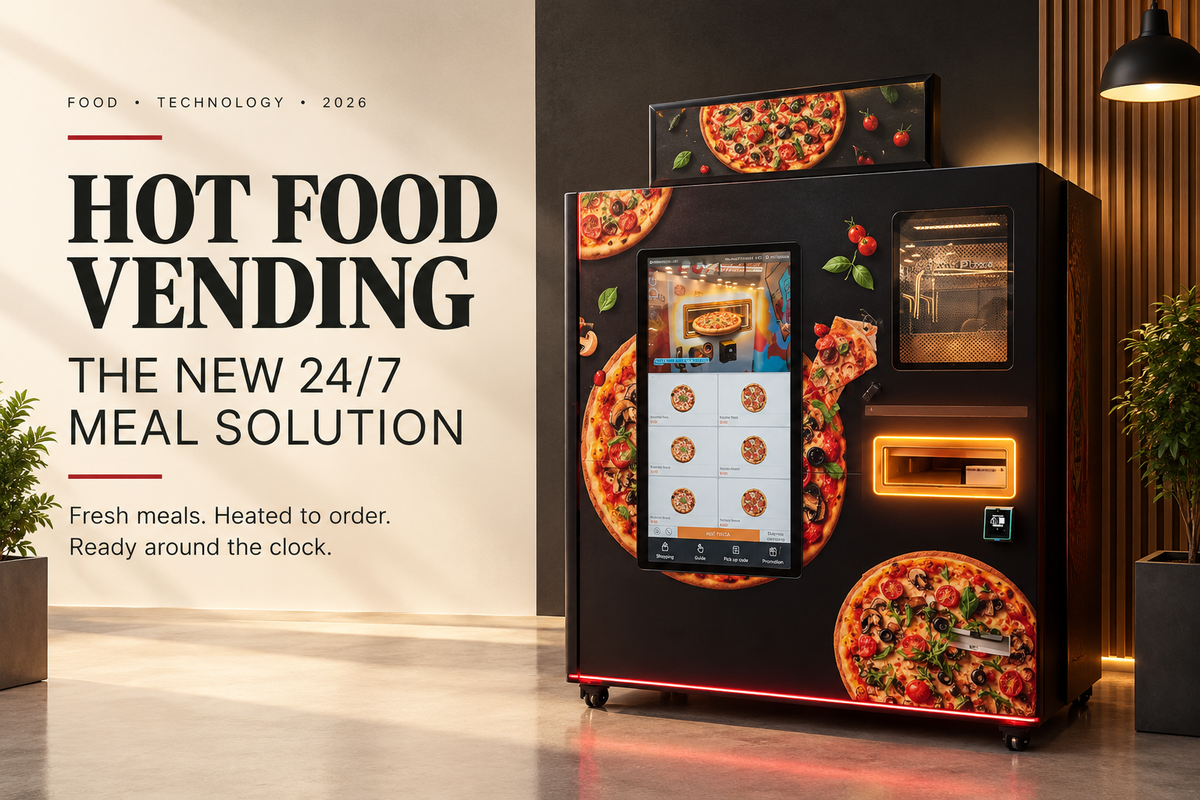
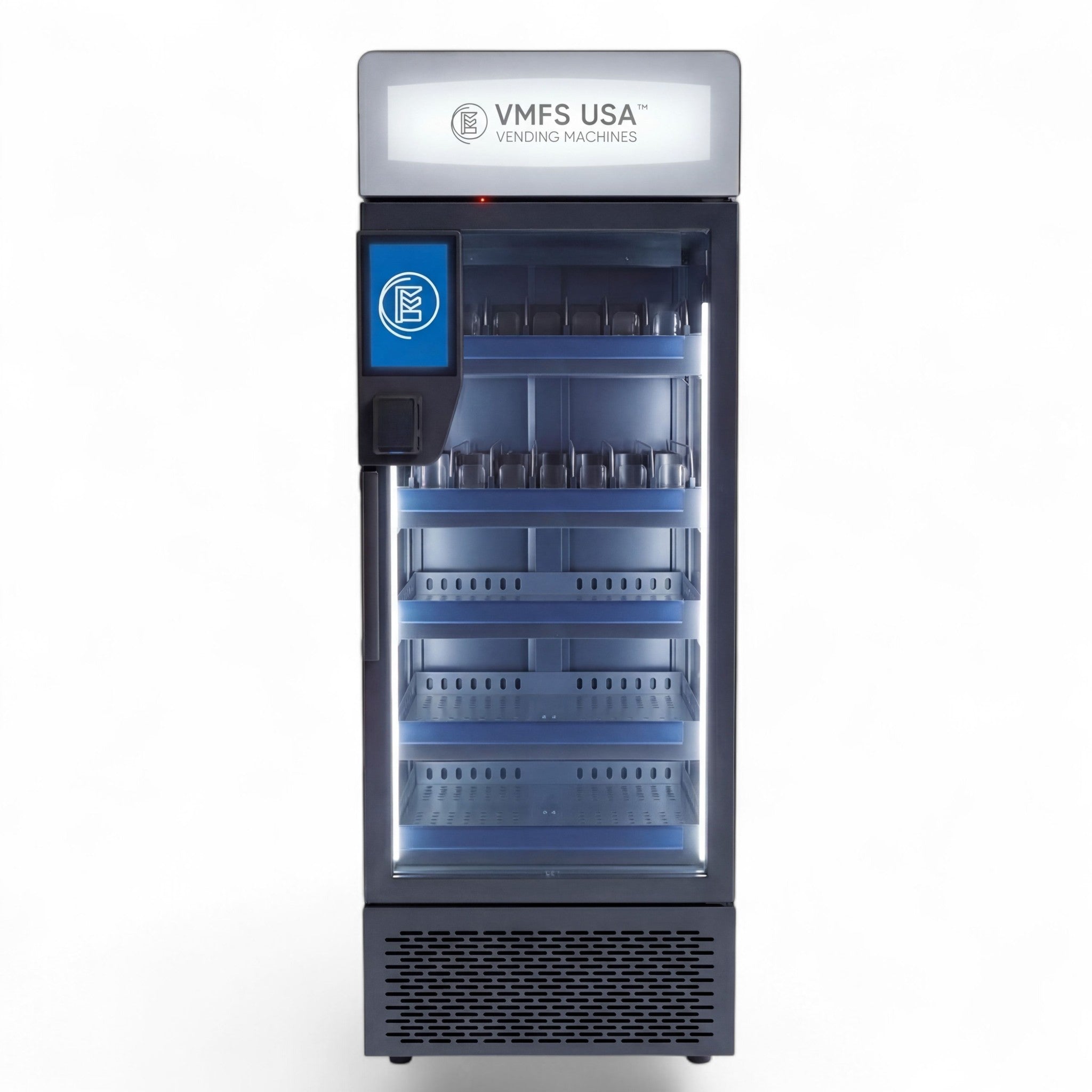
For fridge vending machines that store perishable items like beverages, ice cream, or fresh meals, refrigeration is critical. Maintaining consistent temperatures and energy efficiency requires high-quality cooling systems.
Cost Impact: Machines with built-in refrigeration typically cost more due to complex engineering and maintenance needs.
The expenses don’t end with purchasing the machine. Shipping large vending machines, especially overseas or to remote locations, can add significant costs. Additionally, installation and ongoing maintenance are required to ensure the machine remains functional.
Cost Impact: The logistical and maintenance expenses contribute to the overall perception of vending machines being expensive.
While the initial investment may seem high, combo vending machines are designed to generate consistent revenue. When placed in high-traffic locations, they can quickly pay for themselves
✔ Prime Locations Generate High Sales – Machines placed in gyms, offices, and malls quickly pay for themselves.
✔ Minimal Supervision Needed – Once installed, vending machines require very little oversight.
✔ Smart Vending Machines Optimize Stock Levels – Reducing waste and maximizing profit margins.
Operators who invest in Electronics Vending Machines benefit from higher revenue per transaction, since electronics have higher profit margins than snacks.
Certain vending machines, like those selling age-restricted products such as alcohol, tobacco, or CBD, come with additional expenses related to legal compliance. Age-verification systems, licensing, and compliance with local laws drive up the costs.
Cost Impact: Machines catering to regulated markets require additional investment to meet compliance standards.
The condition of the machine significantly impacts its cost. New machines with advanced features will naturally be more expensive than refurbished or used ones.
Cost Tip: Small businesses or new operators can start with refurbished machines and gradually upgrade as revenue grows.
For operators who find the upfront cost prohibitive, many companies offer financing and leasing options to spread the expense over time. While this doesn’t lower the machine’s price, it makes it more manageable for small businesses.
Pro Tip: Compare leasing terms and interest rates to find the best option for your budget and business goals.
Vending machines are expensive because they combine durability, advanced technology, and convenience in one system. While the upfront cost may be high, the long-term benefits—including steady revenue, minimal operational effort, and enhanced customer experience—make them a valuable investment. By choosing the right machine and location, operators can maximize profitability and recover their initial investment quickly.
Final Thought: If you’re considering purchasing a vending machine, explore models with built-in smart features and flexible payment options to get the most out of your investment.
Share:
¿Cuáles son las vending machines más usadas y más rentables?
¿Cuáles son las vending machines más usadas y más rentables?