



Design the perfect vending solution for your location and customers.

Sales, inventory and alerts for your whole route, from one machine to a fleet.
Answer a few questions about your location, products and budget and get a shortlist.
Estimate revenue, payback period and margin before you buy.
Sales, setup help, warranty and parts from the VMFS USA team.
Join the VMFS newsletter and step into a thriving network dedicated to collective success.
One signup. Endless possibilities.
Vending machines have become a staple of convenience in public places, schools, offices, and even residential complexes. These machines offer everything from snacks and drinks to tech gadgets and personal care items. But if you’re considering investing in one, you’re probably wondering: How much can a vending machine make? The answer depends on several factors such as location, product selection, machine type, and maintenance.
In this guide, we’ll explore the various factors that influence vending machine revenue, realistic profit expectations, and how you can maximize your earnings.
The average vending machine in a good location can generate anywhere between $75 to $300 per week. For high-traffic locations like airports, malls, or office complexes, this number can climb as high as $500–$1,000 per week. On the flip side, poorly placed machines may only bring in $30–$50 per week, which is why location is a critical factor in profitability.
However, raw revenue doesn’t give you the complete picture. It’s equally important to understand profit margins, operating costs, and product variety.
The biggest determinant of vending machine profitability is location. Areas with high foot traffic such as schools, gyms, offices, and shopping malls naturally have better revenue potential.
Pro Tip: Ensure the location matches the product offerings. A vending machine with protein shakes won’t perform well in an office but may thrive in a fitness center.
The more relevant your products are to the location, the more sales you’ll generate. Product variety is key to attracting repeat customers.
By stocking products that cater to the needs of the target demographic, you can increase the likelihood of consistent purchases.
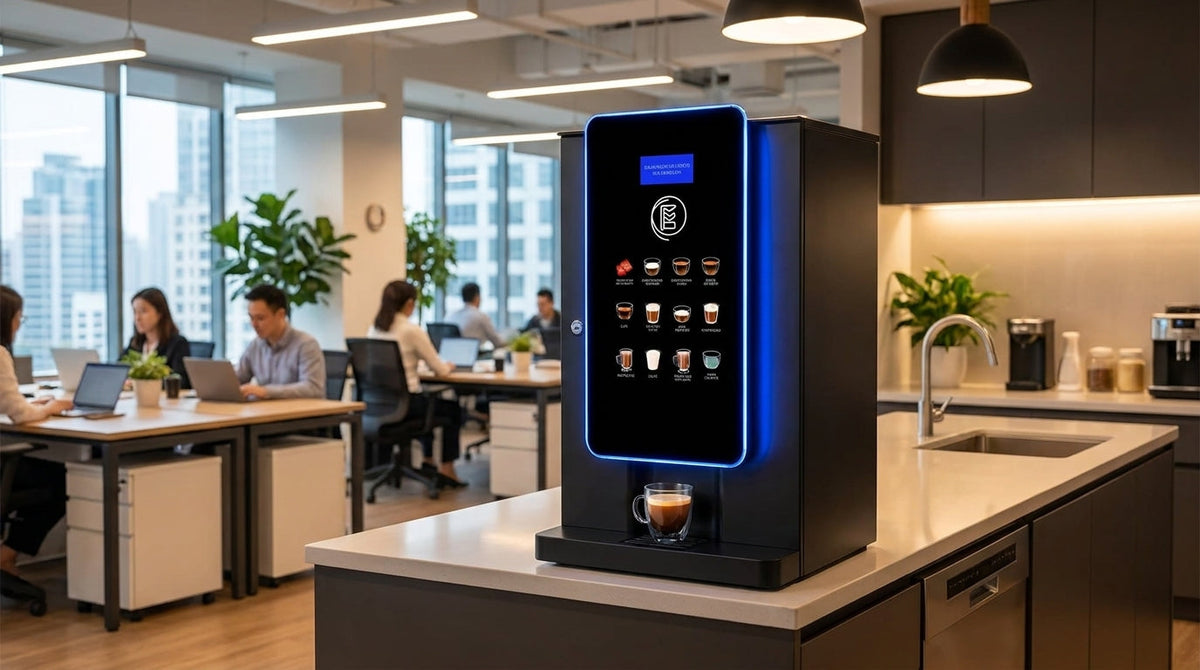
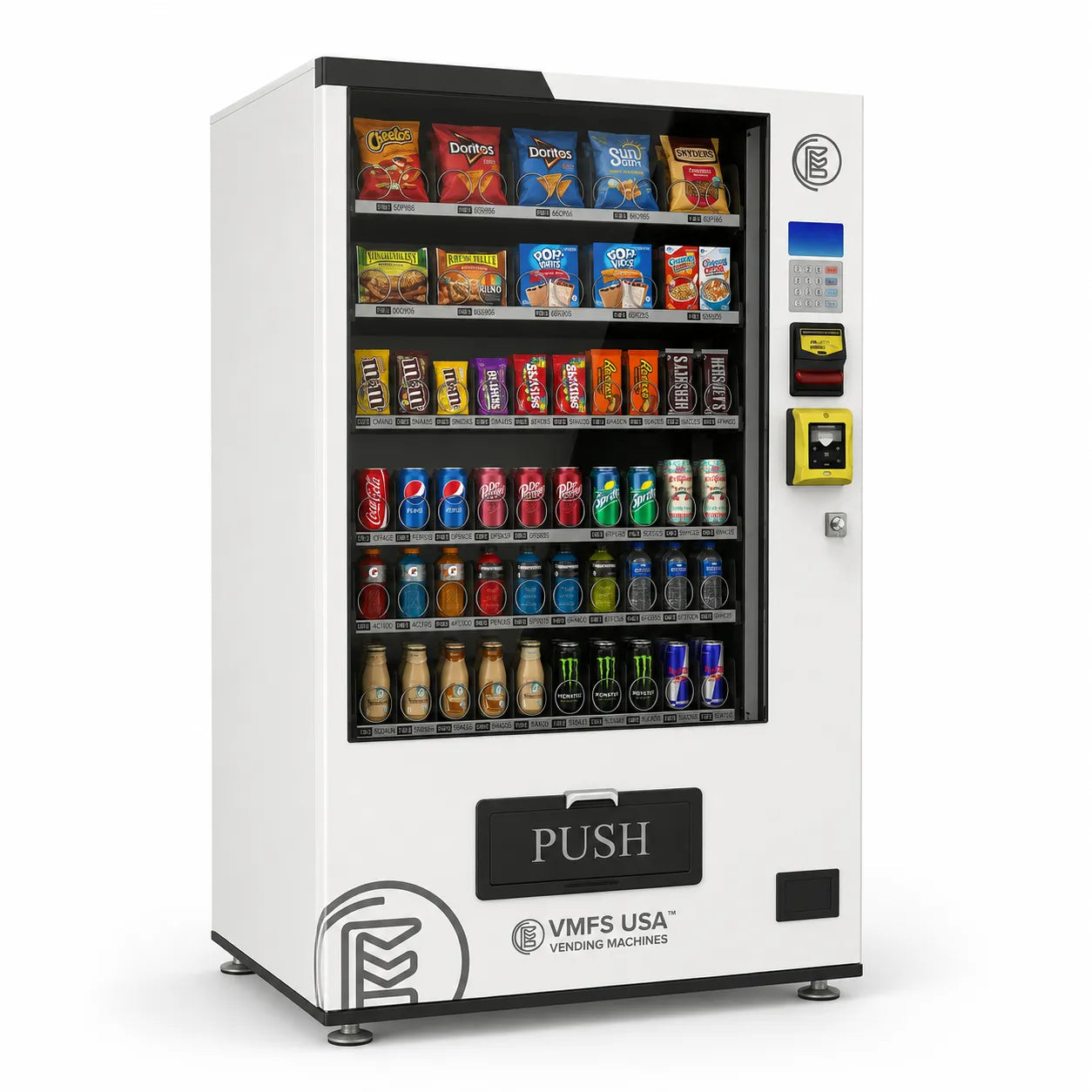
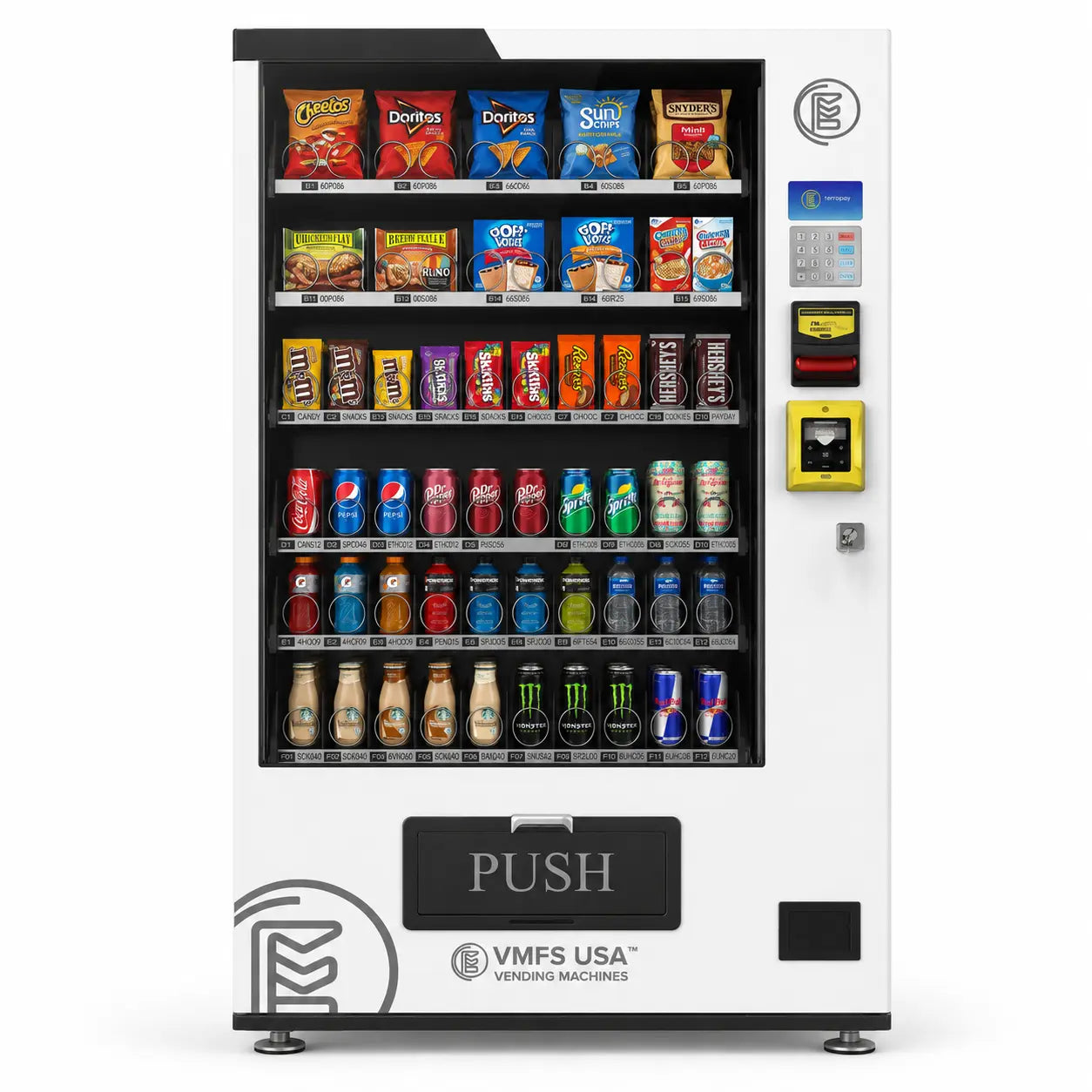
Modern vending machines come in various forms, and choosing the right one can make a big difference in your earnings. Let’s look at the most common types:
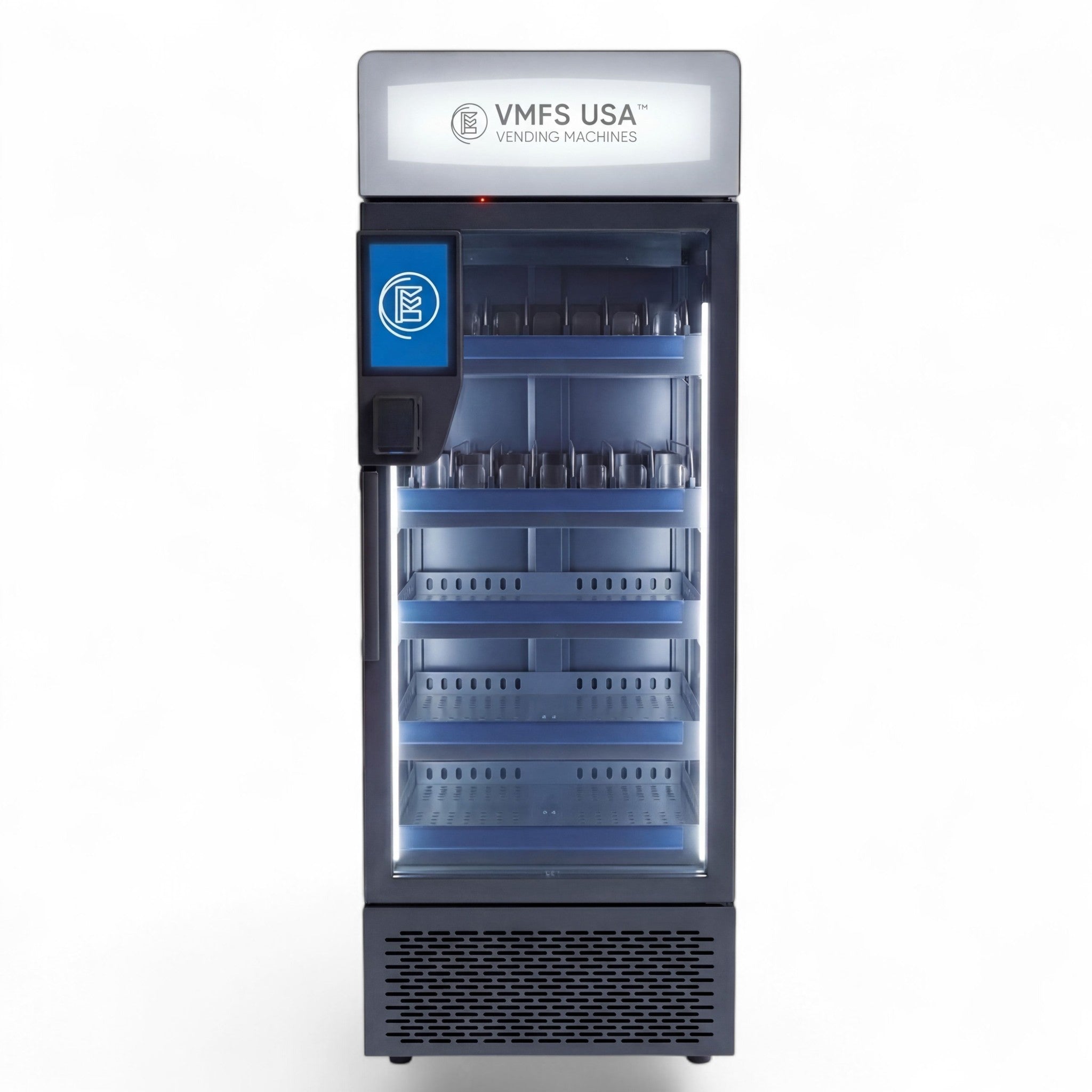
Smart vending machines or combo machines can generate more revenue because they accept multiple payment options (cash, card, mobile) and provide a wider variety of products.
To give you an idea of potential earnings, here’s an overview based on different locations:
| Location Type | Weekly Revenue | Monthly Revenue | Annual Revenue |
|---|---|---|---|
| Office Building | $100–$300 | $400–$1,200 | $4,800–$14,400 |
| School or University | $150–$500 | $600–$2,000 | $7,200–$24,000 |
| Gym or Fitness Center | $200–$600 | $800–$2,400 | $9,600–$28,800 |
| Airport or Mall | $500–$1,000+ | $2,000–$4,000+ | $24,000–$48,000+ |
These figures show that vending machines can be a lucrative investment if placed strategically and stocked with the right products.
It’s important to consider operating costs, which can eat into your profits if not managed well.
Regular maintenance ensures smooth operation, but unexpected repairs can occur. Budget for maintenance fees or service contracts.
The cost of restocking products is typically a major ongoing expense. The goal is to maintain a high-profit margin by sourcing products at wholesale rates.
Vending machines consume electricity, and the costs can vary depending on the machine’s efficiency. Machines with refrigeration systems tend to have higher power consumption.
If you’re placing the machine on someone else’s property, you may need to negotiate a commission. This typically ranges from 10% to 25% of revenue.
To maximize your earnings, follow these tips:
Modern vending machines often come with built-in analytics tools. These help you track the best-selling products and identify under-performing ones.
Focus on products with high profit margins, such as snacks and specialty drinks, to boost your overall revenue.
Machines that accept mobile payments, credit cards, and digital wallets see increased sales compared to cash-only machines.
Restock frequently to ensure you don’t run out of popular items. At the same time, avoid overstocking items that don’t sell well.
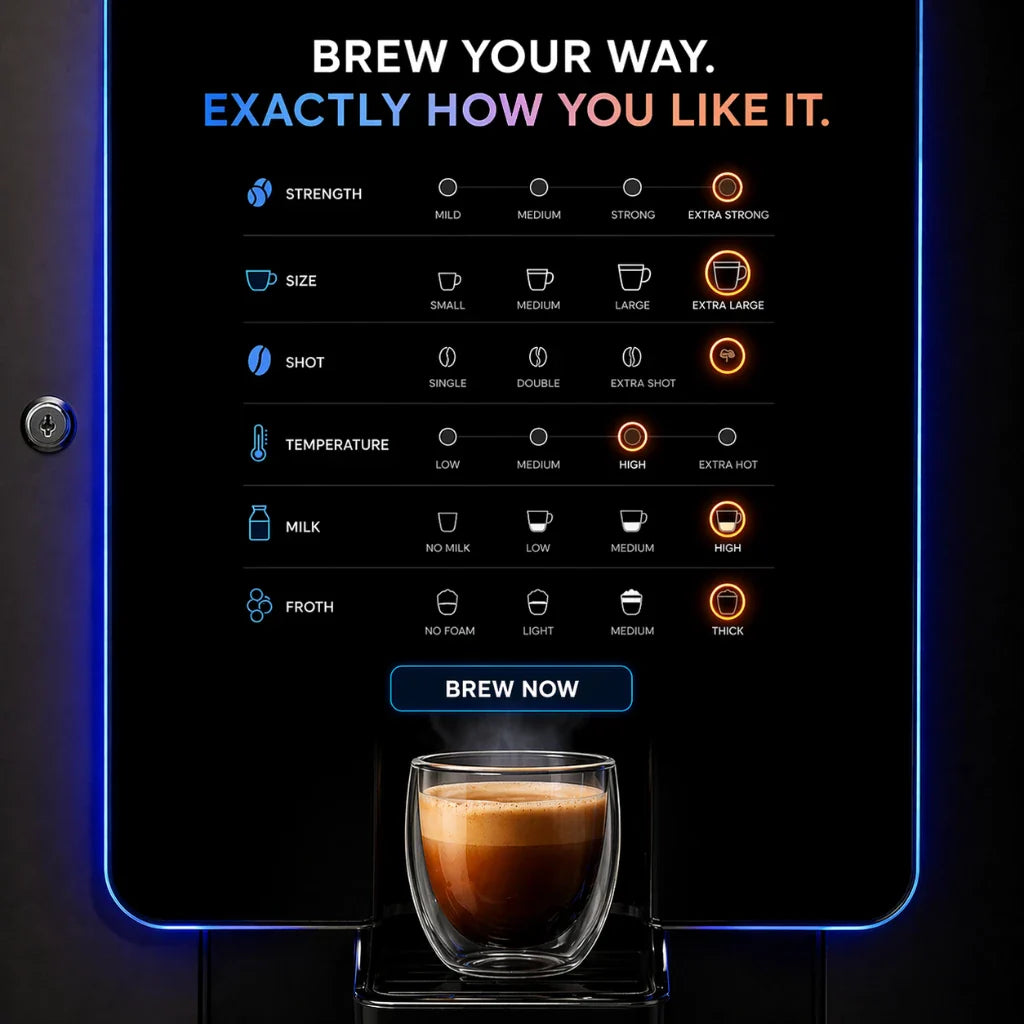
Smart vending machines are equipped with features like remote monitoring, cashless payment systems, and targeted advertising. They can help:
Sarah, a small business owner, placed three smart vending machines in a corporate office, gym, and school. Here’s a breakdown of her earnings:
Sarah’s ability to analyze sales data, adjust inventory, and target the right demographic helped her grow her revenue to $3,500+ per month.
The potential earnings of a vending machine depend largely on its location, product variety, and operational efficiency. By selecting high-traffic locations, offering desirable products, and utilizing smart technology, vending machines can become a consistent source of passive income.
Ready to start your vending machine venture? With the right strategy, you could turn this simple machine into a revenue-generating powerhouse.
Share:
Are Vape Vending Machines Legal in Texas?
Are Vape Vending Machines Legal in Texas?