Introduction
A vape vending machine is a self-service unit that dispenses vape products such as disposable vapes, e-liquids, or accessories without the need for on-site staff. These machines allow operators to sell around the clock, offering customers quick and convenient access while keeping overhead costs low. For entrepreneurs, they represent an opportunity to enter the vape retail space with an automated, low-maintenance setup that can operate in malls, bars, or entertainment venues.
But how much is a vape vending machine, and what affects its cost? Understanding the
vape vending machine price depends on several factors such as hardware, software, payment options, and compliance technology. This guide compares
new and used vape vending machines, explains the major cost components, and outlines what to expect before investing. We’ll also touch on essential features like payment systems and
age verification vending machines that ensure your operation remains secure and compliant.
Key Cost Components of a Vape Vending Machine
Before buying or budgeting for
vape vending machines, it helps to understand where the money goes. The total investment covers not only the equipment itself but also the technology, compliance tools, and ongoing operation costs. Each element below influences the final
vape vending machine price and should be considered when comparing options.
1. Machine Hardware
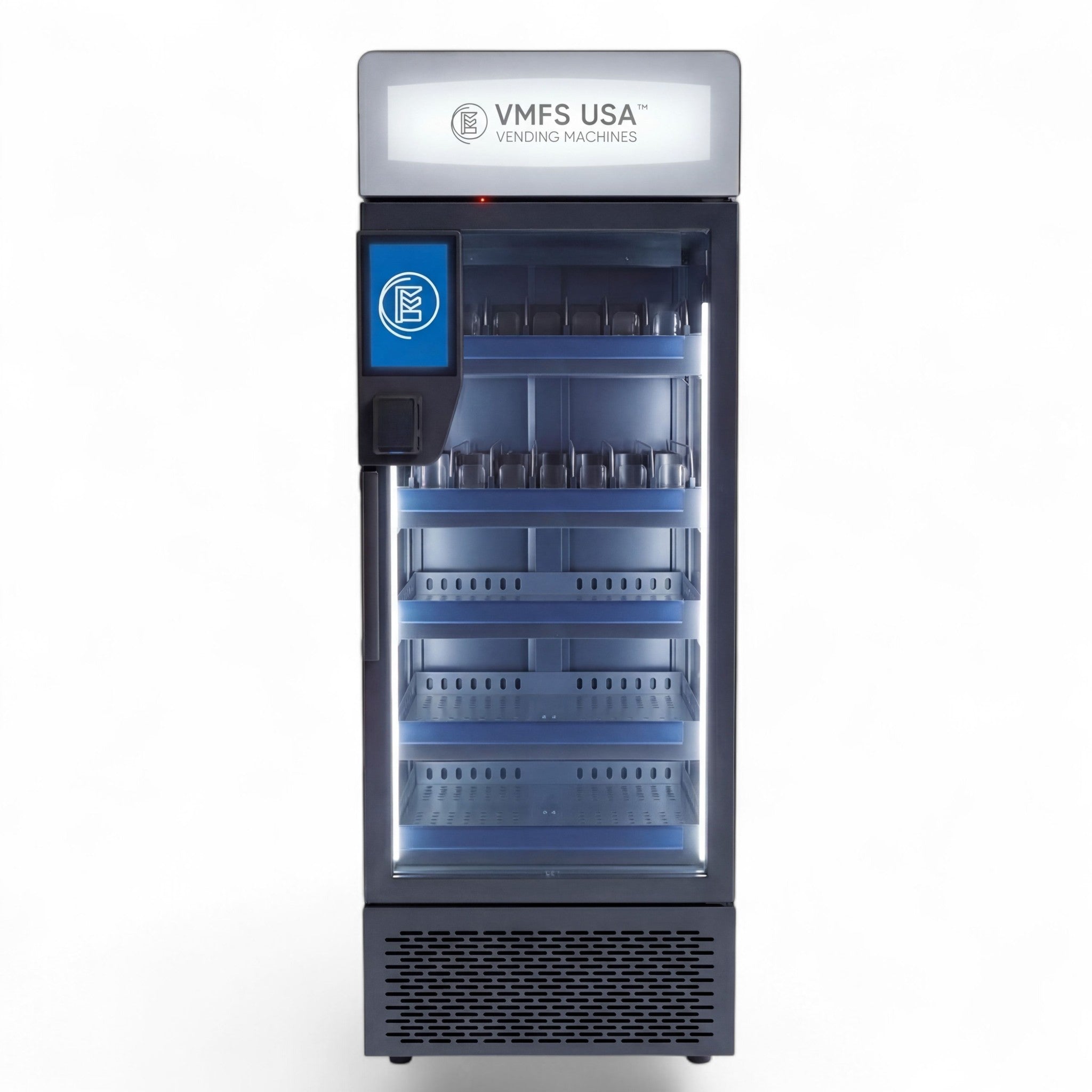
The hardware forms the foundation of your investment. This includes the cabinet, display screen, internal coils or trays, sensors, and the cooling or ventilation system for vape cartridges. Larger free-standing units typically cost more than compact wall-mounted versions, but they hold more stock and support higher sales volume.
2. Software and Cloud Services
Modern
cloud software allows operators to monitor sales, inventory, and machine status remotely. It can alert you when products run low or when the system needs servicing. Subscription fees for these tools are often billed monthly or annually, and they add to the total operating cost.
3. Age Verification and Compliance Systems
Because vape products are age-restricted, most regions require
vending machines with ID scanner capabilities. These systems use scanners or cameras to confirm a customer’s identity and legal age before allowing a sale. While they increase compliance costs, they are critical for legal operation and customer trust.
4. Payment Systems
Every unit needs a reliable and secure way to process transactions. Integrated
payment systems such as credit card readers, contactless NFC modules, and mobile wallets like Apple Pay or Google Pay help maximize convenience and reduce cash handling. Advanced systems that support multiple payment types can increase upfront cost but improve revenue potential.
5. Installation and Shipping
Shipping and setup can add several hundred dollars, especially for larger or imported machines. Installation includes site preparation, electrical setup, and network connectivity, which are essential for remote monitoring and digital payments.
6. Location Costs
The success of any vending business depends heavily on location. Rent, electricity, and routine maintenance costs vary by site. When selecting a spot, services that offer
location matching can help you find high-traffic areas with favorable lease terms.
7. Ongoing Consumables and Restocking
Finally, factor in the recurring expenses of stocking vape products and accessories. Operators should also budget for restocking labor, packaging, and any product rotation or spoilage. These costs influence overall profitability and the time required to recover the initial investment.
Typical Price Range for a New Vape Vending Machine
New
vape vending machines come in a wide range of prices depending on their size, technology, and configuration. A compact wall-mounted model with basic payment and age verification features will cost much less than a full-size, free-standing machine designed for busy retail locations. Understanding these differences helps you plan your investment and choose the right setup for your budget and traffic expectations.
Entry-Level and Wall-Mounted Models
Smaller wall-mounted units are often the most affordable option for new buyers. As of 2025, entry-level models from suppliers like VapeTM are listed around
US $2,300 to $2,750. These compact machines can handle a modest selection of disposable vapes or cartridges and are ideal for venues with limited space such as bars, lounges, or convenience stores.
Mid-Range and Freestanding Units
Mid-range systems offer larger capacity, advanced screens, and integrated compliance technology. Prices typically fall between
US $3,000 and $5,000. These machines often include touch-screen displays, multi-product trays, and built-in monitoring through
cloud software. They strike a balance between affordability and functionality, suitable for medium-traffic locations like shopping centers or college areas.
High-End and Large-Capacity Machines
At the top of the range are free-standing, high-capacity units priced between
US $6,000 and $7,000+. These premium models feature robust payment systems, age verification scanners, and durable components designed for continuous operation. They are built for operators seeking professional-grade reliability and scalability.
Factors That Affect Pricing
- Machine size and capacity (number of product slots).
- Inclusion of age verification vending machines technology.
- Quality of materials and display type (metal vs. plastic housing, touch vs. keypad).
- Software integration and support features.
- Supplier location and shipping distance.
Overall, a reasonable rule of thumb for a
vape vending machine price is between
US $2,000 and $7,000+. Choosing the right model also depends on where you plan to install it. Using
location matching services can help identify high-traffic areas where a larger machine can generate faster returns.
Price for Used or Lower-Cost or Imported Vape Vending Machines
Not every operator needs to start with a brand-new unit. Buying used or imported
vape vending machines can significantly lower entry costs, especially when testing new locations or markets. However, the trade-off often includes higher maintenance, limited warranty, and potential compliance issues that should be reviewed carefully before purchase.
Used Vape Vending Machine Prices
On the resale market, prices for used vape vending machines vary based on age, condition, and included features. Typical listings range from
US $1,000 to $3,000. Machines in good condition with functional payment systems and ID scanners can offer excellent value, but always confirm whether the software and components are still supported by the original manufacturer.
Imported and Budget Options
Imported models, especially from Asian manufacturers, can start as low as
US $1,100 to $1,500 when ordered in bulk. Some suppliers advertise models equipped with touchscreens, card readers, or even Google Pay support at these lower price points. While the cost savings are attractive, imported units may require additional setup, firmware adjustments, or translation of control panels to meet local standards.
Additional Costs to Consider
-
Refurbishment: Used machines may need repairs, new coils, or cosmetic updates before placement.
-
Compliance Upgrades: Adding vending machines with ID scanner features may be required to meet local regulations.
-
Shipping and Import Duties: Overseas purchases can add several hundred dollars to the final cost.
-
Software and Connectivity: Older models might not support modern cloud software systems without modification.
Financing and Leasing Options
Even when purchasing used or imported units, many operators use
financing services to manage cash flow. Leasing or short-term financing allows businesses to deploy multiple units faster, test different locations, and reinvest profits into upgrades or new models.
In short, a used or imported machine can be a smart way to enter the business if properly vetted. Just make sure the unit meets local compliance requirements, supports modern payment technology, and includes a reliable warranty or service plan.
New vs Used Vape Vending Machines: Pros and Cons
When comparing
vape vending machines, one of the first decisions is whether to invest in a new or used unit. Each option has its own advantages and trade-offs that affect both your initial cost and long-term performance. Understanding these differences helps you make a smarter, more sustainable purchase decision.
Advantages of Buying New
-
Latest Technology: New machines include up-to-date age verification vending machines systems, modern displays, and smart payment systems that handle contactless or mobile transactions.
-
Warranty and Support: Most suppliers offer a manufacturer’s warranty and ongoing technical support, reducing the risk of downtime.
-
Reliability: With all parts and software new, maintenance costs remain low in the first few years of operation.
-
Compliance Ready: New units are built to meet the latest legal and safety standards for selling vape products.
Advantages of Buying Used
-
Lower Upfront Cost: Used or refurbished units can cut your initial investment by half or more compared to new models.
-
Faster ROI: Lower capital expenditure means you recover your costs faster, provided the machine operates reliably.
-
Flexible Expansion: Used units allow small operators to scale gradually or test new locations with minimal financial risk.
Potential Drawbacks
-
Higher Maintenance: Older machines may require repairs, software updates, or replacement parts that increase total cost over time.
-
Outdated Systems: Some units might lack cloud connectivity or integrated ID scanners, requiring upgrades to meet vending machines with ID scanner standards.
-
No Warranty: Many used machines are sold as-is, which can lead to unplanned expenses if components fail.
-
Compliance Risks: Older units might not include the required age verification vending machines technology, which is mandatory in many regions.
Choosing between new and used ultimately depends on your business goals, location, and tolerance for risk. For high-traffic sites or compliance-sensitive areas, new machines are often worth the premium. For smaller operators or testing phases, used models can be an affordable entry point if carefully inspected and upgraded as needed.
Return on Investment (ROI) Considerations
Every business decision should be backed by numbers, and investing in
vape vending machines is no exception. The potential return depends on location, product pricing, operating costs, and machine reliability. A well-placed unit can deliver consistent sales around the clock, but operators should evaluate all financial factors before committing capital.
To estimate ROI, start by projecting monthly sales based on foot traffic and average product margins. Vape products, especially disposables, tend to have strong markups, making them profitable for automated retail. For example, if a machine generates US $1,500 in monthly revenue with an estimated 30 percent net profit after restocking and maintenance, the operator nets about US $450 per month. If the initial
vape vending machine price is around US $5,000, that investment could be recovered in approximately 10 to 12 months under stable conditions.
Of course, results vary widely depending on the machine’s placement. A prime location with strong evening or weekend traffic can double the return rate, while a low-traffic site might struggle to break even. Costs such as electricity, restocking labor, and location rent or revenue sharing should be included in your calculations. Some operators reduce financial risk by partnering with venues or using
location matching services that identify profitable, high-visibility spots.
Ongoing costs also influence ROI over time. Subscription-based
cloud software helps operators monitor sales remotely and restock efficiently, reducing downtime. Reliable payment systems that support mobile and contactless options can further improve sales volume by making transactions easier for customers. Finally, choosing a unit with built-in
vending machines with ID scanner technology ensures compliance, preventing costly penalties or interruptions to business.
When calculated realistically, a vape vending machine can deliver a solid return within the first year, provided it is properly managed, strategically placed, and stocked with high-demand products. Consistent monitoring, product variety, and attention to customer convenience are key to maximizing long-term profitability.
Financing, Leasing, and Services That Support Vending Machine Purchase
Many entrepreneurs interested in
vape vending machines choose to spread their investment through financing or leasing rather than paying the full cost upfront. This approach allows operators to preserve cash flow while getting their machines into service quickly. With flexible
financing services, buyers can manage predictable monthly payments and scale their business gradually instead of taking on heavy startup expenses.
Leasing programs are common among vending equipment suppliers and financing companies. These arrangements often include maintenance support or software updates as part of the monthly fee. For new operators, leasing a unit for the first six to twelve months can be a smart way to test multiple sites before committing to long-term ownership. Once sales patterns stabilize, many choose to buy out the machine or upgrade to a larger model with enhanced features.
Another valuable resource is remote management technology. Integrating cloud software gives operators full visibility into machine performance, sales history, and stock levels. By tracking metrics like best-selling flavors or peak hours, you can optimize restocking schedules and improve product turnover. These insights directly influence ROI and reduce the need for constant manual checks.
Equally important are payment systems that support credit cards, mobile wallets, and contactless options. Modern customers expect fast, frictionless transactions, and upgrading your vending unit with these systems helps capture more sales. Some financing partners even bundle equipment upgrades into their leasing plans, ensuring the machine stays current with technology and compliance requirements.
For those new to the industry,
location matching services can be a game changer. These services help identify and secure high-traffic locations based on demographic data, local laws, and competitor density. A well-placed machine often earns several times more than one in a low-traffic setting, making expert placement advice well worth the investment.
Combining financing with software and support services helps operators minimize risk while building a steady income stream. When structured correctly, even a modest machine financed over time can deliver strong cash flow, expand reach, and open opportunities for future growth in the automated retail market.
Regulatory and Compliance Costs (Especially Important for Vape Vending Machines)
Unlike most automated retail categories,
vape vending machines are subject to strict regulatory and compliance standards. Because these devices sell age-restricted products, operators must ensure every transaction follows local laws. The cost of compliance can be significant, but it protects your business from penalties and builds trust with both customers and location partners.
The most important requirement in many regions is age verification. Installing
age verification vending machines or vending machines with ID scanner technology ensures only eligible customers can make purchases. These systems typically use document scanners, facial recognition, or ID chip readers to confirm age before unlocking product access. Although adding this technology increases the initial
vape vending machine price, it is a legal necessity in most countries and a key part of responsible business operation.
In addition to age restrictions, certain jurisdictions require specific vending or tobacco sales licenses. The cost of licensing varies depending on location and the type of vape products being sold. Some regions also impose special taxes on nicotine-containing items, which should be factored into your profit calculations. When installing machines abroad, import duties, shipping costs, and certification fees may apply, especially if the equipment needs modification to meet electrical or safety standards.
Maintenance and compliance upgrades are another hidden cost. Software must remain current to meet data protection laws and security standards. Regularly updating your
cloud software and ensuring that
payment systems remain PCI-compliant helps maintain safe transactions and customer confidence. Ignoring these updates can result in system failures or noncompliance fines.
Operators entering new regions or international markets should research local regulations carefully before importing machines. Laws regarding automated vape sales continue to evolve, and compliance is not optional. Working with established suppliers who understand these rules can save time and reduce legal risk, ensuring that your vending operation remains both profitable and compliant over the long term.
Tips for Buyers and Operators
Getting started with
vape vending machines requires more than choosing a model and plugging it in. Success depends on how well the machine fits the location, how efficiently it operates, and how reliably it meets customer and compliance expectations. These practical tips can help operators maximize performance and avoid common mistakes.
Choose the Right Machine Size
Select a machine that matches your environment and sales potential. Wall-mounted models are ideal for smaller venues such as lounges or kiosks, while free-standing units work best in high-traffic areas like malls or campuses. Before purchasing, assess available space, expected product turnover, and daily foot traffic. A balanced setup ensures steady stock rotation and satisfied customers.
Use Reliable Payment and Software Systems
Modern payment systems make every transaction faster and more secure. Look for units that accept credit cards, contactless payments, and mobile wallets to meet customer expectations. Integrating
cloud software is equally important. It allows you to track inventory levels, monitor sales in real time, and receive maintenance alerts—all from a remote dashboard. These features save time and reduce the risk of stockouts or lost revenue.
Ensure Compliance with Age Verification
Compliance remains the top priority for vape product sales. Choose vending machines with ID scanner capabilities or built-in
age verification vending machines technology to verify the customer’s age before each purchase. This not only keeps your business within legal boundaries but also builds credibility with host venues and local regulators.
Plan Efficient Stocking and Logistics
Vape vending machines perform best when inventory and logistics are well organized. Establish a consistent restocking routine and maintain relationships with reliable suppliers for cartridges, disposables, and accessories. Using cloud software to monitor low-stock alerts helps minimize downtime and ensures your customers always find the products they want.
Negotiate Smart Location Agreements
Location can make or break profitability. When testing a new site, negotiate a revenue-sharing model rather than a fixed rent to reduce risk while you gauge traffic levels. Services that specialize in
location matching can help identify high-traffic environments where your machine will generate consistent sales.
Budget for Hidden Costs
Beyond the purchase price, remember to plan for expenses such as shipping, software subscriptions, maintenance, and potential compliance upgrades. Operators who account for these from the start maintain better cash flow and fewer business interruptions. A well-prepared budget ensures the vending operation remains stable and scalable.
With the right mix of equipment, technology, and planning, vape vending machines can provide dependable income with minimal hands-on management. The key is to start smart, operate efficiently, and always stay compliant.
Conclusion
Investing in
vape vending machines offers entrepreneurs a practical way to enter the growing vape market with a modern, automated retail model. The total investment depends on the type of machine, its features, and the level of technology included. On average, the
vape vending machine price ranges from around
US $2,000 to $7,000+ for new models, while used or imported units may cost as little as
US $1,000. Beyond the purchase price, operators must plan for setup, software subscriptions, and ongoing compliance costs.





Share:
The 6 Best Small Vending Machines in 2025
What is cantaluope Charge on your Credit Card Bill/Statement