


La venta automática es uno de los negocios minoristas más sencillos de iniciar, pero sigue siendo un negocio.
Antes de colocar su primera máquina, debe comprender los requisitos legales y de cumplimiento básicos.
Los requisitos varían según el estado, el condado y el tipo de producto, pero esta guía cubre los estándares más comunes de EE. UU.
1. Entidad comercial (LLC o empresa unipersonal)
No es necesario formar una LLC para operar una máquina expendedora.
Sin embargo, muchos operadores optan por formar una LLC para:
- Protección de responsabilidad
- Organización fiscal
- Credibilidad profesional
Costo típico de una LLC
$50 – $300 dependiendo del estado
Una empresa unipersonal es más sencilla pero no separa la responsabilidad personal y comercial.
2. Registro del impuesto sobre las ventas
Si vende bienes sujetos a impuestos (como la mayoría de los productos de venta), necesitará:
- Un permiso de impuesto sobre las ventas
- Una forma de recaudar y remitir el impuesto sobre las ventas a su estado
La mayoría de los estados requieren que los vendedores se registren antes de operar.
El registro suele ser gratuito o de bajo coste.
Las reglas del impuesto sobre las ventas varían según el estado.
Algunos estados incluyen impuestos en el precio de venta.
Otros requieren que se calcule por separado.
Verifique siempre las reglas de venta específicas de su estado.
3. Permisos de venta local
Muchas ciudades y condados requieren:
- Una licencia de máquina expendedora
- Un recibo de impuesto comercial local
- Una calcomanía de registro anual de la máquina
Costo típico:
$50 – $250 por año por máquina (según la ubicación)
Algunas áreas no requieren permisos a nivel de máquina.
Otros requieren renovaciones anuales.
Consulte el sitio web de su ciudad y condado antes de la implementación.
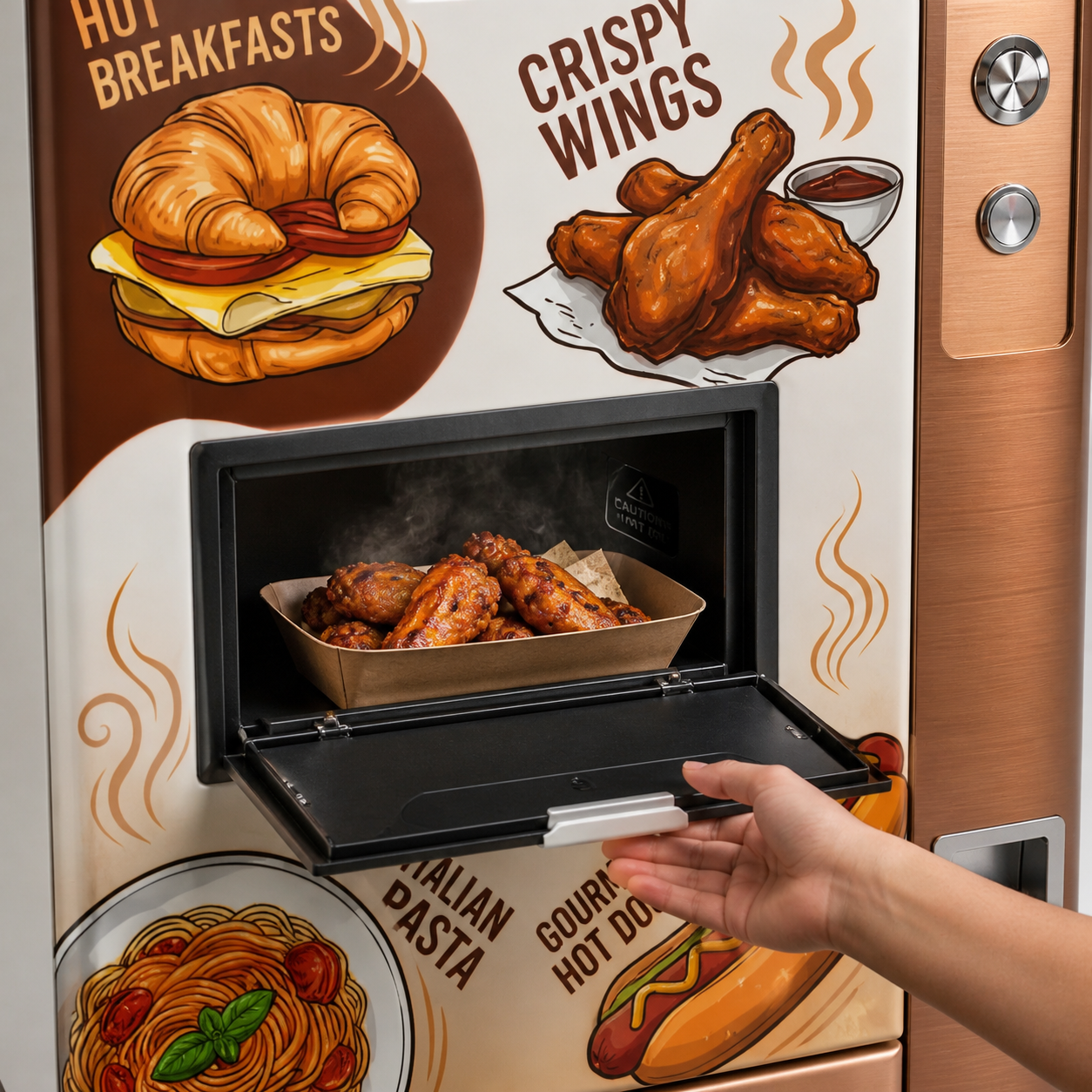
4. Requisitos del Departamento de Salud (Alimentos y productos frescos)
Si vendes:
- Comida fresca
- Comidas refrigeradas
- Alimentos preparados
Es posible que necesites:
- Aprobación del departamento de salud
- Certificación de manipulación de alimentos
- Documentación de cumplimiento de temperatura
Para snacks y bebidas sellados estándar, los requisitos suelen ser mínimos.
La venta de alimentos frescos requiere mayor supervisión.
5. Tabaco, vapeo y productos con restricción de edad
Si planea vender:
- productos de tabaco
- bolsas de nicotina
- Productos de vapeo
- Alcohol
Usted debe:
- Obtener la licencia adecuada
- Utilice sistemas de verificación de edad
- Cumplir con las regulaciones federales, estatales y locales.
Estas categorías tienen reglas estrictas de cumplimiento.
No todas las ubicaciones o estados los permiten.
Verifique siempre antes de invertir en estas categorías de productos.
6. Seguro
Si bien no siempre es obligatorio, es muy recomendable tener un seguro.
Cobertura típica:
- Seguro de responsabilidad civil general
- Cobertura de responsabilidad del producto
Costo anual:
$300 – $800 dependiendo de la cobertura
Muchos lugares comerciales requieren prueba de seguro antes de aprobar la colocación.
7. Acuerdos de participación en los ingresos
Si acepta compartir ingresos con una ubicación:
- Consíguelo por escrito
- Aclarar porcentaje
- Definir el calendario de pagos
- Definir responsabilidades de mantenimiento
Un simple acuerdo escrito protege a ambas partes.
8. Consideraciones sobre la ADA y la accesibilidad
Las máquinas deben:
- Colocarse en zonas accesibles
- No bloquear las salidas de emergencia
- Cumplir con las pautas de accesibilidad razonables
Si bien la mayoría de las máquinas expendedoras cumplen con las normas por diseño, la ubicación es importante.
9. Consideraciones de zonificación
Las máquinas para exteriores pueden requerir:
- Aprobación de zonificación
- Permisos especiales
- Aprobación de servicios públicos
- Cumplimiento de la normativa de resistencia a la intemperie
Las colocaciones en interiores suelen ser más sencillas.
10. Mantenimiento de registros
Debes realizar un seguimiento de:
- Ganancia
- Costos de inventario
- Impuesto sobre las ventas recaudado
- Pagos de ubicación
- Registros de mantenimiento
Un buen mantenimiento de registros lo protege durante las auditorías y mejora sus decisiones comerciales.
11. Lo que los nuevos operadores suelen pasar por alto
- Olvidar registrarse para el impuesto sobre las ventas
- No verificar los requisitos de permisos locales
- Instalación sin seguro
- Venta de productos restringidos sin licencia
La venta ambulante es sencilla, pero sólo cuando se realiza correctamente.
12. Recordatorio final
Las leyes varían según:
- Estado
- Condado
- Tipo de producto
Esta guía es educativa y no asesoramiento legal.
Verifique siempre los requisitos de su área de operación antes de colocar una máquina.
Compartir:
¿Cuánto puede ganar realmente una máquina expendedora?
Qué hacer después de decidir iniciar un negocio de vending