


Esta es la pregunta más común que hacen los operadores nuevos.
La respuesta honesta es:
Depende casi por completo de la calidad de la ubicación y de la estrategia del producto.
La máquina en sí rara vez es el factor decisivo.
A continuación se muestran rangos de ingresos realistas basados en los promedios de la industria de EE. UU.
1. Ingresos mensuales promedio por máquina
Ubicación con poco tráfico
$300 – $700 por mes de ingresos brutos
Ejemplos:
- Oficinas pequeñas
- Edificios con poco tráfico peatonal
- Pequeños complejos de apartamentos
Ubicación con tráfico moderado
$800 – $1,500 por mes de ingresos brutos
Ejemplos:
- Almacenes con 100–200 empleados
- Edificios de oficinas medianos
- Gimnasios
- Consultorios médicos
Aquí es donde la mayoría de las máquinas bien ubicadas fallan.
Ubicación de alto tráfico
$1,500 – $3,000+ por mes de ingresos brutos
Ejemplos:
- Hospitales
- Grandes instalaciones de fabricación
- Hoteles de alta densidad
- Edificios universitarios concurridos
Las ubicaciones con mejor rendimiento pueden superar los $3000, pero eso no es el promedio.
2. Comprensión de la utilidad bruta y neta
Los ingresos no son ganancias.
Vamos a desglosarlo.
Ejemplo:
$1,200 de ingresos brutos mensuales
Costo típico del producto:
40% – 60%
Supongamos un coste del producto del 50%:
costo de inventario de $600
Restante:
$600 de ganancia bruta
Ahora resta:
- Procesamiento de pagos (3%–6%)
- Deterioro ocasional
- Participación en los ingresos (si corresponde)
- Gastos operativos menores
Beneficio neto mensual típico:
$350 – $600 dependiendo de la eficiencia
3. Periodo de recuperación
El período de recuperación promedio para una máquina correctamente colocada es:
8 – 18 meses
Factores que afectan el período de recuperación de la inversión:
- Costo inicial de la máquina
- Fuerza de la ubicación
- Precios de productos
- Acuerdos de participación en los ingresos
- Disciplina de reposición
Una ubicación débil puede no ser rentable nunca.
Una buena ubicación puede dar sus frutos en menos de un año.
4. Impacto en la participación en los ingresos
Si una ubicación toma:
10% de los ingresos brutos:
De $1,200 de ingresos → $120 pagados a la ubicación
Esto reduce las ganancias, pero puede garantizar mejores colocaciones.
Algunas ubicaciones requieren 0%.
Muchas ubicaciones industriales no solicitan participación en los ingresos.
5. La regla de compra del 10%
Una fórmula de planificación sencilla:
Población diaria × Tasa de compra del 10 % × Venta promedio de $2,50 × 20 días hábiles
Ejemplo:
150 empleados
15 compras por día
Venta promedio de $2.50
= $37.50/día
= $750/mes
Aumentar la venta promedio a $3,00:
= $900/mes
Aumentar la tasa de compra al 15%:
= $1,350/mes
Los pequeños cambios importan.
6. Qué deberían esperar de manera realista los nuevos operadores
Si consigue una ubicación sólida con tráfico moderado:
Esperar:
$800 – $1,500 de ingresos brutos por mes
Beneficio neto:
$300 – $700 por mes
Esto es realista para una única máquina combinada bien ubicada.
7. Por qué fallan algunas máquinas
Los ingresos caen cuando:
- La ubicación es débil
- La combinación de productos es incorrecta
- El precio es demasiado bajo
- La máquina es poco visible
- Las existencias se agotan
- Los datos se ignoran
La máquina rara vez falla.
La ejecución lo hace.
8. La escala cambia la ecuación
Una máquina:
$500 de ganancia neta por mes
Cinco máquinas:
$2,500 de ganancia neta por mes
Diez máquinas:
$5,000+ de ganancia neta por mes
La venta se vuelve poderosa cuando se duplican los sistemas.
9. Ingresos por máquinas innovadoras (sistemas avanzados)
Sistemas de tickets más altos como:
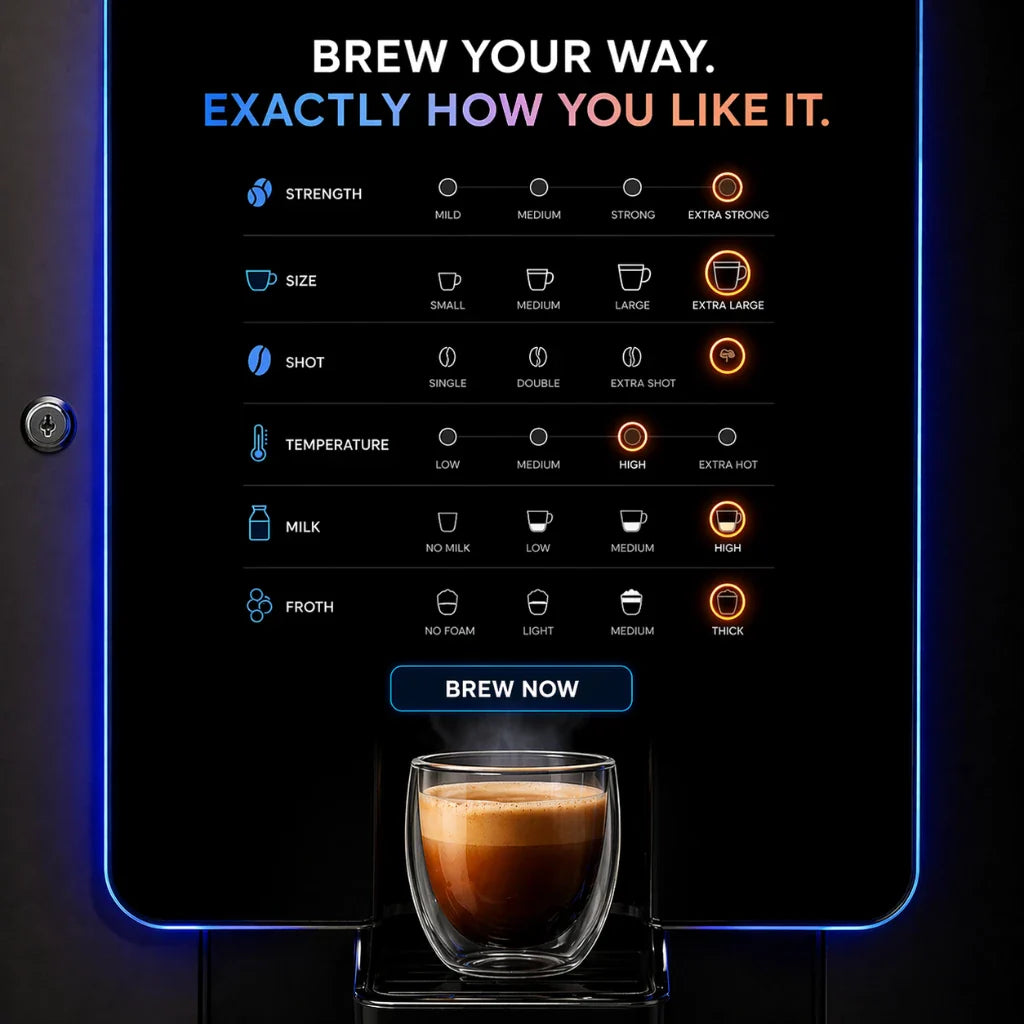
- Venta de café
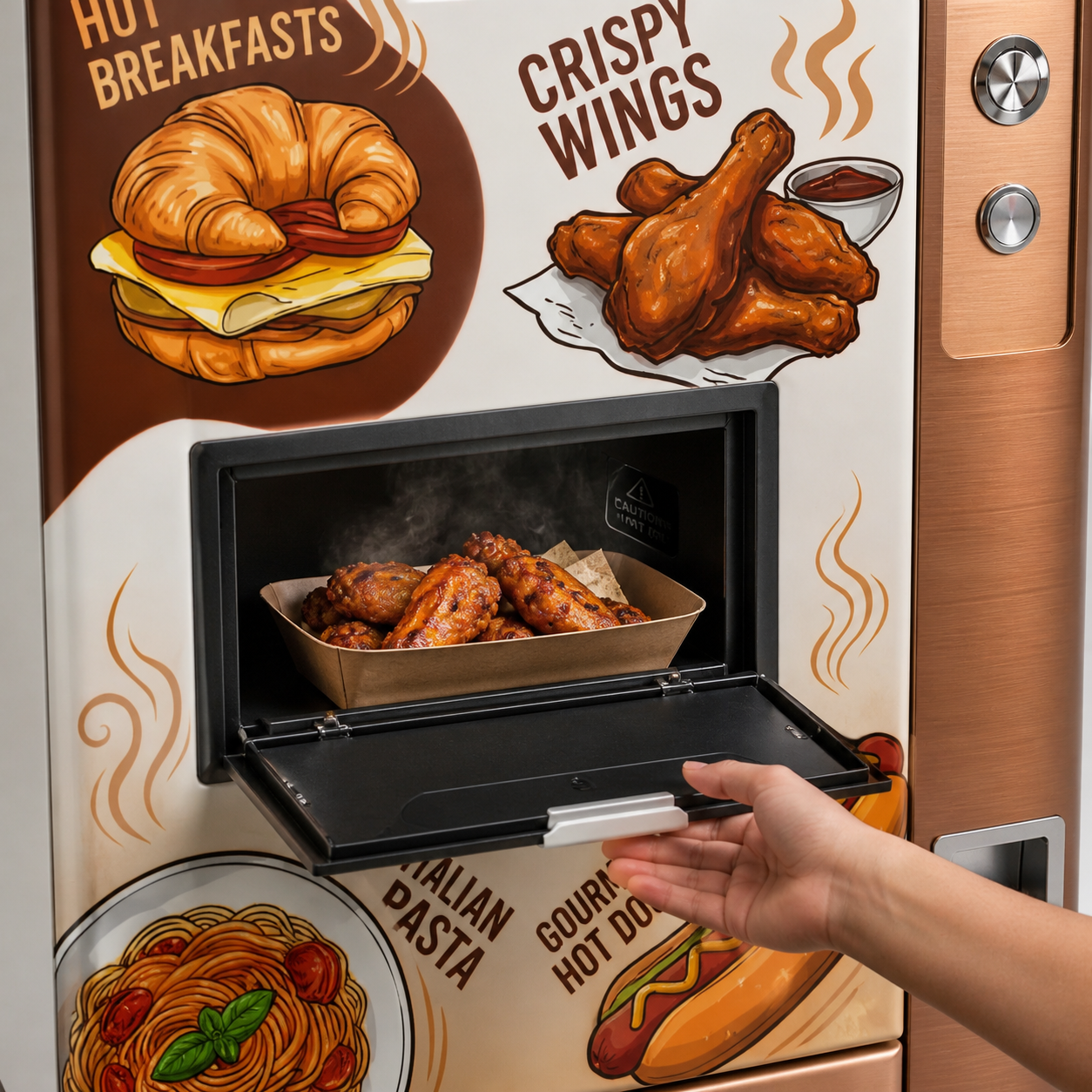
- Comida fresca
- Venta de pizzas
- Productos especializados de alto precio
Puede generar:
$2,000 – $5,000+ ingresos mensuales
Pero también:
- Requieren ubicaciones más fuertes
- Requerir operaciones más fuertes
- Conllevan un mayor costo inicial
No son modelos para principiantes.
10. La verdad final sobre los ingresos
No hay ingresos garantizados en la venta.
Hay ingresos predecibles cuando:
- La ubicación es fuerte
- El precio es intencional
- La combinación de productos está optimizada
- Las operaciones son consistentes
- Los datos se revisan periódicamente
La venta premia la disciplina.
Compartir:
Cómo elegir los productos adecuados para su máquina expendedora
Lo que necesitas antes de colocar una máquina