




Design the perfect vending solution for your location and customers.

Join the VMFS newsletter and step into a thriving network dedicated to collective success.
One signup. Endless possibilities.
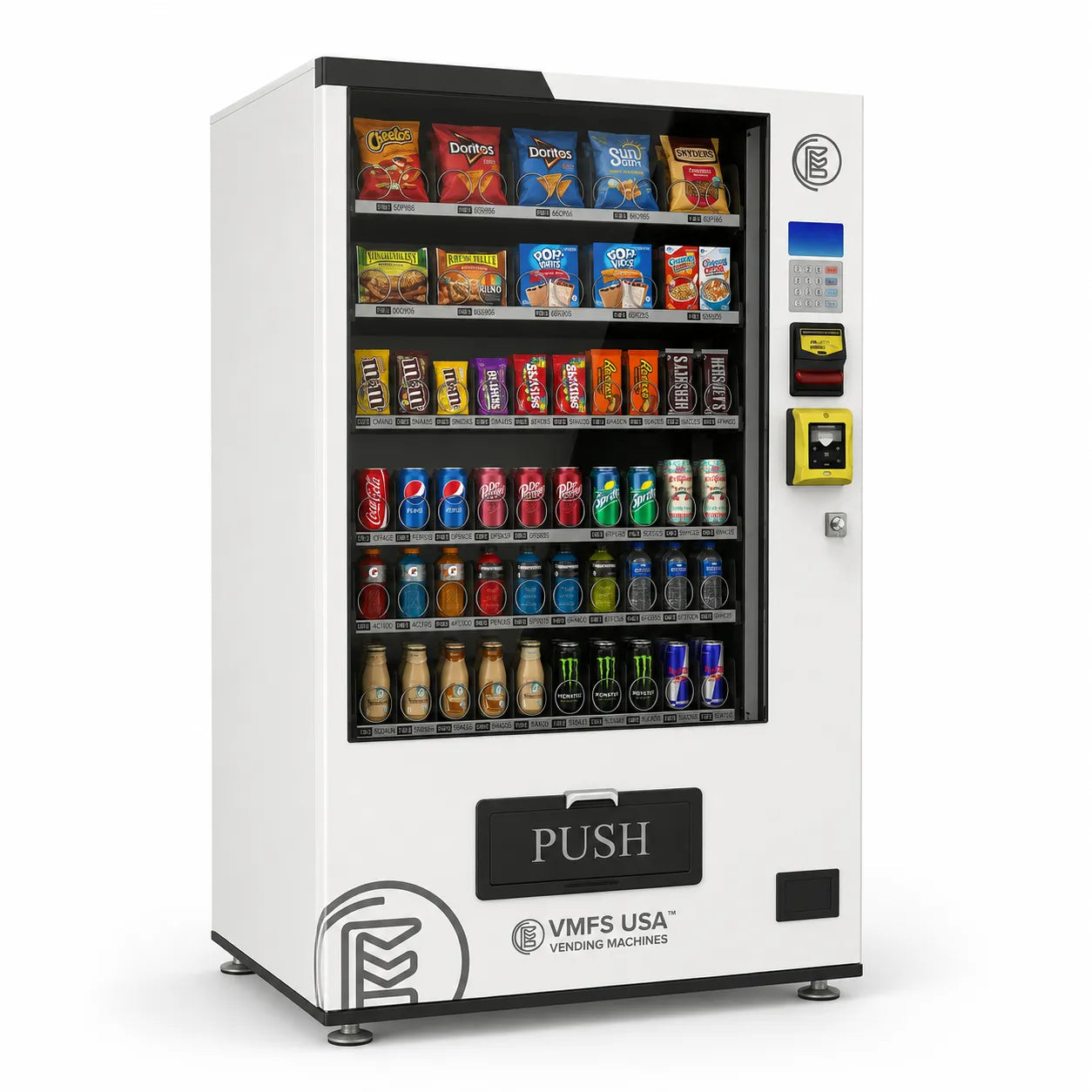
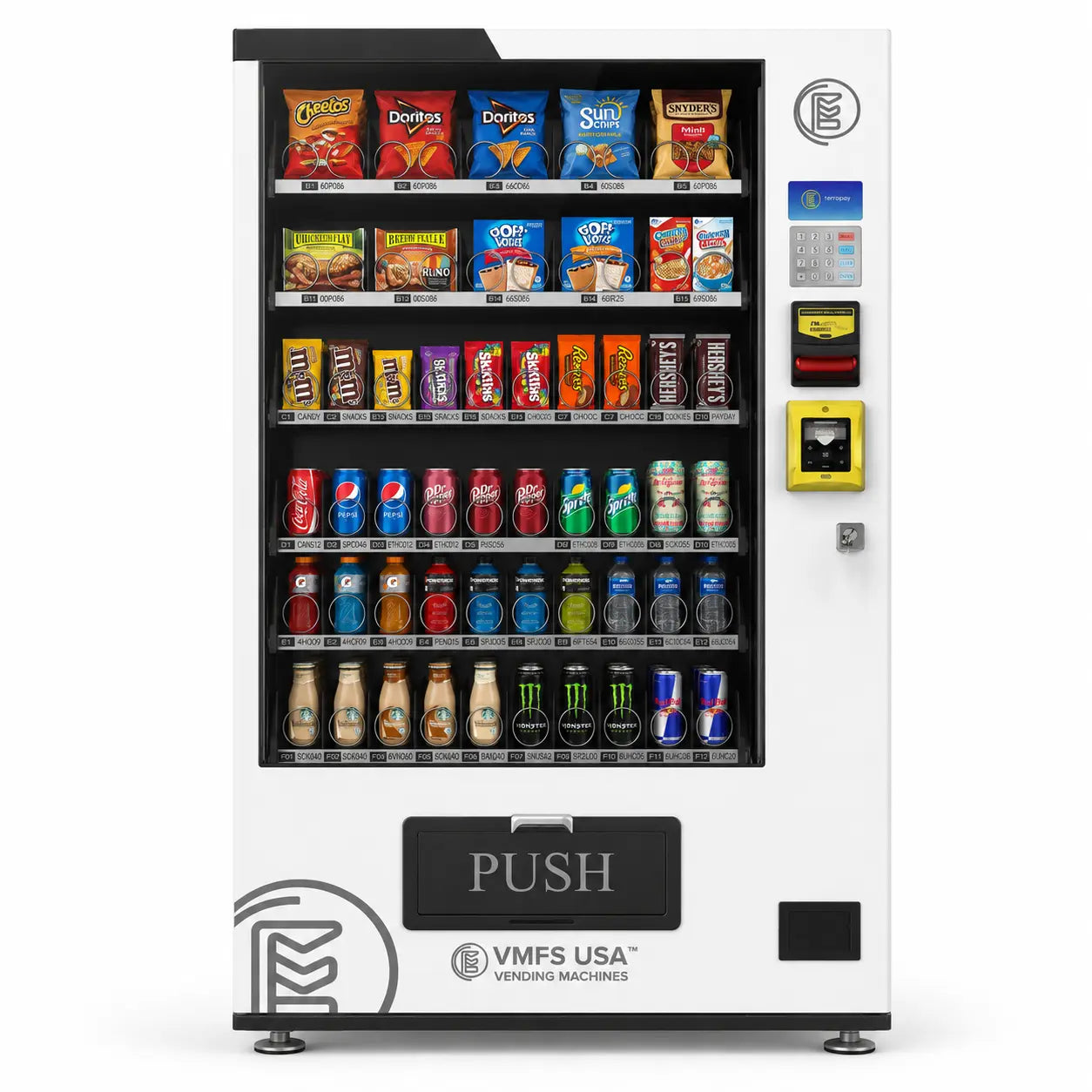
What is smart vending machine? It is an advanced, technology-driven upgrade to traditional vending, designed to offer more than just snacks and drinks. A smart vending machine combines touchscreen interfaces, cashless payments, real-time monitoring, and even AI-powered insights to create a seamless retail experience.
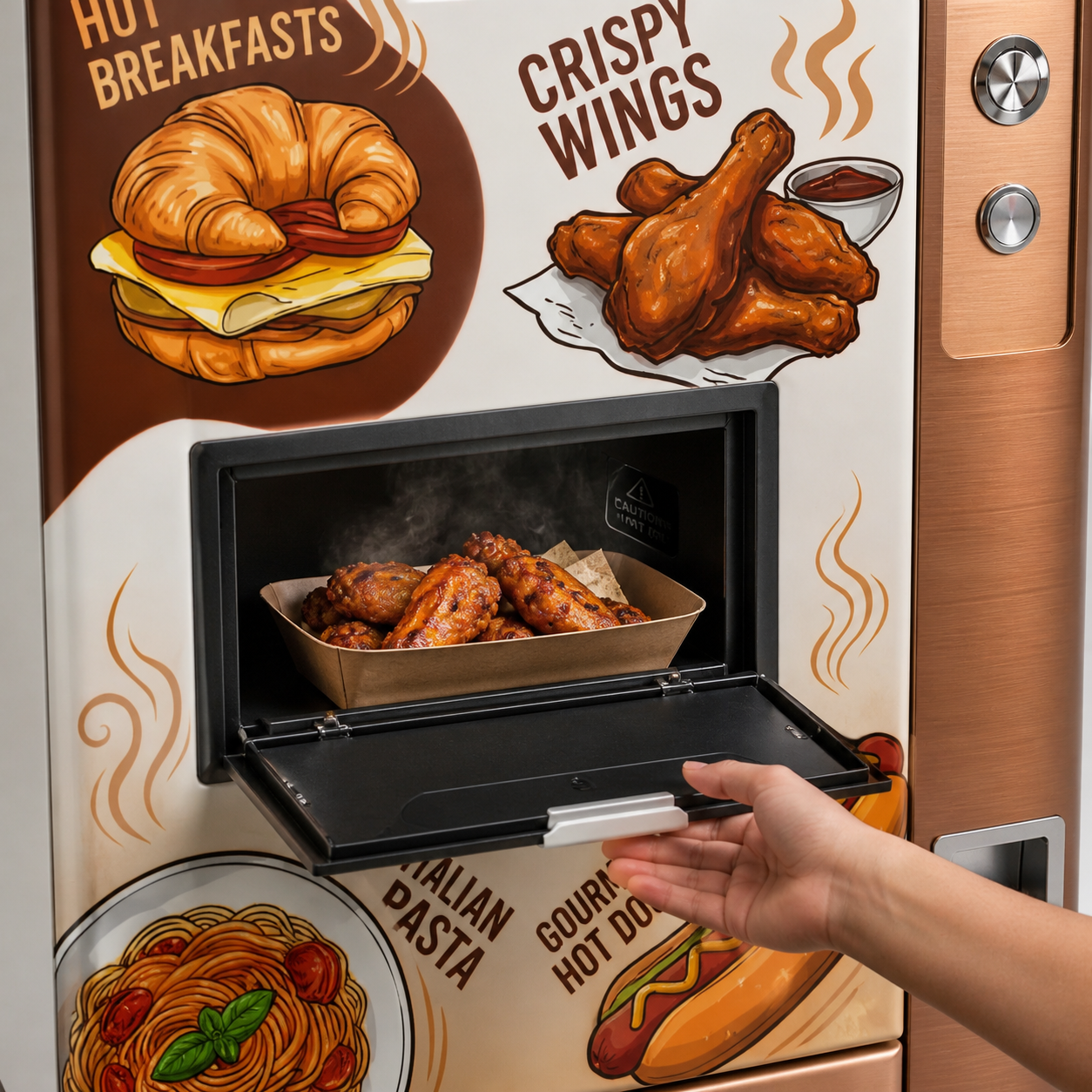
Unlike old models that simply drop products, these intelligent machines can stock snacks, beverages, fresh meals, or specialty products like ramen cups and CBD items, while tracking sales and inventory in real time. Many units even double as touch screen smart vending machines, offering advertising and promotional opportunities right on the display.
With growing demand for automation, businesses and entrepreneurs are turning to AI smart vending machines to cut costs, maximize uptime, and scale with ease. Whether installed in gyms, airports, or office buildings, these machines transform any location into a profitable, automated retail outlet.
A smart vending machine isn’t defined by one single feature, but by the ecosystem of technology working together. Let’s break down the most defining elements that separate smart vending from the old-school models.
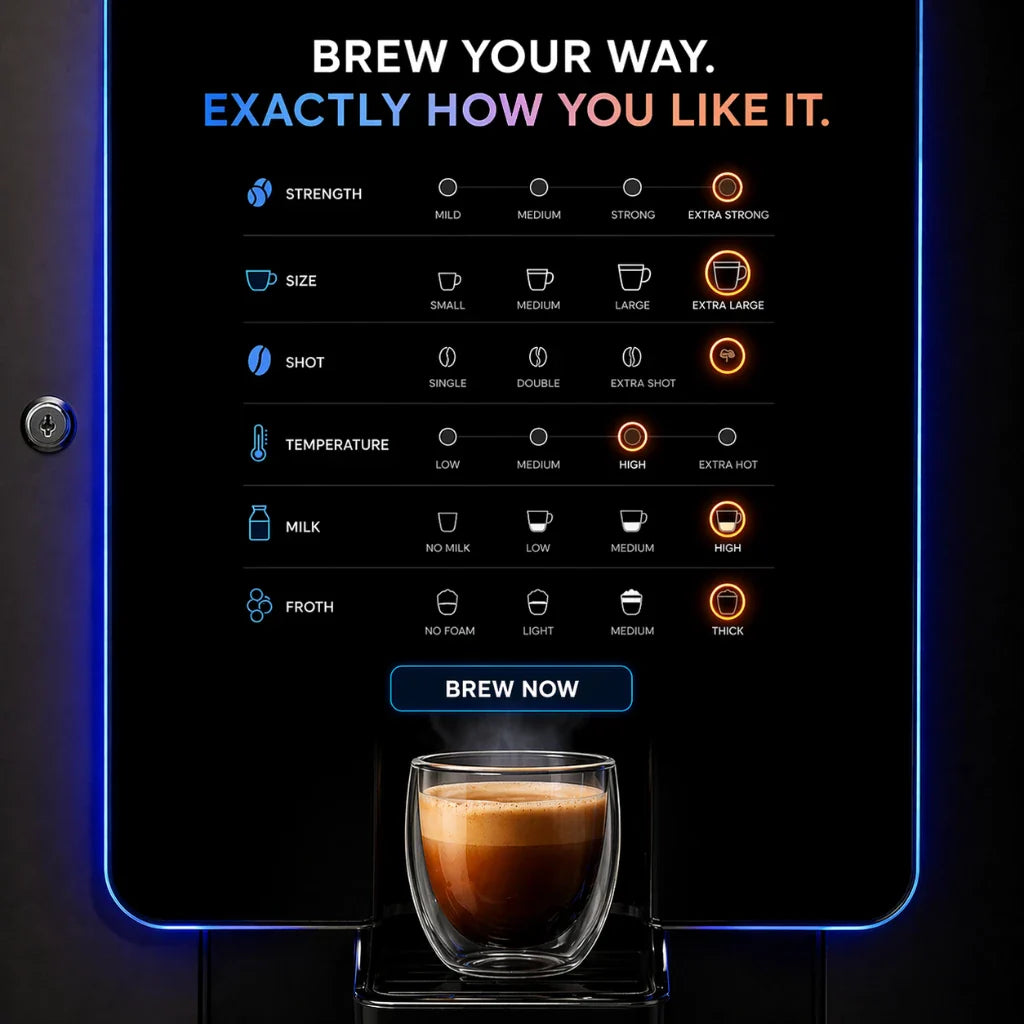
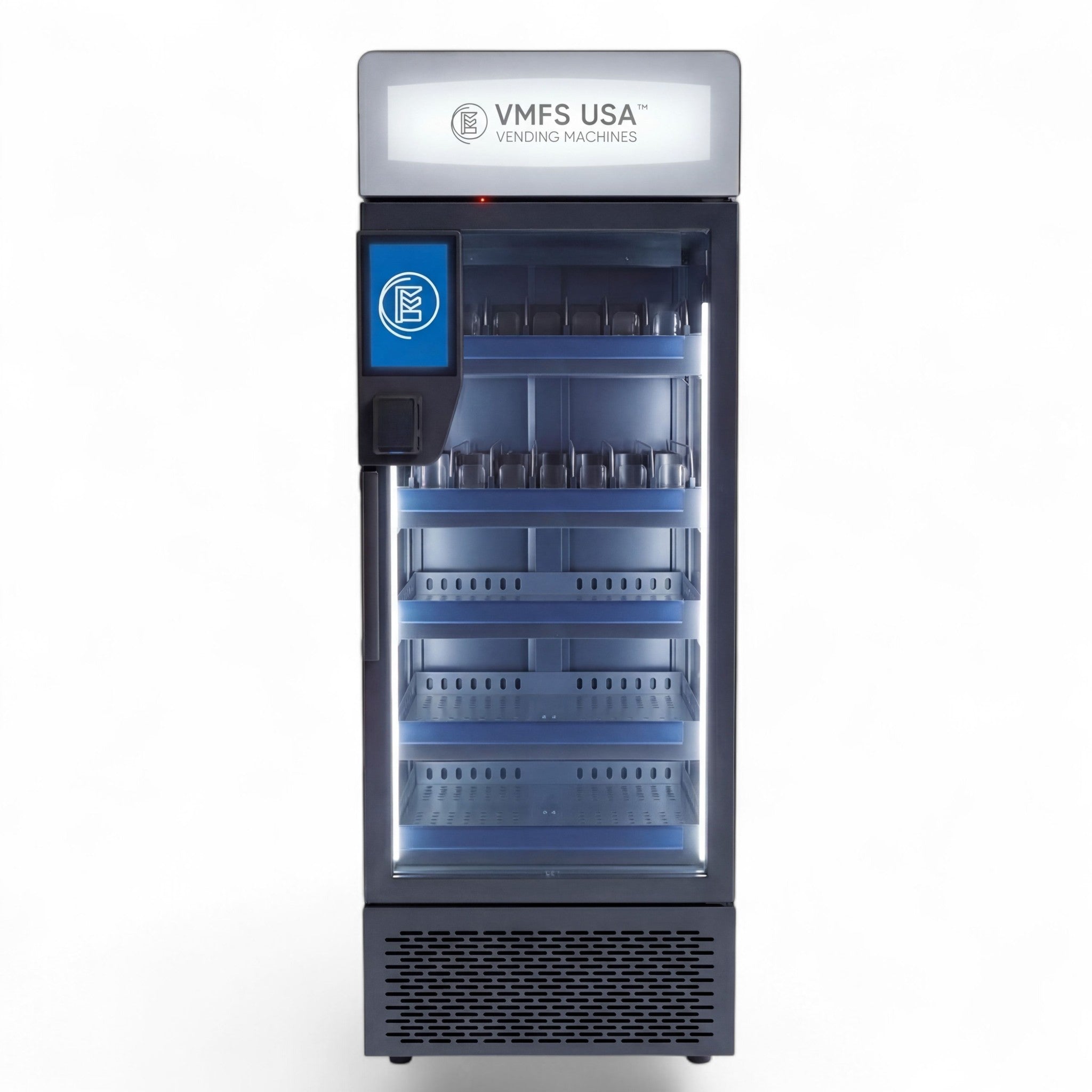
Gone are the days of pressing stiff plastic buttons. With touch screen smart vending machines, customers get an interactive experience. They can browse product categories, view nutritional details, select portion sizes, or even watch promotional videos. These screens can double as digital billboards, allowing businesses to run advertisements and generate secondary revenue streams.
Today’s consumers expect options. Smart vending machines deliver by accepting:
This flexibility widens your customer base and eliminates the frustration of “exact change only” signs.
Imagine knowing, in real time, that your machine is running low on ramen bowls or that your top-selling energy drink sold out during lunchtime. With cloud monitoring, operators can track inventory, sales performance, and even machine health from anywhere. This means less guesswork, fewer wasted trips to restock, and smarter decisions about what products to offer.
Smart vending machines are not limited to chips and sodas. Depending on the model, they can handle:
This adaptability is what allows for niche vending concepts, such as a smart pizza vending machine or a ramen noodle vending machine.
With secure dispensing systems, tamper-resistant doors, and optional age verification tools, smart vending machines meet compliance standards for regulated products. This opens the door to selling items like alcohol alternatives, CBD, or even THC where legally permitted.
These features together mean smart vending machines are not just machines. They’re retail solutions.
It’s one thing to understand the features, but for most business owners and investors, the real question is: how much money can a smart vending machine make?
The good news: smart vending machines are income-generating assets, and with the right placement, they can be highly profitable.
On average, smart vending machines can generate anywhere from $500 to $5,000 per month, depending on:
For example, a smart fridge vending machine in a corporate office might focus on healthy lunches and drinks, while a machine in a gym sells protein bars and energy drinks. Both tap into specific customer needs, which increases sales consistency.
Entry-level smart vending machines start around $3,100, while advanced models with refrigeration, ovens, or large touchscreens can exceed $20,000. With margins on vending items often reaching 50% or higher, most operators can recoup their investment within 12–18 months, especially in high-demand locations.
Unlike opening a retail store, expanding with vending machines is cost-effective. Operators can deploy one machine, test the market, and then scale to multiple units. Because smart vending machines are connected via the cloud, managing ten machines isn’t much harder than managing one.
One of the biggest profit advantages? Smart vending machines never close. They’re available day and night, providing passive income streams without staff.
When you combine affordability, profitability, and scalability, smart vending becomes one of the most attractive low-barrier business investments today.
Here’s where smart vending truly earns its name. It’s not just about machines with touchscreens. It’s about how artificial intelligence and data transform operations.
AI smart vending machines can analyze purchase history and suggest products customers are most likely to buy. Imagine a student swiping for a coffee and seeing a discount offer for a snack they frequently purchase. This kind of micro-personalization boosts sales and customer loyalty. Locations where hot drinks drive most of the traffic can pair a smart snack unit with dedicated coffee vending machines.
Smart vending machines use data to predict when stock will run out. Instead of operators guessing when to restock, the machine can send alerts or even reorder products automatically. This minimizes empty shelves, lost sales, and waste.
AI also identifies inefficiencies. For example, if a machine sells fewer items in a particular location, the system can recommend moving it to a higher-performing site.
The data gathered from sales trends to peak hours becomes a goldmine for strategy. Operators can discover:
With cloud systems, business owners can change product prices, update digital ads, or view machine health remotely. This transforms vending into a dynamic, adaptable business model, not a static machine sitting in a corner.
And for businesses looking to leverage AI further, there are specialized solutions. You can explore our full lineup of AI smart vending machines to see how these models push automation, intelligence, and profits even further.
When people ask about smart vending machines cost or search for the latest smart vending machine price, the answer depends on features and setup. At VMFS, units start around $3,100 for smaller models and can scale to $20,000+ for advanced food vending machines with heating, cooling, and AI technology.
Pricing is influenced by several factors:
This transparent range makes it easier to budget for the right solution, whether you’re adding one machine or rolling out a fleet.
Businesses across the U.S. are investing in smart vending solutions because these machines do far more than dispense products. With large touch screens, they double as advertising platforms that showcase promotions and brand campaigns.
Customers also appreciate the convenience of fresh, accessible snacks, drinks, and specialty items available 24/7. The seamless combination of cashless payments, remote monitoring, and reliable delivery systems translates into better customer satisfaction and repeat sales.
Perhaps the biggest advantage is scalability. With cloud management tools, operators can oversee dozens of machines across multiple locations, track sales in real time, and restock efficiently. This makes smart vending an attractive model for both small businesses and large enterprises.
So, what is a smart vending machine? It is more than just a modern upgrade to the old snack machine. It is an innovation that blends convenience, technology, and profitability into one system. From touch screen smart vending machines to specialized models like smart fridge vending machines and even smart pizza vending machines, the possibilities are expanding every year.
Smart vending is not just about selling snacks and drinks. It is about building an automated retail business model for the future.
Share:
Vending Machine Contract Template: Sample Agreement + Clause Guide
Vending Machine Contract Template: Sample Agreement + Clause Guide