


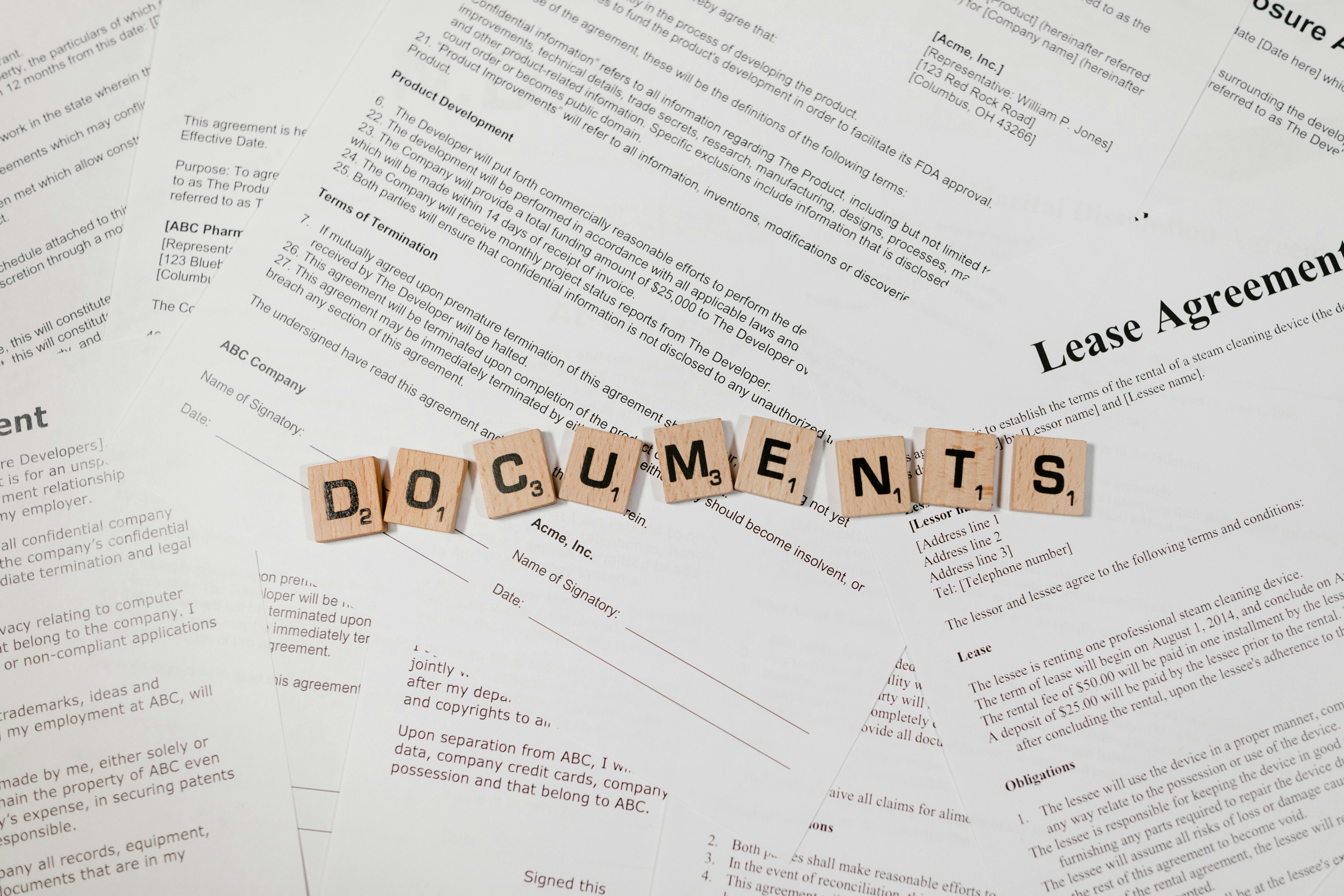


Design the perfect vending solution for your location and customers.

Join the VMFS newsletter and step into a thriving network dedicated to collective success.
One signup. Endless possibilities.
Operating vending machines in Colorado requires compliance with state tax registration, local business licensing, and health department regulations when applicable. Colorado does not issue one single statewide vending machine license. Instead, operators must register for a Colorado Sales Tax License, comply with home-rule city tax requirements, and obtain local business approvals based on where machines operate and what products they sell.
Colorado does not issue a universal vending machine license that applies statewide. Instead, vending compliance involves multiple approvals layered across state and local agencies.
Whether you need additional permits depends on two primary factors:
Most vending operators must obtain a Colorado Sales Tax License before placing machines. In addition, many cities require a general business license. Health permits apply only when vending machines sell regulated food that requires temperature control or preparation.
The key takeaway is simple. Every vending operator must register for sales tax. Some operators also need local business licenses. Only certain machines require health permits.
The foundation of any vending machine license in Colorado begins with state tax registration. Colorado regulates vending activity primarily through the Colorado Department of Revenue.
Most vending machine businesses must obtain a Colorado Sales Tax License, sometimes called a Retail Sales Tax License. This license allows operators to collect and remit sales tax on vending sales.
The license applies to the business, not individual machines. However, it does not replace local licensing requirements.
Colorado includes several home-rule cities such as Denver, Colorado Springs, Aurora, and Fort Collins. These cities administer their own local sales tax systems separately from the state.
If vending machines operate in a home-rule city, operators may need to register directly with that city in addition to holding a state tax license.
Failure to register properly in home-rule jurisdictions is one of the most common compliance mistakes for new operators.
After state registration, operators must determine whether a local business license is required. Many cities require a general business license even when vending machines are placed indoors on private property.
Requirements vary by municipality. Some cities require one license covering all business activity within city limits. Others may require separate approvals depending on location type.
Processing timelines typically range from a few days to several weeks depending on the jurisdiction.
A vending machine permit in Colorado from the health department is required only when machines sell regulated food.
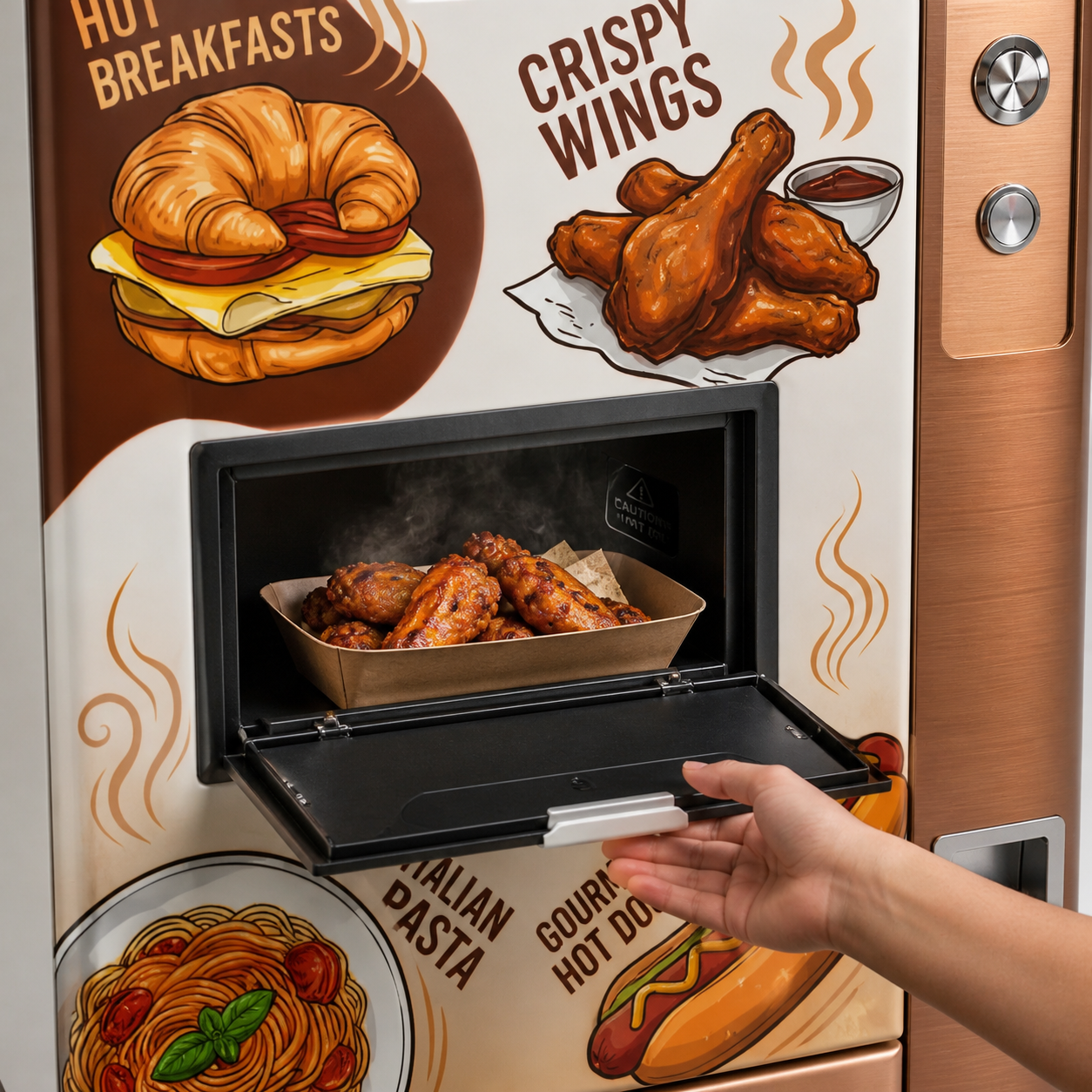
Packaged, shelf-stable snacks and sealed bottled beverages usually do not require health approval. However, machines that store, heat, freeze, or prepare food typically require inspection and permitting from the county public health department.
Examples that often require permits include:
Health permit costs vary by county but typically range from $100 to $500 annually. Processing time may range from one to four weeks depending on inspection scheduling.
| Requirement | Authority | Estimated Cost | Timeline |
|---|---|---|---|
| Sales Tax License | Colorado Department of Revenue | $16 + $50 deposit | 1–10 business days |
| Home-Rule Registration | Local City | Varies | 1–3 weeks |
| City Business License | City Government | $25–$300+ | Several days to weeks |
| Health Permit (If Required) | County Health Department | $100–$500+ | 1–4 weeks |
Operators selling only packaged products typically face lower compliance costs. Expenses increase when machines sell temperature-controlled or prepared food.
If you are searching for how to get a vending machine license in Colorado, following the correct sequence prevents delays and rejected applications. Colorado requires approvals in a specific order.
Before applying for any tax license or permit, establish a legal business entity. Most vending operators form a limited liability company (LLC) through the Colorado Secretary of State.
Timeline: Same day to 3 business days when filed online.
Next, apply for a Retail Sales Tax License through the Colorado Department of Revenue. This step is mandatory before placing any machines.
Timeline: Typically 1–10 business days.
If vending machines operate in Denver, Colorado Springs, Aurora, or other home-rule cities, register separately with the city’s local tax office.
Failure to complete this step is one of the most common compliance mistakes for new operators.
Many municipalities require a general business license even for indoor vending machines placed on private property.
Timeline: Several days to several weeks depending on the city.
If machines sell refrigerated, frozen, hot, or prepared food, contact the county public health department before installation.
Timeline: 1–4 weeks depending on county scheduling.
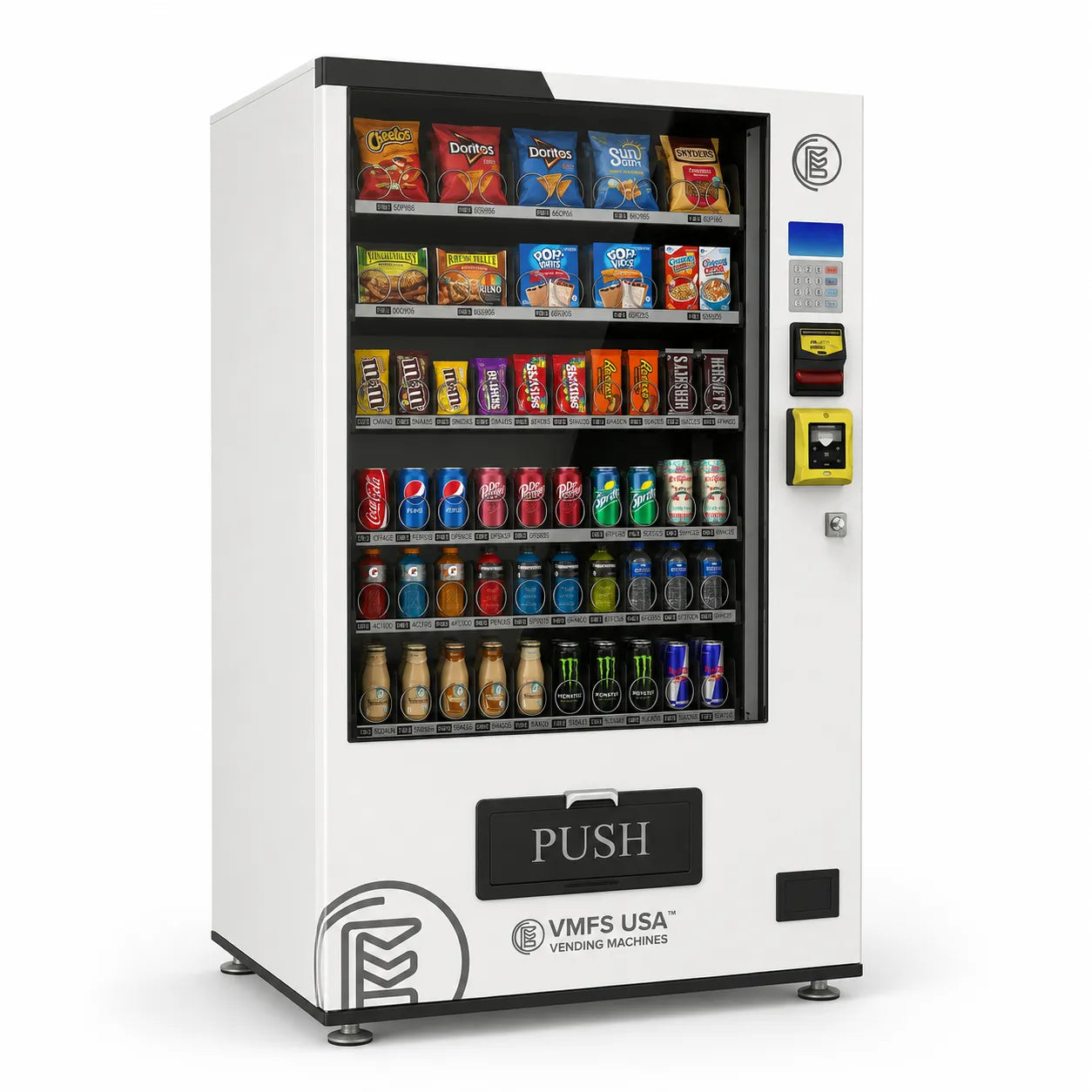
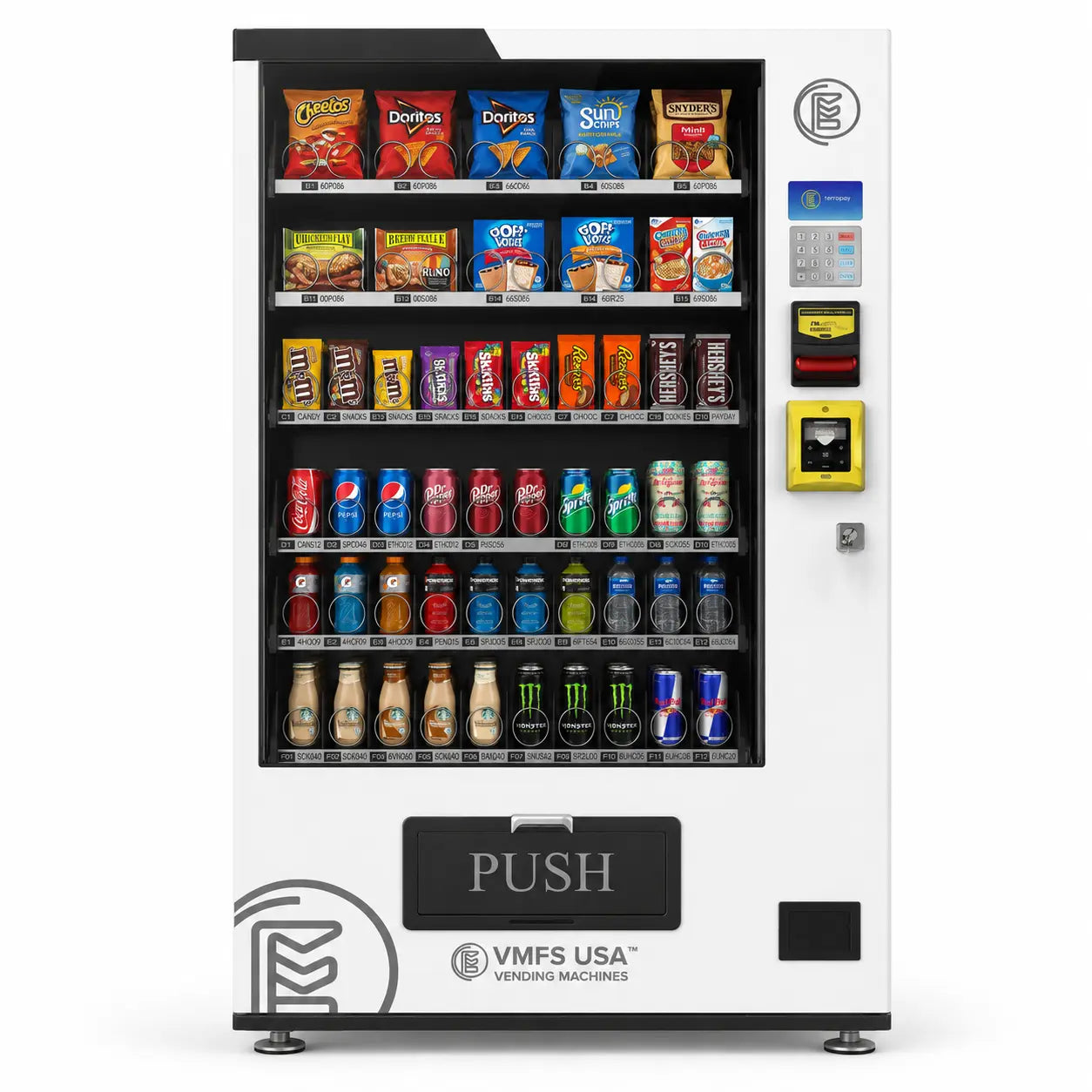
Machine selection impacts both compliance and approval speed. In Colorado, machines that sell sealed, shelf-stable products are the easiest to approve. Equipment that prepares or temperature-controls food increases regulatory oversight.
These machines typically require only tax registration and local business licensing.
For smaller offices or shared environments, mini vending machines provide a compact option without increasing permit complexity when stocked with packaged items.
Operators expanding into technology-driven placements may consider AI vending machines. These systems support automated inventory tracking and real-time reporting without altering licensing requirements.
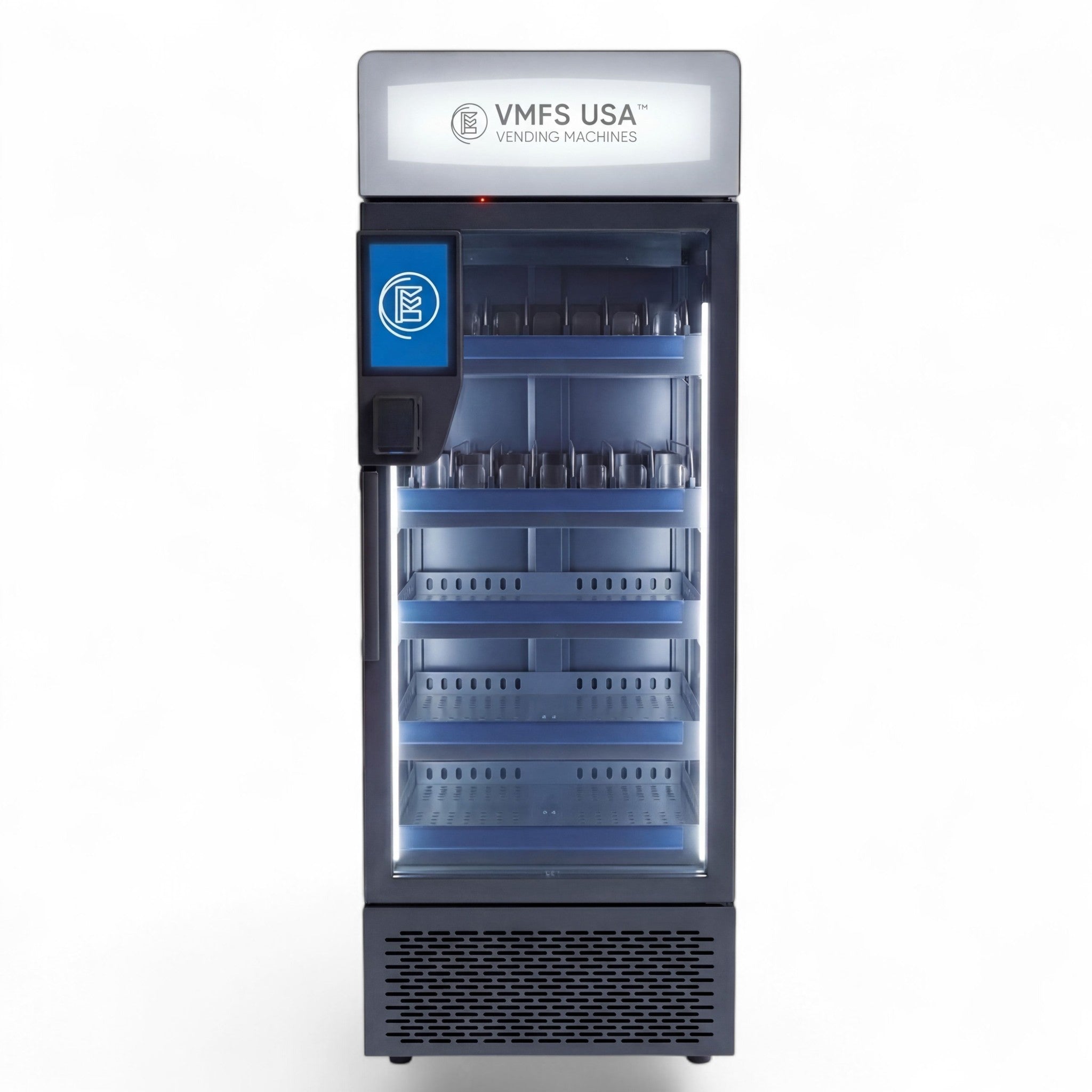
More advanced smart AI vending machines integrate dynamic pricing, remote diagnostics, and enhanced cashless payment capabilities. While technology improves operations, permit requirements remain tied to product type rather than machine software.
Some commercial properties request tailored equipment. In those cases, custom vending machines allow operators to align machine size and configuration with site requirements.
For branded placements, customized vending machines can incorporate logos or specialized shelving layouts.
Confirm county health department requirements before purchasing temperature-controlled equipment.
Maintaining compliance requires ongoing renewals. Missing renewal deadlines can invalidate your vending machine license in Colorado.
Operators should maintain a compliance calendar to track renewal deadlines and tax filing schedules.
Understanding how to get a vending machine permit in Colorado requires recognizing that the state regulates vending through tax registration and local licensing rather than a standalone vending license. Every operator must secure a Colorado Sales Tax License. Some must also register in home-rule cities and obtain local business licenses. Health permits apply only when vending regulated food.
Operators who confirm requirements early, choose compliant equipment, and maintain accurate tax reporting can build profitable vending routes across Colorado without regulatory setbacks.
Share:
Vending Machine vs Human Staffing: Unit Economics for Small Retail
MultiVend Explained: How It Works, When to Use, and Compatibility