


Elevator Vending Machines in Seattle, WA
Automated Revenue Solutions for Seattle Businesses – Fresh Snacks and Beverages Available 24/7 in High-Traffic Elevator Locations
Stop Guessing. Configure Your Elevator Vending Machine.
Answer a few quick questions about your location, your product mix, your temperature needs, and your budget. Our Elevator Vending System will match you with the right base model, add the right modules (refrigeration, ad screen, outdoor protection, payment suite), and show you real time pricing and lead time as you build.
Skip the back and forth. Skip the spec sheet overwhelm. See your exact configuration, your exact cost, and your exact delivery window before you commit.
- Real time pricing as you add or remove features
- Live lead time estimate based on your configuration
- Recommended product mix for your location type
- Capacity, slot count, and weight limits shown per setup
- Option presets for food, drinks, electronics, retail, and frozen

Why Elevator Vending Machines?
Premium Elevator Vending Machines in Seattle, Washington Experience next-generation vending with our premium
elevator vending machines
in Seattle, Washington. These innovative machines feature advanced robotic lift technology that gently delivers products to the pickup tray, eliminating drops and damage to delicate items. Perfect for snacks, beverages, electronics, and fresh food, our elevator vending machines accommodate up to 800 product slots for maximum variety. Built-in cloud monitoring enables remote management of high-volume, high-margin locations, providing real-time inventory tracking and sales analytics. Ideal for offices, hospitals, universities, and retail environments throughout the Seattle area, these machines maximize profitability while ensuring customer satisfaction through reliable, damage-free product delivery.
Zero Product Damage
Robotic elevator lift delivers every item intact, protecting glass bottles, fresh food, electronics, and premium SKUs that coil machines physically destroy
High-Capacity Footprint
Up to 800 items across chilled, ambient, and frozen zones in a single cabinet — the highest SKU density in the industry
Premium Product Compatibility
Handles fragile, high-ticket, and temperature-sensitive inventory including glass-bottled beverages, sushi, salads, and small electronics
24/7 Cloud Monitoring
Real-time sales reporting, per-slot inventory tracking, temperature alerts, and cashless payment data stream to your VMFS Cloud dashboard
Why Elevator Machines Perform in Seattle, Washington
Seattle's thriving convention and tourism scene creates ideal conditions for elevator vending machines in downtown hotels, airports, and corporate campuses. Pacific Northwest humidity and frequent rain damage traditional street-level vending, while enclosed elevator spaces protect merchandise from moisture and environmental wear. High foot traffic in Pike Place Market vicinity and the convention district generates consistent customer demand for convenient, on-demand purchases during peak travel seasons. Elevator placement in upscale hotels and tech company headquarters targets affluent consumers seeking premium snacks and beverages, while minimizing theft and vandalism common in exposed outdoor locations throughout the city.
Best Locations in Seattle
High-value deployment sites where elevator vending delivers the strongest revenue per square foot.
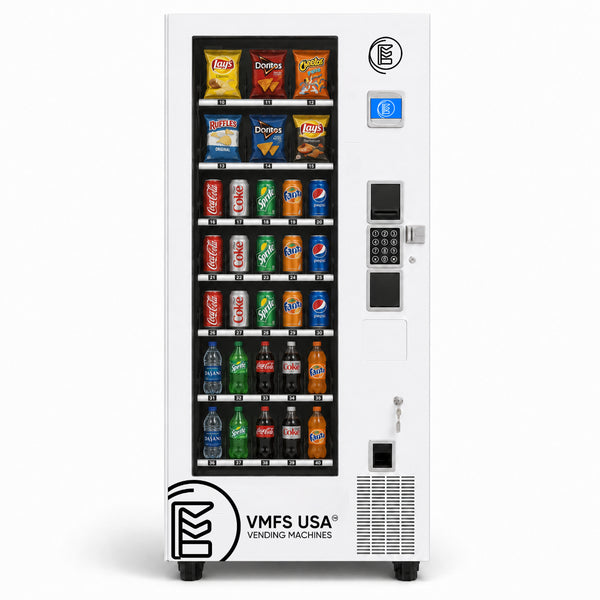
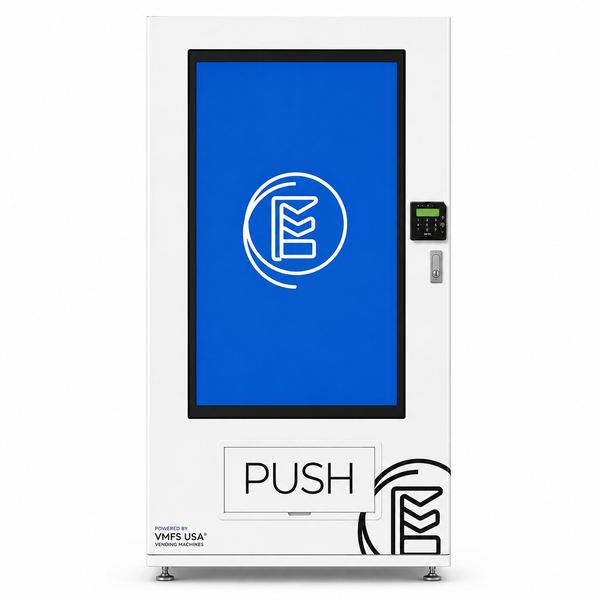
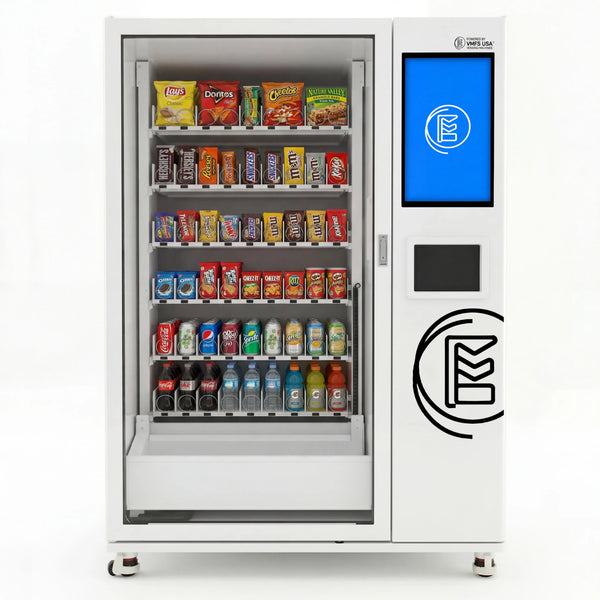
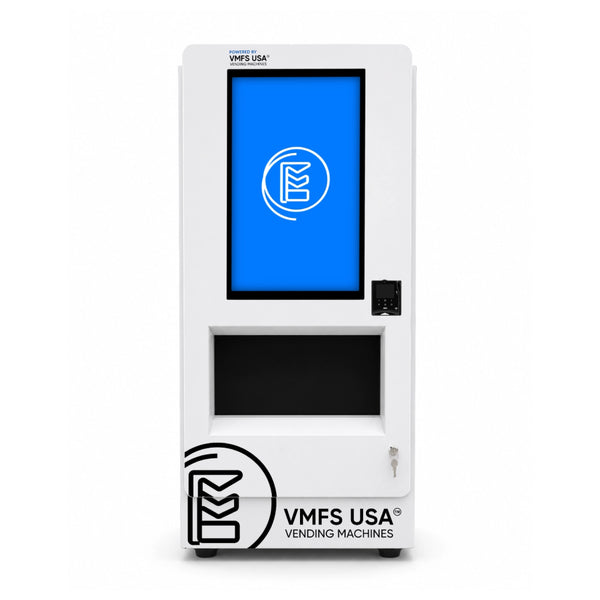
Elevator Vending Machines Available for Seattle
Every unit below ships configured, compliance-ready, and backed by VMFS Cloud monitoring.
How Operators Use Elevator Vending in Seattle
Tech Campus Break Room
Seattle's major tech employers including Amazon, Microsoft, and Google operate large campuses across South Lake Union, Bellevue, and Puget Sound regions where thousands of employees work extended hours. The elevator unit stocks fresh salads, cold pressed juices, protein bars, and functional beverages tailored to health conscious tech workers seeking quick nutrition between meetings. Gentle elevator delivery protects delicate fresh food containers and glass bottles from damage that coil machines cause, preserving product quality and reducing waste on perishable items. Tech campuses generate consistent revenue through high employee density, premium pricing tolerance, and reliable 24 hour access for shift workers and late night development teams.
Pike Place Market Retail Kiosk
Pike Place Market and adjacent retail corridors attract millions of local and visiting shoppers annually who need convenient snacks and beverages while browsing vendor stalls and shops. The machine stocks premium local beverages, artisanal snack bars, fresh pastries, and Seattle roasted coffee products that complement the market experience and appeal to food conscious customers. An elevator unit prevents crushing and preserves the presentation of delicate baked goods and premium snack packaging that traditional coil delivery would damage, protecting margins on high value items. Tourist and local foot traffic generates strong per unit revenue, with customers paying 30 to 50 percent above retail prices for convenience in a high traffic cultural destination.
Seattle Fitness Club Floor
Major fitness chains operating in Seattle including Gold's Gym, Equinox, and independent CrossFit boxes serve committed members throughout Capitol Hill, Queen Anne, and University District locations. The machine stocks electrolyte recovery drinks, protein bars, pre workout supplements, amino acid powders, and performance nutrition products designed for members before and after workouts. The elevator delivery system protects supplement bottles and delicate nutrition containers from impact damage that coil machines cause, ensuring product integrity and member satisfaction. Member loyalty and recurring visits drive consistent revenue, with fitness club patrons viewing premium vending as a trusted amenity that justifies facility fees and encourages repeat visits.
Seattle Tacoma International Airport Terminal
Seattle Tacoma International Airport serves 50 million passengers annually with consistent high volume traffic through security checkpoints, gates, and retail corridors where travelers need last minute items. The machine stocks premium snacks, beverages, phone chargers, headphones, travel sized toiletries, and ready to eat meals suited to time pressed travelers with varied budgets and dietary needs. Gentle elevator delivery protects electronics, bottles, and perishable items from damage during restocking, maintaining product appearance and functionality during peak travel periods. High traffic volume, cashless payment adoption, and premium pricing tolerance during travel peaks generate strong revenue per machine with minimal downtime during busy seasons.
What Ships With Every Elevator Unit
Regulations for Operating in Seattle, WA
Licensing, permits, sales tax, and health department standards for elevator vending operators in Washington.
State License Requirements
Washington vending machine operations are regulated by the Washington State Department of Health (DOH) and the Department of Revenue (DOR). Food service establishments serving potentially hazardous foods require a Food Service License from the DOH; machines dispensing only non-potentially hazardous snacks, beverages, or shelf-stable products may be exempt from full licensure but must still comply with food safety rules. Operators must register for a Washington State Business and Occupation (B&O) Tax Account with the Department of Revenue; registration is required before commencing business operations. No statewide vending operator-specific license exists, but a valid EIN (Employer Identification Number) or Social Security Number is required for tax purposes. Business entities must be properly registered with the Secretary of State (sole proprietor, LLC, corporation, partnership). Tobacco products require separate licensing through the Liquor and Cannabis Board (LCB) and age-verification compliance. Alcohol vending is heavily restricted and generally prohibited outside licensed premises. Bottled water, ice, and non-potentially hazardous beverages may be vended with standard registration, though ice may trigger additional food establishment requirements. Permit renewal timelines vary by product category; food service licenses typically renew annually or biennially depending on operation type.
City and County Permits
In Seattle (King County), a City of Seattle Business License is required before operating; applications are filed with the Finance and Administrative Services Department. Certificates of Use or Conditional Use Permits may be required depending on machine location and zoning classification; zoning inquiries should be directed to the Seattle Department of Construction and Inspections (SDCI). Fire safety and building code compliance are enforced by SDCI; machines must meet electrical and safety standards. King County does not impose a separate county vending permit but enforces state health standards. No specific coin-operated machine declaration is required in Seattle, though machines on private property require owner authorization. Machines placed in schools, public buildings, or healthcare facilities may require additional approvals from those institutions. Business License renewal in Seattle occurs annually; late renewal incurs penalties starting at 10 percent of the annual fee. Contact the Seattle Finance and Administrative Services Department at 206-684-8484 for business licensing questions and SDCI at 206-684-8600 for zoning and building code compliance.
Sales Tax Rate
The combined sales tax rate in Seattle, Washington is 10.25 percent, consisting of the Washington State rate of 6.5 percent plus the King County rate of 3.75 percent. Non-potentially hazardous snacks, confections, and most beverages are fully taxable. Certain food items including raw vegetables, fruits, bread, and milk products qualify for tax exemption or reduced rates; however, prepared foods and most vended snacks are taxable. Operators must register for a B&O Tax Account and a Resale Permit (if applicable) with the Washington Department of Revenue; sales tax is remitted monthly or quarterly depending on sales volume. Remote sellers with no Washington physical presence but exceeding $1,000 in annual sales have economic nexus and must collect and remit Washington sales tax. The Department of Revenue provides guidance on nexus and exemption determinations; contact them at 360-704-6705 for clarification on specific product categories.
Health Department Standards
The Washington State Department of Health establishes food safety standards for all vending machines. Machines must be constructed with food-contact surfaces of non-toxic, easily cleanable materials (stainless steel preferred); internal components must prevent contamination and support proper food handling. Automatic temperature controls and monitoring thermometers are required for machines vending potentially hazardous foods; units must maintain safe temperatures and display compliance signage. Machines must be installed to prevent overhead leakage, water accumulation, and pest access; floor surfaces must be clean and properly maintained. Machines must be screened or shielded from non-food operations and external contaminants. Operational requirements include date-marking of products, legible labeling of contents and allergens, and removal of expired or damaged items. The King County Health Department (KCHD) conducts unannounced inspections of vending operations and food handling; inspections verify compliance with cleanliness, temperature control, and product rotation standards. Secondary oversight is provided for machines placed in schools (Seattle Public Schools Nutrition Services), healthcare facilities (hospital food safety officers), and government buildings (facility management compliance). Seattle's temperate marine climate with moderate humidity and rainfall requires machines to have sealed electrical connections, corrosion-resistant components, and adequate drainage; cold winter months may require heated sections for certain beverages. VMFS elevator machines deployed in Seattle ship with stainless steel food-contact surfaces, integrated temperature monitoring, sealed electrical systems, and corrosion-resistant hardware meeting all Washington DOH standards.
Disclaimer
Regulatory information is for reference only and current as of 2026. Operators should verify current requirements with the relevant agency before deployment. VMFS USA is not a legal or tax advisor.
Seattle at a Glance
Geographic Identity
- County
- King County
- Metro Area
- Seattle-Tacoma-Bellevue
- Time Zone
- America/Los_Angeles (Pacific Time)
- Area Codes
- 206, 425, 253
- ZIP Codes
- 98101 to 98199
- Primary Airport
- SEA Seattle-Tacoma International Airport
- Secondary Airport
- None
- Major Port
- Port of Seattle, a major container and cruise port
- Nickname
- The Emerald City
Market Stats
- City Population
- 753,675
- Metro Population
- 4.02 million
- Annual Visitors
- 10.9 million (2023)
- Visitor Economy
- $10.4 billion annual economic impact
- Airport Passengers
- 50.7 million annual travelers through SEA
- Hospitality Jobs
- None
- Top Industries
- Technology, Aerospace and Defense, Healthcare, International Trade, Finance and Banking, Real Estate, Tourism and Hospitality
- Demand Driver
- Major tech corporate headquarters, robust international trade and shipping through Port of Seattle, and year-round tourism driven by natural attractions and cultural institutions fuel strong visitor and business demand.
Climate Profile
- Climate Zone
- Oceanic
- Average Humidity
- 70 to 80 percent year round
- Summer High
- 79 degrees Fahrenheit typical peak in July and August
- Winter Low
- 37 degrees Fahrenheit average, rarely below freezing, outdoor operating conditions year round
- Seasonal Hazard
- None
- Environmental Exposure
- Frequent cloud cover and extended wet season from October through May require enhanced drainage and sealed electronics for semi-outdoor placements.
- Deployment Note
- Seattle's mild oceanic climate and persistent autumn and winter precipitation demand weatherproofed units with superior drainage and sealed electronic compartments. Extended cool wet seasons require reliable refrigeration cycles and corrosion resistant hardware. VMFS ships all Seattle outdoor units with weatherproofed construction, sealed electronics, and enhanced drainage systems as standard specification.
Location & Service Area
- Key Neighborhoods
- Downtown Seattle, Capitol Hill, Ballard, Queen Anne, Fremont, University District, Green Lake, Wallingford, Eastlake, Beacon Hill, Rainier Valley, West Seattle
- Nearby Cities
- Tacoma, Bellevue, Redmond, Kirkland, Sammamish, Shoreline, Renton, Federal Way
- Service Radius
- VMFS delivers, installs, and services machines throughout King County, with extended coverage to Pierce and Snohomish counties on request.
Your Location. Working 24/7.
Answers to common questions from Seattle operators. Didn't see yours? Send us a message — our US-based team responds within one business day.
How does revenue sharing work, and when does the property owner receive payment?
Will the vending machine handle Seattle rain and humidity without corrosion or mechanical failure?
What products go into the machine, and how often does restocking happen?
What happens if the machine breaks down or stops accepting payments during peak hours?
Does the machine accept mobile payment apps and credit cards, or only cash and coins?
How does seasonal tourism and weather affect revenue during Seattle winter months and rainy periods?
Deploy Elevator Vending Machines in Seattle, WA Today
Request a custom quote for your Seattle, WA location and we handle machine selection, delivery, configuration, and ongoing support end to end. Every deployment starts with a site assessment that covers foot traffic patterns, product mix strategy, power and network requirements, and compliance logistics specific to your venue. We size projects from a single unit in a boutique hotel lobby to rollouts of 40 or more machines across corporate campuses, medical centers, or university housing complexes, and your quote includes hardware, installation, staff training, and 12 months of cloud monitoring at no extra cost.
Deploy Elevator Vending Across Seattle
1,200+ machines deployed. 1-year warranty standard. Free lifetime support. One team from site survey to uptime.