


Elevator Vending Machines in Pittsburgh, PA
Maximize your revenue with state-of-the-art elevator vending machines. Convenient, profitable solutions for Pittsburgh buildings and facilities today.
Stop Guessing. Configure Your Elevator Vending Machine.
Answer a few quick questions about your location, your product mix, your temperature needs, and your budget. Our Elevator Vending System will match you with the right base model, add the right modules (refrigeration, ad screen, outdoor protection, payment suite), and show you real time pricing and lead time as you build.
Skip the back and forth. Skip the spec sheet overwhelm. See your exact configuration, your exact cost, and your exact delivery window before you commit.
- Real time pricing as you add or remove features
- Live lead time estimate based on your configuration
- Recommended product mix for your location type
- Capacity, slot count, and weight limits shown per setup
- Option presets for food, drinks, electronics, retail, and frozen

Why Elevator Vending Machines?
Premium
elevator vending machines
in Pittsburgh, Pennsylvania deliver innovative automated retail solutions with advanced robotic lift technology that safely dispenses products without drops or damage. Perfect for snacks, drinks, electronics, and fresh food items, these machines accommodate up to 800 slots to maximize inventory in high-volume locations. Their gentle handling system protects premium products while remote cloud monitoring enables real-time management and analytics. Ideal for businesses seeking high-margin vending operations with superior product protection and operational efficiency.
Zero Product Damage
Robotic elevator lift delivers every item intact, protecting glass bottles, fresh food, electronics, and premium SKUs that coil machines physically destroy
High-Capacity Footprint
Up to 800 items across chilled, ambient, and frozen zones in a single cabinet — the highest SKU density in the industry
Premium Product Compatibility
Handles fragile, high-ticket, and temperature-sensitive inventory including glass-bottled beverages, sushi, salads, and small electronics
24/7 Cloud Monitoring
Real-time sales reporting, per-slot inventory tracking, temperature alerts, and cashless payment data stream to your VMFS Cloud dashboard
Why Elevator Machines Perform in Pittsburgh, Pennsylvania
Pittsburgh's thriving convention and hospitality economy drives consistent foot traffic through downtown hotels, corporate towers, and the David L. Lawrence Convention Center, where elevator vending machines excel by providing 24/7 access to snacks, beverages, and essentials in high-traffic vertical spaces. The region's humid climate and temperature fluctuations protect products better in climate-controlled elevator environments than street-level alternatives, while the city's aging building infrastructure with limited ground-floor retail space makes elevator placement ideal for reaching office workers, hotel guests, and convention attendees across multiple floors without expensive lease commitments.
Best Locations in Pittsburgh
High-value deployment sites where elevator vending delivers the strongest revenue per square foot.
Elevator Vending Machines Available for Pittsburgh
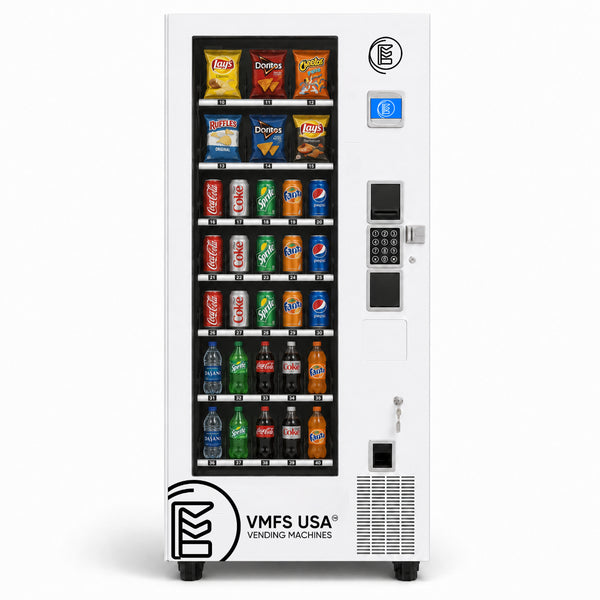
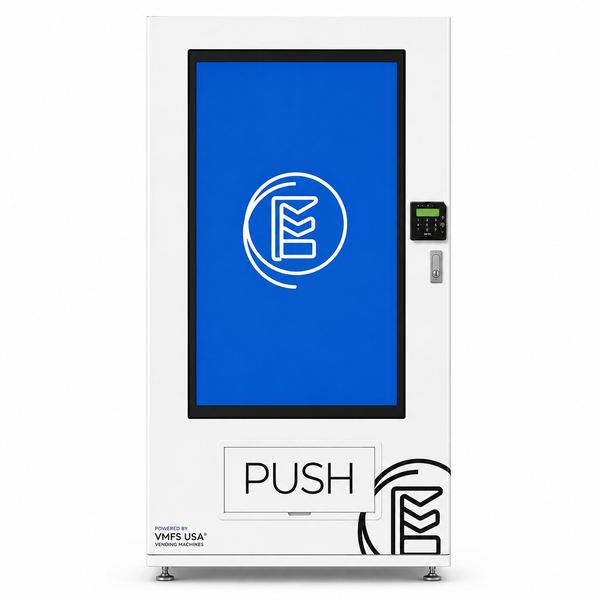
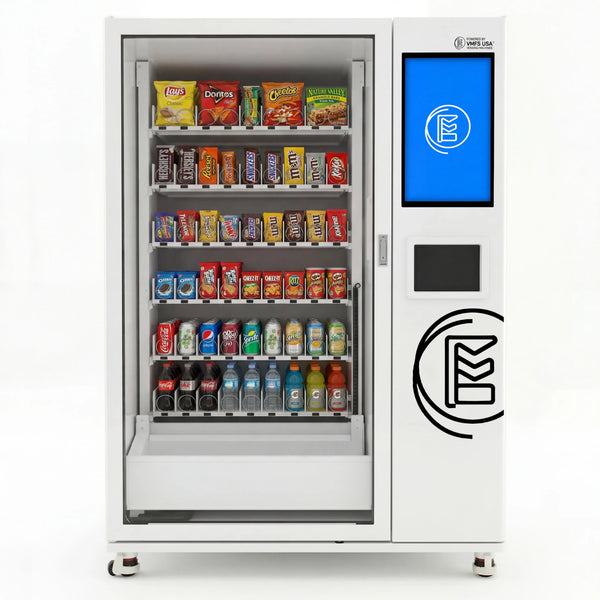
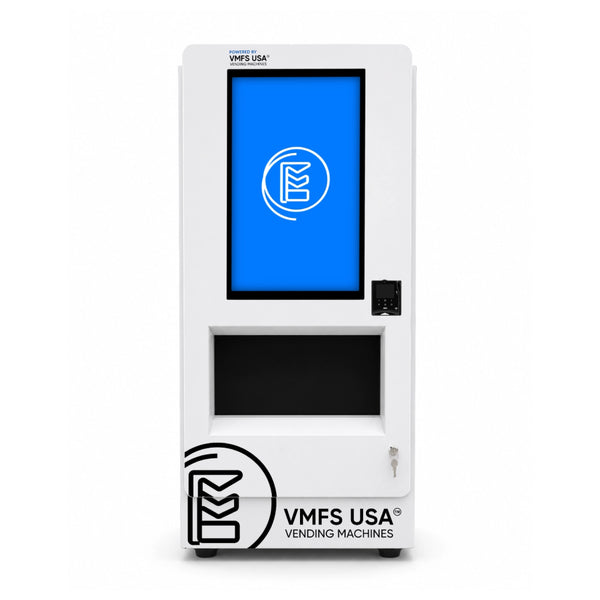
Every unit below ships configured, compliance-ready, and backed by VMFS Cloud monitoring.
How Operators Use Elevator Vending in Pittsburgh
Hospital Campus Cafeteria
UPMC Presbyterian, Magee-Womens, and Children's Hospital Pittsburgh employ tens of thousands of staff rotating through 24-hour shifts, creating steady daytime and overnight demand. The elevator unit stocks high-protein snacks, fresh sandwiches, shelf-stable meals, electrolyte drinks, and coffee to support healthcare workers during long shifts. Gentle elevator delivery protects fragile items like glass beverage bottles, fresh prepared meals in rigid containers, and temperature-sensitive items from the impact damage common in traditional coil dispensers. Hospitals value reliable vending access during off-hours when cafeterias close, and staff members trust consistent quality more than volume players
Steel Mill And Manufacturing Break Room
Mills and fabrication plants along the Monongahela River valley and in surrounding industrial zones employ shift workers who need convenient nutrition without leaving production areas. Stock focuses on hearty snacks, protein bars, nuts, energy drinks, and hot coffee to fuel physically demanding work and sustain focus during long production runs. The elevator delivery mechanism prevents crushing and breakage of bar packaging and beverage bottles when dispensing to workers in rough industrial environments where standard vending sees heavy wear. Manufacturing operations pay premium prices for convenient break room solutions that reduce downtime and improve worker retention on the production floor
Sports Venue And Arena Concourse
PNC Park, Heinz Field, and PPG Paints Arena draw hundreds of thousands of spectators annually who spend 30 to 50 percent above retail prices for snacks and beverages during events. Machines stock premium nachos, specialty popcorn, gourmet candy, craft sodas, imported waters, and local products from Pittsburgh distilleries and breweries to match event atmosphere and fan expectations. The elevator unit protects delicate snack packaging, popcorn containers, and glass bottles from the vibration and impact inherent in high-traffic crowd environments where coil machines bend and crush fragile goods. Event venues guarantee high-density traffic during games and concerts, driving unit economics that reward premium placement and turnover rates far exceeding standard retail
University Housing And Campus Center
Carnegie Mellon, University of Pittsburgh, Duquesne, and Point Park students live and study in dormitories and academic buildings open until late evening and weekends when conventional shops close. Machines stock protein-rich snacks, instant noodles, energy drinks, cold brew, study-friendly finger foods, and late-night cravings items targeting student schedules and budgets. The elevator delivery system protects glass bottles, canned beverages, and delicate wrapped snacks from the rough handling and impact common in student housing where traditional coil dispensing leads to product damage and complaints. University housing operators generate consistent revenue from captive populations with limited alternatives, and reliable off-hours vending builds student trust and reduces pressure on resident services teams
What Ships With Every Elevator Unit
Regulations for Operating in Pittsburgh, PA
Licensing, permits, sales tax, and health department standards for elevator vending operators in Pennsylvania.
State License Requirements
In Pennsylvania, the Department of Agriculture oversees food-service licensing and vending operations. Vending machines dispensing potentially hazardous foods (those requiring time-temperature control for safety, such as sandwiches, dairy products, or prepared foods) require a Mobile Food Facility License. Machines vending only shelf-stable snacks, candy, beverages in sealed containers, and non-potentially hazardous items do not require a food-service license but may require a general business license. Operators must register for Pennsylvania sales tax with the Department of Revenue and obtain an EIN from the IRS if operating as a business entity (sole proprietorship, LLC, corporation, or partnership). Pennsylvania does not mandate a statewide vending operator license separate from local requirements, but operators must comply with local zoning and business regulations. Tobacco and alcohol sales through vending are heavily restricted under state law; tobacco cannot be sold through unattended vending machines, and alcohol sales are prohibited entirely in unattended machines. Bottled water and ice are taxable if sold through vending. Food-service licenses must be renewed annually, and registration with the Department of Revenue must be maintained current.
City and County Permits
Pittsburgh requires all vending machine operators to obtain a City of Pittsburgh Business License (Category 18 or similar, depending on machine type) from the Department of Permits, Licenses and Inspections. A Certificate of Use or zoning approval may be required depending on the proposed location (retail, office building, school, healthcare facility, or government property). Fire safety inspections are conducted by the Pittsburgh Bureau of Fire and may include annual unannounced inspections of machines in high-risk locations such as hospitals and schools. Allegheny County does not impose a separate county vending license but defers to city and state requirements. Any coin-operated machine must be reported to the city at the time of business license application, and operators must maintain a roster of all machine locations. Late renewal penalties for Pittsburgh business licenses are typically assessed monthly; operators should renew at least 30 days before expiration. For contact information, Pittsburgh's Department of Permits, Licenses and Inspections can be reached through the city website or the main business license office. Surrounding municipalities in Allegheny County (such as Shaler, Ross, and Baldwin townships) may impose their own zoning and permit requirements; operators should verify requirements for each location before placement.
Sales Tax Rate
The combined sales tax rate in Pittsburgh, Pennsylvania is 7 percent, consisting of the state rate of 6 percent plus the Allegheny County local sales tax of 1 percent. Most vended items including snacks, candy, beverages in sealed containers, and shelf-stable foods are subject to the full 7 percent rate. Certain unprepared foods such as bread, milk, and items qualifying as groceries may be exempt or taxed at a reduced rate depending on classification; however, prepared foods and hot beverages are fully taxable. Operators must register with the Pennsylvania Department of Revenue to obtain a Sales Tax Account Number and file quarterly or monthly returns depending on sales volume; the department determines filing frequency based on annual tax liability. Out-of-state operators with no physical presence in Pennsylvania are not required to collect and remit sales tax unless they meet economic nexus thresholds set by the state, currently aligned with federal Wayfair thresholds. Operators should consult the Department of Revenue website or contact the Harrisburg office for current nexus determination.
Health Department Standards
The Pennsylvania Department of Agriculture, Bureau of Food Safety and Laboratories, establishes statewide standards for food vending machines, including requirements for food-contact surfaces (corrosion-resistant, non-absorbent materials), thermometers in refrigerated units, and automatic shut-off mechanisms for machines in temperature-controlled environments. Machines must be sited away from overhead sources of contamination such as water pipes or leaking HVAC systems and must be positioned on level, clean flooring free of cracks and standing water. Operators must date-mark all perishable items, ensure label visibility for allergen information and use-by dates, and permit unannounced inspections by state and local health officials. The Allegheny County Health Department provides secondary oversight in Pittsburgh and may conduct additional inspections of machines placed in schools, hospitals, government buildings, and other sensitive locations; operators in these venues should expect routine compliance audits. Pittsburgh's winter temperatures and occasional humidity fluctuations require machines to maintain stable internal climates; refrigerated units should include backup cooling and humidity control to prevent condensation and product degradation. VMFS elevator machines deployed in Pittsburgh ship with Pennsylvania-compliant food-contact surfaces, temperature-monitoring systems, and drainage specifications.
Disclaimer
Regulatory information is for reference only and current as of 2026. Operators should verify current requirements with the relevant agency before deployment. VMFS USA is not a legal or tax advisor.
Pittsburgh at a Glance
Geographic Identity
- County
- Allegheny County
- Metro Area
- Pittsburgh, Pennsylvania
- Time Zone
- America/New_York (Eastern Time)
- Area Codes
- 412, 724
- ZIP Codes
- 15201 to 15290
- Primary Airport
- PIT Pittsburgh International Airport
- Secondary Airport
- None
- Major Port
- Port of Pittsburgh, inland river port on the Allegheny River
- Nickname
- The Steel City
Market Stats
- City Population
- 303,682
- Metro Population
- 2.37 million
- Annual Visitors
- None
- Visitor Economy
- None
- Airport Passengers
- 36.6 million annual travelers through PIT
- Hospitality Jobs
- None
- Top Industries
- Healthcare and Life Sciences, Advanced Manufacturing, Technology and Software, Energy, Finance and Professional Services, Education
- Demand Driver
- Pittsburgh's economy is driven by major medical institutions, research universities, corporate headquarters, manufacturing excellence, and a growing technology sector attracting regional employment and investment.
Climate Profile
- Climate Zone
- Humid Continental
- Average Humidity
- 55 to 70 percent year round
- Summer High
- 82 degrees Fahrenheit typical with peaks in July and August
- Winter Low
- regularly below 32 degrees Fahrenheit, indoor placement recommended during winter months
- Seasonal Hazard
- Winter Storm Season, November to March
- Environmental Exposure
- Heavy winter snow accumulation requires reinforced structural support and enhanced drainage design for outdoor placements.
- Deployment Note
- Pittsburgh's humid continental climate demands weatherproofed units with sealed electronics and insulated compartments for winter operation. Snow load resistance and enhanced drainage are essential. VMFS ships all Pittsburgh outdoor units with these specifications standard.
Location & Service Area
- Key Neighborhoods
- Downtown, Strip District, Shadyside, Squirrel Hill, Oakland, Lawrenceville, Point Breeze, Deutschtown, Southside, Highland Park, North Shore, Homestead
- Nearby Cities
- Allegheny, Mount Lebanon, Wilkinsburg, Munhall, Brentwood, Penn Hills, Sharpsburg, Aspinwall
- Service Radius
- VMFS delivers, installs, and services machines throughout Allegheny County, with extended coverage to surrounding counties including Butler, Westmoreland, and Washington on request.
Your Location. Working 24/7.
Answers to common questions from Pittsburgh operators. Didn't see yours? Send us a message — our US-based team responds within one business day.
How does revenue split work, and when does the property owner receive payment?
What products go in the machine, and how often does restocking happen?
How much space and power does the machine require, and what installation looks like?
What happens if the machine breaks down, and how quickly does repair happen?
Does the machine take card payments and digital wallets, or cash only?
How does seasonal traffic in Pittsburgh affect machine performance, especially during winter and summer tourism shifts?
Deploy Elevator Vending Machines in Pittsburgh, PA Today
Request a custom quote for your Pittsburgh, PA location and we handle machine selection, delivery, configuration, and ongoing support from start to finish. Every deployment begins with a site assessment covering foot traffic patterns, product mix strategy, power and network requirements, and compliance logistics specific to your venue. Whether you need a single unit in a boutique hotel lobby downtown or a rollout of 40 or more machines across a corporate campus or medical center, the quote includes hardware, installation, staff training, and 12 months of cloud monitoring at no extra cost.
Deploy Elevator Vending Across Pittsburgh
1,200+ machines deployed. 1-year warranty standard. Free lifetime support. One team from site survey to uptime.