


Elevator Vending Machines in New Haven, CT
Transform your New Haven property into a revenue-generating asset with our state-of-the-art elevator vending machines today.
Stop Guessing. Configure Your Elevator Vending Machine.
Answer a few quick questions about your location, your product mix, your temperature needs, and your budget. Our Elevator Vending System will match you with the right base model, add the right modules (refrigeration, ad screen, outdoor protection, payment suite), and show you real time pricing and lead time as you build.
Skip the back and forth. Skip the spec sheet overwhelm. See your exact configuration, your exact cost, and your exact delivery window before you commit.
- Real time pricing as you add or remove features
- Live lead time estimate based on your configuration
- Recommended product mix for your location type
- Capacity, slot count, and weight limits shown per setup
- Option presets for food, drinks, electronics, retail, and frozen

Why Elevator Vending Machines?
Premium elevator vending machines in New Haven, Connecticut offer revolutionary robotic lift technology that gently delivers products to the pickup tray with zero drops or damage, making them perfect for snacks, drinks, electronics, and fresh food items. These sophisticated machines feature up to 800 slots and advanced remote cloud monitoring capabilities, ideal for high-volume, high-margin locations seeking maximum profitability and operational efficiency. Experience the future of automated retail with our
elevator vending machines
, designed to protect your inventory while maximizing customer satisfaction and your bottom line.
Zero Product Damage
Robotic elevator lift delivers every item intact, protecting glass bottles, fresh food, electronics, and premium SKUs that coil machines physically destroy
High-Capacity Footprint
Up to 800 items across chilled, ambient, and frozen zones in a single cabinet — the highest SKU density in the industry
Premium Product Compatibility
Handles fragile, high-ticket, and temperature-sensitive inventory including glass-bottled beverages, sushi, salads, and small electronics
24/7 Cloud Monitoring
Real-time sales reporting, per-slot inventory tracking, temperature alerts, and cashless payment data stream to your VMFS Cloud dashboard
Why Elevator Machines Perform in New Haven, Connecticut
New Haven's robust hospitality sector and influx of business travelers visiting Yale and corporate headquarters create consistent foot traffic through downtown hotels and transit hubs where elevator vending machines thrive. These machines perfectly serve time-constrained guests needing convenient access to snacks, beverages, and electronics without leaving buildings. The city's humid coastal climate makes enclosed elevator environments ideal for protecting temperature-sensitive products from moisture damage. High-traffic lobbies generate reliable customer volume, while elevator placement captures captive audiences during peak business hours, delivering superior sales velocity compared to traditional street-level vending in New Haven's compact downtown.
Best Locations in New Haven
High-value deployment sites where elevator vending delivers the strongest revenue per square foot.
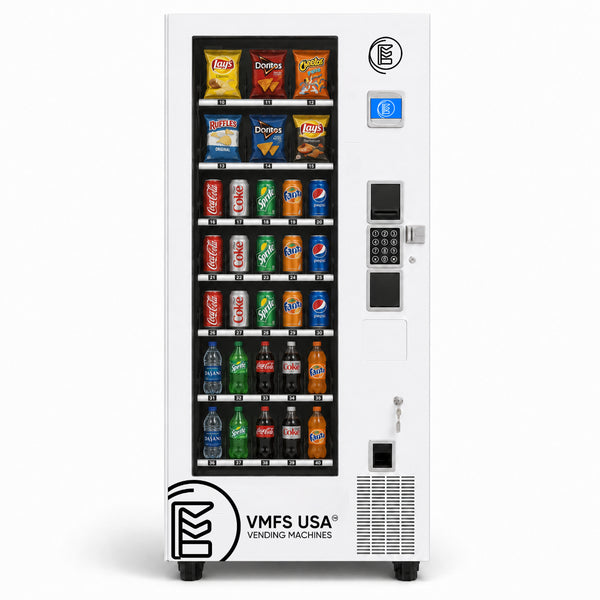
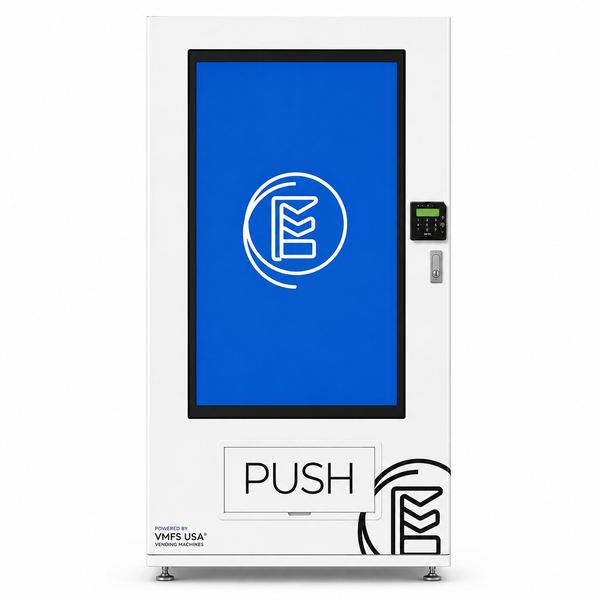
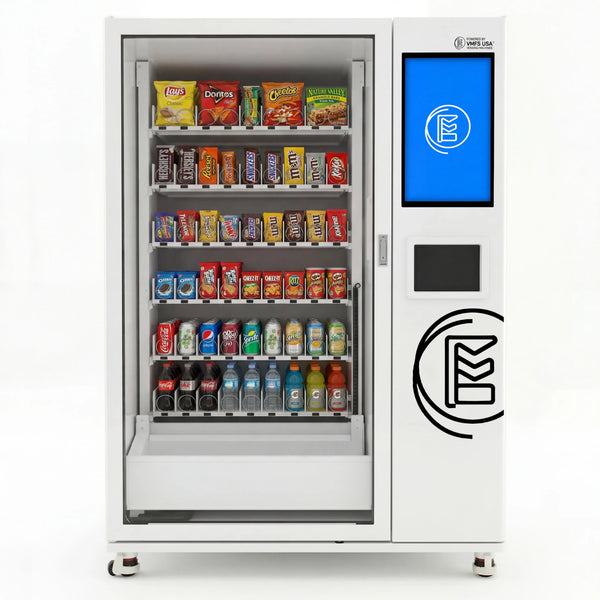
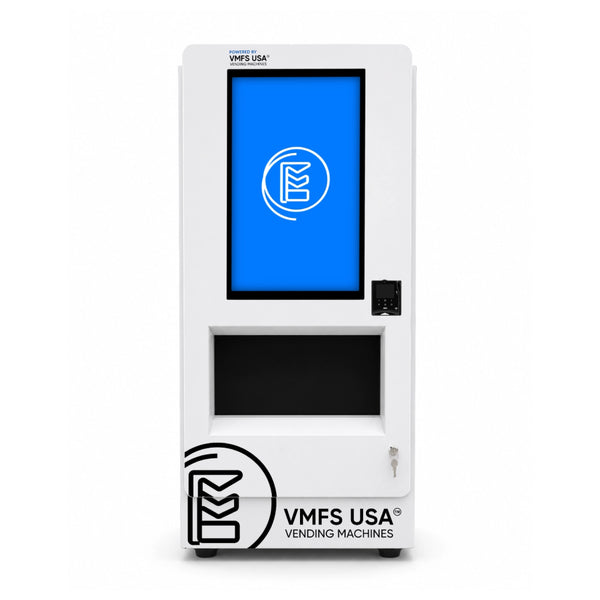
Elevator Vending Machines Available for New Haven
Every unit below ships configured, compliance-ready, and backed by VMFS Cloud monitoring.
How Operators Use Elevator Vending in New Haven
University Housing and Dining
Yale residences across Old Campus, residential colleges in the Old Hill district, and graduate housing near Science Hill stock premium snacks, energy drinks, late night meals, and study aids to serve students during exam periods and odd hours. An elevator delivery unit protects fragile items like glass bottles, fresh food containers, and electronics that traditional coil machines damage through impact and vibration. Reliable 24-7 access generates consistent revenue when dining facilities close, and residents pay convenience markups on standard retail pricing.
Medical Center Corridors
Yale New Haven Hospital's main campus on York Street, the Hospital of Saint Raphael facilities, and Smilow Cancer Center require vending near patient waiting areas, recovery rooms, and staff break rooms stocking premium beverages, protein snacks, fresh prepared items, and comfort foods. Elevator delivery protects glass containers and prepared food packaging from crushing and temperature shock that coil dispensers cause during retrieval. Healthcare settings generate steady daytime and overnight revenue, patients and families accept premium pricing for convenience during stressful visits, and staff depend on accessible nutrition during long shifts.
Corporate and Professional Office Parks
Buildings along Orange Street, the Arts and Ideas district, and research facilities near the medical complex serve white collar workers needing fresh salads, cold pressed juices, kombucha, and protein items throughout the workday. An elevator unit prevents damage to glass bottles, salad containers, and delicate prepared foods that traditional machines crush during dispensing. Property managers view premium vending as a tenant amenity that improves lease rates and retention, and employees purchase multiple items daily at 30 to 50 percent above retail pricing.
Transit Hub and Institutional Centers
Union Station downtown, the Amtrak platform area, and visitor centers serving New Haven's convention traffic benefit from high volume placements stocking ready to eat meals, travel snacks, beverages, and phone chargers for commuters and tourists. Elevator delivery eliminates breakage of glass bottles, prepared food containers, and electronics that would create refund liability and service calls. Stations drive high cashless transaction volume during peak commute periods and weekend events, requiring uptime reliability and fast inventory turnover that premium vending consistently delivers.
What Ships With Every Elevator Unit
Regulations for Operating in New Haven, CT
Licensing, permits, sales tax, and health department standards for elevator vending operators in Connecticut.
State License Requirements
In Connecticut, the Department of Consumer Protection (DCP) oversees vending machine operations. Vending machines that dispense potentially hazardous foods (those requiring refrigeration, such as sandwiches, dairy products, or prepared foods) require a food service license or permit from the local health department and DCP registration. Machines vending only shelf-stable snacks, candy, beverages in sealed containers, or non-food items generally do not require a food-service license but may require business registration. Connecticut does not issue a statewide vending operator license; instead, operators must register with the Connecticut Department of Revenue Services (DRS) for sales tax purposes and obtain an Employer Identification Number (EIN) from the IRS if operating as a business entity (sole proprietor, LLC, corporation, or partnership). Vending machines dispensing tobacco products are subject to strict state and federal regulations, including age-verification compliance and specific signage requirements; alcohol sales through vending machines are prohibited in Connecticut. Vending machines dispensing packaged water or ice must comply with food establishment rules if the water or ice is for human consumption. Sales tax registration is mandatory if gross receipts exceed the economic nexus threshold; operators should register online with DRS or contact the department for guidance. Permit renewal frequency varies by local jurisdiction but typically occurs annually.
City and County Permits
New Haven requires vending machine operators to obtain a City Business License from the New Haven City Clerk's Office (203-946-8043) before deploying any machine. A Certificate of Use or Certificate of Occupancy may be required depending on machine location and type; operators should verify with the New Haven Planning and Zoning Department (203-946-8202). Zoning compliance is mandatory; some residential and commercial zones have restrictions on vending machine placement, and operators must confirm the intended location is zoned appropriately. Fire safety permits or inspections may be required if machines are placed in high-traffic commercial areas or buildings; contact the New Haven Fire Department (203-946-8960) for requirements specific to the installation location. New Haven does not have a separate county-level permit requirement as it is located in New Haven County, but operators should verify whether their specific installation location (such as a school, government building, or healthcare facility) triggers additional municipal oversight. Business licenses and certificates of use typically require annual renewal; late penalties apply if renewals are not processed by the expiration date. Operators should allow 15-30 days for permit processing.
Sales Tax Rate
The combined state and local sales tax rate in New Haven, Connecticut is 6.35 percent (6.00 percent state rate plus 0.35 percent local surtax). Vended goods are generally taxable, including snacks, beverages, and candy, unless they qualify for a specific exemption (e.g., certain foods prepared on-premises are taxed differently, and some items such as medications may be exempt depending on classification). Operators must register with the Connecticut Department of Revenue Services (DRS) and remit sales tax monthly or quarterly based on gross receipts. Registration is required if the operator has any sales activity in Connecticut; the economic nexus threshold for out-of-state sellers is $100,000 in gross sales or 200 separate transactions in Connecticut during the current or prior calendar year, and those meeting the threshold must register and remit Connecticut sales tax even if they do not have a physical location in the state.
Health Department Standards
Connecticut's Department of Public Health (DPH) and the New Haven Health Department establish standards for vending machines dispensing food. Machines must have food-contact surfaces made of non-corrosive, easily cleanable materials (stainless steel or commercial-grade plastic); thermometers must be accurate and visible inside refrigerated units; and machines must include automatic shut-off features if they fail to maintain safe temperatures. Placement rules prohibit installation directly under overhead leaks, near water sources, or on floors with cracks, moisture, or pest evidence; machines must be installed on level, clean flooring away from potential contamination sources. Operational requirements include date-marking of perishable items, label visibility with ingredient and allergen information, and compliance with handwashing and sanitation protocols if the operator restocks items inside the machine. New Haven health inspectors conduct unannounced inspections of food vending machines on a routine basis, and operators must maintain inspection records and corrective action logs. Secondary oversight applies to machines placed in schools (New Haven Public Schools Nutrition Services), healthcare facilities (hospital food safety committees), and government buildings (City facilities management). New Haven's humid climate and seasonal temperature variations require machines to have robust temperature-control systems, particularly for refrigerated units during summer months. VMFS elevator machines deployed in New Haven ship with Connecticut-compliant refrigeration specs, temperature-monitoring systems, and stainless steel or food-grade surfaces meeting DPH standards.
Disclaimer
Regulatory information is for reference only and current as of 2026. Operators should verify current requirements with the relevant agency before deployment. VMFS USA is not a legal or tax advisor.
New Haven at a Glance
Geographic Identity
- County
- New Haven County
- Metro Area
- New Haven-Milford
- Time Zone
- America/New_York (Eastern Time)
- Area Codes
- 203, 475
- ZIP Codes
- 06510 to 06511
- Primary Airport
- BDL Bradley International Airport
- Secondary Airport
- LGA LaGuardia Airport
- Major Port
- Port of New Haven, a deep-water port serving container and breakbulk cargo
- Nickname
- None
Market Stats
- City Population
- 136,392
- Metro Population
- 1.6 million
- Annual Visitors
- None
- Visitor Economy
- None
- Airport Passengers
- 32 million annual travelers through BDL
- Hospitality Jobs
- None
- Top Industries
- Healthcare and Education, Advanced Manufacturing, Finance and Professional Services, Retail and Consumer Services, Real Estate and Construction
- Demand Driver
- A major university student population combined with significant healthcare and research institutions creates consistent local demand and foot traffic year round.
Climate Profile
- Climate Zone
- Humid Continental
- Average Humidity
- 65 to 75 percent year round
- Summer High
- 85 degrees Fahrenheit or higher from June through September
- Winter Low
- regularly below 32 degrees Fahrenheit, indoor placements recommended during winter months
- Seasonal Hazard
- Nor'easter and Winter Storms, October to April
- Environmental Exposure
- Coastal location approximately 4 miles from Long Island Sound creates salt air exposure requiring corrosion resistant housing and sealed electronics for waterfront placements.
- Deployment Note
- New Haven's humid continental climate with cold winters and moderate summers demands weatherproofed units with sealed electronics and enhanced drainage to manage winter precipitation and spring thaw conditions. VMFS ships all New Haven outdoor units with corrosion resistant housing and cold weather operational specifications as standard.
Location & Service Area
- Key Neighborhoods
- Downtown New Haven, Fair Haven, Wooster Square, The Hill, Dwight, Prospect Hill, Edgewood, Beaver Hills, Chapel Street, Orange Street
- Nearby Cities
- Hamden, Wallingford, Durham, Branford, Milford, West Haven, Madison, Guilford
- Service Radius
- VMFS delivers, installs, and services machines throughout New Haven and adjacent areas in New Haven County, with extended coverage to Middlesex and Fairfield counties on request.
Your Location. Working 24/7.
Answers to common questions from New Haven operators. Didn't see yours? Send us a message — our US-based team responds within one business day.
How much revenue can a property owner expect from hosting a vending machine, and what are the payment terms?
What products stock the machines, and how often does restocking occur in New Haven locations?
How much space and what installation requirements are needed to host a machine?
What happens if a machine breaks down or needs service, and how long is typical downtime?
What payment methods do the machines accept, and do older payment systems work in New Haven?
How do winter weather and seasonal tourism patterns in New Haven affect vending operations and revenue?
Does New Haven have specific regulations or permits required for vending machines on commercial or residential property?
Deploy Elevator Vending Machines in New Haven, CT Today
Request a custom quote for your New Haven location and we handle machine selection, delivery, configuration, and ongoing support across your property. Every deployment starts with a site assessment covering foot traffic patterns, product mix optimization, power and network requirements, and compliance logistics specific to your venue. Whether you need a single unit in a boutique hotel or medical office lobby or a rollout of 40 or more machines across Yale housing, corporate campuses, or entertainment venues, your quote includes hardware, installation, staff training, and 12 months of cloud monitoring at no extra cost.
Deploy Elevator Vending Across New Haven
1,200+ machines deployed. 1-year warranty standard. Free lifetime support. One team from site survey to uptime.