


Elevator Vending Machines in Miami, FL
Transform idle elevator time into profitable revenue streams with our cutting-edge vending solutions designed specifically for Miami's high-traffic commercial buildings and residential towers.
Stop Guessing. Configure Your Elevator Vending Machine.
Answer a few quick questions about your location, your product mix, your temperature needs, and your budget. Our Elevator Vending System will match you with the right base model, add the right modules (refrigeration, ad screen, outdoor protection, payment suite), and show you real time pricing and lead time as you build.
Skip the back and forth. Skip the spec sheet overwhelm. See your exact configuration, your exact cost, and your exact delivery window before you commit.
- Real time pricing as you add or remove features
- Live lead time estimate based on your configuration
- Recommended product mix for your location type
- Capacity, slot count, and weight limits shown per setup
- Option presets for food, drinks, electronics, retail, and frozen

Why Elevator Vending Machines?
Premium Elevator Vending Machines in Miami, Florida Discover the future of automated retail with our premium
elevator vending machines
in Miami, Florida. These innovative machines feature advanced robotic lift technology that gently delivers products to the pickup tray with zero drops or damage, making them perfect for snacks, drinks, electronics, and fresh food items. With up to 800 storage slots and cloud-based remote monitoring capabilities, these machines are ideal for high-volume, high-margin locations throughout Miami. Whether you're operating in office buildings, hotels, or retail spaces, elevator vending machines maximize profitability while ensuring premium product quality and customer satisfaction through cutting-edge automation.
Zero Product Damage
Robotic elevator lift delivers every item intact, protecting glass bottles, fresh food, electronics, and premium SKUs that coil machines physically destroy
High-Capacity Footprint
Up to 800 items across chilled, ambient, and frozen zones in a single cabinet — the highest SKU density in the industry
Premium Product Compatibility
Handles fragile, high-ticket, and temperature-sensitive inventory including glass-bottled beverages, sushi, salads, and small electronics
24/7 Cloud Monitoring
Real-time sales reporting, per-slot inventory tracking, temperature alerts, and cashless payment data stream to your VMFS Cloud dashboard
Why Elevator Machines Perform in Miami, Florida
Miami's booming tourism and hospitality economy creates constant foot traffic through hotels, airports, and convention centers where elevator vending machines thrive. High humidity and frequent air conditioning transitions make traditional vending vulnerable to product damage, while elevator placement in lobbies and corridors captures transient guests seeking convenience without leaving secure areas. Business travelers and tourists navigating multi-story venues prefer quick, climate-controlled access to premium snacks and beverages. The city's year-round tropical climate and seasonal convention influx generate consistent demand, while elevator positioning protects high-value inventory from theft and environmental stress—critical advantages in Miami's fast-paced hospitality landscape.
Best Locations in Miami
High-value deployment sites where elevator vending delivers the strongest revenue per square foot.
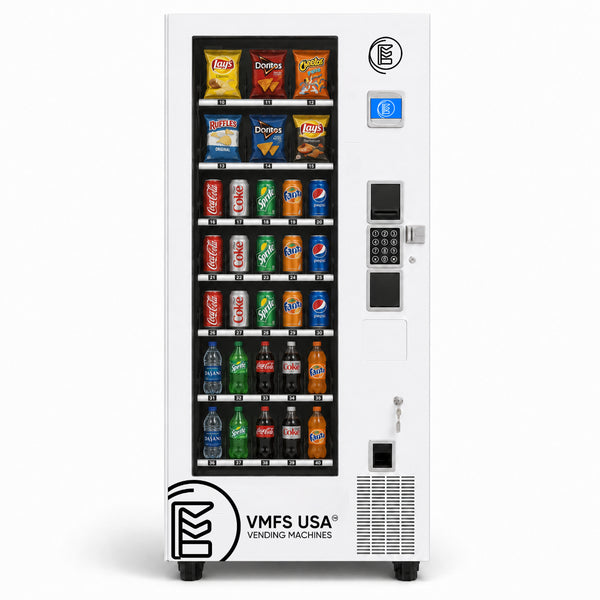
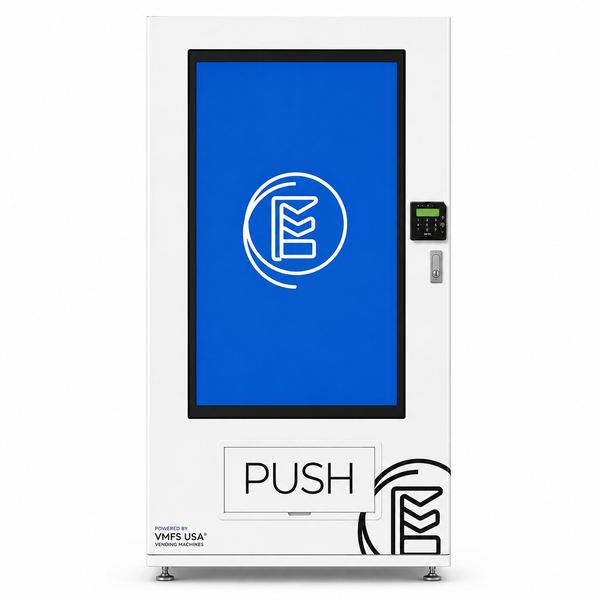
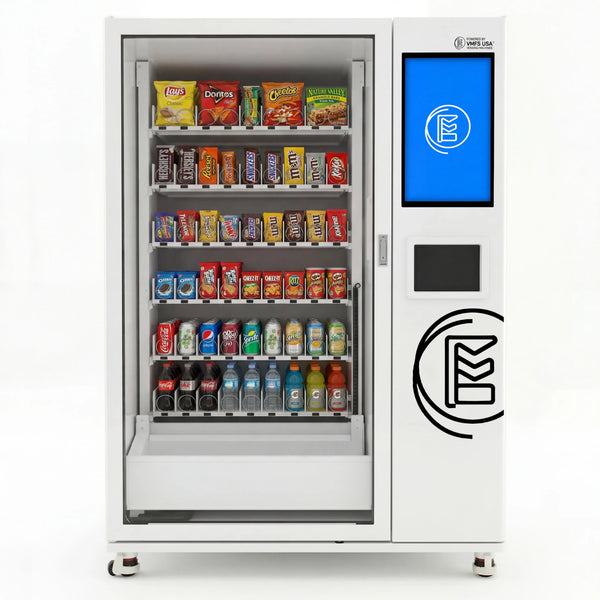
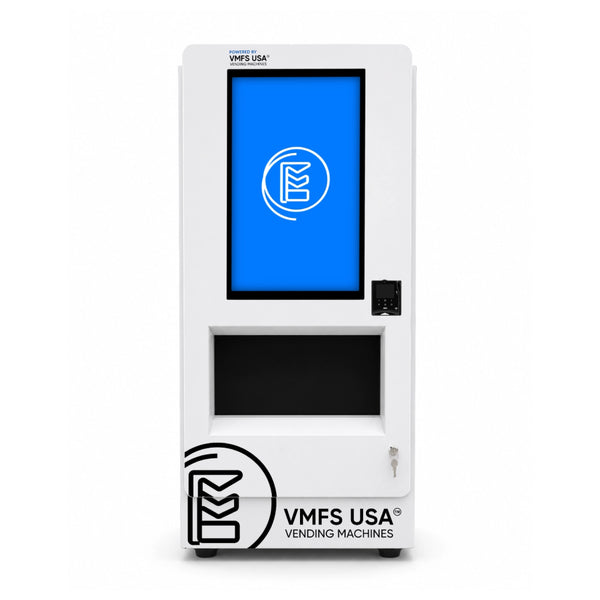
Elevator Vending Machines Available for Miami
Every unit below ships configured, compliance-ready, and backed by VMFS Cloud monitoring.
How Operators Use Elevator Vending in Miami
Cruise Terminal Vending
Miami's cruise terminals at PortMiami move 7 million passengers annually through facilities operated by Royal Caribbean, Carnival, and Disney Cruise Line. Machines stocked with premium beverages, travel snacks, phone chargers, and travel-size toiletries address last-minute passenger needs before embarkation. An elevator unit protects fragile items like phone chargers and glass bottles from the impact damage common in traditional coil machines. High-volume cashless transaction capacity and reliable uptime during peak embarkation windows generate strong revenue per machine in a venue where passengers willingly pay 40 to 50 percent above retail for convenience.
Wynwood Arts District Retail
Wynwood's galleries, studios, and street art venues along NW 24th Street and NW 25th Street draw 500,000 annual visitors seeking premium snacks, cold pressed juices, craft beverages, and plant-based options. Stocking aligns with the neighborhood's health-conscious creative demographic and Instagram-driven consumption patterns. Gentle elevator delivery protects glass bottles, fresh containers, and specialty packaging that would shatter or dent in traditional machines, preserving product integrity for discerning buyers. Revenue per machine stays strong because foot traffic density supports premium pricing and repeat visits from artists and tourists with cash flow.
Luxury Residential Tower Lobby
Brickell and Coral Gables residential towers like the Brickell City Centre and Four Seasons Residences house affluent populations seeking convenient access to fresh salads, protein items, premium beverages, and specialty coffee outside standard business hours. Elevator unit delivery prevents damage to fresh food containers and cold chain integrity that coil dispensers compromise through impact. Building management views vending as a tenant retention amenity offsetting the cost of extended building services, making these locations stable and predictable revenue sources.
Miami International Airport Terminal
Miami International Airport processes 45 million passengers annually through terminals where travelers need quick meals, beverages, phone chargers, and electronics during layovers and connecting flights. Machines stock ready-to-eat sandwiches, protein snacks, hydration products, and travel essentials. An elevator unit protects delicate items like chargers and screen protectors from vibration and impact damage during high-traffic periods. Cashless payment adoption and consistent performance during peak travel windows drive reliable revenue per machine in a venue with guaranteed volume and minimal seasonality.
What Ships With Every Elevator Unit
Regulations for Operating in Miami, FL
Licensing, permits, sales tax, and health department standards for elevator vending operators in Florida.
State License Requirements
The Florida Department of Business and Professional Regulation (DBPR), Division of Hotels and Restaurants, oversees vending machine operations. Vending machines dispensing potentially hazardous foods (those requiring time-temperature control for safety) require a food service license or simplified vending license, while machines vending only shelf-stable snacks and non-potentially hazardous items may have reduced licensing requirements. All vending operators must register with the Florida Department of Revenue for a sales tax permit and obtain an Employer Identification Number (EIN) from the IRS; business entity formation (LLC, corporation, sole proprietorship) must be registered with the Florida Secretary of State. Tobacco vending machines require a separate tobacco retail license from DBPR and must comply with age-restriction technology mandates. Alcohol vending is prohibited in Florida. Water and ice vending machines fall under food service regulations if the product is offered for human consumption. Food service licenses and simplified vending licenses must be renewed annually, typically by the anniversary date of issuance.
City and County Permits
Miami requires a City of Miami business tax receipt (business license) for all vending machine operators, obtained through the Miami Department of Finance. A certificate of use or zoning verification may be required depending on the specific locations where machines are placed; operators should verify zoning compliance with the City of Miami Planning Department, as residential, commercial, and institutional zones have different restrictions. Miami Fire Rescue may require fire safety compliance for machines placed in certain facilities such as schools or healthcare settings. Miami-Dade County also requires operators to register with the county and may impose additional county-level permitting depending on the specific municipality where machines are sited; many municipalities in Miami-Dade County (such as Coral Gables, Miami Beach, Aventura) have their own permitting requirements. Coin-operated machine declarations or equipment registrations may be required at the city or county level; contact the City of Miami Department of Finance or Miami-Dade County Regulatory and Economic Resources Department for specifics. Permits are typically renewed annually, and late renewal may result in penalties and business license suspension. For Miami-specific inquiries, contact the City of Miami Department of Finance at the main city office.
Sales Tax Rate
The combined state and local sales tax rate in Miami, Florida is 7 percent (6 percent Florida state sales tax plus 1 percent Miami-Dade County surtax). Food and beverages are generally taxable in Florida unless they fall under specific exemptions such as certain unprepared foods sold by grocery stores; vended snacks, candy, beverages, and prepared foods are typically subject to the full 7 percent tax rate. Operators must register with the Florida Department of Revenue for a sales tax permit and remit sales tax monthly or quarterly depending on revenue volume and departmental assignment. The economic nexus threshold for out-of-state remote sellers is 100,000 dollars in sales or 200 or more separate transactions in Florida during the preceding calendar year; once threshold is met, registration and collection becomes mandatory.
Health Department Standards
The Florida Department of Health and the Miami-Dade County Health Department jointly oversee vending machine operations under Florida Administrative Code 61C-4. Vending machines must have smooth, non-porous, easily cleanable surfaces; accurate temperature monitoring equipment (thermometers for refrigerated units); and automatic shut-off or temperature alarm systems for potentially hazardous foods. Machines must be placed in clean, well-maintained locations free from overhead leakage, pest activity, and floor damage; placement in schools, hospitals, government buildings, and childcare facilities may require additional approval and secondary health inspections. Operators must ensure proper date-marking of products, clearly visible ingredient and allergen labeling, and compliance with HACCP principles where applicable. Miami-Dade County Health Department conducts unannounced inspections of vending machines, particularly those in sensitive facilities. The humid subtropical climate of Miami requires machines to have robust condensation management and corrosion-resistant components; high heat and moisture exposure necessitates more frequent cleaning and maintenance cycles. VMFS elevator machines deployed in Miami ship with Miami-Dade County Health Department compliant specifications including enhanced drainage, moisture-resistant controls, and corrosion-resistant materials suited to the local climate.
Disclaimer
Regulatory information is for reference only and current as of 2026. Operators should verify current requirements with the relevant agency before deployment. VMFS USA is not a legal or tax advisor.
Miami at a Glance
Geographic Identity
- County
- Miami-Dade County
- Metro Area
- Miami-Fort Lauderdale-West Palm Beach
- Time Zone
- America/New_York (Eastern Time)
- Area Codes
- 305, 786
- ZIP Codes
- 33101 to 33299
- Primary Airport
- MIA Miami International Airport
- Secondary Airport
- FLL Fort Lauderdale-Hollywood International Airport
- Major Port
- PortMiami, one of the busiest cruise ports in the world
- Nickname
- The Magic City
Market Stats
- City Population
- 442,241
- Metro Population
- 6.39 million
- Annual Visitors
- 24.2 million (2023)
- Visitor Economy
- $31.1 billion annual economic impact
- Airport Passengers
- 87 million annual travelers through MIA and FLL
- Hospitality Jobs
- 209,000+ tourism and hospitality jobs across Miami-Dade County
- Top Industries
- Tourism and Hospitality, International Trade, Finance and Banking, Real Estate, Healthcare, Logistics and Shipping
- Demand Driver
- Year-round warm weather, high international visitor traffic through two major airports, cruise port operations, and convention center activity drive sustained consumer demand and foot traffic across Miami.
Climate Profile
- Climate Zone
- Tropical Monsoon
- Average Humidity
- 75 to 85 percent year round
- Summer High
- 90 degrees Fahrenheit or higher with high humidity from June through September
- Winter Low
- rarely below 60 degrees Fahrenheit, outdoor operating conditions year round
- Seasonal Hazard
- Hurricane Season, June 1 to November 30
- Environmental Exposure
- Coastal salt air exposure within 2 miles of the ocean requires corrosion resistant housing and sealed electronics for equipment longevity.
- Deployment Note
- Miami's tropical monsoon climate with year round heat and humidity, combined with hurricane season exposure and salt air corrosion, requires weatherproofed units with sealed electronics, enhanced drainage, and corrosion resistant housing for all outdoor and semi outdoor deployments. VMFS ships all Miami outdoor units with these specifications standard.
Location & Service Area
- Key Neighborhoods
- Downtown Miami, Brickell, Wynwood, South Beach, Coral Gables, Coconut Grove, Little Havana, Design District, Midtown, Edgewater, Allapattah, Buena Vista
- Nearby Cities
- Miami Beach, Coral Gables, Doral, Hialeah, Aventura, Homestead, Hollywood, Pompano Beach, Fort Lauderdale, Boca Raton
- Service Radius
- VMFS delivers, installs, and services machines throughout Miami-Dade County, with extended coverage to Broward County and Palm Beach County on request.
Your Location. Working 24/7.
Answers to common questions from Miami operators. Didn't see yours? Send us a message — our US-based team responds within one business day.
How does revenue sharing work, and when does the property owner receive payment?
How often does restocking happen, and what products work best in Miami venues?
What space and installation does the operator need, and are there any structural concerns in Miami properties?
What happens if the machine breaks down or runs empty during peak season in Miami?
Do machines accept mobile payments and card readers, or only cash?
How does Miami humidity, salt air near the coast, and summer tourism affect machine performance and product selection?
What happens if local Miami codes or building regulations change, and who handles compliance?
Deploy Elevator Vending Machines in Miami, FL Today
Request a custom quote for your location in Miami, FL and we handle machine selection, delivery, configuration, and ongoing support from day one. Every deployment starts with a site assessment covering foot traffic patterns, product mix alignment, power and network infrastructure, and local compliance requirements specific to your venue. Whether you need a single unit in a boutique hotel lobby or a rollout of 40 or more machines across a cruise port facility, hospital network, or corporate campus, your quote includes hardware, installation, staff training, and 12 months of cloud monitoring at no extra cost.
Deploy Elevator Vending Across Miami
1,200+ machines deployed. 1-year warranty standard. Free lifetime support. One team from site survey to uptime.