


Elevator Vending Machines in Honolulu, HI
Maximize Revenue in High-Traffic Locations with Our Premium Elevator Vending Machines – Transform Idle Elevator Time into Profitable Sales Today.
Stop Guessing. Configure Your Elevator Vending Machine.
Answer a few quick questions about your location, your product mix, your temperature needs, and your budget. Our Elevator Vending System will match you with the right base model, add the right modules (refrigeration, ad screen, outdoor protection, payment suite), and show you real time pricing and lead time as you build.
Skip the back and forth. Skip the spec sheet overwhelm. See your exact configuration, your exact cost, and your exact delivery window before you commit.
- Real time pricing as you add or remove features
- Live lead time estimate based on your configuration
- Recommended product mix for your location type
- Capacity, slot count, and weight limits shown per setup
- Option presets for food, drinks, electronics, retail, and frozen

Why Elevator Vending Machines?
Premium Elevator Vending Machines in Honolulu, Hawaii Transform your high-traffic Honolulu location with premium
elevator vending machines
featuring advanced robotic lift technology that delivers products safely to pickup trays with zero drops or damage. Perfect for snacks, drinks, electronics, and fresh food, these sophisticated units accommodate up to 800 slots and include remote cloud monitoring for seamless operations. Ideal for high-volume, high-margin locations across Hawaii, elevator vending machines maximize revenue while protecting product integrity and enhancing customer satisfaction with reliable, damage-free delivery every single time.
Zero Product Damage
Robotic elevator lift delivers every item intact, protecting glass bottles, fresh food, electronics, and premium SKUs that coil machines physically destroy
High-Capacity Footprint
Up to 800 items across chilled, ambient, and frozen zones in a single cabinet — the highest SKU density in the industry
Premium Product Compatibility
Handles fragile, high-ticket, and temperature-sensitive inventory including glass-bottled beverages, sushi, salads, and small electronics
24/7 Cloud Monitoring
Real-time sales reporting, per-slot inventory tracking, temperature alerts, and cashless payment data stream to your VMFS Cloud dashboard
Why Elevator Machines Perform in Honolulu, Hawaii
Honolulu's thriving tourism economy and year-round tropical climate create ideal conditions for elevator vending machines. The city's abundant hotels, convention centers, and airport terminals generate consistent foot traffic from visitors seeking convenient snacks and beverages between activities. Hawaii's high humidity and salt-air environment cause traditional vending machines to rust and malfunction, while enclosed elevator vending solutions protect inventory from moisture damage. Corporate campuses and high-rise office buildings throughout downtown Honolulu benefit from space-efficient vertical placement, maximizing revenue without consuming valuable floor real estate—a premium in this densely populated island market.
Best Locations in Honolulu
High-value deployment sites where elevator vending delivers the strongest revenue per square foot.
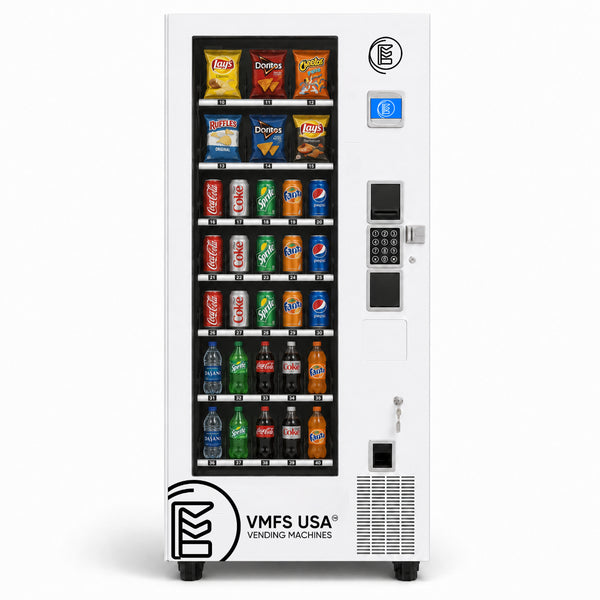
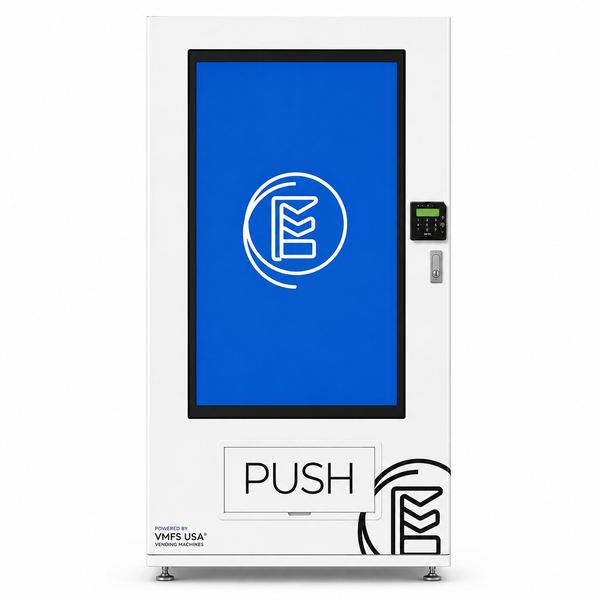
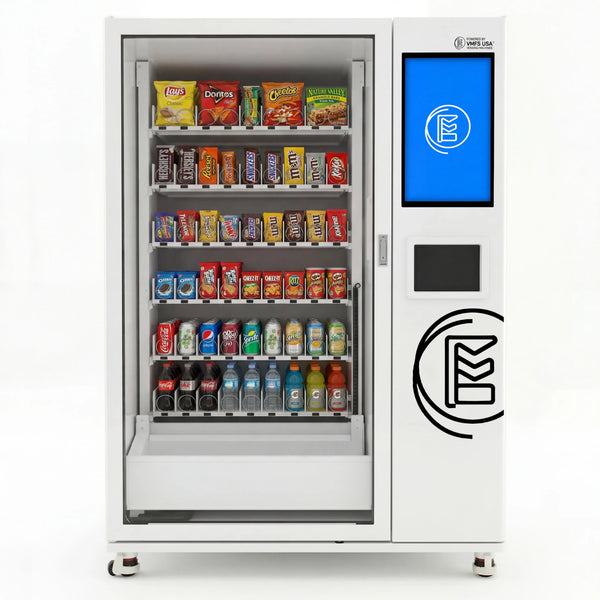
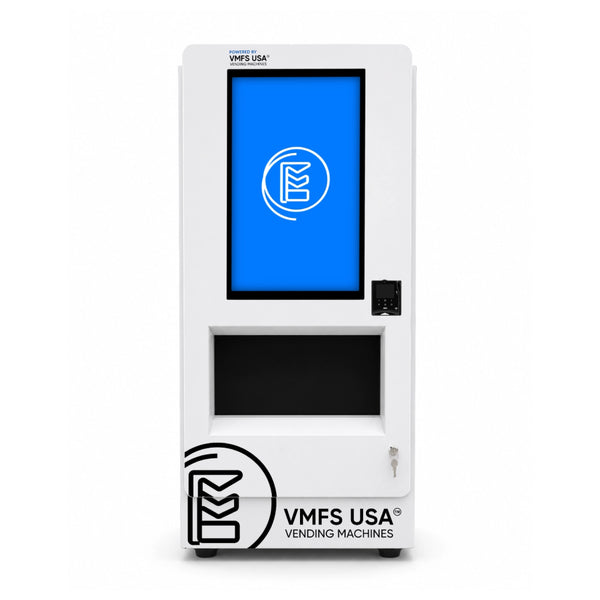
Elevator Vending Machines Available for Honolulu
Every unit below ships configured, compliance-ready, and backed by VMFS Cloud monitoring.
How Operators Use Elevator Vending in Honolulu
Hotel Corridor
Properties like the Moana Surfrider, Royal Hawaiian, and Hilton Hawaiian Village see constant guest traffic through lobbies and elevator banks. Premium vending stocks chilled beverages, chocolate confections, local snacks, phone chargers, and single serve wines targeting leisure travelers willing to pay convenience premiums. The elevator unit protects glass bottles and delicate packaging that would crack or dent in traditional coil machines, preserving margins on high value items like wine and premium chocolates. Hotel operators share revenue at 30 to 50 percent above retail rates, turning a single well placed machine into reliable recurring income from thousands of annual guest transactions.
Airport Terminal
Daniel K. Inouye International Airport processes millions of passengers annually, with security checkpoint queues and gate areas providing captive audiences during peak travel windows. Stocking includes cold beverages, protein snacks, fresh sandwiches, premium coffee, and travel comfort items like neck pillows and wellness supplements. Elevator delivery prevents crushing of fresh food containers and beverage bottles during the high volume, continuous operation required at airport terminals where traditional machines fail under stress. Cashless payment systems and round the clock uptime during peak departure hours generate strong unit economics, with passenger volumes ensuring rapid inventory turnover and minimal stockouts.
Beach Park Amenity
Waikiki Beach, Sunset Beach, and Lanikai Beach draw thousands of daily visitors without convenient nearby retail options. Machines stock ice cold water, electrolyte drinks, fresh fruit, energy bars, sunscreen, and beach towel rentals appealing to swimmers and sunbathers. The elevator unit protects sunscreen bottles and food packaging from heat damage and humidity that quickly degrades product quality in traditional open coil systems exposed to ocean air. Captive beachgoers accept premium pricing for convenience items they forgot, and machines require minimal restocking due to high turnover in peak summer months.
Medical Facility Campus
Queens Medical Center and Straub Clinic facilities operate 24 hours with staff, patients, and visitors needing reliable access to meals and supplies during off peak hours when cafeterias close. Vending stocks fresh salads, cold beverages, medications like pain relief and antacids, energy drinks, and wellness snacks supporting healthcare workers on extended shifts. The elevator unit protects temperature sensitive items like refrigerated salads and glass medicine bottles that fail in standard machines, ensuring product integrity for health conscious purchasers in clinical settings. Hospitals value dependable vending as staff amenity infrastructure, supporting retention and satisfaction while generating revenue during nights and weekends when other food service closes.
What Ships With Every Elevator Unit
Regulations for Operating in Honolulu, HI
Licensing, permits, sales tax, and health department standards for elevator vending operators in Hawaii.
State License Requirements
Hawaii's Department of Health oversees vending machines statewide. Food vending machines that dispense potentially hazardous foods (foods requiring time-temperature control for safety, such as sandwiches, dairy products, or prepared hot foods) require a food service license issued by the State Department of Health. Machines vending only shelf-stable snacks, candy, beverages in sealed containers, or non-potentially-hazardous items typically do not require a food service license but may require a general business permit. All vending operators must register with the Hawaii Department of Taxation for sales tax purposes and obtain an EIN from the IRS if operating as a business entity. Hawaii does not mandate a statewide vending operator-specific license; instead, regulation occurs through food service licensure (if applicable) and general business registration. Tobacco vending is prohibited in Hawaii for all retail channels. Alcohol vending is not permitted through vending machines. Water and ice vending machines must comply with Hawaii's potable water standards and are regulated similarly to food service operations if the water is not commercially bottled and sealed. Food service licenses must be renewed annually. Operators should contact the Hawaii Department of Health, Food Safety Branch, to determine machine classification and licensing requirements based on product type.
City and County Permits
Honolulu operates under the jurisdiction of the City and County of Honolulu. A City and County of Honolulu business license is required for all vending operations; application is made through the Department of Planning and Permitting (DPP) or the Honolulu Business Services Center. Zoning approval is required; vending machines must comply with Honolulu zoning code and cannot be placed in restricted zones without variance approval. Fire safety compliance is required; machines must not block emergency exits or create fire hazards, and electrical machines must meet National Fire Protection Association standards. A Certificate of Use may be required depending on placement location (schools, government buildings, or healthcare facilities have additional overlay requirements). Coin-operated machine declarations or similar filings are not separately required if the business license covers all vending operations. No secondary municipal permits outside Honolulu city limits apply if machines are placed only in Honolulu proper. Business licenses are valid for two years from issuance and must be renewed before expiration; late renewal incurs penalties assessed by the City. For permit inquiries, contact the City and County of Honolulu Department of Planning and Permitting at 808-768-5000 or visit their offices at 650 South King Street.
Sales Tax Rate
The combined sales tax rate in Honolulu is 4.712 percent, consisting of the state general excise tax (4.0 percent) plus the City and County of Honolulu surtax (0.712 percent). Most vended items are taxable under Hawaii's general excise tax, including snacks, candy, beverages (both non-alcoholic and alcoholic, where permitted), and prepared foods. Certain items may be exempt or taxed at different rates; for example, some grocery items and prepared meals have nuanced classifications. Operators must register with the Hawaii Department of Taxation to remit general excise tax and city surtax. Registration typically occurs online through the Hawaii tax portal or by paper form submitted to the Department of Taxation. Remittance is monthly. Out-of-state vending operators with no physical presence in Hawaii but serving Hawaii customers must register if they meet the economic nexus threshold; currently, any remote seller with gross income of one thousand dollars or more derived from Hawaii sales in a calendar year must register and remit Hawaii taxes.
Health Department Standards
The Hawaii Department of Health, Food Safety Branch, sets statewide health department standards for food vending machines. Equipment standards require all food-contact surfaces to be stainless steel or FDA-approved materials, easily cleanable, and corrosion-resistant. Machines must have a working thermometer accurate to plus or minus two degrees Fahrenheit if they store potentially hazardous foods, and an automatic temperature-control system or automatic shut-off feature to prevent temperature abuse. Mechanical refrigeration (if required) must maintain food at 41 degrees Fahrenheit or below. Machines must have protective screening or gaskets to prevent pest entry and contamination. Placement rules prohibit installation where overhead leakage, standing water, or unsanitary floor conditions exist; machines must be placed on clean, dry surfaces and away from walls that leak. Operational standards require date-marking of perishable items (if manually restocked) or continuous temperature logging for automatic vending. Labels must be visible to the customer and clearly identify the product, ingredients (where required), and allergen warnings. Unannounced inspections by the State Department of Health may occur without prior notice. Secondary oversight is implemented in schools (Honolulu Department of Education), hospitals and healthcare facilities (facility health officer), and government buildings (facility management); these locations may impose additional placement or operational restrictions. Honolulu's tropical climate and high humidity require vending machines to have robust humidity-resistant seals, reliable cooling systems, and regular monitoring to prevent condensation and mold growth. VMFS USA elevator machines deployed in Honolulu ship with sealed, stainless-steel construction, thermometer certification, automatic shut-off capability, integrated pest screening, and humidity-resistant gaskets meeting Hawaii Department of Health food safety standards.
Disclaimer
Regulatory information is for reference only and current as of 2026. Operators should verify current requirements with the relevant agency before deployment. VMFS USA is not a legal or tax advisor.
Honolulu at a Glance
Geographic Identity
- County
- Honolulu County
- Metro Area
- Honolulu Metropolitan Statistical Area
- Time Zone
- Pacific/Honolulu (Hawaii-Aleutian Standard Time)
- Area Codes
- 808
- ZIP Codes
- 96801 to 96850
- Primary Airport
- HNL Daniel K. Inouye International Airport
- Secondary Airport
- None
- Major Port
- Honolulu Harbor, one of the busiest deep water ports in the Pacific
- Nickname
- The City of Aloha
Market Stats
- City Population
- 345,064
- Metro Population
- 1.0 million
- Annual Visitors
- 9.3 million (2023)
- Visitor Economy
- $17.8 billion annual economic impact
- Airport Passengers
- 22.6 million annual travelers through HNL
- Hospitality Jobs
- 47,000+ tourism and hospitality jobs across Honolulu County
- Top Industries
- Tourism and Hospitality, Military and Defense, Healthcare, Real Estate, Retail Trade, Education
- Demand Driver
- Year-round tourism from mainland United States and international visitors combined with substantial military presence at Pearl Harbor and other bases drive sustained consumer demand and foot traffic.
Climate Profile
- Climate Zone
- Tropical Oceanic
- Average Humidity
- 70 to 80 percent year round
- Summer High
- 88 to 90 degrees Fahrenheit from June through September
- Winter Low
- 68 to 70 degrees Fahrenheit, year round outdoor operating conditions
- Seasonal Hazard
- Hurricane Season, June 1 to November 30
- Environmental Exposure
- Coastal salt air exposure within 2 miles of the ocean requires corrosion resistant housing and sealed electronics to prevent salt spray degradation.
- Deployment Note
- Honolulu's stable tropical climate and year round moderate temperatures support standard outdoor vending with minimal seasonal restrictions. Salt air corrosion resistance and sealed electronics protection are essential for coastal placements. VMFS ships all Honolulu outdoor units with corrosion resistant housing and sealed component specifications as standard.
Location & Service Area
- Key Neighborhoods
- Downtown Honolulu, Waikiki, Ala Moana, Kakaako, Kaimuki, Manoa, Makiki, Kailua, Kaneohe, Pearl City, Aiea, Mililani
- Nearby Cities
- Kailua, Kaneohe, Pearl City, Aiea, Mililani, Waipahu, Ewa Beach, Kapolei
- Service Radius
- VMFS delivers, installs, and services machines throughout Honolulu County, with extended coverage to neighboring areas on request.
Your Location. Working 24/7.
Answers to common questions from Honolulu operators. Didn't see yours? Send us a message — our US-based team responds within one business day.
Deploy Elevator Vending Machines in Honolulu, HI Today
Request a custom quote for your location in Honolulu and we handle machine selection, delivery, configuration, and ongoing support from start to finish. Every deployment begins with a site assessment covering foot traffic patterns, product mix strategy, power and network requirements, and state compliance logistics specific to your venue type. We scale from a single unit in a boutique Waikiki hotel lobby to a rollout of 40 or more machines across a hospital network, corporate campus, or airport concession area, and your quote includes hardware, installation, staff training, and 12 months of cloud monitoring at no extra cost.
Deploy Elevator Vending Across Honolulu
1,200+ machines deployed. 1-year warranty standard. Free lifetime support. One team from site survey to uptime.