


Elevator Vending Machines in Denver, CO
Elevator Vending Machines in Denver, CO
Transform your building's downtime into profit with our convenient, high-traffic elevator vending solutions today.
Stop Guessing. Configure Your Elevator Vending Machine.
Answer a few quick questions about your location, your product mix, your temperature needs, and your budget. Our Elevator Vending System will match you with the right base model, add the right modules (refrigeration, ad screen, outdoor protection, payment suite), and show you real time pricing and lead time as you build.
Skip the back and forth. Skip the spec sheet overwhelm. See your exact configuration, your exact cost, and your exact delivery window before you commit.
- Real time pricing as you add or remove features
- Live lead time estimate based on your configuration
- Recommended product mix for your location type
- Capacity, slot count, and weight limits shown per setup
- Option presets for food, drinks, electronics, retail, and frozen

Why Elevator Vending Machines?
Premium Elevator Vending Machines in Denver, Colorado Discover the future of automated retail with premium
elevator vending machines
designed for Denver's most demanding locations. Our advanced robotic lift technology gently delivers products to the pickup tray without drops or damage, making them perfect for snacks, drinks, electronics, and fresh food items. With capacity for up to 800 slots and sophisticated remote cloud monitoring, these machines maximize revenue potential at high-volume locations. Experience seamless inventory management, real-time analytics, and unmatched product protection that transforms your vending operation into a premium customer experience while boosting profit margins.
Zero Product Damage
Robotic elevator lift delivers every item intact, protecting glass bottles, fresh food, electronics, and premium SKUs that coil machines physically destroy
High-Capacity Footprint
Up to 800 items across chilled, ambient, and frozen zones in a single cabinet — the highest SKU density in the industry
Premium Product Compatibility
Handles fragile, high-ticket, and temperature-sensitive inventory including glass-bottled beverages, sushi, salads, and small electronics
24/7 Cloud Monitoring
Real-time sales reporting, per-slot inventory tracking, temperature alerts, and cashless payment data stream to your VMFS Cloud dashboard
Why Elevator Machines Perform in Denver, Colorado
Denver's thriving convention and hospitality economy drives consistent foot traffic through downtown hotels and event venues where elevator vending machines excel. The mile-high altitude and low humidity minimize product degradation, while Denver International Airport's massive terminal requires convenient in-elevator access for travelers with limited mobility. High-altitude pressure variations that affect traditional vending machines are neutralized in enclosed elevator cabins, protecting temperature-sensitive goods. Corporate campuses along the Tech Center corridor benefit from hands-free purchasing during busy commutes, solving congestion in lobbies while capturing impulse sales during vertical transit when customers are captive audiences.
Best Locations in Denver
High-value deployment sites where elevator vending delivers the strongest revenue per square foot.
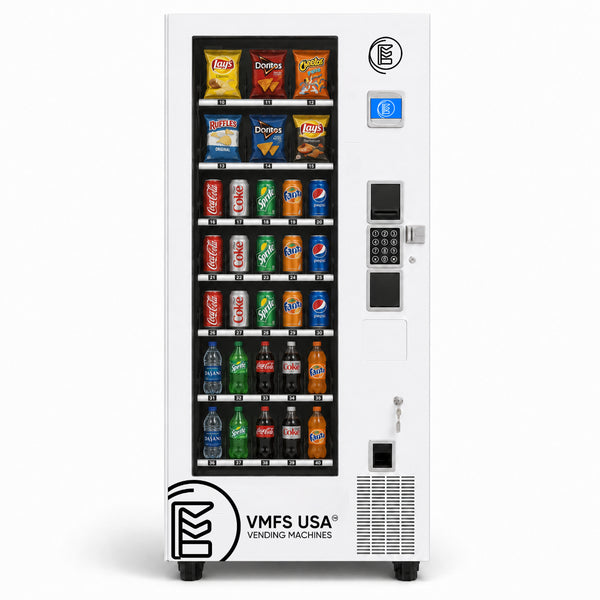
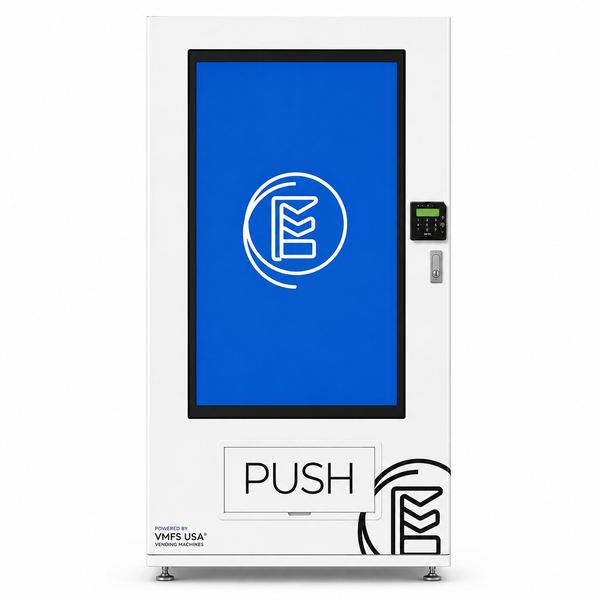
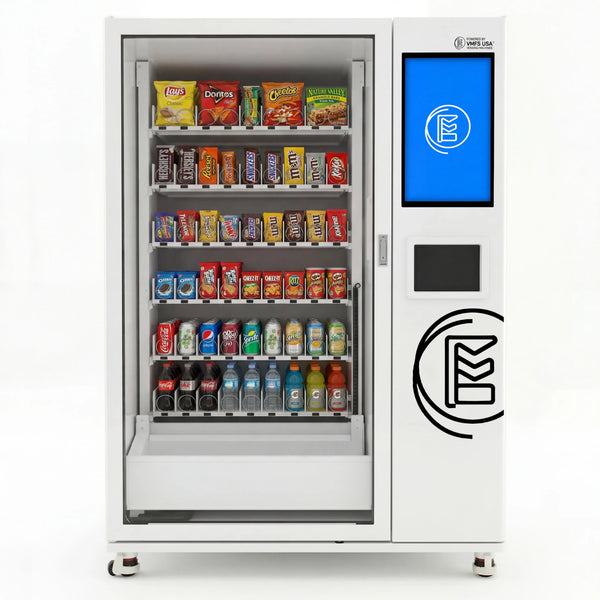
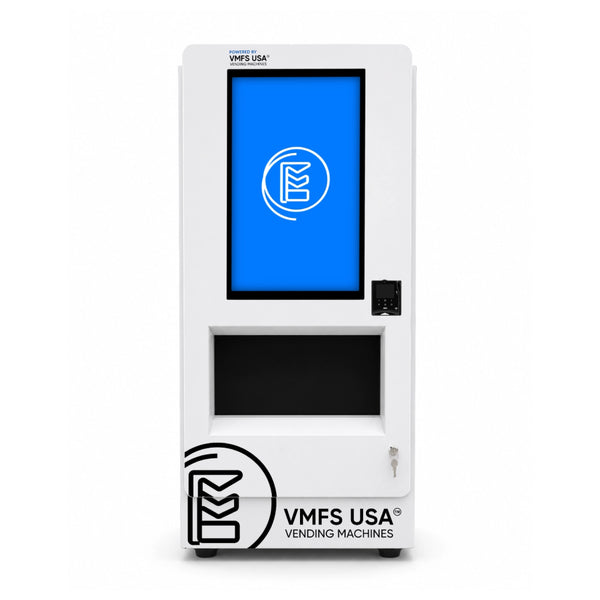
Elevator Vending Machines Available for Denver
Every unit below ships configured, compliance-ready, and backed by VMFS Cloud monitoring.
How Operators Use Elevator Vending in Denver
Denver International Airport Terminal
Denver International Airport moves 60 million passengers annually through gates serving United, Southwest, and regional carriers. The terminal stocks premium snacks, energy drinks, electrolyte beverages, phone chargers, and travel-sized wellness products for connecting passengers and business travelers. Elevator delivery units protect fragile items like glass bottles and electronic chargers from the damage coil machines inflict during dispensing, critical for premium products guests purchase at 30 to 50 percent above retail. High-volume passenger throughput combined with cashless payment adoption and 24/7 operational requirements create reliable revenue streams that justify premium placement fees.
Ski Resort Base Lodge
Winter sports destinations including Vail, Breckenridge, and Keystone lodge operate base facilities where lift ticket holders spend 6 to 8 hours per day. Machines stock hot beverages, energy bars, trail mix, recovery drinks, and hand warmers for cold-weather athletes. Elevator delivery units prevent damage to delicate snack packaging, protein bars, and supplement bottles that coil machines crush, preserving product integrity on fragile health-focused items. High ticket spending and extended on-site time drive premium per-machine revenue during peak winter season.
Corporate Campus Tech Hub
Denver's downtown tech corridor centered on LoDo and Tech Center hosts major employers including Level 3 Communications, Trimble, and major software companies with 500 to 5000 employee facilities. Machines stock fresh prepared salads, cold-pressed juices, kombucha, protein snacks, and functional beverages supporting desk worker nutrition. Elevator delivery units protect fresh food containers, glass bottles, and juice cartons from the crushing damage standard coil machines cause, maintaining food safety and product quality. Corporate tenants treat premium vending as an employee amenity that reduces off-campus spending and improves retention metrics.
Medical Center Campus
Denver Health, University of Colorado Hospital, and National Jewish Health operate 24/7 facilities where staff work irregular shifts and patients require accessible nutrition. Machines stock protein bars, electrolyte drinks, vitamins, premium snacks, and meal supplements for medical professionals and visitors during all hours. Elevator delivery units prevent damage to supplement bottles, fragile packaging, and medical nutrition products susceptible to breakage from coil dispensing. Round-the-clock access and captive populations requiring reliable vending create steady revenue independent of seasonal fluctuation.
What Ships With Every Elevator Unit
Regulations for Operating in Denver, CO
Licensing, permits, sales tax, and health department standards for elevator vending operators in Colorado.
State License Requirements
Colorado's Department of Public Health and Environment (DPHE), Division of Environmental Health and Sustainability, oversees vending machine regulation. Machines vending potentially hazardous foods (those requiring time/temperature control for safety, including prepared foods, dairy, and certain beverages) require a Food Service License. Machines vending only shelf-stable, non-potentially-hazardous items such as snacks, candy, and bottled water do not require a food service license but may still require general business registration. Colorado does not mandate a statewide vending operator license separate from the food service license; instead, registration occurs at the local health department level. All businesses must obtain a Colorado Department of Revenue sales tax license (a single EIN or business identification number serves both state and federal purposes) before operating. Business entities must be properly registered with the Colorado Secretary of State. Tobacco and nicotine products vended require compliance with Colorado tobacco tax registration and age-restriction signage; alcohol sales are prohibited in unmanned vending machines. Water and ice machines may be exempt from food service licensing if they dispense only potable water or ice made from potable water with no other food contact. Food service licenses require annual renewal, typically on a calendar-year or anniversary basis depending on local health department policy.
City and County Permits
Denver requires a business license and a Certificate of Use and Occupancy prior to operating any vending machine in the city limits. Zoning approval is necessary; machines must comply with Denver zoning code designations for the location type (retail, office, institutional, etc.). The Denver Fire Department enforces fire code compliance for machines, particularly those with electrical or heating components; operators should confirm no violations of fire access or clearance rules. Denver does not require a separate coin-operated machine declaration, but the Certificate of Use application must disclose the machine's function and location. Surrounding municipalities (Aurora, Littleton, Westminster, etc.) maintain separate permit systems; operators must secure permits from each municipality where machines are deployed. Denver business licenses require annual renewal; late renewal incurs penalties typically calculated as a percentage of the annual license fee. The Denver Department of Community Planning and Development handles business licensing and zoning inquiries; the Fire Department can be contacted through the Denver Fire Prevention Division. County-level (Denver County) health permits are handled by the Denver Public Health agency, which coordinates with the state DPHE. Renewal timelines vary by permit type; operators should contact the Denver Department of Community Planning and Development at the main business licensing office for current renewal schedules and fee information.
Sales Tax Rate
The combined sales tax rate in Denver, Colorado is 10.25 percent, comprising the state rate of 2.9 percent, Denver County sales tax of 3.62 percent, and Denver City sales tax of 3.63 percent. Most vended goods including snacks, candy, beverages, and prepared foods are taxable at the full combined rate. Certain items may qualify for exempt status: unprepared food items (raw produce, uncooked meat), prescription drugs, and some government-issued items are exempt. Operators must register with the Colorado Department of Revenue for a sales tax license before operating; registration is completed online or by mail. Remittance frequency depends on monthly sales volume; most small operators remit monthly, though low-volume operators may remit quarterly. The economic nexus threshold for out-of-state sellers is triggered when annual Colorado sales exceed 100,000 dollars or when the seller has made 200 or more separate transactions into the state, after which remote sellers must register and remit Colorado sales tax.
Health Department Standards
Colorado's DPHE Division of Environmental Health and Sustainability establishes statewide vending machine health standards; Denver Public Health enforces local oversight. Machines vending potentially hazardous foods must have food-contact surfaces of stainless steel or other NSF-certified material, be equipped with accurate thermometers if refrigeration is required, and include automatic shut-off features to prevent dispensing of products outside safe temperature ranges. Machines must be screened to prevent pest entry and must have accessible drain systems. Placement rules require machines to be positioned to prevent overhead leakage, condensation drip, or contamination from building systems; flooring must be clean, non-porous, and well-drained. Operational standards include proper date-marking and labeling of all products with ingredients, allergens, and expiration dates visible to consumers; unannounced health inspections occur at least annually for food service machines, with more frequent inspections for high-risk locations. Secondary oversight applies to machines placed in schools (under school district and state Department of Education guidelines), healthcare facilities (hospital and clinic compliance officers), and government buildings (Denver Parks and Recreation, Denver Public Schools facilities). Denver's altitude of 5,280 feet and low relative humidity in winter months require machine specifications that accommodate potential condensation and temperature fluctuation; machines must be rated for the temperature and humidity range typical of Colorado's semi-arid climate. VMFS elevator machines deployed in Denver ship with equipment rated for Colorado altitude and humidity specifications, including appropriate gasket and seal materials, and thermostatic controls calibrated to maintain compliance with state and local health standards.
Disclaimer
Regulatory information is for reference only and current as of 2026. Operators should verify current requirements with the relevant agency before deployment. VMFS USA is not a legal or tax advisor.
Denver at a Glance
Geographic Identity
- County
- Denver County
- Metro Area
- Denver-Aurora-Lakewood
- Time Zone
- America/Denver (Mountain Time)
- Area Codes
- 303, 720
- ZIP Codes
- 80201 to 80239
- Primary Airport
- DEN Denver International Airport
- Secondary Airport
- None
- Major Port
- None
- Nickname
- The Mile High City
Market Stats
- City Population
- 715,522
- Metro Population
- 3.0 million
- Annual Visitors
- 31.5 million (2023)
- Visitor Economy
- 38.6 billion annual economic impact
- Airport Passengers
- 69 million annual travelers through DEN
- Hospitality Jobs
- None
- Top Industries
- Energy and Natural Resources, Aerospace and Defense, Technology and Software, Healthcare and Bioscience, Professional Services, Real Estate and Construction, Tourism and Hospitality
- Demand Driver
- Year-round tourism driven by outdoor recreation, major conventions and events, corporate headquarters density, and strategic location as a transportation hub for the Mountain West.
Climate Profile
- Climate Zone
- Semi-Arid
- Average Humidity
- 25 to 45 percent year round
- Summer High
- 85 to 90 degrees Fahrenheit with low humidity from June through August
- Winter Low
- regularly below 20 degrees Fahrenheit, indoor placement recommended during winter months
- Seasonal Hazard
- Hail and Severe Thunderstorms, May to September
- Environmental Exposure
- Low humidity and intense solar exposure at high elevation require UV resistant materials and enhanced cooling capacity for refrigerated units.
- Deployment Note
- Denver's semi-arid climate at 5,280 feet elevation demands weatherproofed electronics, sealed cooling systems, and UV protected housings to withstand intense sun, hail risk, and temperature extremes. VMFS ships all Denver outdoor units with these specifications standard.
Location & Service Area
- Key Neighborhoods
- Downtown Denver, LoDo, Capitol Hill, Cherry Creek, South Pearl Street, Washington Park, Highland, Highlands, Cheesman Park, Sloan Lake, Highlands, RiNo
- Nearby Cities
- Aurora, Lakewood, Westminster, Arvada, Broomfield, Boulder, Littleton, Englewood
- Service Radius
- VMFS delivers, installs, and services machines throughout Denver and Arapahoe Counties, with extended coverage to Adams, Jefferson, and Douglas Counties on request.
Your Location. Working 24/7.
Answers to common questions from Denver operators. Didn't see yours? Send us a message — our US-based team responds within one business day.
How does revenue sharing work, and when does a property owner receive payment?
What products work best in a Denver location, and how often does restocking happen?
How much floor space is required, and what are the installation steps?
What happens if the machine breaks down or needs service during winter months in Denver?
Does the machine accept cards and mobile payments, or only cash?
Do Denver tourism patterns and seasonal business cycles affect which locations perform best?
Deploy Elevator Vending Machines in Denver, CO Today
Request a custom quote for your Denver location and we handle machine selection, delivery, configuration, and ongoing support across your property. Every deployment starts with a site assessment covering foot traffic patterns, product mix strategy, power and network infrastructure, and local compliance requirements specific to Denver venues. We scale from a single unit in a boutique hotel lobby or medical office building to rollouts of 40 or more machines across corporate campuses, airport concessions, or university residence halls throughout the metro area. Your quote includes hardware, installation, staff training, and 12 months of cloud monitoring at no extra cost.
Deploy Elevator Vending Across Denver
1,200+ machines deployed. 1-year warranty standard. Free lifetime support. One team from site survey to uptime.