


Elevator Vending Machines in Charlotte, NC
Transform idle elevator time into profitable revenue streams with our innovative vending machines designed specifically for Charlotte's busiest buildings.
Stop Guessing. Configure Your Elevator Vending Machine.
Answer a few quick questions about your location, your product mix, your temperature needs, and your budget. Our Elevator Vending System will match you with the right base model, add the right modules (refrigeration, ad screen, outdoor protection, payment suite), and show you real time pricing and lead time as you build.
Skip the back and forth. Skip the spec sheet overwhelm. See your exact configuration, your exact cost, and your exact delivery window before you commit.
- Real time pricing as you add or remove features
- Live lead time estimate based on your configuration
- Recommended product mix for your location type
- Capacity, slot count, and weight limits shown per setup
- Option presets for food, drinks, electronics, retail, and frozen

Why Elevator Vending Machines?
Premium Elevator Vending Machines in Charlotte, North Carolina Discover the future of automated retail with our premium
elevator vending machines
in Charlotte, North Carolina. These innovative systems utilize advanced robotic lift technology to gently deliver products to the pickup tray, ensuring zero drops and eliminating damage to delicate items. Perfect for snacks, beverages, electronics, and fresh food, our machines feature up to 800 product slots and cloud-based remote monitoring capabilities. Ideal for high-volume, high-margin locations, these elevator vending machines maximize your profits while maintaining superior product integrity and customer satisfaction throughout the Charlotte area.
Zero Product Damage
Robotic elevator lift delivers every item intact, protecting glass bottles, fresh food, electronics, and premium SKUs that coil machines physically destroy
High-Capacity Footprint
Up to 800 items across chilled, ambient, and frozen zones in a single cabinet — the highest SKU density in the industry
Premium Product Compatibility
Handles fragile, high-ticket, and temperature-sensitive inventory including glass-bottled beverages, sushi, salads, and small electronics
24/7 Cloud Monitoring
Real-time sales reporting, per-slot inventory tracking, temperature alerts, and cashless payment data stream to your VMFS Cloud dashboard
Why Elevator Machines Perform in Charlotte, North Carolina
Charlotte's Booming Convention and Hospitality Economy
Charlotte's thriving convention and hospitality sector drives consistent foot traffic through major hotels, the Charlotte Convention Center, and corporate towers throughout Uptown. Elevator vending machines excel in these high-traffic venues where traditional floor-level units jam or suffer damage from congestion. Hotels and office buildings appreciate reliable, space-efficient vending that serves guests and employees without occupying valuable lobby real estate. The region's humid subtropical climate makes enclosed elevator placement ideal for protecting temperature-sensitive snacks and beverages from moisture damage, while premium product offerings cater to business travelers and convention attendees seeking quality refreshments between meetings.
Best Locations in Charlotte
High-value deployment sites where elevator vending delivers the strongest revenue per square foot.
Elevator Vending Machines Available for Charlotte
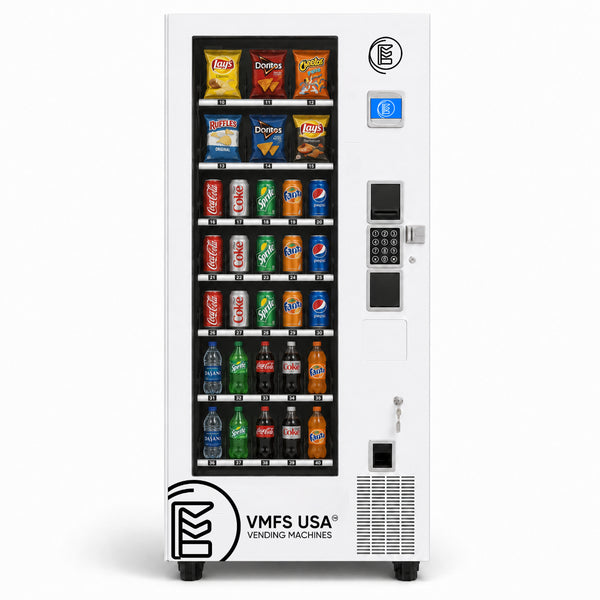
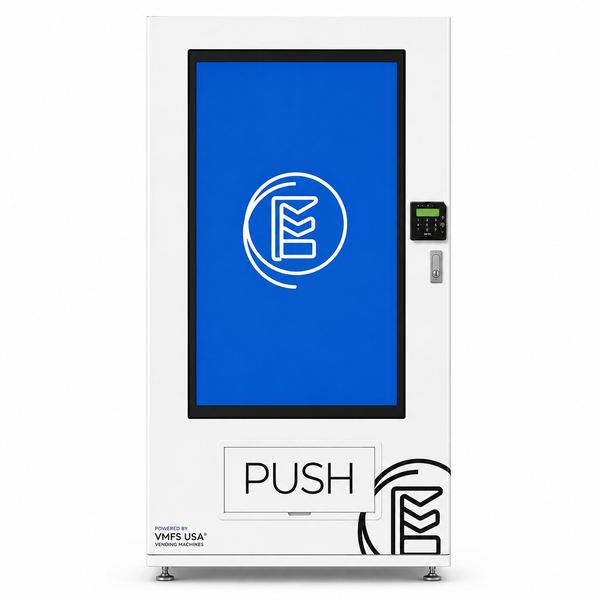
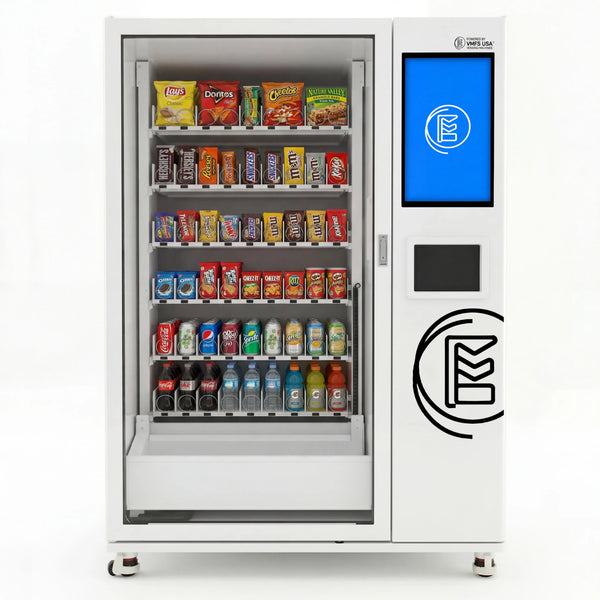
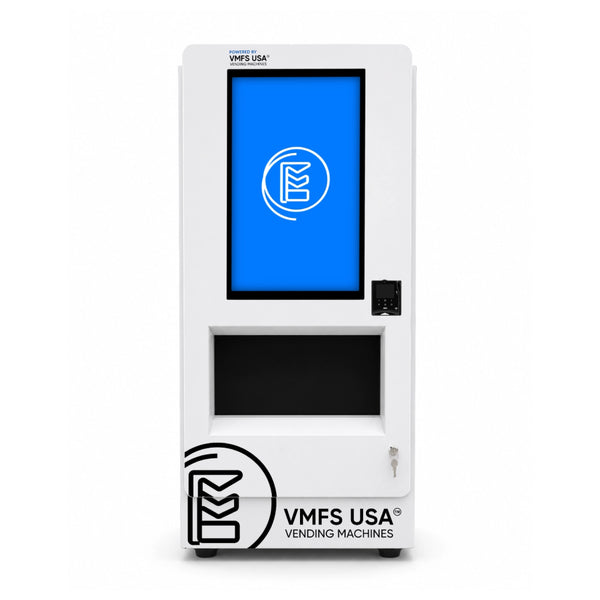
Every unit below ships configured, compliance-ready, and backed by VMFS Cloud monitoring.
How Operators Use Elevator Vending in Charlotte
Bank of America Corporate Center Lobby
Charlotte's financial district anchors venues like the Bank of America Corporate Center, Duke Energy headquarters, and Truist buildings where thousands of daytime workers and visiting clients circulate. The elevator delivery vending unit stocks premium beverages including cold brew coffee, sparkling water, electrolyte drinks, protein smoothies, and healthy snack options like nuts and protein bars tailored to the professional demographic. Delicate glass bottles and chilled beverage containers remain intact through the gentle elevator delivery system rather than suffering damage from traditional coil dispensing, protecting product integrity and reducing waste on high-value items. Corporate tenants view premium vending as a retention amenity that reduces foot traffic out of buildings during work hours and generates steady per-transaction revenue from a captive audience willing to pay 30 to 50 percent above retail for convenience.
Charlotte Motor Speedway Campus
The Charlotte Motor Speedway draws hundreds of thousands of visitors annually during race weekends and events, with large gatherings also occurring at nearby PNC Music Pavilion and the North Carolina Auto Racing Hall of Fame facilities. Machines stock premium racing-themed snacks, high-calorie energy foods, cold beverages, beer and spirits, desserts, and impulse purchase candy positioned for event attendees seeking quick refreshment between activities and events. The elevator delivery unit protects glass bottles, delicate pastries, and premium packaged goods from crushing damage that occurs with traditional coil mechanisms, crucial when stocking higher-margin glass beverages and fragile food items. Event venues operate on tight margins and premium vending provides reliable ancillary revenue during peak attendance periods when foot traffic and transaction volume justify multiple machines per location.
University of North Carolina at Charlotte Housing and Campus
UNC Charlotte's residence halls, student center, and campus facilities operate extended hours where traditional retail closes, requiring reliable vending access during evenings, weekends, and exam periods. Machines stock affordable student staples including instant noodles, sandwich components, energy drinks, protein bars, frozen meals, study snacks, and late-night beverages that serve the student lifestyle and budget constraints. The elevator delivery unit prevents crushing damage to fresh food containers, bottled beverages, and fragile snack packaging during placement, maintaining product quality where students expect ready access to edible goods outside normal retail hours. Campus vending generates predictable volume from a confined resident population with guaranteed foot traffic and limited competing retail options, supporting multiple machines across housing complexes and student gathering spaces.
Atrium Health Medical Center Facilities
Atrium Health operates multiple hospital campuses including Carolinas Medical Center in Uptown and numerous urgent care and specialty clinics throughout the greater Charlotte area where patients, visitors, and staff require immediate food and beverage access. Machines stock healthy snacks, sugar-free beverages, electrolyte drinks, meal replacement bars, coffee, tea, and medical-friendly options that align with patient wellness and hospital dietary standards. The elevator delivery unit protects glass bottles, delicate prepared food containers, and medical dietary products from damage that undermines product value in healthcare settings where quality perception affects purchasing behavior. Healthcare facilities operate around the clock with high foot traffic from people in distress willing to pay premium pricing for convenient access, and vending provides revenue to facilities while meeting patient and family needs when cafeterias operate limited hours.
What Ships With Every Elevator Unit
Regulations for Operating in Charlotte, NC
Licensing, permits, sales tax, and health department standards for elevator vending operators in North Carolina.
State License Requirements
In North Carolina, the Department of Health and Human Services (DHHS), Division of Public Health, oversees vending machine regulations. Vending machines that dispense potentially hazardous foods (those requiring time-temperature control for safety, such as refrigerated sandwiches or prepared foods) require a food service license or permit. Machines vending shelf-stable snacks, candy, and non-potentially hazardous items may be exempt from food service licensing depending on contents. Operators must register with the North Carolina Department of Revenue for sales tax purposes and obtain an EIN (Employer Identification Number) if operating as a business entity other than a sole proprietorship. North Carolina does not issue a statewide vending operator license but requires compliance with local health department rules. Tobacco sales through vending machines are heavily restricted in North Carolina; as of current law, tobacco vending is prohibited except in adult-only facilities and requires age-verification systems. Alcoholic beverage vending is not permitted. Water and ice vending machines are generally permitted but must comply with health department water quality standards if dispensing potable water. Food service permits typically require annual renewal. Business entity registration and EIN procurement should be completed prior to deployment.
City and County Permits
Charlotte and Mecklenburg County jointly regulate vending machines through the Mecklenburg County Health Department (MCHD) and the City of Charlotte Business License Office. A Charlotte Business License is required for all vending operations and must be renewed annually. Certificate of Occupancy or Certificate of Use may be required depending on placement location and property type. Zoning approval from the City of Charlotte Planning Department is necessary to confirm vending machine placement complies with local zoning ordinances; some zoning districts restrict vending in certain commercial or residential areas. Fire safety inspection and approval may be required for machines placed in commercial buildings, schools, or facilities subject to life safety codes. No county-level vending declaration is required separate from city licensing. For machines placed in surrounding municipalities (such as Concord or Kannapolis), separate local permits and licenses are required per that jurisdiction's rules. Business licenses and health permits typically renew annually; late renewal may result in penalties and operational suspension. Contact the City of Charlotte Business License Office at the Charlotte City Hall office or the Mecklenburg County Health Department Environmental Health Division for specific placement and permitting questions.
Sales Tax Rate
The combined sales tax rate in Charlotte, North Carolina is 7.25 percent, comprised of the state rate of 4.75 percent plus a Mecklenburg County rate of 2.5 percent. Most food items vended through machines are taxable at the full rate, including snacks, candy, beverages, and prepared foods. Some items may qualify for reduced tax or exemption under North Carolina law, such as certain unprepared foods, but pre-packaged snacks and drinks are typically taxable. Operators must register with the North Carolina Department of Revenue to obtain a sales tax license and remit sales tax monthly or quarterly depending on sales volume and the department's determination. Remote sellers without physical presence in North Carolina but making vending machine sales into the state are subject to economic nexus rules and must register for North Carolina sales tax if sales exceed a threshold set by state law (currently $100,000 in sales annually). Registration and remittance are handled through the North Carolina Department of Revenue online portal.
Health Department Standards
The Mecklenburg County Health Department establishes health and sanitation standards for vending machines in Charlotte. Machines dispensing potentially hazardous foods must maintain proper temperature control (hot foods held at 135 degrees Fahrenheit or above, cold foods at 41 degrees Fahrenheit or below), have calibrated thermometers visible to inspectors, and include automatic shutoff or alarm systems if temperature excursions occur. Machines must have smooth, non-porous surfaces that are easily cleanable and free of rust or damage. Placement must be in areas protected from overhead leakage, in rooms or outdoor locations with solid flooring that drains properly and is kept clean and pest-free. Machines must display product dating and expiration information clearly visible to consumers. Labels showing ingredient information, allergen warnings, and nutritional content must be legible. The Mecklenburg County Health Department conducts unannounced inspections of vending machines, particularly those in food service establishments, schools, and healthcare facilities. Secondary oversight occurs for machines placed in schools (subject to Charlotte-Mecklenburg Schools food service regulations), hospitals and healthcare facilities (subject to facility health codes), and government buildings (subject to facility food safety standards). Charlotte's climate is humid subtropical with warm summers; machines should be specified with humidity-resistant components and placed away from direct sunlight when possible to prevent condensation and food spoilage. VMFS elevator machines deployed in Charlotte ship with temperature-monitoring systems and food-safe materials compliant with North Carolina and Mecklenburg County health standards.
Disclaimer
Regulatory information is for reference only and current as of 2026. Operators should verify current requirements with the relevant agency before deployment. VMFS USA is not a legal or tax advisor.
Charlotte at a Glance
Geographic Identity
- County
- Mecklenburg County
- Metro Area
- Charlotte-Concord-Gastonia, North Carolina-South Carolina
- Time Zone
- America/New_York (Eastern Time)
- Area Codes
- 704, 980
- ZIP Codes
- 28202 to 28299
- Primary Airport
- CLT Charlotte Douglas International Airport
- Secondary Airport
- GSO Piedmont Triad International Airport
- Major Port
- None
- Nickname
- The Queen City
Market Stats
- City Population
- 869,549
- Metro Population
- 2.6 million
- Annual Visitors
- 10.8 million (2023)
- Visitor Economy
- $13.4 billion annual economic impact
- Airport Passengers
- 50.7 million annual travelers through CLT
- Hospitality Jobs
- None
- Top Industries
- Financial Services, Healthcare, Technology, Manufacturing, Distribution and Logistics, Real Estate, Professional Services
- Demand Driver
- Charlotte's economy is driven by major corporate headquarters concentration, robust financial services sector activity, and growing technology and healthcare industries that attract both business travelers and regional employment migration.
Climate Profile
- Climate Zone
- Humid Subtropical
- Average Humidity
- 60 to 70 percent year round
- Summer High
- 88 to 92 degrees Fahrenheit from June through August
- Winter Low
- 35 to 40 degrees Fahrenheit, occasional freezing periods require standard weatherproofing
- Seasonal Hazard
- Severe Thunderstorms and Tornadoes, March to May
- Environmental Exposure
- Summer heat and humidity require enhanced refrigeration cycles and corrosion resistant hardware for longevity in high moisture conditions.
- Deployment Note
- Charlotte's humid subtropical climate demands weatherproofed units with sealed electronics and enhanced drainage for outdoor placements. Summer heat peaks in June through August, requiring reinforced refrigeration cycles. VMFS ships all Charlotte outdoor units with weatherproofed enclosures and sealed electronic components as standard specification.
Location & Service Area
- Key Neighborhoods
- Uptown, South End, NoDa, Plaza Midwood, Dilworth, Myers Park, Freedom Park, Ballantyne, SouthPark, Eastover, Elizabeth, Wesley Heights
- Nearby Cities
- Concord, Kannapolis, Gastonia, Huntersville, Cornelius, Davidson, Matthews, Mint Hill
- Service Radius
- VMFS delivers, installs, and services machines throughout Mecklenburg County and surrounding areas including Cabarrus, Gaston, and Iredell counties, with extended coverage to additional neighboring counties on request.
Your Location. Working 24/7.
Answers to common questions from Charlotte operators. Didn't see yours? Send us a message — our US-based team responds within one business day.
How much revenue can a property owner expect from hosting a vending machine, and what are the payment terms?
What products stock the machines, and how often does restocking happen in Charlotte locations?
What space and installation requirements exist for a Charlotte property?
What happens if a machine breaks down or requires service in Charlotte?
Which payment methods do the machines accept, and can they handle Charlotte business preferences?
How does seasonal traffic affect machine performance in Charlotte neighborhoods and business districts?
What regulatory approvals or permits does the property owner need to secure in Charlotte?
Are there neighborhood or venue restrictions where machines cannot operate in Charlotte?
Deploy Elevator Vending Machines in Charlotte, NC Today
Request a custom quote for vending machine placement at your Charlotte location, and we handle machine selection, delivery, configuration, and ongoing support across your property. Every deployment begins with a site assessment that evaluates foot traffic patterns, product mix strategy, power and network infrastructure, and local compliance requirements specific to your venue. Whether you need a single machine in a boutique hotel lobby or a rollout of 40 or more units across a corporate campus or medical center in Charlotte, your quote includes hardware, installation, staff training, and 12 months of cloud monitoring at no extra cost.
Deploy Elevator Vending Across Charlotte
1,200+ machines deployed. 1-year warranty standard. Free lifetime support. One team from site survey to uptime.