


Elevator Vending Machines in Charleston, SC
Maximize your profits with premium elevator vending machines designed for high-traffic locations throughout Charleston, South Carolina today.
Stop Guessing. Configure Your Elevator Vending Machine.
Answer a few quick questions about your location, your product mix, your temperature needs, and your budget. Our Elevator Vending System will match you with the right base model, add the right modules (refrigeration, ad screen, outdoor protection, payment suite), and show you real time pricing and lead time as you build.
Skip the back and forth. Skip the spec sheet overwhelm. See your exact configuration, your exact cost, and your exact delivery window before you commit.
- Real time pricing as you add or remove features
- Live lead time estimate based on your configuration
- Recommended product mix for your location type
- Capacity, slot count, and weight limits shown per setup
- Option presets for food, drinks, electronics, retail, and frozen

Why Elevator Vending Machines?
Premium Elevator Vending Machines in Charleston, South Carolina Discover the future of automated retail with our premium
elevator vending machines
in Charleston, South Carolina. These innovative units utilize advanced robotic lift technology to gently deliver products to the pickup tray with zero drops or damage, making them perfect for snacks, drinks, electronics, and fresh food. With capacity for up to 800 slots and sophisticated remote cloud monitoring capabilities, our elevator vending machines are engineered for high-volume, high-margin locations. Experience reliable, damage-free product delivery that maximizes customer satisfaction and boosts your bottom line.
Zero Product Damage
Robotic elevator lift delivers every item intact, protecting glass bottles, fresh food, electronics, and premium SKUs that coil machines physically destroy
High-Capacity Footprint
Up to 800 items across chilled, ambient, and frozen zones in a single cabinet — the highest SKU density in the industry
Premium Product Compatibility
Handles fragile, high-ticket, and temperature-sensitive inventory including glass-bottled beverages, sushi, salads, and small electronics
24/7 Cloud Monitoring
Real-time sales reporting, per-slot inventory tracking, temperature alerts, and cashless payment data stream to your VMFS Cloud dashboard
Why Elevator Machines Perform in Charleston, South Carolina
Charleston's thriving hospitality and tourism economy drives consistent foot traffic through hotels, restaurants, and convention venues where elevator vending machines excel. The city's humid subtropical climate creates challenging conditions for traditional outdoor vending—moisture and heat damage products—while climate-controlled elevator placement protects inventory. High-traffic locations like the Charleston Convention Center, historic downtown hotels, and airport terminals generate strong demand for convenient, accessible snacking and retail solutions. Elevator machines solve critical space constraints in Charleston's narrow historic buildings and busy corridors, delivering premium products directly to captive audiences during peak tourism seasons.
Best Locations in Charleston
High-value deployment sites where elevator vending delivers the strongest revenue per square foot.
Elevator Vending Machines Available for Charleston
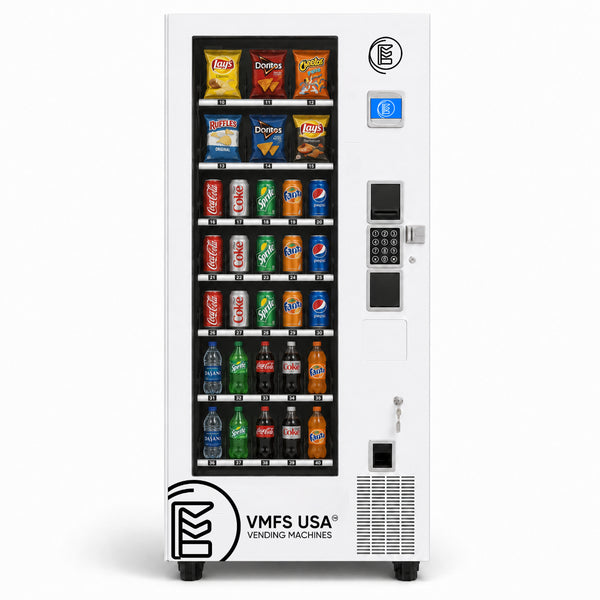
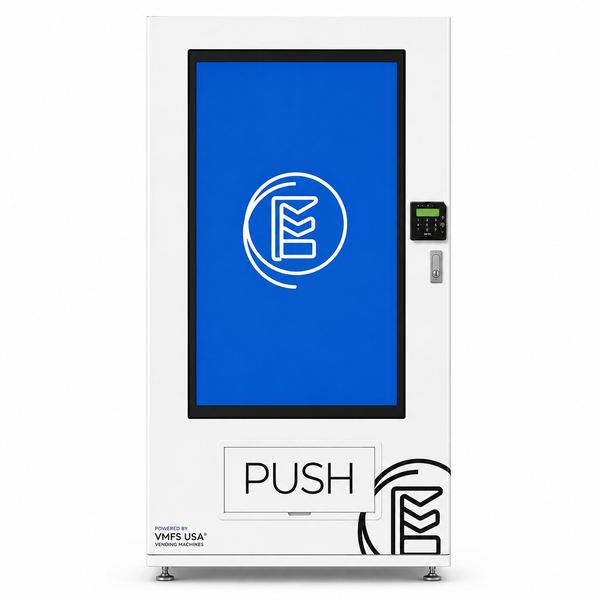
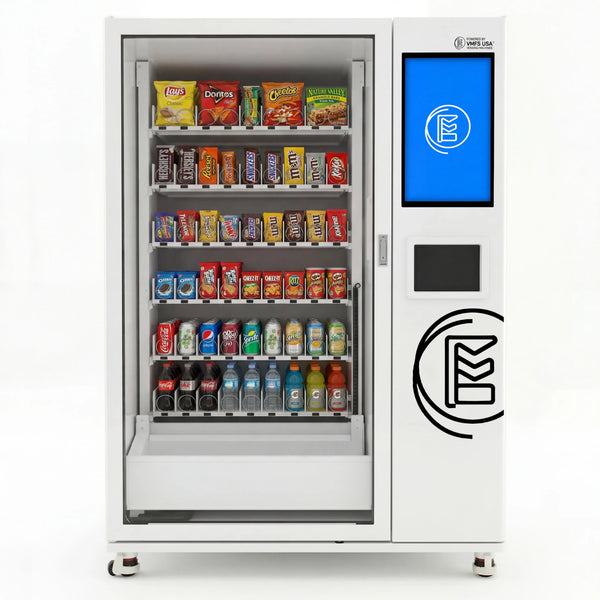
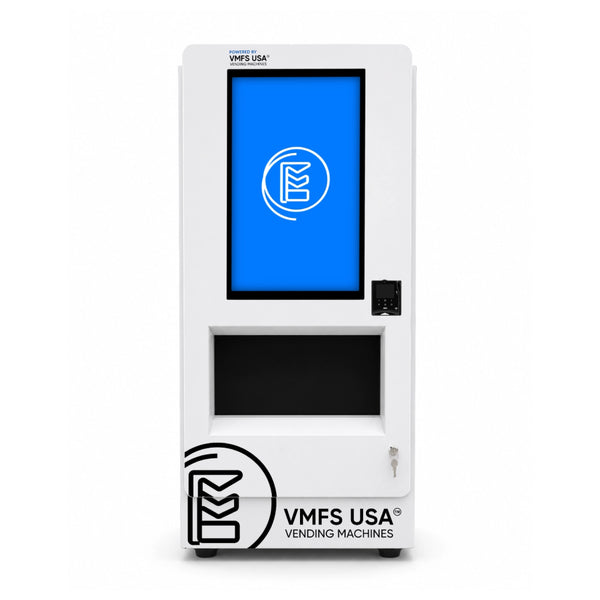
Every unit below ships configured, compliance-ready, and backed by VMFS Cloud monitoring.
How Operators Use Elevator Vending in Charleston
Historic Hotel Corridor
Charleston's luxury hotels including The Vendue, Zero George, and The Restoration Hotel draw affluent domestic and international guests throughout the year. Premium minibar items, local craft beverages, chilled wines, phone chargers, and artisanal snacks command 40 to 50 percent markups over retail pricing. The elevator delivery unit protects fragile glass bottles and delicate wine packaging that traditional coil machines would damage during dispensing, preserving the premium presentation that justifies elevated pricing. Hotels operate 24 hours with front desk staffing gaps, and guests paying nightly rates expect convenient access to premium items without leaving the property, generating consistent revenue during peak seasons and shoulder periods.
Medical District Facilities
MUSC (Medical University of South Carolina) and its affiliated care centers in the Medical District employ thousands and operate round the clock with staff, patients, and visitors on irregular schedules. The machine stocks protein bars, electrolyte drinks, fresh sandwiches, salads, and recovery supplements tailored to hospital shift workers and recovery-focused patients. Gentle elevator delivery protects fresh food containers and prevents crushing of soft protein bars that coil machines compress during delivery, maintaining food safety and presentation standards. MUSC facilities require reliable vending access during evening and night shifts when external food service closes, and staff loyalty to properties with convenient amenities drives persistent transaction volume.
Historic District Retail and Hospitality Corridor
High-traffic venues including King Street retail blocks, the City Market area, and Charleston Place represent concentrated foot traffic from shoppers, tourists, and diners moving between attractions. Curated selections of premium beverages, specialty snacks, local products, and grab and go items appeal to transient customers spending leisure time in the district. An elevator delivery unit prevents breakage of glass bottles and damage to delicate packaged goods that result from coil machine impacts, preserving product integrity and perceived value in a premium retail environment. This corridor converts browsers into impulse buyers at higher transaction values, with tourists and visitors accepting premium pricing and paying in cash or digital wallets during peak daytime hours.
Airport and Transit Terminal
Charleston International Airport and regional transfer hubs process thousands of passengers daily with TSA security preventing outside beverage entry and minimal food retail post security. The machine stocks bottled water, energy drinks, protein snacks, phone chargers, electronics, and premium coffee to capture customers with no external alternatives and time constraints. Elevator delivery protects electronic chargers and prevents bottle damage that triggers TSA concerns and merchandise loss, while gentle handling of delicate items ensures full stock availability. High-volume transit points demand 99 percent uptime and cashless payment acceptance to serve rushing passengers, generating predictable revenue from captive audiences and weather independent demand patterns.
What Ships With Every Elevator Unit
Regulations for Operating in Charleston, SC
Licensing, permits, sales tax, and health department standards for elevator vending operators in South Carolina.
State License Requirements
South Carolina's Department of Health and Environmental Control (DHEC) oversees vending machines and food service operations. Vending machines dispensing potentially hazardous foods (requiring temperature control) require a food service license or permit, while machines vending only shelf-stable snacks, beverages, candy, and non-potentially hazardous items may be exempt from licensing depending on the specific contents. Operators must register for a South Carolina sales tax license through the Department of Revenue; an EIN from the IRS is required for business entity formation. South Carolina does not issue a separate statewide vending operator license; licensing is commodity and food-hazard specific. Tobacco sales are restricted by state law and require age verification and specific licensing through DHEC. Alcohol vending is prohibited in South Carolina. Pre-packaged ice and bottled water may be exempt from licensing if sold sealed and unopened, but operators should confirm with DHEC. Food service permits must be renewed annually, with renewal applications typically due 30 days before expiration to avoid penalties.
City and County Permits
Charleston, South Carolina requires a business license from the City of Charleston Business Licensing Department (located at 50 Broad Street, Charleston, SC 29401, or contactable through the city website) for any vending operation, regardless of product type. A Certificate of Use and Occupancy may be required if the machine is placed in a commercial space or as a standalone installation. Zoning compliance is mandatory; the City of Charleston Planning and Preservation Department enforces zoning restrictions that may prohibit vending machines in certain zones or require conditional use permits. Fire safety inspections are conducted by the Charleston Fire Department for machines placed in occupied buildings. No county-level permit is required beyond city permits for vending in Charleston proper, though operators should verify rules if placing machines in unincorporated Berkeley County areas. Coin-operated machine declarations or registrations are not separately required by Charleston or Berkeley County. Business licenses must be renewed annually; late renewal incurs penalties. Contact the City of Charleston Business Licensing Department for current permit fees and renewal timelines.
Sales Tax Rate
The combined sales tax rate in Charleston, South Carolina is 8.5 percent, consisting of the state rate of 6 percent plus the Charleston County surtax of 2.5 percent. Vended items are generally taxable unless specifically exempt; shelf-stable snacks, beverages, and candy are taxable. Potentially hazardous foods subject to licensing may qualify for different tax treatment; operators should confirm with the South Carolina Department of Revenue. Operators must register for a sales tax license with the South Carolina Department of Revenue and remit sales tax monthly or quarterly depending on sales volume. Out-of-state sellers with economic nexus (typically gross revenue over a defined threshold in South Carolina) must register and remit sales tax; current nexus thresholds should be verified with the Department of Revenue.
Health Department Standards
South Carolina DHEC and the Charleston County Environmental Health Division establish health and safety standards for all vending machines. Machines dispensing potentially hazardous foods must have certified food-contact surfaces, accurate internal thermometers, and automatic temperature monitoring or shut-off systems if refrigeration is used. All machines must be screened or designed to prevent pest access and contamination. Placement rules prohibit machines directly beneath overhead leakage sources, ceiling fixtures, or plumbing; flooring must be clean, non-porous, and well-maintained. Operational requirements include clear date-marking on all perishable items, visible expiration or use-by dates, and proper labeling of all contents. DHEC and Charleston County conduct unannounced health inspections; operators must cooperate and correct violations within specified timelines. Secondary oversight applies to machines placed in schools, hospitals, healthcare facilities, and government buildings, which may have additional restrictions or require written approval from the facility. Charleston's subtropical climate and high humidity require machines to have reliable refrigeration and condensation management to prevent mold and product spoilage. VMFS elevator machines deployed in Charleston ship with refrigeration, humidity control, and condensation drainage specifications appropriate for DHEC and Charleston County standards.
Disclaimer
Regulatory information is for reference only and current as of 2026. Operators should verify current requirements with the relevant agency before deployment. VMFS USA is not a legal or tax advisor.
Charleston at a Glance
Geographic Identity
- County
- Charleston County
- Metro Area
- Charleston-North Charleston, SC Metropolitan Statistical Area
- Time Zone
- America/New_York (Eastern Time)
- Area Codes
- 843
- ZIP Codes
- 29401 to 29492
- Primary Airport
- CHS Charleston International Airport
- Secondary Airport
- None
- Major Port
- Port of Charleston, one of the busiest container ports on the U.S. East Coast
- Nickname
- The Holy City
Market Stats
- City Population
- 150,227
- Metro Population
- 1.6 million
- Annual Visitors
- 8.2 million (2023)
- Visitor Economy
- $9.3 billion annual economic impact
- Airport Passengers
- 11.4 million annual travelers through CHS
- Hospitality Jobs
- None
- Top Industries
- Tourism and Hospitality, Healthcare, Professional Services, Retail and Commerce, Real Estate and Construction, Military and Defense
- Demand Driver
- Charleston's status as one of the most visited cities in the Southeast, combined with its historic district appeal, cultural attractions, and year-round temperate climate, drives sustained tourism and visitor spending.
Climate Profile
- Climate Zone
- Humid Subtropical
- Average Humidity
- 70 to 80 percent year round
- Summer High
- 88 to 92 degrees Fahrenheit with high humidity from June through September
- Winter Low
- rarely below 35 degrees Fahrenheit, year round outdoor operating conditions
- Seasonal Hazard
- Hurricane Season, June 1 to November 30
- Environmental Exposure
- Coastal salt air exposure within 5 miles of the coast requires corrosion resistant housing and sealed electronics to prevent salt spray damage.
- Deployment Note
- Charleston's humid subtropical climate with summer heat and coastal salt air exposure requires weatherproofed units with corrosion resistant housing, sealed electronics, and enhanced drainage for outdoor placements. VMFS ships all Charleston outdoor units with these specifications standard.
Location & Service Area
- Key Neighborhoods
- Downtown, Historic District, South of Broad, King Street, Market Street, Upper King, Harleston Village, Ansonborough, Wagener Terrace, Noisette Creek, James Island, Mount Pleasant
- Nearby Cities
- Goose Creek, Summerville, Moncks Corner, Ladson, Walterboro, Beaufort
- Service Radius
- VMFS delivers, installs, and services machines throughout Charleston and Berkeley counties, with extended coverage to Dorchester and Beaufort counties on request.
Your Location. Working 24/7.
Answers to common questions from Charleston operators. Didn't see yours? Send us a message — our US-based team responds within one business day.
How does revenue sharing work, and when does the property owner receive payment?
What products work best in Charleston venues, and how often does restocking happen?
How much space is required, and what are installation demands for properties in Charleston?
What happens if the machine breaks down, and how quickly does the operator respond?
Does the machine accept credit cards and mobile payments, or cash only?
How do seasonal tourism swings and hurricane season affect vending operations in Charleston?
Deploy Elevator Vending Machines in Charleston, SC Today
Request a custom quote for your location in Charleston, SC and we handle machine selection, delivery, configuration, and ongoing support from start to finish. Every deployment begins with a site assessment covering foot traffic patterns, product mix strategy, power and network requirements, and local compliance logistics specific to your venue. We scale from a single unit in a boutique hotel or medical office to a rollout of 40 or more machines across a corporate campus or resort property, and your quote includes hardware, installation, staff training, and 12 months of cloud monitoring at no extra cost.
Deploy Elevator Vending Across Charleston
1,200+ machines deployed. 1-year warranty standard. Free lifetime support. One team from site survey to uptime.