


Elevator Vending Machines in Albuquerque, NM
Transform your building's revenue stream with state-of-the-art elevator vending machines that offer convenience and profitability for Albuquerque properties.
Stop Guessing. Configure Your Elevator Vending Machine.
Answer a few quick questions about your location, your product mix, your temperature needs, and your budget. Our Elevator Vending System will match you with the right base model, add the right modules (refrigeration, ad screen, outdoor protection, payment suite), and show you real time pricing and lead time as you build.
Skip the back and forth. Skip the spec sheet overwhelm. See your exact configuration, your exact cost, and your exact delivery window before you commit.
- Real time pricing as you add or remove features
- Live lead time estimate based on your configuration
- Recommended product mix for your location type
- Capacity, slot count, and weight limits shown per setup
- Option presets for food, drinks, electronics, retail, and frozen

Why Elevator Vending Machines?
Albuquerque Premium Elevator Vending Machines Discover the future of automated retail with premium
elevator vending machines
in Albuquerque, New Mexico. These innovative vending solutions feature advanced robotic lift technology that gently delivers products to the pickup tray, eliminating drops and damage to fragile items. Perfect for snacks, beverages, electronics, and fresh food, elevator vending machines accommodate up to 800 slots in a single unit. Ideal for high-volume locations, these machines offer impressive profit margins while providing cloud-based remote monitoring capabilities. Transform your Albuquerque business with reliable, damage-free vending solutions designed for maximum customer satisfaction and operational efficiency.
Zero Product Damage
Robotic elevator lift delivers every item intact, protecting glass bottles, fresh food, electronics, and premium SKUs that coil machines physically destroy
High-Capacity Footprint
Up to 800 items across chilled, ambient, and frozen zones in a single cabinet — the highest SKU density in the industry
Premium Product Compatibility
Handles fragile, high-ticket, and temperature-sensitive inventory including glass-bottled beverages, sushi, salads, and small electronics
24/7 Cloud Monitoring
Real-time sales reporting, per-slot inventory tracking, temperature alerts, and cashless payment data stream to your VMFS Cloud dashboard
Why Elevator Machines Perform in Albuquerque, New Mexico
Albuquerque's thriving tourism and convention economy drives consistent foot traffic through hotels, the airport, and downtown venues where elevator vending machines excel. The city's dry, high-altitude climate minimizes humidity damage to products, while elevator placement in multi-story hospitality and commercial buildings captures captive audiences between floors. Visitors and business travelers appreciate convenient access to snacks and beverages without leaving secure building interiors, making elevator vending a practical solution for venues managing high-volume transient populations across Albuquerque's growing hospitality corridor.
Best Locations in Albuquerque
High-value deployment sites where elevator vending delivers the strongest revenue per square foot.
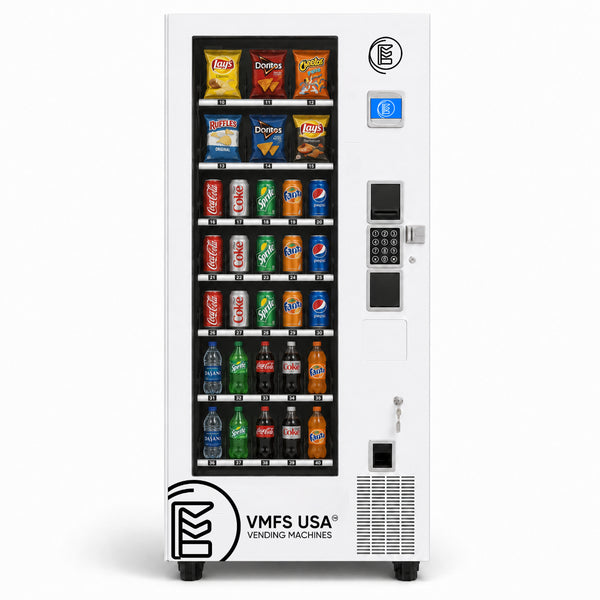
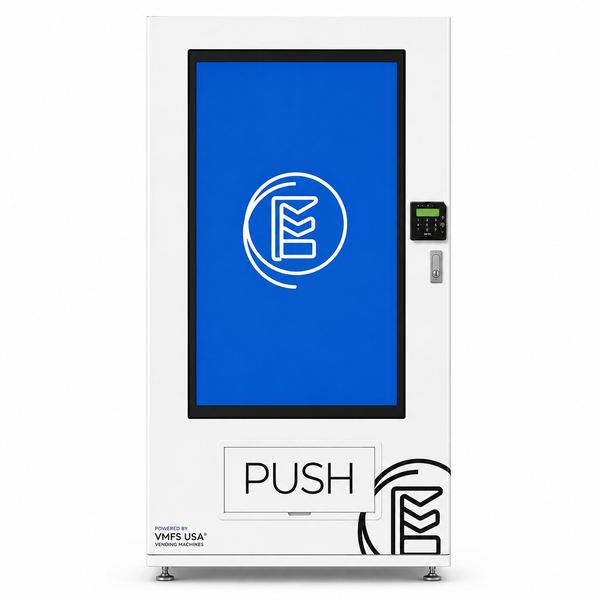
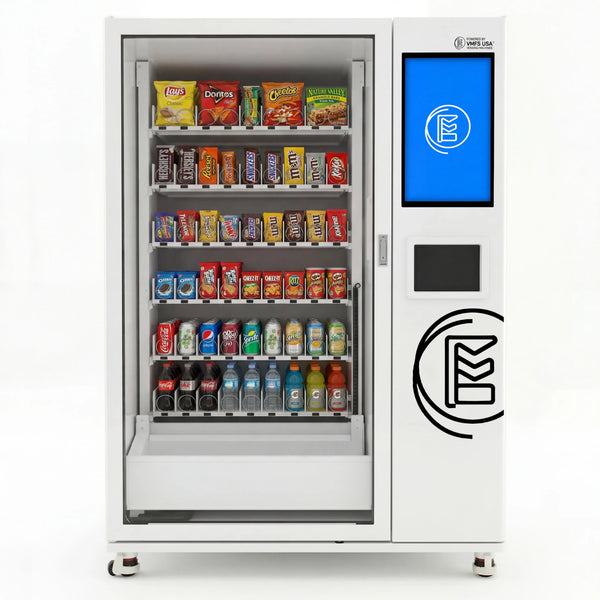
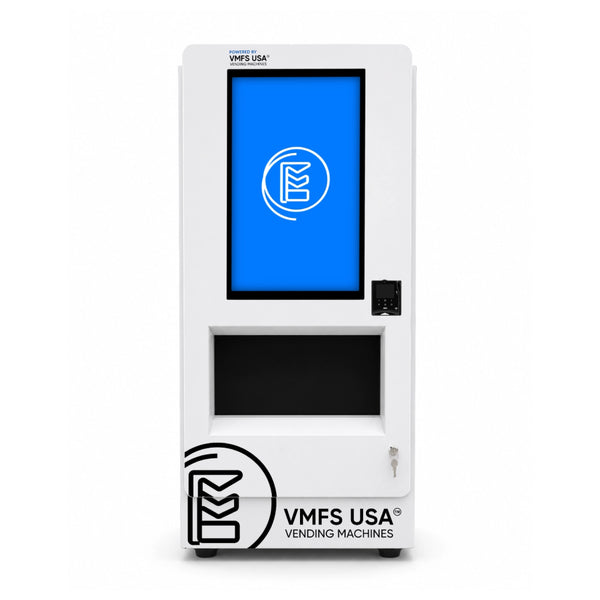
Elevator Vending Machines Available for Albuquerque
Every unit below ships configured, compliance-ready, and backed by VMFS Cloud monitoring.
How Operators Use Elevator Vending in Albuquerque
Hotel Corridor
Albuquerque's Old Town district and downtown properties including Albuquerque Marriott and Hyatt Regency draw leisure and business travelers year round. Elevator units stock premium snacks, chilled beverages, single serve wine, craft sodas, and mobile phone chargers. Gentle elevator delivery protects glass bottles and delicate electronics that would crack or shatter in traditional coil machines, preserving inventory integrity and guest satisfaction. Hotel guests spend 30 to 50 percent above retail and operators capture reliable revenue through property revenue share agreements during peak tourism seasons.
Medical Facility Break Room
Presbyterian Hospital and University of New Mexico Hospital maintain 24 hour operations requiring constant staff refreshment across shifts. Machines stock protein bars, electrolyte drinks, fresh salads in sealed containers, kombucha, and caffeine products tailored to medical professionals working irregular hours. Elevator delivery protects fresh food containers and glass beverage bottles from the crushing forces of coil mechanisms, preventing spoilage and damage that undermines product quality. Medical facilities value reliable vending access during off hours when cafeterias close, and operators earn steady per unit revenue from high turnover and staff convenience demands.
Arts And Culture Venue
The KiMo Theatre, National Hispanic Cultural Center, and Albuquerque Museum draw steady foot traffic from residents and tourists attending performances and exhibits. Machines stock specialty snacks, premium beverages, candy, and light refreshments positioned near box offices and gallery spaces. Elevator units preserve fragile packaging and glass bottles during gentle placement, preventing breakage that damages margins and creates guest complaints in high traffic cultural spaces. Venues benefit from concession revenue options and expanded customer amenities that enhance the visitor experience and generate shared income.
Outdoor Recreation Hub
Kirtland Air Force Base fitness facilities, Sandia Peak Tramway terminus, and active outdoor recreation centers attract health conscious users throughout the year. Machines stock protein bars, recovery supplements, electrolyte powders, fresh water, and performance nutrition tailored to athletes and hikers. Gentle elevator delivery protects fragile supplement bottles and protein bar packaging from damage caused by coil machine forces, preserving inventory value and customer trust. Recreation users depend on convenient nutrition options, and operators achieve high velocity sales from members and visitors with strong willingness to pay premium prices for functional products.
What Ships With Every Elevator Unit
Regulations for Operating in Albuquerque, NM
Licensing, permits, sales tax, and health department standards for elevator vending operators in New Mexico.
State License Requirements
In New Mexico, vending machines are primarily regulated by the New Mexico Environment Department, Public Health Bureau, Food Safety Division. Machines that dispense potentially hazardous foods (foods requiring refrigeration, hot foods, or foods with time-temperature control for safety) require a food-service license. Machines vending only shelf-stable snacks, candy, beverages, and non-potentially-hazardous items may be exempt from food licensing depending on contents. Operators must register for a New Mexico Gross Receipts Tax (GRT) identification number with the New Mexico Taxation and Revenue Department. No statewide vending operator license exists; licensing is activity-specific. All vending businesses must establish a business entity (LLC, corporation, or sole proprietorship) and obtain a Federal Employer Identification Number (EIN). Tobacco products require a separate tobacco tax stamp and license from the Taxation and Revenue Department. Alcoholic beverages cannot be dispensed from unattended vending machines in New Mexico. Water, ice, and other commodity-specific vending follow standard GRT rules. Food service licenses renew annually.
City and County Permits
Albuquerque requires a Business License from the City of Albuquerque Environmental Health Department before operating any vending machine. A Certificate of Use or conditional use permit may be required depending on location and zoning classification; contact the City of Albuquerque Planning Department to verify zoning compliance. Fire safety inspection and clearance may be required for machines in certain locations, administered by the Albuquerque Fire Department. Bernalillo County does not impose separate vending permits if city requirements are met, but operators should verify with the Bernalillo County Environmental Health Department. No special coin-operated machine declaration is required in Albuquerque. The City of Albuquerque Business License renews annually; late renewal incurs penalties. Renewal reminders are typically mailed 30 days prior to expiration. Contact the City of Albuquerque Environmental Health Department at 311 or the Planning Department for permit specifics and renewal deadlines.
Sales Tax Rate
The combined sales tax rate in Albuquerque, New Mexico is 8.3125 percent, consisting of the state gross receipts tax rate of 5.125 percent plus the City of Albuquerque surtax of 3.1875 percent (which includes local option gross receipts tax). All food and beverage items sold from vending machines are subject to gross receipts tax unless specifically exempted. Most snacks, candy, and beverages are fully taxable. Food products that qualify as groceries under specific New Mexico definitions may have reduced or different tax treatment; operators should verify product classification with the Taxation and Revenue Department. Operators must register with the New Mexico Taxation and Revenue Department and file monthly or quarterly gross receipts tax returns. Remote sellers (out-of-state vending operators) with economic nexus to New Mexico (generally sales of $100,000 or more in a 12-month period) must register and remit.
Health Department Standards
The New Mexico Environment Department, Public Health Bureau, Food Safety Division establishes state-level health standards for vending machines dispensing food. All machines must have cleanable, non-absorbent surfaces; accurate thermometers if storing potentially hazardous foods; and automatic shutoff or temperature monitoring for refrigerated units. Machines must be screened or enclosed to prevent contamination and positioned to prevent overhead leakage, water intrusion, and condensation damage. Placement requires a clean, well-drained floor or support surface; machines cannot rest on wet, muddy, or unsealed ground. Operators must date-mark perishable items, ensure label visibility, and maintain a current product inventory. The Albuquerque Environmental Health Department conducts unannounced inspections of food vending machines. Additional oversight may apply if machines are placed in schools, healthcare facilities, or government buildings; contact the respective facility for requirements. Albuquerque's semi-arid climate with low humidity and temperature extremes (summer heat exceeding 95 degrees Fahrenheit, winter lows near freezing) requires machines with robust climate control, sealed gaskets, and drainage systems to protect products and equipment. VMFS elevator machines deployed in Albuquerque ship with climate-appropriate sealing, insulation, and drainage specifications meeting New Mexico health standards.
Disclaimer
Regulatory information is for reference only and current as of 2026. Operators should verify current requirements with the relevant agency before deployment. VMFS USA is not a legal or tax advisor.
Albuquerque at a Glance
Geographic Identity
- County
- Bernalillo County
- Metro Area
- Albuquerque, New Mexico
- Time Zone
- America/Denver (Mountain Time)
- Area Codes
- 505
- ZIP Codes
- 87101 to 87199, 87121 to 87123
- Primary Airport
- ABQ Albuquerque International Sunport
- Secondary Airport
- None
- Major Port
- None
- Nickname
- The City of Albuquerque
Market Stats
- City Population
- 125,490
- Metro Population
- 0.92 million
- Annual Visitors
- 1.1 million (2023)
- Visitor Economy
- None
- Airport Passengers
- 5.2 million annual travelers through ABQ
- Hospitality Jobs
- None
- Top Industries
- Healthcare, Government and Military, Aerospace and Defense, Tourism and Hospitality, Retail Trade, Real Estate
- Demand Driver
- Strong year round tourism driven by cultural attractions, outdoor recreation, and significant military and government employment through Kirtland Air Force Base and Sandia National Laboratories.
Climate Profile
- Climate Zone
- High Desert
- Average Humidity
- 25 to 45 percent year round
- Summer High
- 92 degrees Fahrenheit or higher from June through August
- Winter Low
- 32 degrees Fahrenheit, regularly below freezing December through February
- Seasonal Hazard
- None
- Environmental Exposure
- High desert aridity and blowing dust require dust sealed panel construction and protected intake vents to prevent particulate damage to electronics and cooling systems.
- Deployment Note
- Albuquerque's high desert climate demands dust sealed electronics, protected ventilation systems, and standard weatherproofing for outdoor vending units. Winter freeze cycles require drain management and protection against condensation in heated cabinets. VMFS ships all Albuquerque outdoor units with dust sealed panels, sealed electronics, and enhanced drainage specifications as standard.
Location & Service Area
- Key Neighborhoods
- Northeast Heights, Old Town, Downtown, University District, Nob Hill, South Valley, West Side, Journal Center, Sandia Foothills, Rio Rancho Boulevard, Uptown, Alameda
- Nearby Cities
- Rio Rancho, Santa Fe, Bernalillo, Corrales, Los Lunas, Estancia, Moriarty, Belen
- Service Radius
- VMFS delivers, installs, and services machines throughout Bernalillo County, with extended coverage to Santa Fe and Valencia counties on request.
Your Location. Working 24/7.
Answers to common questions from Albuquerque operators. Didn't see yours? Send us a message — our US-based team responds within one business day.
How does revenue sharing work, and when does the property owner receive payment?
What products go into machines placed at venues like Kirtland Air Force Base contractors, medical offices, or retail shops in Uptown?
How often does the route operator visit to restock and empty the machine?
What space and electrical requirements does a machine need, and who handles installation?
What happens if the machine breaks down, and how quickly does the operator respond?
How does the machine accept payment in Albuquerque, and does it handle both card and cash transactions?
Does the machine's performance vary with Albuquerque's dry climate and seasonal tourism fluctuations near Old Town and the Plaza?
Does the property owner need to provide ongoing oversight, restocking supplies, or coordinate with the operator?
Are there specific neighborhoods in Albuquerque where machine placement performs better?
What contractual terms and insurance coverage does the property owner need to know?
How does the operator handle seasonal demand changes tied to Kirtland Air Force Base operations, UNM academic calendars, and tourist traffic?
What happens if sales are lower than expected at a particular location?
Does the machine require special handling for Albuquerque water quality or mineral deposits in the cooling system?
Are there restrictions on product types based on Albuquerque regulations or venue policies?
How does placement at industrial facilities, office parks, or medical offices near Journal Center differ from retail venues?
What is the typical timeline from initial inquiry to machine placement and first revenue payment?
Does the operator adjust inventory based on real-time sales data or only during scheduled visits?
What happens if the property owner needs to terminate the placement agreement?
Are there audit or verification procedures so the property owner knows reported revenue is accurate?
Does the operator service machines at venues near Kirtland Air Force Base, and are there security or compliance requirements?
How does the machine perform during Albuquerque's summer monsoon season and winter temperature drops?
What product selection works best for venues near UNM campus versus medical office clusters?
Does the operator handle all compliance with Albuquerque zoning, health codes, and local vending ordinances?
What distinguishes premium vending service from standard machine placement in Albuquerque?
How does the operator forecast revenue potential before placing a machine at a specific Albuquerque location?
Does the machine require dedicated climate control in Albuquerque, or can it operate in a garage or outdoor location?
What is the property owner's liability if a customer is injured by the machine or becomes ill from a product?
How quickly can the operator deploy multiple machines across different Albuquerque neighborhoods or venue types?
Does the operator adjust pricing or product selection if sales decline seasonally, such as during slower summer months at office parks?
What happens if the machine malfunctions and cannot dispense products, and how long does repair take?
Are there differences in revenue potential between machines placed at busy retail shops in Uptown versus quieter office parks in Journal Center?
How does the operator source products, and can the property owner request specific brands or items?
What promotional activities or seasonal adjustments does the operator implement at Albuquerque locations?
Does the operator provide a written report showing sales, revenue share calculations, and payment details?
How does the machine payment system work if internet connectivity is intermittent at a remote industrial facility in Albuquerque?
What is the minimum revenue threshold before the property owner receives a payment, and are there monthly minimums?
Can the operator place multiple machines at a large facility or office park in Albuquerque?
Does the operator service machines during Albuquerque's peak tourist seasons, particularly near Old Town and the Plaza?
What product freshness and quality standards does the operator maintain?
How does the operator handle cash versus cashless payment adoption in Albuquerque?
Is there an initial setup fee, deposit, or equipment cost to the property owner?
What happens if the property owner wants to relocate the machine to a different area of the building or facility?
Does the operator provide performance data that property owners can use for decision-making?
What insurance or bonding protects the property owner if the operator fails to service the machine or goes out of business?
Can the operator place machines at hospitality venues like hotels, restaurants, or entertainment venues in Albuquerque?
How does the operator source specialty or local Albuquerque products, and what is the process for product requests?
What happens during maintenance windows or planned downtime when the machine is offline for servicing?
Does the property owner need to notify the operator if venue operations change, such as reduced hours or temporary closure?
What is the process if the property owner disputes a revenue calculation or sales report?
How does the operator handle product recalls or safety issues affecting items in machines?
Does the machine track customer preferences or purchase patterns that benefit the property owner?
What warranty or guarantee does the operator provide on machine performance and uptime?
How does the operator balance profitability with fair revenue sharing for property owners?
What environmental or sustainability practices does the operator implement in Albuquerque operations?
Does the operator adjust service based on weather conditions in Albuquerque such as heavy snow or extreme heat?
How does the operator support property owners in understanding revenue and preparing for payment receipt?
Deploy Elevator Vending Machines in Albuquerque, NM Today
Request a custom quote today for your location in Albuquerque, and we handle machine selection, delivery, configuration, and ongoing support from start to finish. Every deployment begins with a site assessment covering foot traffic patterns, product mix strategy, power and network requirements, and compliance logistics specific to your venue. Whether you need a single unit in a boutique hotel downtown or a rollout of 40 or more machines across a major medical center or university housing complex, your quote includes hardware, installation, staff training, and 12 months of cloud monitoring at no extra cost.
Deploy Elevator Vending Across Albuquerque
1,200+ machines deployed. 1-year warranty standard. Free lifetime support. One team from site survey to uptime.