


Coffee Vending Machines in Charleston, WV
Transform your Charleston workplace with premium automated coffee solutions. Fresh, convenient hot beverages delivered instantly to employees daily.
Stop Guessing. Configure Your Coffee Vending Machine.
Answer a few quick questions about your location, your product mix, your temperature needs, and your budget. Our Coffee Vending System will match you with the right base model, add the right modules (refrigeration, ad screen, outdoor protection, payment suite), and show you real time pricing and lead time as you build.
Skip the back and forth. Skip the spec sheet overwhelm. See your exact configuration, your exact cost, and your exact delivery window before you commit.
- Real time pricing as you add or remove features
- Live lead time estimate based on your configuration
- Recommended product mix for your location type
- Capacity, slot count, and weight limits shown per setup
- Option presets for food, drinks, electronics, retail, and frozen

Why Coffee Vending Machines?
A
coffee vending machine
transforms workplace break rooms across Charleston, West Virginia, delivering café-quality beverages on demand. Our premium bean-to-cup vending machine grinds whole beans fresh for each order, brewing espresso, cappuccino, latte, mocha, americano, decaf, hot chocolate, tea, and 20+ specialty drinks in just 30 to 60 seconds. Whether you need a compact tabletop office coffee machine serving 150 cups daily or our flagship Coffee Pro XL hot drinks vending machine producing 600 cups per day, each machine features 9-bar espresso pressure, 3000W heating power, and an aluminum boiler with continuous temperature control. The programmable self-cleaning system maintains peak performance while the VMFS Cloud dashboard provides real-time sales and inventory tracking. Explore our complete selection of
office coffee machines
to elevate your workplace beverage experience.
Bean-To-Cup Brewing
Built-in grinder freshly grinds 7 to 16 grams of whole beans per order for true cafe-quality espresso, cappuccino, latte, mocha, and 20+ specialty drinks with no pre-ground coffee going stale
High-Capacity Brewing System
Capacity ranges from 150 cups per day on compact tabletop models up to 600 cups per day on the Coffee Pro XL flagship, with brewing time of 30 to 60 seconds per drink
Premium Drink Menu
Espresso, cappuccino, latte, mocha, americano, decaf, hot chocolate, tea selections, and iced coffee on select models, with adjustable strength, cup size, and ingredient ratios for every recipe
Automated Cleaning And Maintenance
Programmable self-cleaning of mixing circuits, product outlets, and grinder; tool-free access to removable parts; aluminum boiler resists scaling for long-term reliability rated for 750,000+ grinder cycles
VMFS Cloud Remote Management
Real-time sales, ingredient stock levels, fault alerts, and remote menu updates stream to the VMFS Cloud dashboard from any device, with U.S.-based support and software updates included
Why Coffee Machines Perform in Charleston, West Virginia
Charleston's robust state government workforce and corporate office concentration in the downtown Capitol Complex and surrounding business districts create ideal conditions for
coffee vending machines
to thrive. Government employees and corporate staff arrive early for morning meetings and experience mid-afternoon energy slumps, generating consistent 24/7 caffeine demand. Bean-to-cup
coffee vending machines
deliver fresh-brewed drinks in 30–60 seconds without requiring barista staffing, perfectly matching Charleston's office culture where break rooms lack on-site cafes. High-volume government buildings easily support machines brewing 150–600 cups daily, while real-time inventory monitoring prevents stockouts during peak hours. With $300–$700 monthly net profit per machine after ingredient costs, Charleston's concentrated government and corporate venue mix represents a lucrative market. Operators seeking optimal placement within Charleston's office parks and government buildings should leverage
professional placement services
to identify high-traffic locations and secure long-term venue contracts.
Best Locations in Charleston
High-value deployment sites where coffee vending delivers the strongest revenue per square foot.
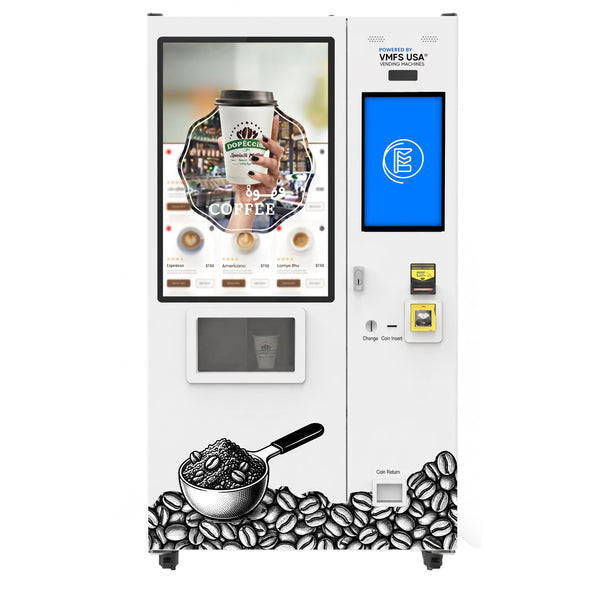
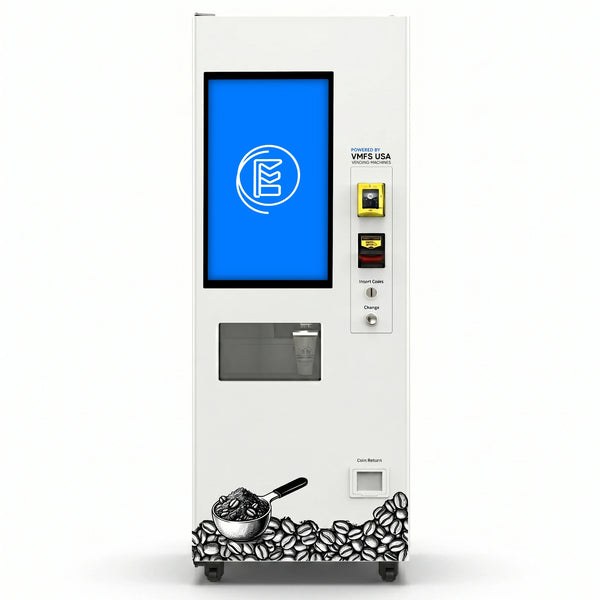
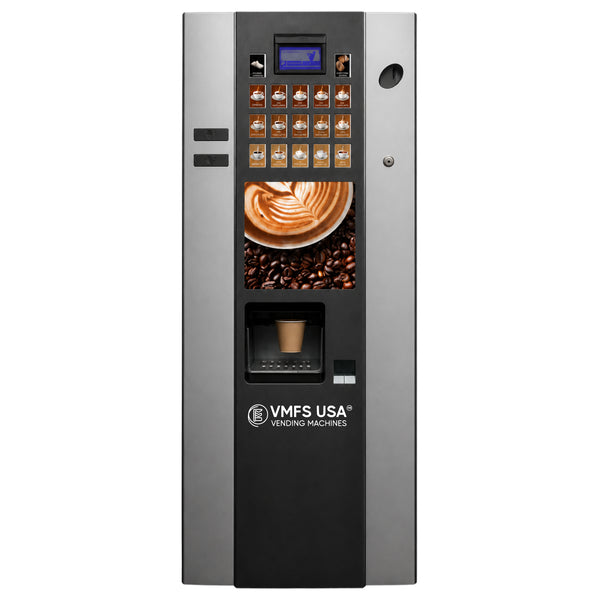
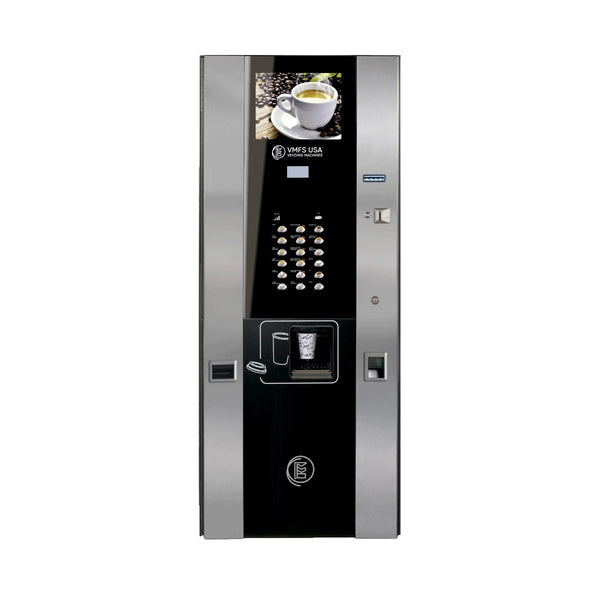
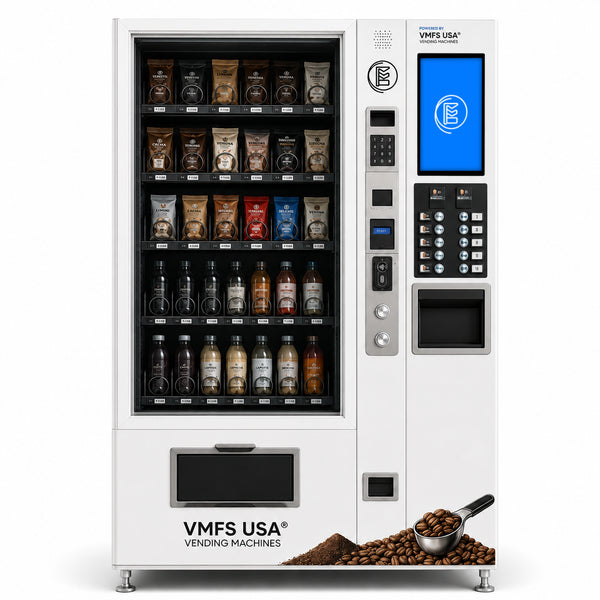
Coffee Vending Machines Available for Charleston
Every unit below ships configured, compliance-ready, and backed by VMFS Cloud monitoring.

How Operators Use Coffee Vending in Charleston
Government Office Breakroom
State Capitol Complex, DHHR headquarters, and Revenue Office locations across Charleston require constant coffee service for staff working extended hours through afternoon shifts. The machine stocks espresso, cappuccino, latte, americano, and hot chocolate to serve rotating employees and visiting contractors. Bean-to-cup coffee vending machines brew fresh cups in 30 to 60 seconds without degradation, and the 150 to 600 cup per day capacity handles sustained demand without daily refilling of ingredient canisters. Government facilities see steady morning and mid-afternoon caffeine purchases from administrative staff, generating $200 to $350 net profit per machine monthly after ingredient restocking costs of $150 to $250.
Hospital and Medical Facility Breakroom
Charleston Area Medical Center and urgent care clinics across the region operate 24/7 with nursing, lab, and support staff working night shifts and back-to-back rotations. The machine stocks freshly brewed coffee, espresso shots, cappuccino, hot chocolate, and tea to keep staff alert during overnight coverage. A coffee vending machine with real-time VMFS Cloud monitoring ensures reliable uptime when medical staff depend on caffeine access outside standard cafeteria hours, and the high-capacity brewing system handles 150 to 600 cups daily without ingredient shortages. Healthcare facilities generate $250 to $400 net profit per machine monthly because staff purchase consistently and the machine runs continuously, justifying ingredient costs of $150 to $300 per refill cycle.
University and College Dormitory
West Virginia State University dormitory common areas and residential halls serve student populations needing 24/7 beverage access during study sessions, exam periods, and late-night social hours. The machine stocks espresso, cappuccino, iced coffee, hot chocolate, and cold lattes at price points students can afford on meal plans and cash purchases. Bean-to-cup coffee vending machines brew quality espresso-based drinks in under a minute, and the tabletop 150 cup per day models fit dormitory spaces while the larger configurations serve student unions and residential commons. University placements generate $200 to $350 net profit per machine monthly because dormitory locations see sustained evening and weekend traffic when campus food services close, making ingredient restocking every 2 to 3 weeks economically viable.
Hotel and Transit Lobby
Charleston hotels, airport terminal waiting areas, and Amtrak station facilities serve transient guests and commuters who expect quick, quality hot beverages during early morning departures and late evening arrivals. The machine stocks premium espresso, cappuccino, latte, americano, and specialty hot chocolate to compete with quick-service coffee chains. Real-time payment processing through credit, debit, Apple Pay, and Google Pay removes checkout friction, and the coffee vending machine operates 24/7 with 600 cup daily capacity to handle guest surges without service interruption. Transit and hospitality locations generate $250 to $400 net profit per machine monthly because guests pay premium pricing for convenience, machine uptime directly impacts guest satisfaction, and ingredient costs remain predictable at $150 to $300 per refill.
What Ships With Every Coffee Unit
Regulations for Operating in Charleston, WV
Licensing, permits, sales tax, and health department standards for coffee vending operators in West Virginia.
State License Requirements
West Virginia's vending machine operations are regulated by the West Virginia Department of Health and Human Resources, Office of Environmental Health and Food Protection. Coffee vending machine operators must obtain a Food Service License from the state to legally dispense hot beverages including coffee, espresso, milk-based drinks, hot chocolate, tea, and iced coffee. This license applies to all machines that prepare or dispense beverages on-site. Operators must register for a West Virginia Sales Tax Account with the West Virginia State Tax Department and obtain an Employer Identification Number (EIN) from the Internal Revenue Service; business entity formation (LLC, corporation, or sole proprietorship) is recommended and must be completed before tax registration. For machines dispensing milk-based espresso drinks, operators must comply with dairy product handling regulations including time-temperature control requirements for milk and milk products, with strict adherence to expiration dating and proper refrigeration standards. All milk-based beverages must include ingredient labeling and allergen disclosure clearly visible on or near the machine, identifying dairy and any nut-based ingredients or potential cross-contamination risks. The Food Service License must be renewed annually, and late renewal carries potential penalties ranging up to license suspension; operators should initiate renewal at least 60 days before expiration.
City and County Permits
Charleston, West Virginia requires vending machine operators to obtain a City Business License from the Charleston Business and Licensing Department prior to operation. Operators must secure a Certificate of Use indicating the machine complies with local zoning regulations; Charleston zoning code restricts vending machines in certain residential and historic districts, so site verification is essential before placement. Fire Safety compliance is mandatory, and machines must be positioned to allow clear egress and not obstruct fire suppression equipment or emergency exits. A Fire Safety Inspection may be required, particularly for machines placed in commercial buildings, schools, or healthcare facilities. Kanawha County does not impose a separate county vending machine permit but may require additional certificates for machines placed in county-operated facilities or certain public venues. Operators should verify zoning compliance with the City of Charleston Planning and Zoning Department and confirm fire code compliance with the Charleston Fire Marshal's Office; machines in schools, hospitals, or government buildings may trigger secondary inspections and compliance requirements specific to those institutions. Business License renewal occurs annually, typically in the calendar year following initial issuance, with late penalties assessed by the city. Contact the Charleston Business and Licensing Department at 304-348-6860 for current application requirements and fees.
Sales Tax Rate
The combined sales tax rate in Charleston, West Virginia is 6 percent, comprised of the state rate of 6 percent with no additional county or city surtax applied. Hot beverages prepared on-site by a vending machine, including freshly brewed coffee, espresso, and milk-based espresso drinks, are classified and taxed as prepared food rather than packaged beverages, making them subject to the full 6 percent sales tax rate. Packaged or pre-made beverages sold through vending machines may receive different tax treatment depending on whether they are considered prepared food or a retail sale of goods; operators should clarify the tax classification of each beverage type with the West Virginia State Tax Department. Operators must register with the State Tax Department, collect 6 percent sales tax on all taxable beverage sales, and remit tax monthly or quarterly depending on sales volume; thresholds and filing frequencies are determined at registration. Out-of-state operators with no physical nexus in West Virginia are not required to register or remit West Virginia sales tax unless they engage in regular, systematic sales within the state. Operators with questions on tax classification or remittance schedules should contact the West Virginia State Tax Department directly.
Health Department Standards
The West Virginia Department of Health and Human Resources, Office of Environmental Health and Food Protection sets statewide health and safety standards for all hot beverage vending machines. Machines must maintain boiler temperatures at a minimum of 180 degrees Fahrenheit for hot water dispensing and must include continuous temperature control systems to prevent scalding and bacterial contamination. All food contact surfaces, including nozzles, dispensing lines, and internal water pathways, must be made of food-grade materials (typically stainless steel or approved plastics) and be cleanable and corrosion-resistant. Machines must feature automatic shut-off mechanisms after a set idle period to conserve energy and reduce burn hazards, and programmable self-cleaning or sanitization cycles are strongly recommended to maintain hygiene between restocking visits. Placement rules require machines to be located in areas with adequate ventilation, protection from contaminants, and where condensation or spills will not create slip hazards or damage electrical systems. Operational requirements mandate that operators date-mark all perishable ingredients, particularly powdered milk and dairy products used in milk-based espresso drinks, and discard expired items immediately; label visibility must be maintained on all ingredient displays and allergen warnings. Unannounced inspections by state health inspectors are standard practice, typically occurring at least annually, with more frequent inspections for machines in high-risk venues such as schools, hospitals, and government buildings. Secondary local health oversight applies to machines placed in Charleston schools (Kanawha County Schools Health Office approval), healthcare facilities (facility infection control or dietary departments), and city government buildings (Charleston Health Department coordination). Charleston's humid subtropical climate requires machines to include condensation management and drainage features to prevent mold or bacterial growth in internal water systems. VMFS USA coffee vending machines deployed in Charleston ship with aluminum boiler featuring continuous temperature control and energy-saving design, compliant with all West Virginia and local health standards, and include a 1-year standard warranty with extended coverage options available.
Disclaimer
Regulatory information is for reference only and current as of 2026. Operators should verify current requirements with the relevant agency before deployment. VMFS USA is not a legal or tax advisor. For operator-side legal guidance covering placement contracts, host venue agreements, documentation, business incorporation, tax registration, licenses, and permits, operators can consult <a href="https://vadviced.com">VAdviced</a>. For professional placement and location matching support, operators can work with <a href="https://vplaced.com">VPlaced</a>.
Charleston at a Glance
Geographic Identity
- County
- Kanawha County
- Metro Area
- Charleston, WV Metropolitan Statistical Area
- Time Zone
- America/New_York (Eastern Time)
- Area Codes
- 304
- ZIP Codes
- 25301 to 25329
- Primary Airport
- CRW Yeager Airport
- Secondary Airport
- None
- Major Port
- None
- Nickname
- None
Market Stats
- City Population
- 36,404
- Metro Population
- 0.67 million
- Annual Visitors
- None
- Visitor Economy
- None
- Airport Passengers
- 2.3 million annual travelers through CRW
- Hospitality Jobs
- None
- Top Industries
- Government and Administration, Healthcare, Education, Manufacturing, Retail Trade
- Demand Driver
- Government employment through state capital operations and federal offices drives steady local economic activity and workforce demand.
Climate Profile
- Climate Zone
- Humid Subtropical
- Average Humidity
- 60 to 75 percent year round
- Summer High
- 85 to 90 degrees Fahrenheit with moderate humidity from June through August
- Winter Low
- regularly below freezing, indoor placements recommended during winter months
- Seasonal Hazard
- Severe Thunderstorms and Flooding, March to September
- Environmental Exposure
- River flooding risk in low lying areas near the Kanawha River, requiring elevated mounting for ground floor placements
- Deployment Note
- Charleston experiences humid subtropical conditions with summer heat, winter freezes, and spring through fall severe weather. Outdoor vending units require weatherproofed housings, sealed electronics, and enhanced drainage systems to manage humidity and flooding risk. VMFS ships all Charleston outdoor units with these specifications standard.
Location & Service Area
- Key Neighborhoods
- Downtown Charleston, East End, West End, Kanawha City, Clendenin, Cabin Creek, Marmet, South Charleston, Dunbar, Belle, Alum Creek, Nitro
- Nearby Cities
- South Charleston, Dunbar, Nitro, Belle, Marmet, Clendenin
- Service Radius
- VMFS delivers, installs, and services machines throughout Kanawha County, with extended coverage to Putnam and Boone counties on request.
Your Location. Working 24/7.
Answers to common questions from Charleston operators. Didn't see yours? Send us a message — our US-based team responds within one business day.
How much net profit can a property owner expect monthly from hosting a coffee vending machine in Charleston, WV?
What payment methods does the bean-to-cup vending machine accept and how does contactless payment work in Charleston venues?
How often does a coffee vending machine require restocking and maintenance in a busy Charleston location?
What electrical requirements and space does a bean-to-cup coffee machine need at a Charleston property?
Are there specific product selections that work best for Charleston's morning rush and afternoon coffee demand patterns?
What should property managers know about placement contracts, revenue sharing, and local licensing for vending machines in Charleston?
Deploy Coffee Vending Machines in Charleston, WV Today
Request a custom quote today for
coffee vending machines
at your Charleston location, and we handle machine selection, delivery, configuration, and ongoing support across your property. Every deployment starts with a site assessment covering foot traffic patterns, drink menu balance across espresso, cappuccino, latte, and specialty hot drinks, ingredient canister capacity and power requirements, network requirements for the cloud platform, and placement strategy can be coordinated through our
placement experts
for operators wanting professional location matching, with high-foot traffic offices, hotels, and hospital lobbies prioritized to maximize daily cup volume. Your quote covers a single unit in a small office breakroom or a rollout of 30 or more machines across a larger hospital system, hotel chain, or university campus in Charleston, and includes hardware, installation, training, and 12 months of cloud monitoring at no extra cost.
Deploy Coffee Vending Across Charleston
1,200+ machines deployed. 1-year warranty standard. Free lifetime support. One team from site survey to uptime.