





Diseñe la solución de vending perfecta para su ubicación y clientes.

Únete al boletín de VMFS y forma parte de una red próspera dedicada al éxito colectivo.
Un registro. Posibilidades infinitas.
Las mejores ubicaciones de venta comparten las mismas características: tráfico constante, largos tiempos de permanencia y compradores que buscan comodidad en el lugar. Tras analizar el rendimiento en diversas propiedades, tres tipos de ubicaciones siguen superando a todas las demás categorías. Estos lugares generan ingresos predecibles mes tras mes y ofrecen a los operadores una base sólida para construir una ruta de venta rentable.
Esta guía explica por qué estas ubicaciones funcionan tan bien, qué compra la gente en cada entorno y qué tipos de máquinas son las más adecuadas. Está dirigida a cualquier emprendedor de máquinas expendedoras que busca resultados fiables y comprobados, en lugar de especular. Si aún está aprendiendo a montar un negocio de máquinas expendedoras , nuestra Guía Básica para el Negocio de Máquinas Expendedoras y nuestro Servicio de Búsqueda de Ubicaciones de Máquinas Expendedoras pueden ayudarle a encontrar ubicaciones de máquinas expendedoras de alto rendimiento y rentables.
Estas son las tres ubicaciones que continuarán liderando la industria en 2025.
Las salas de urgencias y los hospitales veterinarios se encuentran entre los mejores lugares para vender, ya que generan un flujo constante de clientes. La gente rara vez acude sola a estas instalaciones. Los padres traen a sus hijos, los familiares acompañan al paciente y los dueños de mascotas suelen llegar en grupos. Esto genera más compradores en el vestíbulo a cualquier hora del día.
Estos lugares también tienen largos tiempos de espera. Los pacientes llenan formularios, esperan pruebas o realizan evaluaciones. Los hospitales veterinarios suelen tener demoras aún mayores porque las emergencias tienen prioridad. Durante estas largas esperas, los visitantes suelen permanecer dentro del edificio sin nada más que hacer, lo que aumenta la probabilidad de que compren refrigerios o bebidas.
El estrés también juega un papel importante. Los visitantes se sienten ansiosos por un problema médico o preocupados por una mascota. Las personas compran más cuando están estresadas. A menudo buscan refrigerios reconfortantes, bebidas o algo para mantener a sus hijos entretenidos. Este comportamiento de compra emocional impulsa los ingresos constantes de las máquinas expendedoras.
Los operadores reportan cifras sólidas en estas instalaciones. El ingreso promedio por máquina suele oscilar entre $1200 y $1800 al mes . Algunos centros superan los $1500 al mes de forma constante. Estas cifras coinciden con el rendimiento observado en muchos centros de urgencias y hospitales veterinarios que operan hasta la noche o las 24 horas.
Las compras de personal también impulsan los ingresos. Las enfermeras y los técnicos veterinarios nocturnos dependen de bebidas energéticas y refrigerios rápidos para superar los largos turnos. Compran Monster, Gatorade, pasteles y bebidas embotelladas durante el día y la noche. Esto genera una fuente de ingresos adicional que muchos operadores pasan por alto.
Los centros médicos ambulatorios venden una combinación de artículos de confort y prácticos. Dos grupos de productos dominan las ventas.
Estos artículos funcionan bien tanto en urgencias como en hospitales veterinarios. La demanda se mantiene constante porque los visitantes buscan comodidad y conveniencia en situaciones de estrés.
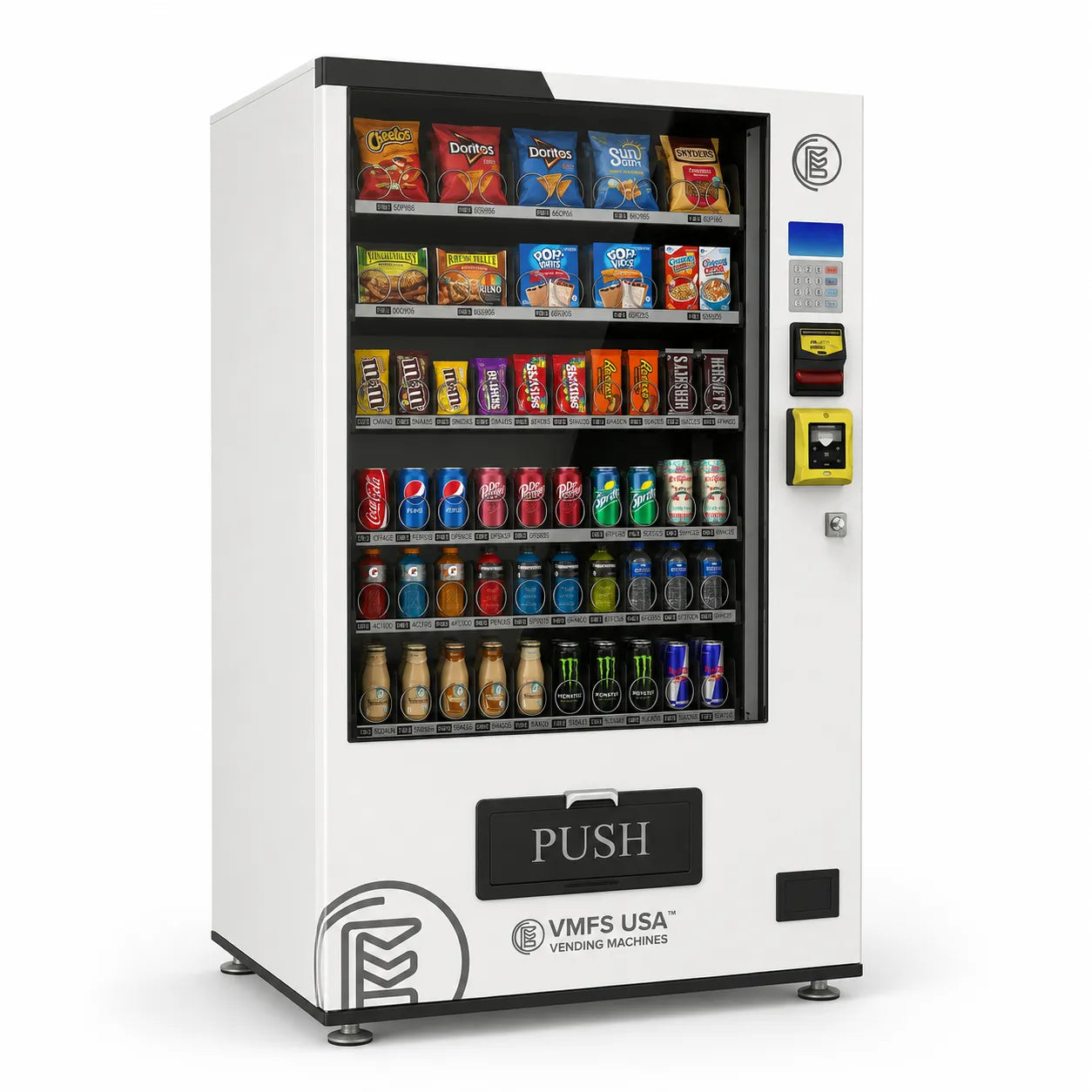
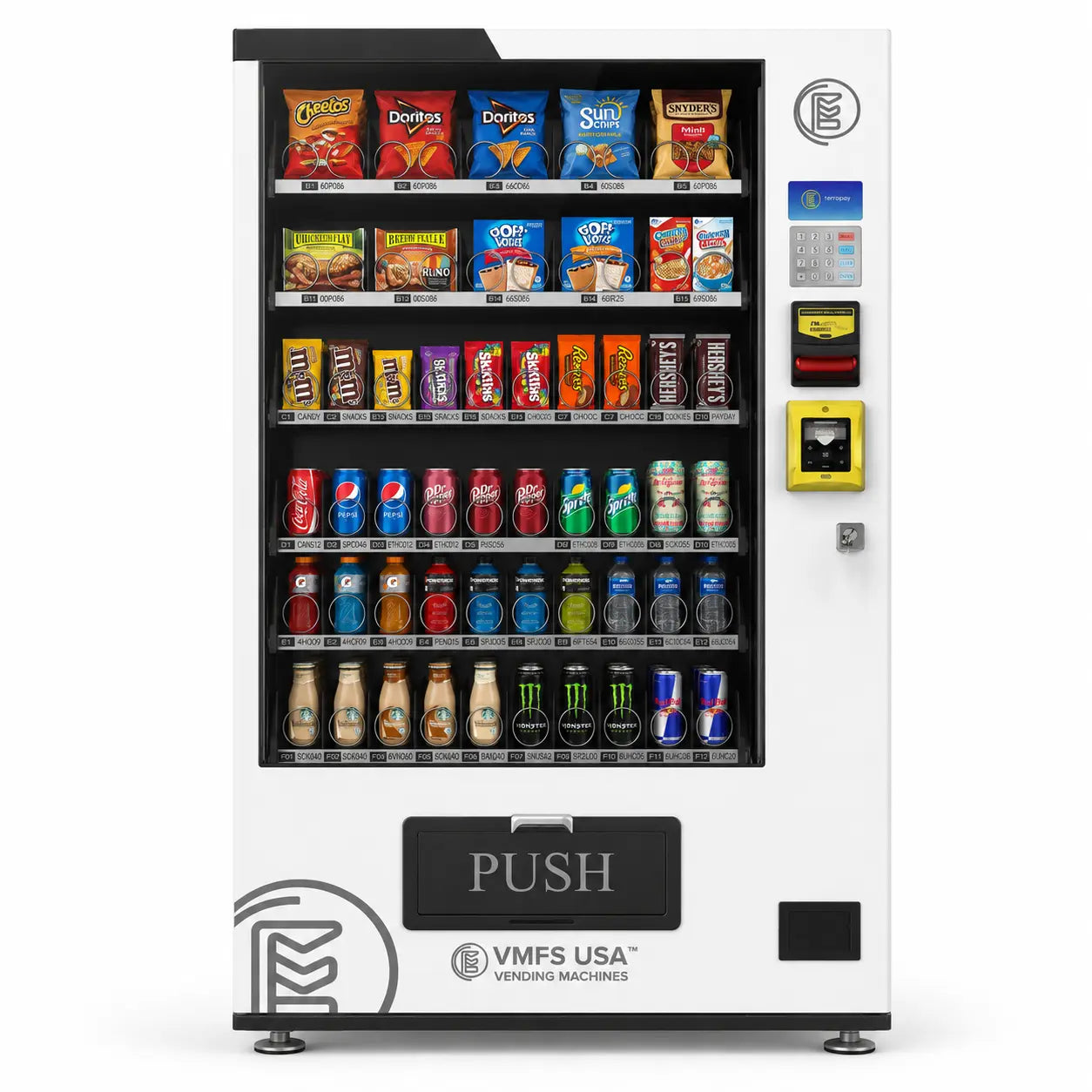
La mayoría de los operadores instalan máquinas expendedoras combinadas porque ofrecen refrigerios y bebidas en un solo espacio. Cuando el espacio lo permite, también instalan una máquina expendedora de bebidas o refrigerios para mayor capacidad.
En sitios de alto rendimiento, añadir una máquina expendedora de medicamentos de venta libre (OTC) aumenta las ganancias. Estas máquinas pueden vender analgésicos, toallitas, mascarillas y pequeños artículos de primeros auxilios. Estos productos se agotan rápidamente en las clínicas porque resuelven problemas inmediatos de los pacientes.
Los gerentes responden bien cuando presentas tu servicio como una comodidad, no como un negocio lucrativo. La mayoría de los centros de urgencias y hospitales veterinarios tienen poco personal. No quieren que se les añadan más tareas. Cuando explicas que te encargas del almacenamiento, el mantenimiento y el servicio, ven la máquina como un beneficio para los pacientes y el personal.
Este estilo de lanzamiento funciona bien:
Debido a que estos lugares valoran la conveniencia por encima de las comisiones, muchos operadores aseguran estos sitios con poca o ninguna participación en los ingresos.
Los centros médicos ambulatorios no sufren bajadas de actividad estacionales. Operan los siete días de la semana y atienden un tráfico constante durante todo el año. Esta estabilidad los diferencia de las residencias para estudiantes o las oficinas, que tienen baja afluencia los fines de semana o durante los meses de verano.
Muchos operadores tratan los centros de atención de urgencia y los hospitales de mascotas como lugares de referencia en sus rutas porque los ingresos se mantienen estables incluso cuando otras propiedades caen.
Estas instalaciones generan valor a largo plazo. Si alguna vez decide vender su ruta de venta, un centro médico ambulatorio que genere alrededor de $1,500 al mes puede venderse por un múltiplo de aproximadamente 1x de los ingresos anuales o más. Esto significa que un local que genere $18,000 al año se convierte en un activo valioso que puede incluir en la venta de una ruta.
Los operadores han vendido rutas pequeñas con algunas instalaciones médicas sólidas por $90,000 o más . Estas ubicaciones atraen a los compradores porque generan un flujo de caja estable, requieren poco personal del centro anfitrión y ofrecen una demanda constante durante todo el año.
Las salas de urgencias y los hospitales veterinarios combinan largos tiempos de espera, tráfico constante, compras emocionales y una demanda constante de personal. Esto los convierte en una de las oportunidades de venta más sólidas en 2025. Generan ingresos estables, requieren menos negociación y generan valor a largo plazo para cualquier emprendedor de máquinas expendedoras.
Las propiedades residenciales son algunos de los lugares más rentables para las máquinas expendedoras, ya que los residentes viven en el lugar las 24 horas del día. Los apartamentos, las residencias estudiantiles y los centros para personas mayores ofrecen un flujo constante de clientes a cualquier hora. La gente no necesita conducir hasta una tienda, buscar aparcamiento ni esperar a que le entreguen el pedido. La comodidad de tener una máquina a solo unos pasos genera ventas sólidas y constantes.
Otra gran ventaja es el precio. A los residentes les sale más barato comprar artículos con precio elevado en una máquina expendedora que pedirlos a través de aplicaciones de reparto. Esta simple diferencia de precio impulsa las compras frecuentes por la noche y los fines de semana, especialmente en edificios con residentes jóvenes o familias ocupadas.
Estas ubicaciones pueden generar cifras impresionantes. Muchos operadores reportan ingresos promedio de $2,500 o más al mes por máquina en grandes propiedades residenciales. Algunos sitios tienen un rendimiento muy superior. Por ejemplo, un complejo de apartamentos con un alto volumen de clientes genera alrededor de $600 al día y se proyecta que alcance los $20,000 en ingresos mensuales con una configuración de mercado único.
Los operadores estudiantiles también han obtenido buenos resultados. Un caso involucró cuatro complejos de apartamentos para estudiantes con un promedio de $5,000 por máquina . Esa pequeña ruta generó más de $20,000 al mes antes de gastos. El atractivo es simple: la gente vive en estos edificios las 24 horas del día, los 7 días de la semana, por lo que las ventas continúan incluso mientras el operador duerme.
Los centros para personas mayores también funcionan bien. Muchos residentes tienen movilidad reducida. Algunos necesitan transporte para ir a una tienda. Por ello, dependen en gran medida de los servicios del centro. Compran refrigerios, bebidas, artículos de higiene y alimentos congelados a lo largo del día, lo que aumenta la rotación de personal.
Los residentes compran una amplia variedad de artículos. Destacan tres grupos de productos.
Las ubicaciones residenciales son adecuadas para varios tipos de máquinas. Las configuraciones más comunes incluyen:
Las máquinas de alimentos congelados superan a muchas otras máquinas en grandes edificios de apartamentos. Los productos congelados ofrecen márgenes de beneficio altos y una mayor vida útil, lo que reduce la pérdida de producto y aumenta las ganancias.
Los administradores de propiedades se centran en las comodidades. Quieren mejorar la experiencia de los residentes sin añadir trabajo a su equipo. Cuando los residentes necesitan artículos como pasta de dientes o cápsulas de detergente, los administradores no quieren que su personal los abastezca tras la recepción. Prefieren dirigir a los residentes a una máquina expendedora o un micromercado.
Presentar su servicio como una comodidad es la estrategia más eficaz. Los gerentes responden bien cuando enfatiza:
Muchas propiedades residenciales tienen requisitos de comisión mínimos o nulos porque las máquinas reducen la carga de trabajo del personal y aumentan la satisfacción de los residentes.
Los edificios residenciales no pierden actividad los fines de semana ni los días festivos. Los residentes se quedan en casa, se relajan y compran a cualquier hora. Muchos operadores registran mayores ventas los fines de semana porque la gente pasa más tiempo en las zonas comunes o gimnasios dentro de la propiedad.
Los centros para personas mayores muestran una demanda aún mayor. Los residentes pasan la mayor parte del tiempo dentro del edificio y dependen en gran medida de los servicios del centro para sus necesidades diarias. Sus rutinas constantes generan ventas predecibles todos los días.
A diferencia de las oficinas o escuelas que luchan con los patrones estacionales, los apartamentos y los centros para personas mayores mantienen ingresos estables durante todo el año.
Las propiedades residenciales también aportan valor a largo plazo a una ruta de venta. Los edificios de alto rendimiento pueden venderse por múltiplos considerables. Algunos operadores obtienen entre 24 y 36 veces su beneficio mensual al vender un micromercado o una instalación completa a otro vendedor. Estas propiedades atraen a los compradores porque el tráfico peatonal está integrado, la demanda se mantiene estable y los residentes compran a diario.
Un operador vendió una ruta pequeña con cuatro complejos de apartamentos para estudiantes por $96,000 . El comprador pagó por estabilidad, tráfico peatonal diario e ingresos predecibles.
Las propiedades residenciales destacan porque los residentes viven en el lugar, compran a cualquier hora y prefieren la comodidad a los desplazamientos o la entrega a domicilio. Estos edificios permiten establecimientos de refrigerios, bebidas, congelados y micromercados con sólidos márgenes. Ofrecen estabilidad durante todo el año, un alto potencial de ingresos y una excelente rentabilidad a largo plazo para cualquier emprendedor de máquinas expendedoras.
Los almacenes multiturno se encuentran entre los mejores lugares para la venta de máquinas expendedoras, ya que tienen un tráfico constante de personas. Estos edificios operan con horarios rotativos que abarcan turnos de madrugada, mediodía, tarde y noche. Cada turno trae una nueva generación de empleados que dependen de la comida y las bebidas rápidas para sobrellevar las largas jornadas laborales.
Los trabajadores en estos entornos consumen mucha energía. Caminan, levantan, mueven productos y permanecen de pie la mayor parte del día. Esto genera una demanda constante de refrigerios, bebidas, comidas congeladas y suplementos energéticos. Los almacenes también limitan la distancia que los empleados pueden recorrer durante los descansos. Muchos no pueden salir del edificio, por lo que una máquina expendedora o un micromercado se convierte en la única opción conveniente.
Estas propiedades admiten varios ciclos de compra. El turno de mañana compra productos para el desayuno al comienzo del día. El turno de mediodía compra almuerzos, refrigerios y bebidas hidratantes. El turno de noche depende en gran medida de bebidas energéticas, pasteles y artículos reconfortantes para mantenerse despierto. Al terminar un turno, el siguiente ya ha llegado, lo que impulsa las ventas durante todo el día.
Esta rotación constante convierte a los almacenes en uno de los pocos puntos de venta donde la demanda se mantiene alta las 24 horas del día. Los operadores suelen observar picos de demanda durante los cambios de turno y los descansos cortos, cuando los empleados necesitan algo rápido.
Los grandes almacenes pueden producir cantidades excepcionales. Muchos operadores reportan ingresos de $5,000 o más al mes por máquina en plantas industriales con mucho tráfico. Estas propiedades suelen superar a los edificios de oficinas tradicionales porque el tráfico peatonal es constante.
Ejemplos reales de operadores muestran patrones consistentes. Los productos más vendidos incluyen bebidas energéticas, bebidas embotelladas grandes, jugo de naranja, pasteles y comidas congeladas. Los artículos con alto contenido calórico y energía rápida tienden a tener un mejor rendimiento porque los trabajadores del almacén buscan algo rápido y que les llene antes de regresar a sus estaciones.
Los almacenes se benefician de múltiples tipos de máquinas debido a la amplia gama de productos. Las configuraciones más comunes incluyen:
La venta de congelados funciona muy bien porque los trabajadores dependen de comidas preparadas para microondas. Las máquinas expendedoras de bebidas también generan una alta rotación de personal debido a la constante demanda de hidratación y energía.
Los gerentes de almacén se centran en las comodidades de los empleados. Quieren que los trabajadores permanezcan en sus instalaciones durante los descansos para que los turnos transcurran sin contratiempos. Al demostrar que sus máquinas expendedoras reducen los viajes fuera de la planta y mantienen a los empleados con energía, los gerentes se muestran mucho más receptivos a la instalación de máquinas.
Los puntos fuertes del enfoque son:
Al igual que las propiedades médicas y residenciales, los almacenes a menudo requieren una comisión baja o nula porque los gerentes valoran la comodidad mucho más que una pequeña participación en los ingresos.
Los grandes almacenes aportan un valor significativo a una ruta de venta. Los compradores buscan propiedades estables, con un alto volumen de ventas y con un tráfico predecible. Una ubicación sólida para un almacén puede generar entre 24 y 30 veces la ganancia mensual gracias a su demanda constante en múltiples turnos.
Los compradores también se preocupan por el mercado potencial total. Si tiene dos almacenes, suele haber entre cinco y diez más en la misma ciudad a los que el comprador puede expandirse. Este potencial de crecimiento aumenta el valor de reventa de su ruta.
Los almacenes multiturno generan algunas de las ventas más sólidas y consistentes de la industria de las máquinas expendedoras. Estas propiedades funcionan con tráfico constante de personas, trabajo físico y descansos limitados, lo que crea las condiciones ideales para las máquinas expendedoras de snacks, bebidas y alimentos congelados. Su demanda durante todo el año y sus fuertes ventas los convierten en la mejor opción para cualquier emprendedor de máquinas expendedoras que busque una ruta de alto rendimiento.
Los centros médicos ambulatorios, las propiedades residenciales y los almacenes con varios turnos se destacan como los tres mejores lugares para la venta de máquinas expendedoras en 2025. Estos establecimientos ofrecen una gran afluencia de clientes, largos tiempos de permanencia y un comportamiento de compra constante durante todo el día. Además, admiten una amplia gama de máquinas, incluyendo máquinas de bebidas, snacks, combos, congelados y micromercados.
Cada tipo de ubicación genera ingresos predecibles porque las personas recurren a la comodidad cuando están estresadas, cansadas, ocupadas o trabajan largas jornadas. Estos patrones brindan a los operadores de máquinas expendedoras ingresos estables y un sólido valor a largo plazo. Las rutas construidas alrededor de estas ubicaciones suelen venderse a precios muy altos porque los compradores saben que la demanda se mantiene constante durante todo el año.
Tanto para operadores nuevos como experimentados, centrarse en sitios de eficacia comprobada es la forma más rápida de construir un negocio de máquinas expendedoras rentable. Si necesita ayuda para encontrar ubicaciones que se ajusten a su ruta, puede utilizar nuestro Servicio de Coincidencia de Ubicaciones . Si está aprendiendo cómo empezar o expandir su negocio, nuestra Guía de Vending 101 le guiará paso a paso.
Concéntrese en propiedades de calidad, máquinas confiables y un servicio constante, y podrá construir una ruta que produzca un flujo de efectivo constante y valor de activos a largo plazo.

Compartir:
Venta de tarjetas coleccionables: tendencias, demografía y crecimiento del mercado
Venta de tarjetas coleccionables: tendencias, demografía y crecimiento del mercado