


El precio no es cuestión de ser el más barato.
Se trata de equilibrar:
- Valor de conveniencia
- Expectativas de ubicación
- Tarifas de procesamiento
- Costo del producto
- Margen de beneficio
Una máquina expendedora es un negocio minorista de conveniencia.
La conveniencia tiene valor.
1. Comprenda su estructura de costos
Antes de fijar los precios, calcule:
- Costo del producto al por mayor
- Tarifas de procesamiento (3,5%–6% + $0,10–$0,25 por transacción)
- Participación en los ingresos (si corresponde)
- Estimación del deterioro
- Costo del tiempo de reposición
Ejemplo:
Costo mayorista de refresco: $0,60
Precio de venta: $1,75
Tarifa de procesamiento (5% + $0,15): ~$0,24
Ingresos netos: ~$1,51
Beneficio bruto: $0,91
Ese es un margen saludable.
2. Rangos de margen objetivo
Para venta estándar:
- Objetivo de margen bruto: 45% – 60%
- Margen neto después de gastos: 30% – 50%
Si su margen cae por debajo del 40% bruto, reevalúe los precios.
3. Precio por tipo de ubicación
Diferentes entornos toleran diferentes precios.
Industrial / Almacén
- Volumen sensible al precio pero constante
- Mantener precios justos y estables
Ejemplo: rango de $1,50 a $2,50
Corporativo / Médico
- Mayor tolerancia a los precios de conveniencia
Ejemplo: bebidas de $2.00 a $3.00
Bebidas premium: $3.00–$3.75
Hotel / Viajes / Aeropuerto
- Se aceptan precios más altos
- Se aplica prima de conveniencia
Ejemplo: bebidas de $2,50 a $4,00
Adapte los precios al medio ambiente, no a las preferencias personales.
4. Adaptarse a la realidad sin efectivo
Cuando entre el 80 y el 100 % de las transacciones se realizan sin efectivo:
- Las tarifas de procesamiento son constantes
- Los precios deben absorber las tarifas de forma natural
Evite establecer precios demasiado bajos para “ser competitivo”.
La mayoría de los clientes comparan la conveniencia, no los centavos.
5. Precios psicológicos
Las pequeñas diferencias importan.
Ejemplos:
$1,50 frente a $1,75
$2,75 frente a $3,00
Las pruebas son importantes.
A veces, aumentar el precio $0,25 no reduce el volumen, pero aumenta las ganancias significativamente.
6. Monitorear la sensibilidad de los precios
Utilice datos de la nube para realizar un seguimiento de:
- Las ventas caen tras el aumento de precios
- Los precios más vendidos
- Patrones de desaceleración
- Tolerancia específica de la ubicación
Si el volumen se mantiene estable después de un pequeño aumento, el margen mejora instantáneamente.
7. Cuándo subir los precios
Aumentar los precios cuando:
- Los costos mayoristas aumentan
- Las tarifas de procesamiento cambian
- La ubicación solicita compartir los ingresos
- Los productos de alta demanda se agotan constantemente
Aumentar gradualmente, no drásticamente.
8. Cuándo NO subir los precios
Evite aumentar los precios cuando:
- La ubicación ya tiene un nivel bajo de interacción
- Venta de competidores cerca
- La mezcla de productos es inestable
- Las ventas están disminuyendo por razones desconocidas
Primero arregle el rendimiento, luego ajuste el precio.
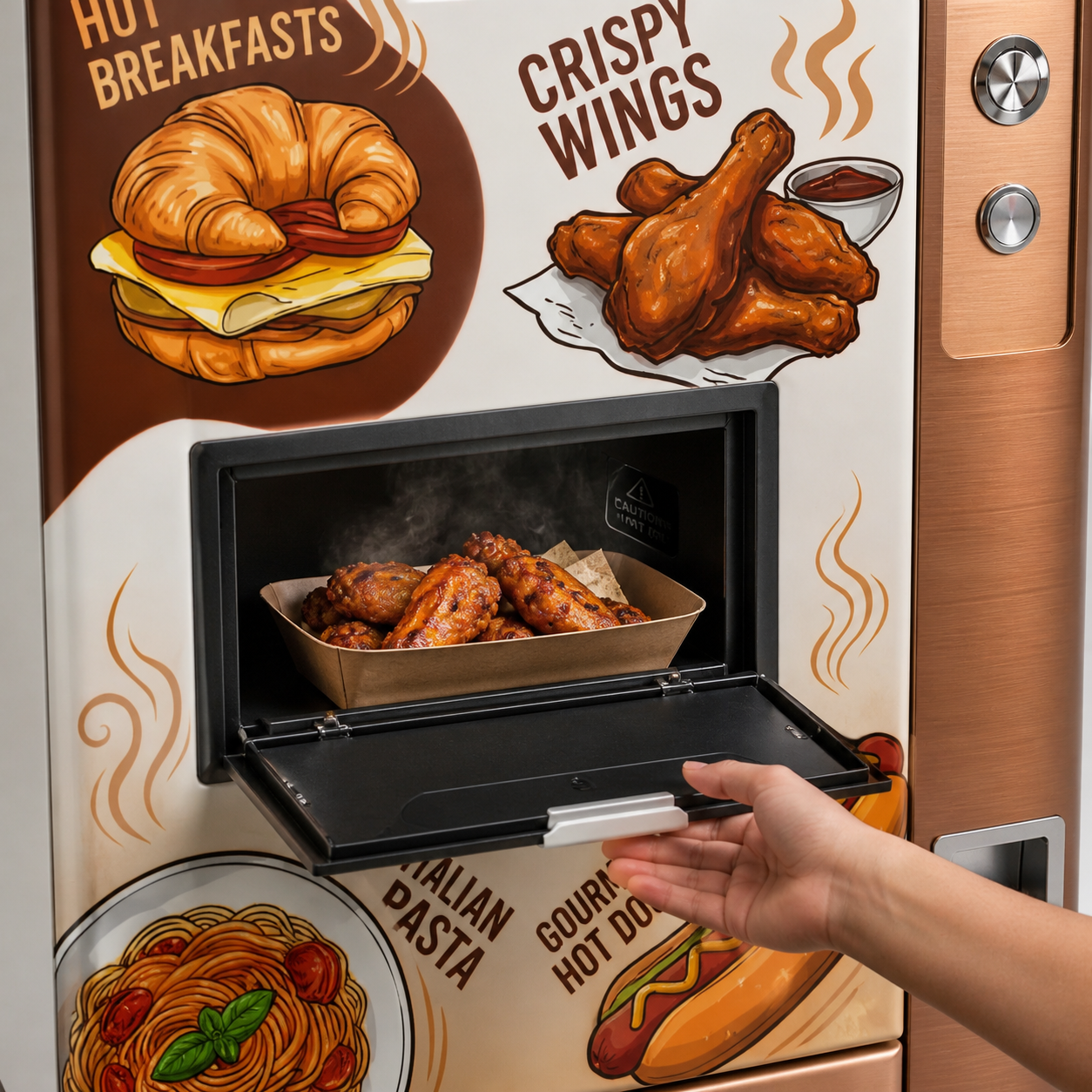
9. Precios de productos premium y especializados
Para máquinas de nicho o innovadoras:
Alimentos frescos
$5 – $12 por artículo
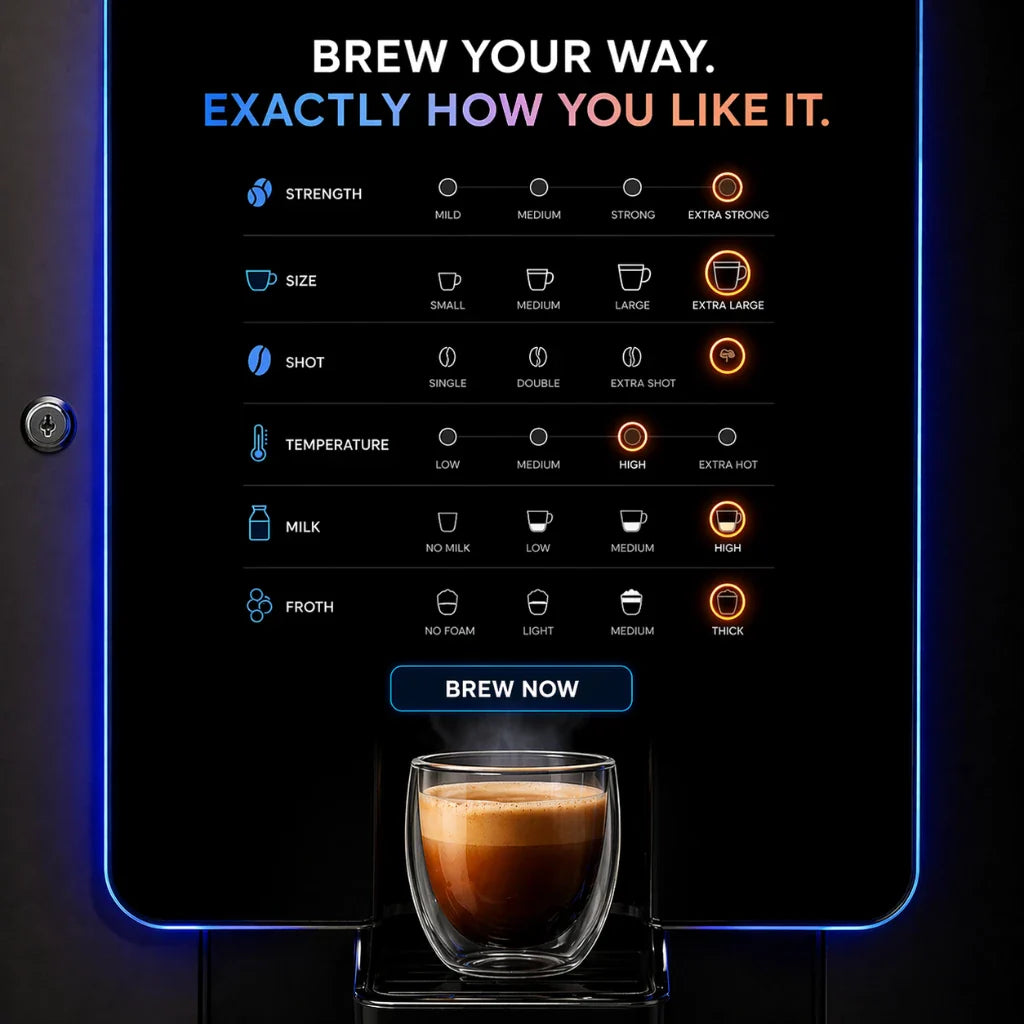
Máquinas de café
$2 – $4.50 por taza
Venta de pizzas
$8 – $15 por artículo
Electrónica / Venta minorista especializada
Precios basados en el mercado
Los artículos de mayor precio requieren una sólida justificación de su ubicación.
10. Errores de precios que cometen los principiantes
- Subestimar los precios para “ser amable”
- Igualación de precios en supermercados
- Ignorar las tarifas de procesamiento
- No se ajusta después de los aumentos de los costos mayoristas
- Olvidar actualizar los precios después de agregar la participación en los ingresos
No estás compitiendo con los supermercados.
Está proporcionando acceso inmediato.
11. La regla del 10% de ingresos
Si su máquina genera $1,200/mes:
Aumento de la venta promedio en $0,25
Puede aumentar los ingresos mensuales en más de $100
Con casi ningún esfuerzo extra.
Pequeños ajustes compuestos.
12. Uso de la nube para la gestión de precios
Con sistemas habilitados para la nube puedes:
- Ajustar los precios de forma remota
- Pruebe los aumentos de precios en productos específicos
- Realizar promociones limitadas
- Comparar el rendimiento entre máquinas
Esto elimina el trabajo manual de los ajustes de precios.
13. Reflexión final
El precio no es estático.
Debería evolucionar con:
- Fuerza de la ubicación
- Rendimiento del producto
- Costo de operación
- Demanda del mercado
La revisión constante protege su margen.
El margen protege su crecimiento.
Compartir:
Cómo mantener la rentabilidad de su máquina expendedora a largo plazo
Cómo le ayuda VMFS después de la instalación