


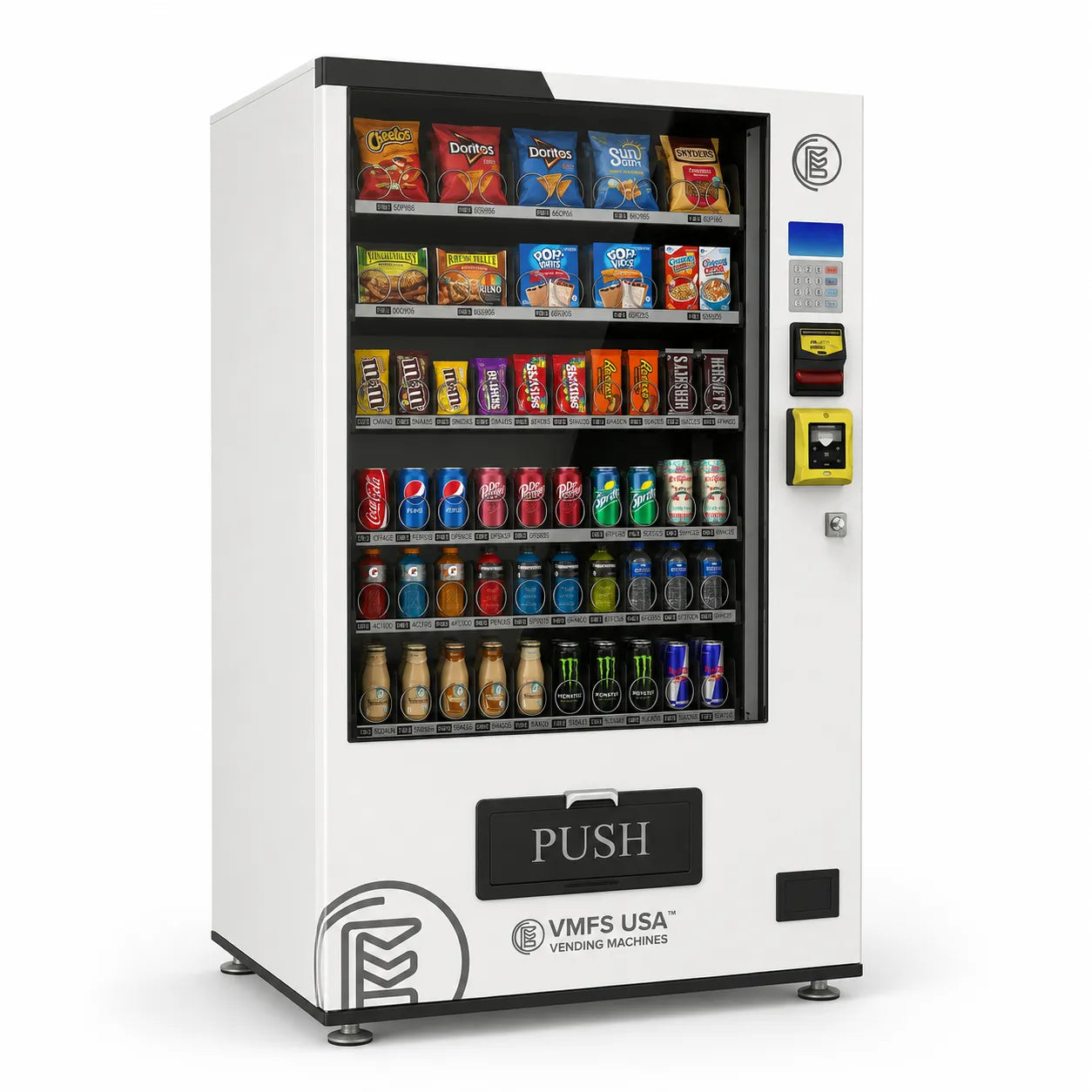
Una máquina expendedora no está libre de mantenimiento.
Pero requiere poco mantenimiento, si se maneja correctamente.
La atención preventiva protege:
- Ganancia
- Calidad del producto
- Confiabilidad en los pagos
- Eficiencia de enfriamiento
- Confianza del cliente
Esta guía describe qué verificar, con qué frecuencia y por qué es importante.
1. Inspección visual semanal
Cada vez que reabastezca sus existencias, realice una inspección rápida.
Controlar:
- Limpieza exterior
- Claridad del vidrio
- Respuesta del teclado o pantalla táctil
- Funcionamiento del lector de tarjetas
- Integridad de la cerradura de la puerta
- Iluminación interior
Esto toma entre 5 y 10 minutos y evita la mayoría de las quejas de los clientes.
2. Pruebe Vend regularmente
En cada visita:
- Prueba 1–2 selecciones aleatorias
- Ejecutar al menos una transacción con tarjeta
- Confirmar la correcta caída del producto
- Confirmar que el proceso de reembolso funciona
Detectar un pequeño problema a tiempo evita la pérdida de ventas.
3. Programa de limpieza
Limpieza exterior (semanal o quincenal)
- Limpie el vidrio con un limpiador no abrasivo.
- Limpiar la superficie de la pantalla táctil
- Eliminar huellas dactilares
- Limpiar el lector de pagos
Una máquina limpia aumenta la confianza de compra.
Limpieza interior (mensual)
- Quitar el polvo de las bandejas
- Aspirar el interior inferior
- Limpiar las superficies del producto
- Inspeccionar el conducto de entrega
La acumulación de polvo puede afectar a los motores con el tiempo.
4. Cuidado del sistema de refrigeración (unidades refrigeradas)
Mensual:
- Confirmar la temperatura interna
- Inspeccione las rejillas de ventilación para detectar obstrucciones
- Asegúrese de que haya espacio para el flujo de aire trasero
- Limpie el serpentín del condensador si es accesible
El flujo de aire bloqueado provoca sobrecalentamiento y tensión en el compresor.
Nunca empuje la máquina contra una pared.
5. Monitoreo de dispositivos de pago
Semanalmente:
- Confirmar dispositivo en línea
- Verificar la intensidad de la señal (si es celular)
- Inspeccione si hay cableado suelto
- Verificar informes de transacciones en el panel de control
Las interrupciones de pago detienen los ingresos inmediatamente.
6. Monitoreo del sistema en la nube
Si utiliza la monitorización en la nube:
- Comprobar alertas de error
- Revisar los registros de conectividad
- Monitorear las advertencias de temperatura
- Revisar la venta del producto
Los datos en la nube ayudan a detectar problemas antes de que los clientes los noten.
7. Comprobación de la bandeja del producto y del motor
Trimestral:
- Inspeccionar la alineación en espiral
- Asegúrese de que las bandejas se deslicen suavemente
- Verifique el ascensor (si está equipado)
- Verifique que no haya clips ni guías rotos
La tensión mecánica aumenta con el tiempo sin inspección.
8. Cuidado de máquinas para alimentos frescos y especiales
Si está en funcionamiento:
- Sistemas de alimentos frescos
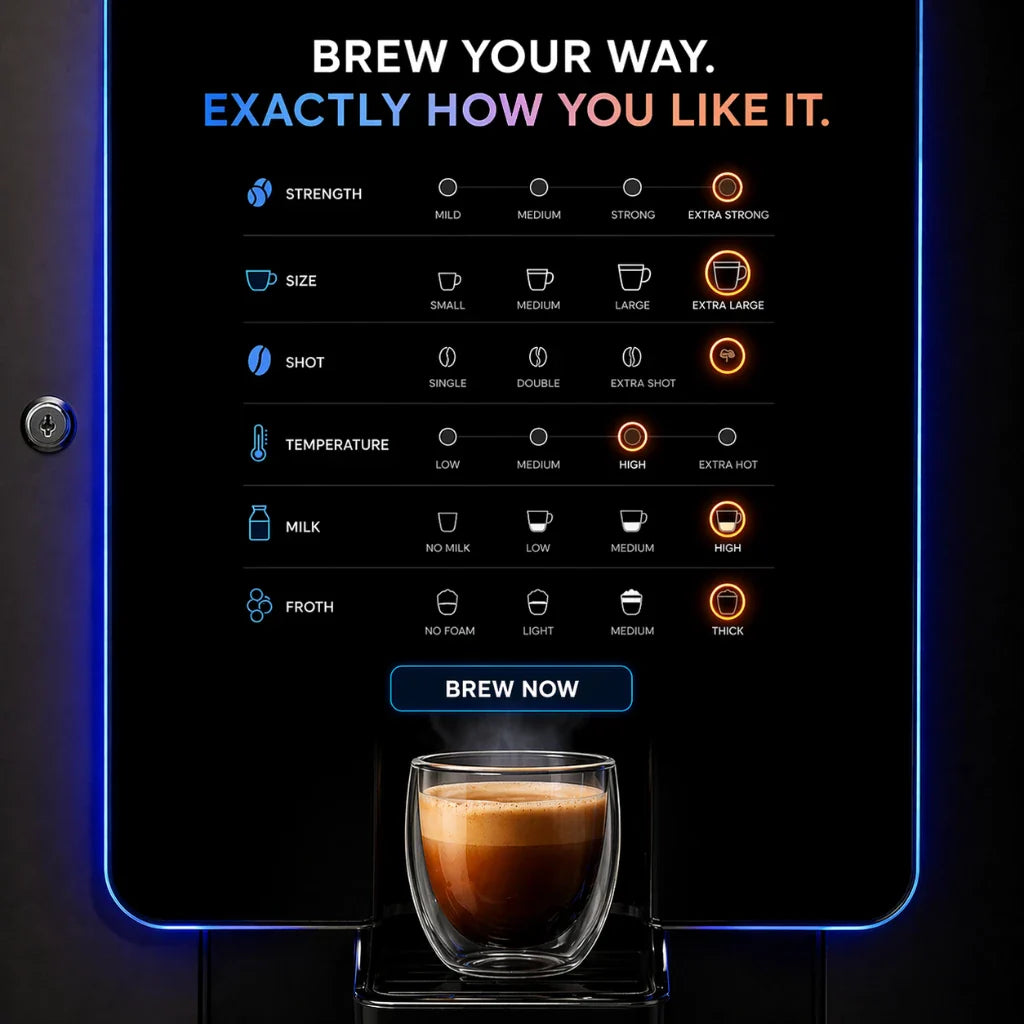
- máquinas de café
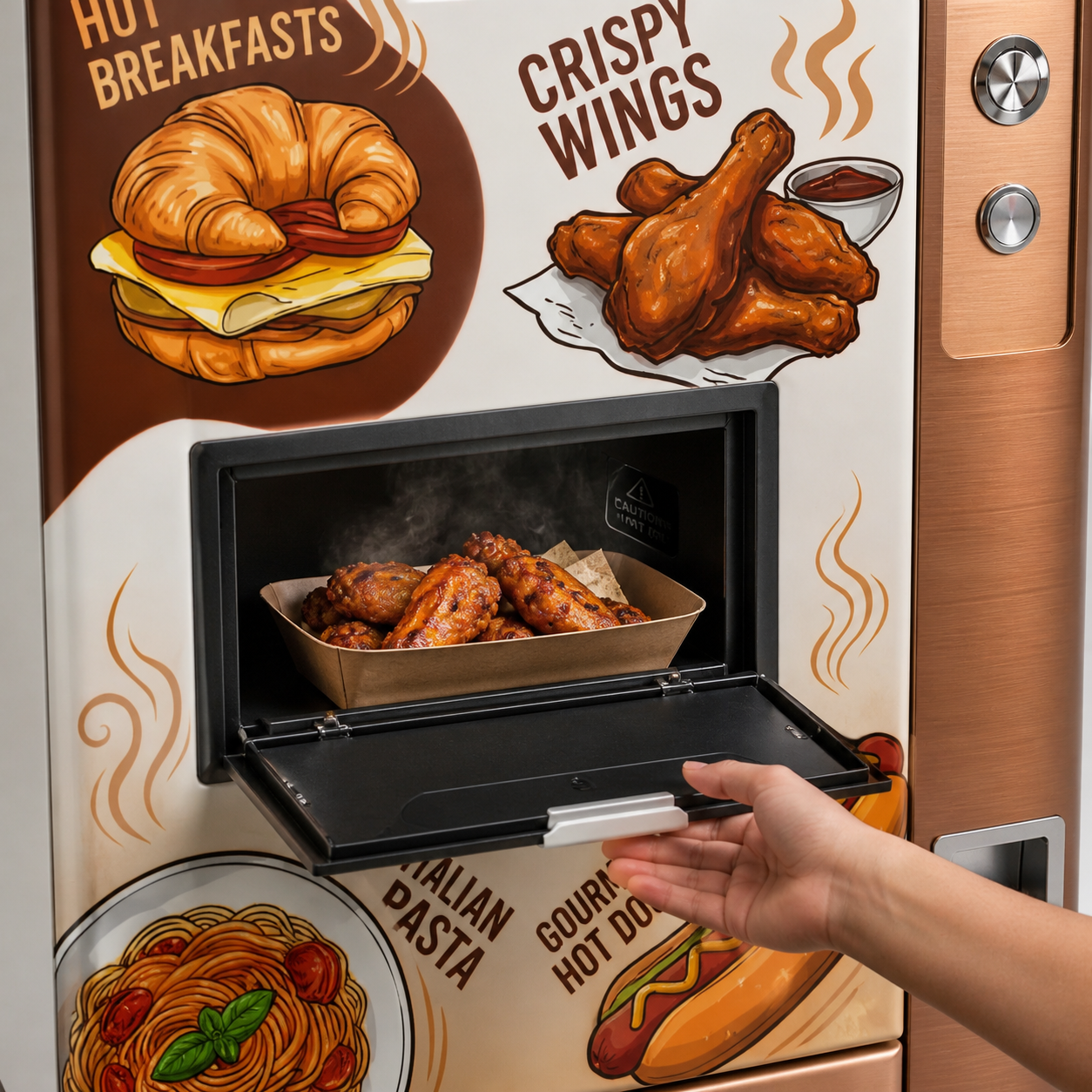
- Unidades de comida caliente o pizza
Los requisitos de mantenimiento aumentan.
Esperar:
- Limpieza más frecuente
- Monitoreo estricto de la temperatura
- Saneamiento rutinario
- Programas de reemplazo de componentes
Estos sistemas requieren una mayor disciplina operativa.
9. Revisión anual de mantenimiento
Una vez al año:
- Limpieza profunda del interior
- Inspeccionar las conexiones eléctricas
- Reemplace los componentes desgastados si es necesario
- Evaluar el estado del hardware de pago
- Revisar el estado del sistema de enfriamiento
El reemplazo proactivo cuesta menos que una reparación de emergencia.
10. Errores comunes de mantenimiento
- Ignorando el espacio de flujo de aire
- Olvidarse de limpiar las bobinas del condensador
- Sobrecarga de bandejas
- Dejar que los productos caducados permanezcan en el almacén
- No actualizar los precios cuando cambian los costos
- Retrasar reparaciones menores
Los pequeños problemas se agravan con el tiempo.
11. Vida útil esperada del componente
Con el cuidado adecuado:
- Estructura del gabinete: más de 10 años
- Compresor de refrigeración: 5–10 años
- Dispositivo de pago: 3–5 años
- Motores y espirales: Reemplazar según sea necesario
- Pantalla táctil: más de 5 años según el uso
La atención preventiva prolonga significativamente la esperanza de vida.
12. Cuándo contactar con el soporte técnico
Comuníquese con nosotros si experimenta lo siguiente:
- Fallas repetidas en la venta
- Problemas persistentes de enfriamiento
- Errores del sistema de pago fuera de línea
- Fallas eléctricas
- Daño físico
La mayoría de los problemas son menores y se resuelven rápidamente cuando se abordan a tiempo.
13. Por qué es importante la atención preventiva
El tiempo de inactividad cuesta dinero.
Ejemplo:
Si su máquina genera $1,200/mes
Eso es unos 40$ por día.
Tres días sin conexión = $120 perdidos.
El mantenimiento preventivo protege el tiempo de actividad.
El tiempo de actividad protege los ingresos.
Pensamiento final
Las máquinas expendedoras son duraderas.
Pero la durabilidad no reemplaza la responsabilidad.
Trate su máquina como una pequeña tienda minorista.
Mantenlo limpio
Mantenlo abastecido.
Mantenlo monitoreado
La coherencia genera confianza, y la confianza genera ingresos.
Compartir:
Cómo reabastecerse eficientemente y proteger sus ganancias
Cómo fijar precios para obtener ganancias sin perder ventas