


Starting a vending business is not just about purchasing a machine.
It is about building a small retail system that includes equipment, inventory, payment infrastructure, and compliance.
This guide breaks down the real cost components so you can plan responsibly and invest strategically.
1. The Machine Investment [Your Primary Asset]
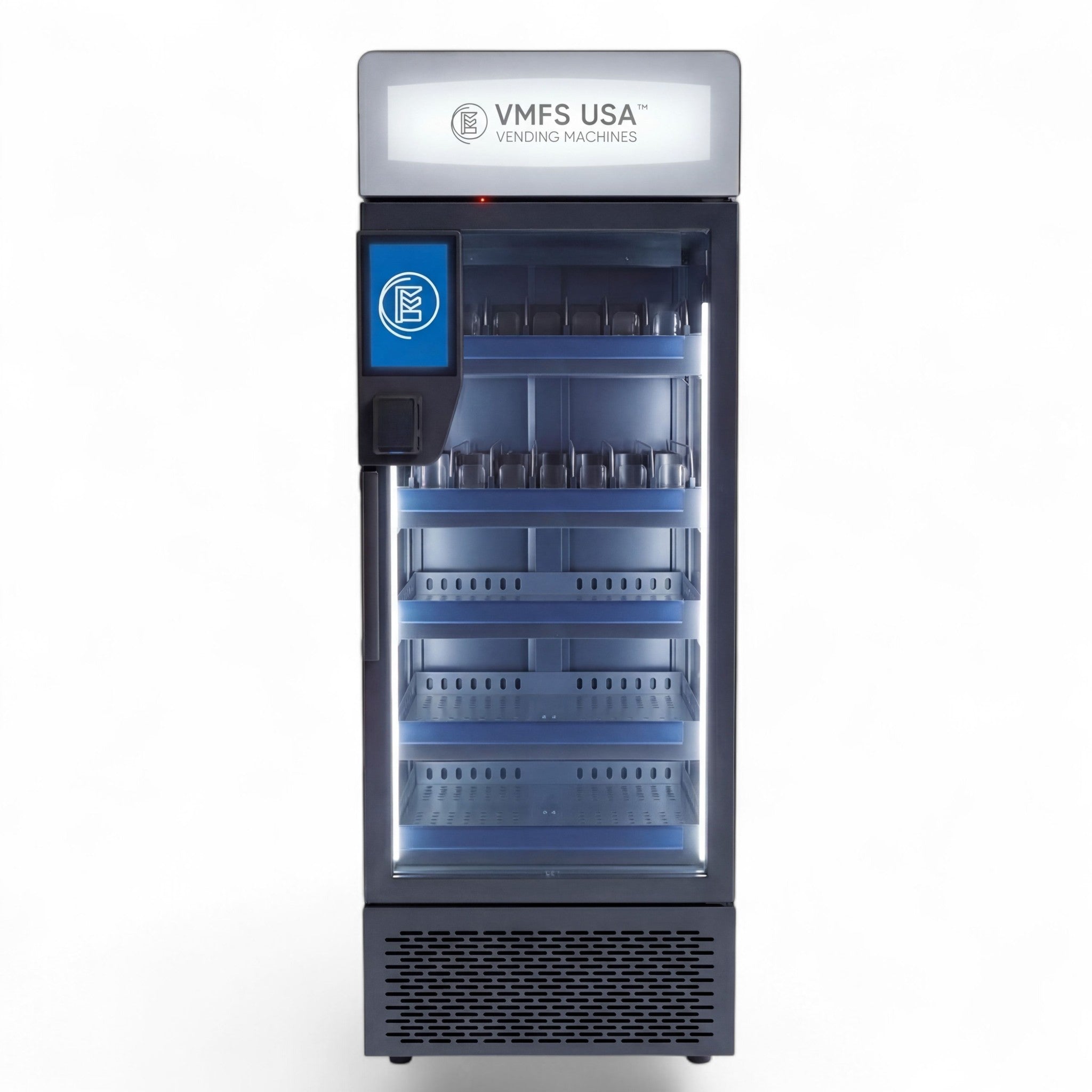
Your vending machine is your main revenue-generating asset, and the final price depends on the system you choose.
Costs typically change based on:
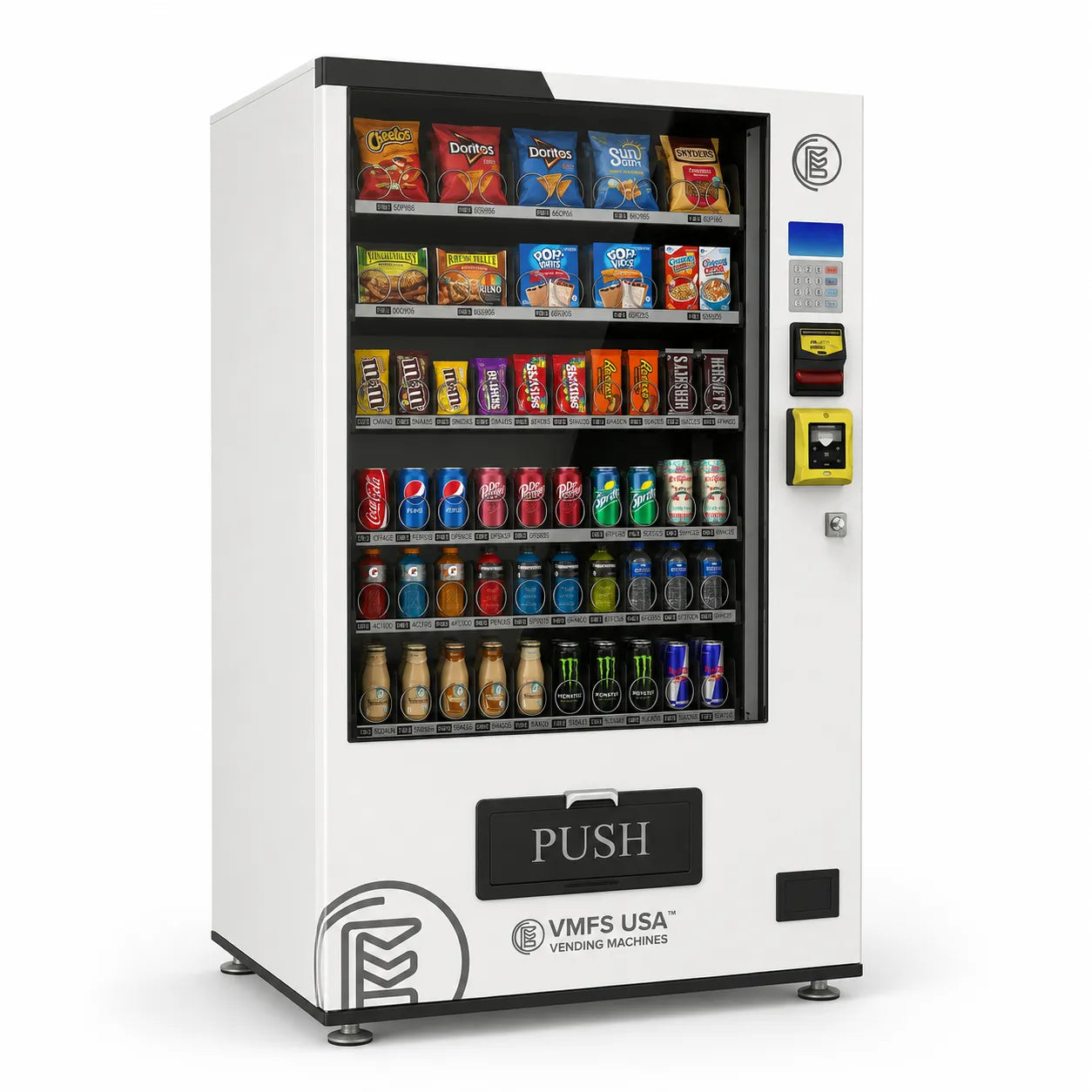
- Model type [combo, smart, AI, elevator, locker, etc.]
- Capacity and number of selections
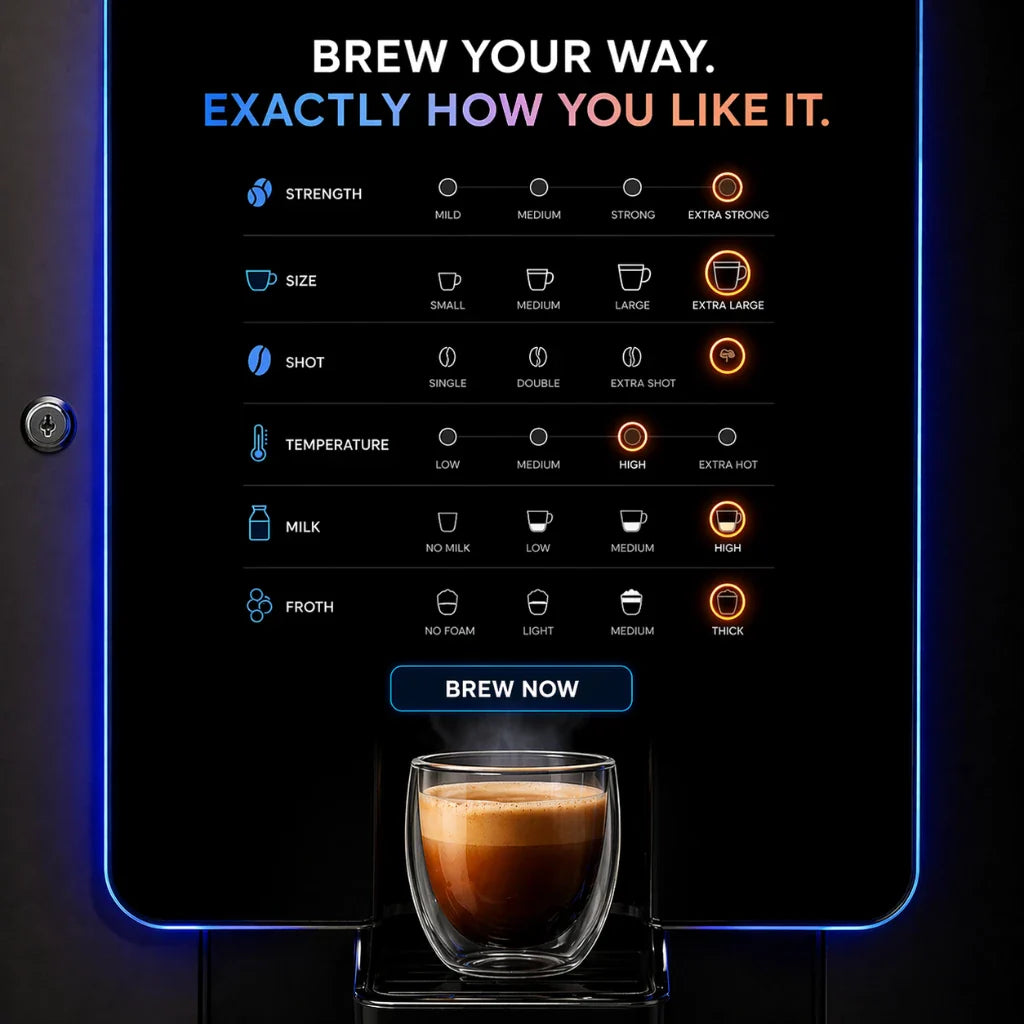
- Display type [standard keypad vs touchscreen]
- Cooling configuration [snacks only, drinks, combo refrigeration]
- Security features [reinforced locks, anti-theft design]
- Upgrade modules [telemetry, smart monitoring, product lift, age verification]
- Customization level [wrap, branding, custom UI]
Common U.S. price ranges:
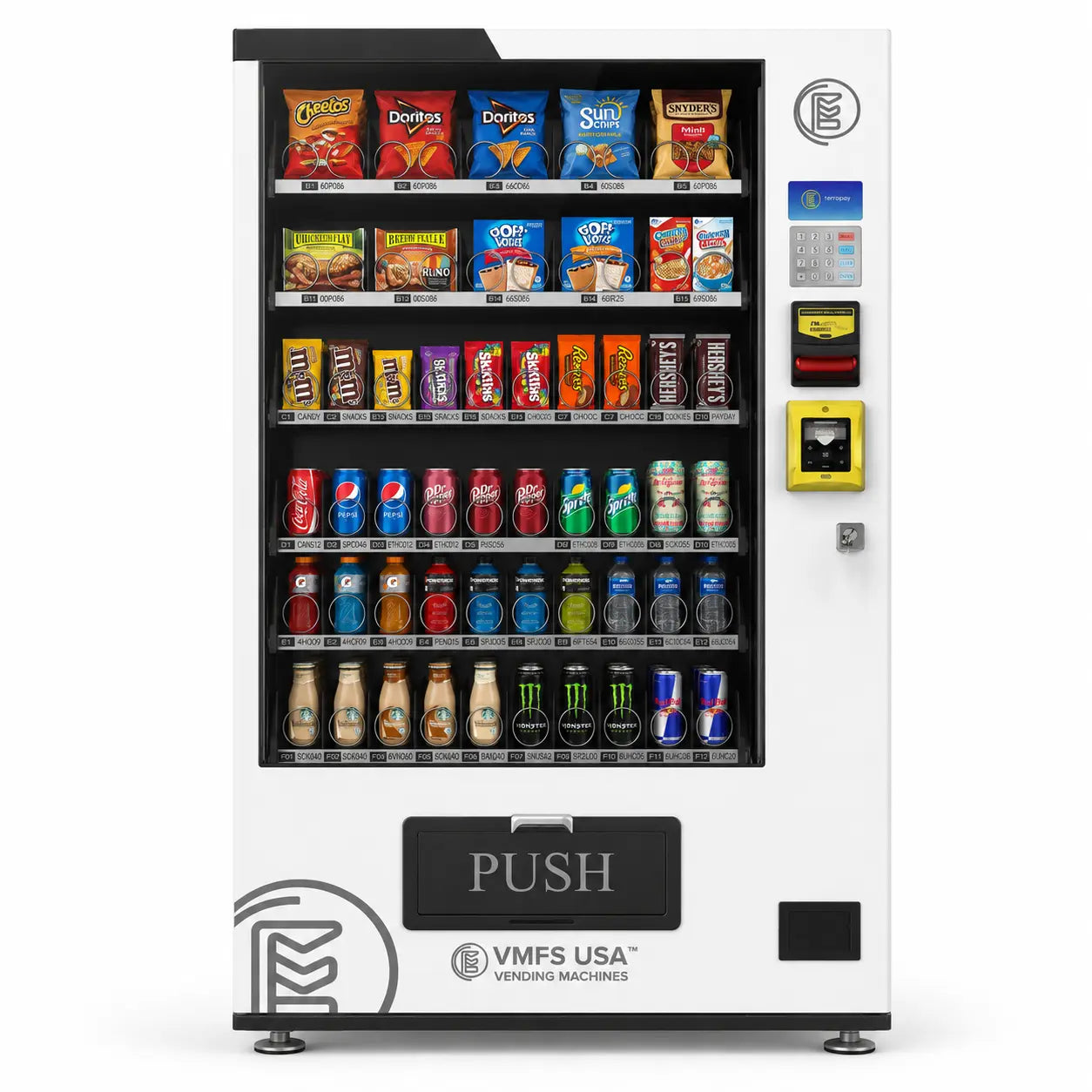
Standard Combo Machine [Snacks + Drinks]
$3,500 – $6,500
Smart Combo With Touchscreen + Cloud Integration
$6,000 – $9,500
Advanced AI Or Elevator System
$8,000 – $12,000+
Practical note: For many new operators, a smart combo machine often lands around $5,000 – $8,000 fully configured.
The goal is not the cheapest machine, it is the best system for your location and product strategy.
2. Payment System And Cashless Setup
Most modern locations expect cashless acceptance. Card, tap-to-pay, and mobile wallets can raise conversion and reduce lost sales.
Plan for three cost layers: hardware, service, and processing.
Card Reader Hardware
$300 – $500 [Nayax, Cantaloupe, etc.]
Monthly Service Fee
$10 – $25 per month
Processing Fees
3.5% – 6% per transaction, plus $0.10 – $0.25 per transaction
Optional cash system: $300 – $700 additional
Processing fees directly affect margins, so it is smart to price products with fees in mind.
3. Shipping And Delivery [Freight, Not UPS]
Vending machines ship via freight, and shipping should be planned early to avoid delays.
Shipping costs depend on:
- Distance and carrier route
- Freight method [LTL, white glove, international]
- Delivery access [dock vs liftgate, residential vs commercial]
- Insurance coverage
Domestic U.S. Shipping
$400 – $1,200
White glove delivery [inside placement]: $150 – $400
Liftgate service [no loading dock]: $75 – $150
International Shipping [Varies Widely]
$1,500 – $5,000+ depending on country, customs, and duties
4. Initial Inventory Investment
Your machine must be stocked before launch, and your first stock affects your early revenue potential.
Inventory cost depends on:
- Machine capacity
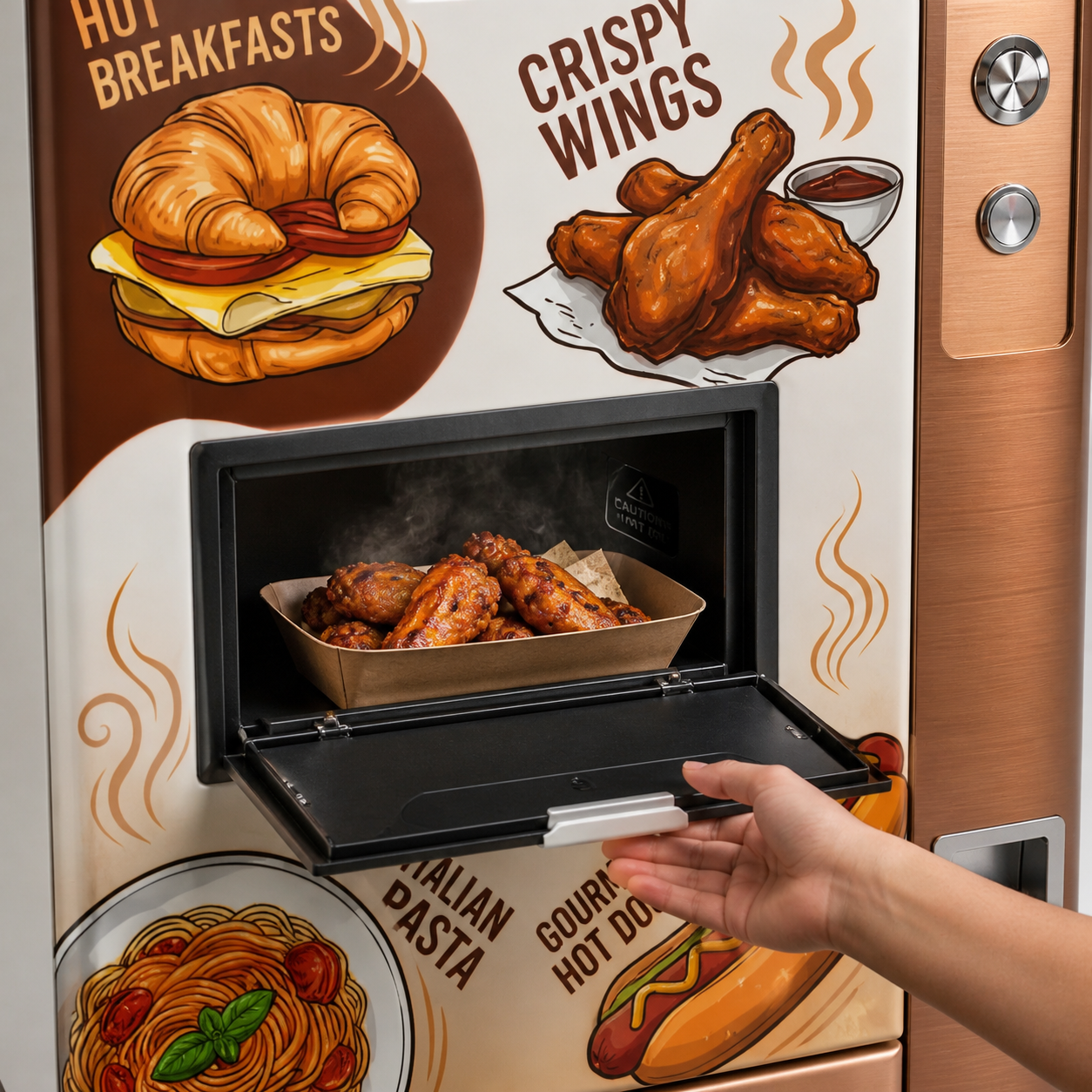
- Product category [snacks, drinks, fresh food, specialty]
- Price point strategy
- Location traffic and restock frequency
Typical First Stock For A Standard Combo
$400 – $1,200
Typical gross margin target: 40% – 60% per item
Example: buy a soda for $0.60, sell for $1.50 – $2.00
If you stock specialty or premium items, expect inventory cost to rise, but revenue per vend can rise too.
5. Licensing, Permits, And Legal Requirements
Requirements vary by state, county, city, and the product category you sell.
Many operators will need some combination of:
- Business entity setup [LLC recommended]
- Sales tax registration
- Local vending permit
- Health department requirements [food and fresh products]
- Product category licensing [tobacco, alcohol, age-restricted items where applicable]
- General liability insurance
Common U.S. cost ranges:
LLC Registration
$50 – $300
Sales Tax Permit
Usually free or minimal fee
Local Vending Permit
$50 – $250 per year
General Liability Insurance
$300 – $800 per year
Important: Always verify local rules before deployment, especially for fresh food and age-restricted categories.
6. Customization And Branding [Optional, Often Worth It]
Customization is optional, but it can increase perceived value and improve location approval rates.
Common customization options include:
- Branded wrap
- Logo integration
- Custom UI display [touchscreen experience]
- Special product configuration
Typical Wrap Range
$300 – $800 depending on design complexity
Branding increases upfront cost, but it can help you win better placements and charge stronger pricing.
7. Connectivity And Cloud Monitoring
Most modern vending systems run better with connectivity, especially if you want remote tracking and better operations.
Connectivity may include:
- WiFi [when reliable on-site]
- 4G or 5G module
- Cloud management platform
Typical data plan: $10 – $30 per month
Many operators budget around $20 per month for connectivity.
Cloud monitoring can help you track stock, pricing, sales, and performance so you restock smarter and waste less.
8. Maintenance And Contingency Planning
Vending machines are built for durability, but good operators plan for the real world.
Plan for:
- Minor maintenance
- Replacement parts over time
- Occasional service visits
- Product spoilage or damage
Building a small reserve fund protects your cash flow and prevents downtime from turning into lost revenue.
9. Estimated Total Startup Cost [One Machine]
Totals depend on the machine type, payment setup, shipping, inventory, and compliance needs.
Entry-Level Setup [Basic Combo]
$4,500 – $7,000 all-in
Smart System Setup
$6,500 – $10,000 all-in
Advanced AI Or Elevator Setup
$9,000 – $14,000+ all-in
These ranges typically include: machine, payment system, shipping, initial inventory, and basic business setup.
10. Revenue And Payback Reality
Monthly revenue depends heavily on location quality, traffic, and product fit.
Low-Traffic Location
$300 – $700 per month
Moderate-Traffic Location
$800 – $1,500 per month
High-Traffic Location
$2,000+ per month
Typical net margins after product cost: 30% – 50%
Common payback window: 8 – 18 months [location dependent]
Location quality is usually the biggest factor in success, even more than the machine model.
11. Common Beginner Mistakes [Avoid These]
- Underestimating inventory needs
- Choosing weak locations
- Ignoring processing fees when pricing
- Overpricing without matching the location audience
- Expecting fully passive income
Vending is simple, but it must be operated intentionally.
12. How To Plan Responsibly
Before you buy, get clear on these questions:
- What type of location will this machine serve?
- What price range will my products fall into?
- Am I planning to scale beyond one machine?
- Do I need advanced features now, or later?
- What is my target payback window?
Clarity reduces risk, and smart planning makes the machine an asset that can scale.
Final Thought
Vending is one of the most accessible forms of automated retail, but it is still a business.
When capital is deployed strategically, with the right system, location, and product mix, your machine becomes a scalable revenue asset.
Share:
Is Vending Right For You?
How to Choose a Profitable Vending Location