Starting a vending machine business for free is possible when you build the operation around strategy instead of upfront spending. The goal is to secure a strong
location first, offer it as a no-cost service to the business, and use the revenue from that placement to cover your initial expenses. Many operators begin by managing machines already on-site, removing unused units for free, or taking advantage of refurbished equipment that requires little or no investment.
The idea is to confirm demand before you purchase anything. When you establish a reliable account, early profits make it easier to cover inventory, minor repairs, or future upgrades. Even one well-placed machine can produce enough revenue to fund additional units over time. This method turns vending into a lean startup model, where strong placements and consistent service matter more than the size of your initial budget.
Step 1: Understand the No-Money Vending Model
Starting a vending machine business for free requires a different mindset than traditional startup methods. Instead of buying equipment first, you focus on proving demand and securing a placement before anything else. When a business agrees to host a machine, you gain the leverage needed to negotiate free equipment, take over an existing unit, or arrange a revenue-share model that removes the need for upfront spending.
The no-money approach works because most locations care more about the service than the machine itself. If you can solve a problem for the business, whether it is employee convenience or customer waiting time, you can secure a placement without cost. Once you have a confirmed site, options like refurbished units, owner hand-offs, or simple
financing become far easier to access and less risky.
Expert Tip: Never buy a machine before securing a placement. The
right location will determine your income, while the machine only determines how you deliver the service.
Reality Check: Many new operators spend money too early. Starting for free means treating the business as a service first and a machine second, which reduces financial pressure and increases your chances of landing a profitable account.
Step 2: Do Free Market Research and Choose Your Niche
Market research is one of the easiest parts of the process because it costs nothing. Your goal is to learn who you want to serve and what they buy. Once you understand demand, finding a strong
location becomes much easier.
Start by walking potential sites and watching how people move through the space. Note how often they visit, how long they stay, and whether food or drinks are available nearby. These simple checks reveal gaps your service can fill. This also helps you choose the right type of machine later, such as flexible
combo vending machines for mixed product needs.
- Check foot traffic at offices, apartments, gyms, and service centers.
- Ask employees or customers what snacks or drinks they prefer.
- Review any existing vending options and look for missing items.
Expert Tip: Focus on places with consistent activity and limited food options. These sites often produce steady sales from the first week.
Time-Saving Tip: Free AI trend tools can help you spot growing product categories and seasonal shifts. They save time and guide better early decisions.
Step 3: Build a Simple Business Plan Using Free Tools
A basic business plan gives your vending idea structure. It helps you define your goals, understand your market, and prepare for real costs. You can create this plan without spending anything by using free templates or AI tools.
Start with a short overview of your service. Describe who you want to serve and how your vending model works. Add details about your target
location, expected traffic, and the type of machine you plan to use later. Keep the plan simple. You want clarity, not complexity.
- Write a short mission statement.
- Describe the market you plan to serve.
- Estimate basic revenue and expenses.
- Outline how you will secure placements.
Expert Tip: Use realistic numbers. A single well-placed unit can earn steady income, but performance depends on the strength of the site.
Productivity Hack: Free planning tools or AI builders can create your first draft in minutes. Update it as you learn more from scouting and outreach.
Step 4: Choose a Legal Structure and Basic Licensing
Setting up your legal structure protects you and keeps your business compliant. This step does not need to cost much. In many areas, the basic paperwork is simple and low cost. The main goal is to separate your personal and business activities so you can operate with confidence.
Most beginners choose a simple structure at first. An LLC is common because it offers protection and keeps your setup clean. Once you pick a structure, register your business name and confirm any permits you may need. Some states require food handling approval for machines that sell fresh items, but most snack and drink setups have straightforward rules.
- Pick your legal structure.
- Register your business name.
- Check local vending and food rules.
- Set up a business bank account.
Common Mistakes: Many new operators overlook local regulations. Others skip insurance, which exposes them to risk if a machine is damaged or causes an issue.
Work Smarter: Free legal resources and low-cost document tools can guide you through the process. This keeps your setup organized and makes future steps easier.
Step 5: Scout Locations Without Spending Money
Your success depends on securing good locations. This step costs time, not money. Strong placements allow you to start the business without buying equipment first. When a business agrees to host a machine, you gain leverage to source free or low-cost equipment later.
Begin by walking potential sites and noting daily activity. Look for steady traffic, long wait times, or employees who need quick access to snacks or drinks. Offices, gyms, apartments, and repair shops often respond well to a free service. Use
location matching system and guides to the
top vending locations to narrow your list and avoid wasted outreach.
- Identify high-traffic spots with limited food options.
- Speak with managers or owners during quiet hours.
- Offer a simple, no-cost vending service that benefits their staff or customers.
- Be ready to explain how you maintain and stock the machine.
Expert Tip: Focus on solving a problem for the business. If your service makes their day easier, they are more likely to approve a placement.
Reality Check: Expect rejection. You may need to visit ten or more locations before securing your first “yes,” but one solid placement is enough to start your route.
Step 6: Get Vending Machines With No Upfront Cost
Once you secure a placement, you can start looking for machines without spending money. Many owners are willing to give away old units if you remove them. Others may let you manage their machines in exchange for a revenue split. These options let you begin earning before making a purchase.
Search for used equipment in your local area. Small businesses often have machines that sit unused. Some operators upgrade and want to clear older models. Refurbished units, including reliable options like
seaga vending machines, can also be found at little or no cost. The goal is to place a working machine without taking on financial risk.
- Ask businesses if they have unattended or unused machines.
- Contact operators who want to reduce their routes.
- Check local listings for free or low-cost units.
- Negotiate simple revenue-share terms when needed.
Expert Tip: Some suppliers offer flexible arrangements. You may request a short-term trial or a low-cost starter plan. If needed, you can explore
financing later when your route gains steady revenue.
Reality Check: Free machines may need light repairs or cleaning. Keep your expectations simple. A working unit is enough to begin earning and reinvesting.
Step 7: Select Products and Set Simple Pricing
Your product choices have a direct impact on early sales. Good selections help you earn faster and reduce waste. Start with items that sell well in most locations. Keep your mix small at first, then adjust based on customer demand.
If you placed a flexible unit such as
combo vending machines, you can test both snacks and drinks. For tight budgets, begin with popular items that move quickly. Ask staff or customers what they prefer. Their feedback guides you toward a better product list without costly trial and error.
- Pick a few top-selling snacks and drinks.
- Check expiration dates to avoid waste.
- Use simple, round pricing for clarity.
- Monitor sales weekly and adjust your mix.
Expert Tip: Include at least one healthier option in every machine. It appeals to a wider group and improves your value to the site.
Work Smarter: Free AI tools can help you predict demand and suggest price ranges. Use them to fine-tune your early inventory without overspending.
Step 8: Install and Set Up the Machine Correctly
After you secure a machine and a placement, focus on a smooth setup. A strong first impression builds trust with the business and helps you avoid early service calls. Most installations are simple and cost nothing beyond your time.
Place the machine where customers can see it easily. Make sure the area has a clean power source and enough room for the door to open. If you use
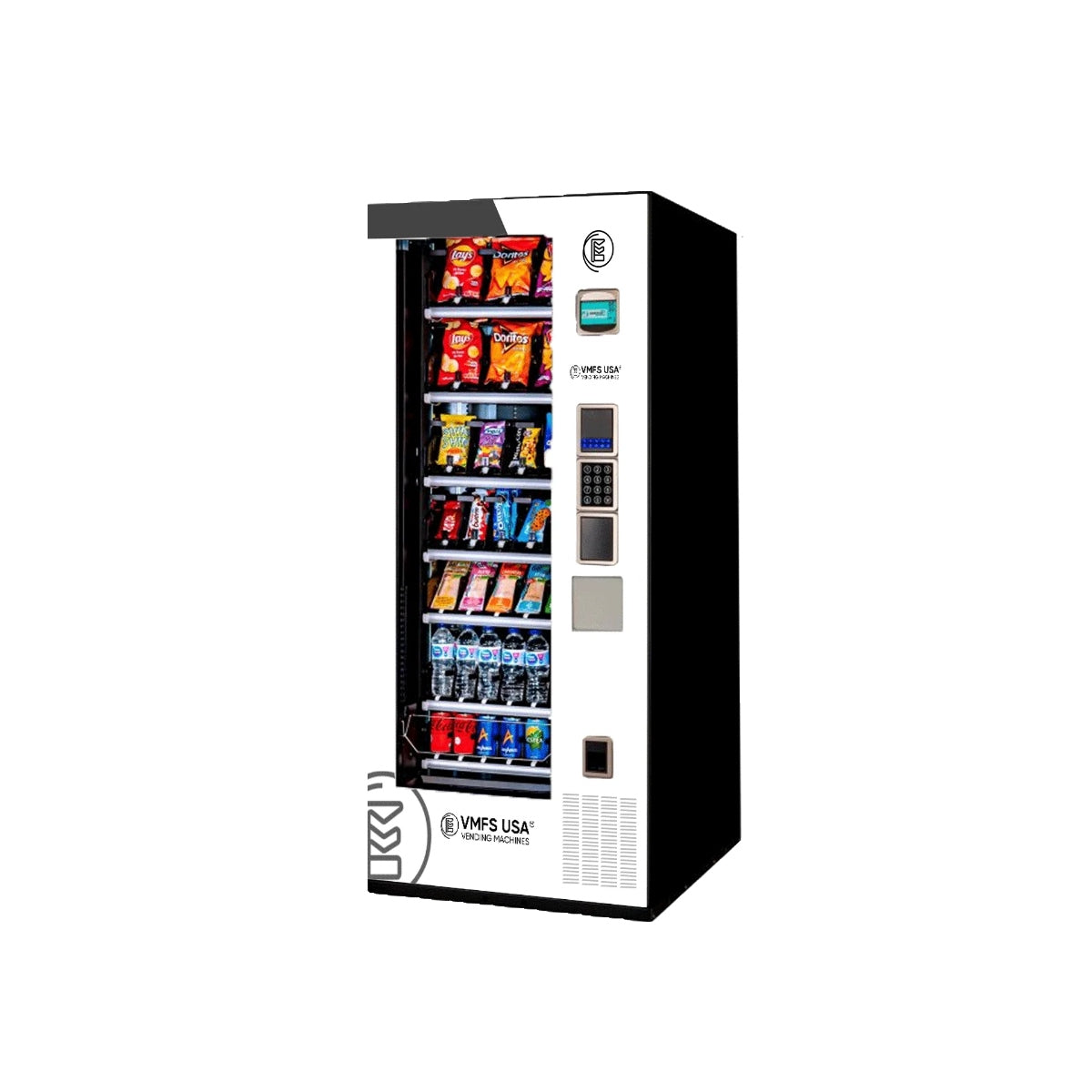
drinks and snacks vending machines, check the temperature settings and confirm that items sit correctly on each shelf. Clear labeling and simple pricing help customers buy with confidence.
- Confirm power access and test all functions.
- Set the correct temperature for drinks and snacks.
- Load products neatly and check the drop sensors.
- Run several test purchases to verify smooth operation.
Common Mistakes: Many beginners rush setup and overlook simple steps. Loose shelves, blocked coils, or incorrect pricing can cause lost sales.
Time-Saving Tip: Create a setup checklist. It reduces errors and keeps your process consistent for every new site.
Step 9: Manage Inventory Efficiently
Good inventory habits protect your profits. They help you avoid waste and keep your machine stocked with items customers want. This step does not require special tools, but consistency matters. Simple tracking methods can guide your decisions and improve sales over time.
Start by visiting each location on a set schedule. Track what sells fast and what stays on the shelf. Machines that offer a wider range, such as
coffee vending machines or snack units with hot-selling items, may need more frequent checks. Keep notes on every restock. These notes show which products deserve more space and which items you should remove.
- Use a restocking routine and stick to it.
- Rotate products to reduce the risk of expired items.
- Increase shelf space for fast sellers.
- Keep a simple log of weekly product movement.
Expert Tip: Try a just-in-time approach. Bring only what you need for each visit. This reduces upfront spending and lowers the chance of unused stock.
Work Smarter: Free AI inventory tools and basic
cloud spreadsheets can track your product movement with very little effort.
Step 10: Use Simple Marketing to Support Your Locations
Even a vending business benefits from basic marketing. Simple efforts help customers notice your machine and understand what you offer. These steps cost little or nothing but can improve sales in most locations.
Start by keeping your machine clean and well organized. Clear product labels and fresh stock create trust. Add a small sign that highlights popular items or new choices. You can also share updates on social media to build awareness. Short posts about restocks or new placements keep your business visible without much work.
- Add small signs or stickers that draw attention.
- Share photos or updates on social platforms.
- Use QR codes to collect quick feedback.
- Offer simple loyalty rewards if the location allows it.
Expert Tip: Partner with the business owner. A simple mention in their newsletter or online page can bring more customers to your machine.
Work Smarter: Free scheduling tools make it easy to manage posts and keep your online presence active. They save time and help you stay consistent.
Step 11: Keep Your Machines in Good Working Condition
Regular maintenance keeps your machines running well and protects your income. Simple checks prevent problems and reduce service calls. Most tasks are easy to learn and require no extra cost. A few minutes of care each week can keep your route stable and reliable.
Check the machine during every visit. Look for loose shelves, stuck coils, or weak drop sensors. Test a few products to ensure smooth operation. Clean the front panel and payment areas so customers feel confident using the machine. These small steps also help you catch issues before they affect sales.
- Wipe the front glass and clean payment devices.
- Test key buttons and check product rows.
- Watch for early signs of wear or vibration.
- Contact a technician only for complex repairs.
Reality Check: Expect some maintenance each week. A small route may need one hour, while a growing one will need more attention.
Time-Saving Tip: Use basic logs or simple
cloud tools to track issues. These notes help you spot patterns and plan repairs before they become urgent.
Step 12: Scale Your Vending Business Slowly and Safely
Once your first machine turns a profit, you can begin to grow your route. Expansion does not need to be fast. Slow and steady growth helps you stay organized and maintain quality service. Each new placement adds more income that you can reinvest into better equipment or larger machines.
Focus on getting one good
location at a time. When that site performs well, use the profit to improve your setup or add another unit. Some operators upgrade to more flexible systems, such as
combo vending machines, once they have predictable revenue. This approach keeps debt low and protects you from rushed decisions.
- Reinvest early profits instead of using savings.
- Expand only when your current sites run smoothly.
- Add machines that match the needs of each location.
- Use simple tracking tools to measure weekly progress.
Expert Tip: Improve your operations before expanding. Organized routines make it easier to manage more machines without extra stress.
Work Smarter: Once your route grows, consider basic reports or
cloud dashboards. They help you track sales and plan routes with less guesswork.




Share:
How Clinic and Hospital Vending Machines Support Patients, Staff, and Daily Care
How Clinic and Hospital Vending Machines Support Patients, Staff, and Daily Care