


Ice Cream Vending Machines in Seattle, WA
Turn your sweet dreams into profitable reality with our premium ice cream vending machines—the coolest business opportunity in Seattle.
Stop Guessing. Configure Your Ice Cream Vending Machine.
Answer a few quick questions about your location, your product mix, your temperature needs, and your budget. Our Ice Cream Vending System will match you with the right base model, add the right modules (refrigeration, ad screen, outdoor protection, payment suite), and show you real time pricing and lead time as you build.
Skip the back and forth. Skip the spec sheet overwhelm. See your exact configuration, your exact cost, and your exact delivery window before you commit.
- Real time pricing as you add or remove features
- Live lead time estimate based on your configuration
- Recommended product mix for your location type
- Capacity, slot count, and weight limits shown per setup
- Option presets for food, drinks, electronics, retail, and frozen

Why Ice Cream Vending Machines?
An ice cream vending machine offers Seattle businesses a premium way to dispense frozen treats and products around the clock. These
frozen vending machines
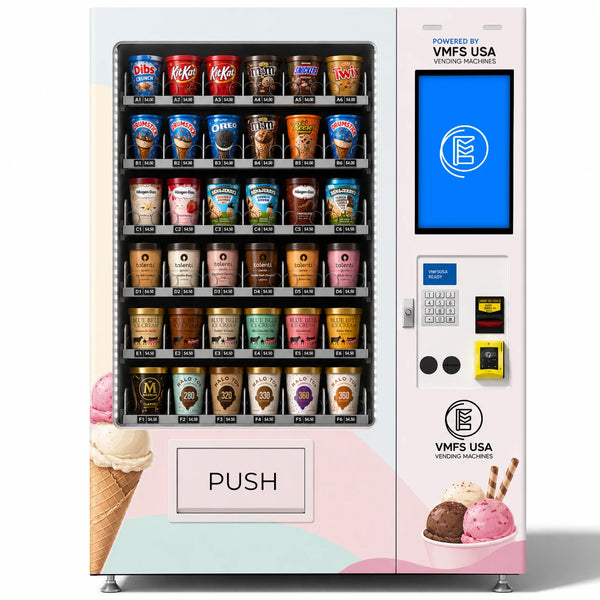
stock everything from popular ice cream bars like Snickers, Magnum, Dove, and Twix to sealed cups from Haagen-Dazs, Ben and Jerry's, and Baskin-Robbins, plus popsicles, novelties, multi-pack cartons, frozen pizza, frozen meals, and frozen yogurt in a single deep-freeze cabinet. With capacities ranging from 270 to 600 items across 54 to 63 adjustable slots, a freezer vending machine for sale delivers maximum variety and revenue potential. Each unit features commercial-grade dual modular compressors maintaining temperatures down to -12°F, triple-pane glass insulation, standard elevator delivery systems, and VMFS Cloud dashboard integration for real-time sales and inventory tracking, making these freezer vending machines the ideal choice for Seattle locations.
Deep-Freeze Refrigeration
Commercial-grade compressor maintains internal temperatures down to -12 degrees Fahrenheit, with adjustable range from -0.4 to 75 degrees Fahrenheit and 360-degree frost-free circulation that protects ice cream and frozen foods even in busy high-temperature environments
Elevator Delivery System
Elevator delivery gently lowers each item to the pickup tray instead of letting it fall, preventing crushed boxes, cracked packaging, broken ice cream bars, and impact-related thawing that traditional drop machines cause
High-Capacity Frozen Format
From 270 items in standard models up to 600 items in the Elevator Pro flagship, across 54 to 63 adjustable slots that fit single bars, pints, multi-pack cartons, frozen pizza, and frozen meals
Premium Brand Compatibility
Stocks Snickers, Magnum, Dove, Twix ice cream bars, sealed Haagen-Dazs and Ben and Jerry's cups, Drumstick and Blue Bunny multi-packs, popsicles, frozen yogurt, frozen pizza, and ready-to-heat frozen meals
Touchscreen And Cloud Monitoring
21.5-inch, 22-inch, or 49-inch HD touchscreen with digital advertising capability on premium models, plus VMFS Cloud dashboard for real-time sales, temperature graphs, and inventory alerts from any device
Why Ice Cream Vending Machines Perform in Seattle, Washington
Seattle's thriving tech campus culture and year-round office density create ideal conditions for
ice cream vending machines
to thrive in corporate breakrooms, lobbies, and employee lounges throughout the city. With major employers like Amazon, Microsoft, and countless startups concentrated in Seattle, workers seek convenient frozen treats during long workdays, while summer's mild weather and tourism boom drive additional demand across hotels, transit hubs, and retail spaces. Freezer vending machines excel in these high-traffic venues, offering 24/7 access without staffing costs, maintaining products at optimal -12°F, and generating $300–$800 monthly profit per unit during peak seasons. Operators can maximize returns by leveraging
professional placement services
to identify corporate campuses, gyms, and hospitality venues, while real-time inventory monitoring ensures consistent stock in Seattle's competitive market.
Best Locations in Seattle
High-value deployment sites where ice cream vending delivers the strongest revenue per square foot.
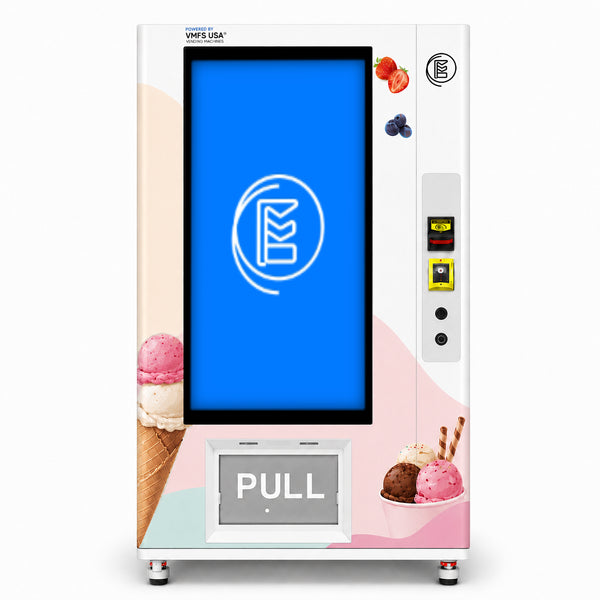
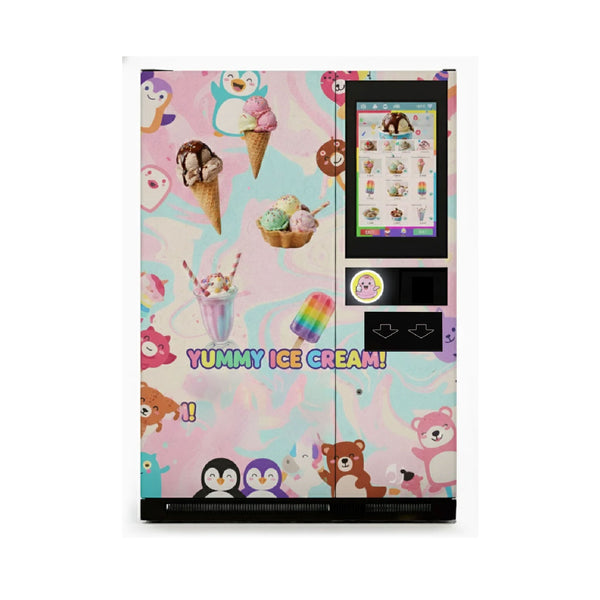
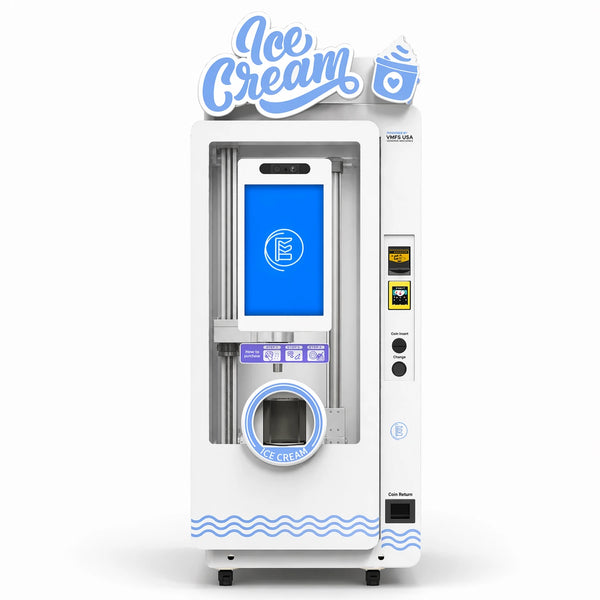
Ice Cream Vending Machines Available for Seattle
Every unit below ships configured, compliance-ready, and backed by VMFS Cloud monitoring.

How Operators Use Ice Cream Vending in Seattle
Tech Campus Break Room
Amazon, Microsoft, and Google engineering teams across South Lake Union and Redmond satellite offices need high-velocity frozen treat access during intense work sprints. Stock premium Magnum bars, Haagen-Dazs pints, and Ben and Jerry's sealed cups alongside frozen yogurt and ready-to-heat meals for extended shifts. The ice cream vending machine's -12 degree deep-freeze cabinet and elevator delivery system protect fragile inventory while 270 to 600 capacity eliminates daily restocking during summer crunch periods. Net margins of 300 to 800 dollars monthly climb sharply June through August when engineer demand peaks, and premium brand mix strategies yield 400 to 900 dollars per fill, making tech campus breakrooms reliable year-round revenue generators.
University Dormitory and Student Center
University of Washington residence halls and the HUB student center demand 24/7 frozen treat access for late-night study sessions and social gatherings. Stack Snickers and Dove ice cream bars, multi-pack Nestle and Drumstick cartons, popsicles, and frozen yogurt to match student price sensitivity and volume consumption. A frozen vending machine with -12 degree holding capacity and protective elevator delivery survives high-throughput student traffic while 54 to 63 adjustable slots accommodate seasonal preference shifts from spring to fall. Student populations generate consistent 300 to 800 dollar monthly net profit with premium tier pints and novelty bars reaching 400 to 900 dollars per service cycle, supporting operational excellence and member retention.
Airport Terminal and Concourse
Seattle-Tacoma International travelers and employees passing through security, gates, and lounge areas seek convenient frozen snacks between flights. Feature Magnum, Dove, and Twix bars alongside Haagen-Dazs and Ben and Jerry's pints for premium travelers, plus affordable popsicles and multi-pack options for families. The ice cream vending machine operates reliably in climate-controlled terminals with -12 degree maintenance, elevator-protected delivery of fragile items, and 270 to 600 item capacity to handle morning and evening peak passenger waves without service gaps. Airport terminals produce 400 to 900 dollar fill revenues from mixed premium and value inventory, with consistent summer travel peaks sustaining 300 to 800 dollar monthly margins.
Hospital and Medical Facility Night Shift
Swedish Medical Center, Harborview Medical Center, and UW Medicine employees working overnight shifts need immediate frozen meal and ice cream access when cafeterias close. Stock ready-to-heat frozen meals, ice cream bars, Haagen-Dazs pints, and frozen yogurt to support staff nutrition during 12-hour rotations and high-stress clinical environments. A frozen vending machine with -12 degree temperature precision and elevator-protected delivery ensures fragile pint containers and sealed cups survive constant high-volume access, while 270 to 600 capacity eliminates overnight restocking shortfalls. Medical facilities generate predictable 300 to 800 dollar monthly net profit with strong year-round consistency and premium inventory mixes reaching 400 to 900 dollars per fill cycle, providing reliable 24/7 convenience amenities for staff retention.
What Ships With Every Ice Cream Unit
Regulations for Operating in Seattle, WA
Licensing, permits, sales tax, and health department standards for ice cream vending operators in Washington.
```json{ "type": "root", "children": [ { "type": "paragraph", "children": [ { "type": "text", "value": "State License Requirements
The Washington State Department of Health (DOH) oversees food service licensing, including vending machine operations. Operators selling frozen food products such as ice cream bars, sealed cups, popsicles, multi-pack cartons, frozen pizza, frozen meals, and frozen yogurt must obtain a Food Service License from the DOH. Washington classifies ice cream and frozen dairy novelties as potentially hazardous foods requiring temperature control. Register for a Washington State Unified Business Identifier (UBI) and sales tax account through the Department of Revenue. You must obtain an EIN from the IRS and establish a legal business entity (sole proprietorship, LLC, corporation, or partnership). Ice cream and frozen yogurt products must comply with dairy product labeling and storage standards; products must be kept at or below 0 degrees Fahrenheit and clearly labeled with product name, ingredient statement, allergen declaration, and manufacturer information. Nut-based frozen novelties require prominent allergen disclosure on the vending machine label and product packaging. Frozen meals must be marked with expiration dates or use-by dates and maintained in continuous cold chain from delivery through sale. Food Service Licenses are renewed annually, with renewal deadlines typically in the month of license issuance. Late renewal may result in penalties and operational suspension. Consult the Washington Department of Health Food Service Licensing division for current fee schedules and specific product classification requirements.
City and County Permits
In Seattle, operators must obtain a City of Seattle Business License from the Finance and Administrative Services Department, renewable annually. A Certificate of Use or food service permit from the Seattle-King County Department of Public Health is required for vending machine placement; this certifies compliance with local health code. Zoning approval from the Seattle Department of Construction and Inspections is necessary; frozen vending machines are typically classified as commercial equipment subject to zoning restrictions, particularly in residential zones. Fire and Life Safety inspections may be required depending on placement location, coordinated through the Seattle Fire Department. At the county level, King County may require a Food Service License if the machine is located in unincorporated areas; verify jurisdiction with the King County Department of Public Health. Coin-operated machine declarations are not required at the city level, but operators should confirm placement authorization with property owners and venue contracts. Renewal timelines vary by permit type, generally annually; late renewal penalties for the City Business License typically range from administrative fees to operational suspension. Contact the Seattle Finance and Administrative Services Department at (206) 386-1400 or the Seattle-King County Department of Public Health at (206) 477-3600 for current requirements and renewal deadlines.
Sales Tax Rate
The combined state and local sales tax rate in Seattle, Washington is 10.25 percent, comprising the 6.5 percent Washington State sales tax, a 2.25 percent King County sales tax, and a 1.5 percent City of Seattle sales tax. In Washington, most frozen food items, including ice cream bars, popsicles, frozen yogurt cups, and sealed novelties, are subject to sales tax when sold as single-serve or prepared foods. Multi-pack frozen products may qualify for exemption if classified as grocery items sold for household consumption; however, single-serve novelties and individual portions vended from machines are generally taxable. Frozen meals and prepared frozen entrees are taxable as prepared foods. Operators must register with the Washington Department of Revenue for sales tax collection and remit monthly or quarterly depending on sales volume; registration occurs online through the Department of Revenue website. Economic nexus thresholds for out-of-state sellers apply: if annual sales into Washington exceed a threshold (currently approximately $1,300 in remote sales), out-of-state operators must register and collect tax on Washington sales. Verify current thresholds and registration requirements directly with the Department of Revenue.
Health Department Standards
The Washington State Department of Health and the Seattle-King County Department of Public Health establish standards for frozen vending machines. Equipment must maintain internal temperatures at or below 0 degrees Fahrenheit to preserve frozen food safety and prevent bacterial growth. Machines must feature reliable temperature control systems with digital display thermometers visible to operators and inspectors, automatic shut-off mechanisms if internal temperature rises above 5 degrees Fahrenheit, and frost-free cooling cycles to prevent product contamination and equipment malfunction. Food contact surfaces must be cleanable and food-grade; stainless steel or coated metal is standard. Machines must be placed in climate-controlled indoor environments; outdoor placement in Seattle's variable weather conditions requires additional insulation and weatherproofing. Operational requirements include mandatory date-marking on all frozen meals and dairy products, with clear use-by or expiration dates visible on the product. Operators must maintain documented cold chain records from supplier delivery through point-of-sale, demonstrating continuous temperature control. Product labels must be legible and positioned to inform consumers of allergens, ingredients, and storage instructions. The Seattle-King County Department of Public Health conducts unannounced inspections of vending machines, particularly those located in schools, healthcare facilities, and government buildings, where heightened oversight applies. Secondary health inspections may occur through school districts and institutional food safety programs. Seattle's cool, moist climate requires machines with enhanced condensation management and robust sealing to prevent moisture damage. VMFS USA ice cream vending machines deployed in Seattle ship with commercial-grade dual modular compressor systems featuring 360-degree frost-free cooling, triple-pane glass insulation for temperature stability and condensation prevention, and a 1-year comprehensive warranty with extended coverage options.
Disclaimer
Regulatory information is for reference only and current as of 2026. Operators should verify current requirements with the relevant agency before deployment. VMFS USA is not a legal or tax advisor. For operator-side legal guidance covering placement contracts, host venue agreements, documentation, business incorporation, tax registration, licenses, and permits, operators can consult
VAdviced
. For professional placement and location matching support, operators can work with
VPlaced
." } ] } ]}```
Seattle at a Glance
Geographic Identity
- County
- King County
- Metro Area
- Seattle-Tacoma-Bellevue
- Time Zone
- America/Los_Angeles (Pacific Time)
- Area Codes
- 206, 425, 253
- ZIP Codes
- 98101 to 98199
- Primary Airport
- SEA Seattle-Tacoma International Airport
- Secondary Airport
- None
- Major Port
- Port of Seattle, major container and cruise port
- Nickname
- The Emerald City
Market Stats
- Tech Campus Break Room
- Amazon, Microsoft, and Google engineering teams across South Lake Union and Redmond satellite offices need high-velocity frozen treat access during intense work sprints. Stock premium Magnum bars, Haagen-Dazs pints, and Ben and Jerry's sealed cups alongside frozen yogurt and ready-to-heat meals for extended shifts. The ice cream vending machine's -12 degree deep-freeze cabinet and elevator delivery system protect fragile inventory while 270 to 600 capacity eliminates daily restocking during summer crunch periods. Net margins of 300 to 800 dollars monthly climb sharply June through August when engineer demand peaks, and premium brand mix strategies yield 400 to 900 dollars per fill, making tech campus breakrooms reliable year-round revenue generators.
- University Dormitory and Student Center
- University of Washington residence halls and the HUB student center demand 24/7 frozen treat access for late-night study sessions and social gatherings. Stack Snickers and Dove ice cream bars, multi-pack Nestle and Drumstick cartons, popsicles, and frozen yogurt to match student price sensitivity and volume consumption. A frozen vending machine with -12 degree holding capacity and protective elevator delivery survives high-throughput student traffic while 54 to 63 adjustable slots accommodate seasonal preference shifts from spring to fall. Student populations generate consistent 300 to 800 dollar monthly net profit with premium tier pints and novelty bars reaching 400 to 900 dollars per service cycle, supporting operational excellence and member retention.
- Airport Terminal and Concourse
- Seattle-Tacoma International travelers and employees passing through security, gates, and lounge areas seek convenient frozen snacks between flights. Feature Magnum, Dove, and Twix bars alongside Haagen-Dazs and Ben and Jerry's pints for premium travelers, plus affordable popsicles and multi-pack options for families. The ice cream vending machine operates reliably in climate-controlled terminals with -12 degree maintenance, elevator-protected delivery of fragile items, and 270 to 600 item capacity to handle morning and evening peak passenger waves without service gaps. Airport terminals produce 400 to 900 dollar fill revenues from mixed premium and value inventory, with consistent summer travel peaks sustaining 300 to 800 dollar monthly margins.
- Hospital and Medical Facility Night Shift
- Swedish Medical Center, Harborview Medical Center, and UW Medicine employees working overnight shifts need immediate frozen meal and ice cream access when cafeterias close. Stock ready-to-heat frozen meals, ice cream bars, Haagen-Dazs pints, and frozen yogurt to support staff nutrition during 12-hour rotations and high-stress clinical environments. A frozen vending machine with -12 degree temperature precision and elevator-protected delivery ensures fragile pint containers and sealed cups survive constant high-volume access, while 270 to 600 capacity eliminates overnight restocking shortfalls. Medical facilities generate predictable 300 to 800 dollar monthly net profit with strong year-round consistency and premium inventory mixes reaching 400 to 900 dollars per fill cycle, providing reliable 24/7 convenience amenities for staff retention.
Climate Profile
- Climate Zone
- Oceanic
- Average Humidity
- 70 to 80 percent year round
- Summer High
- 79 degrees Fahrenheit in July and August
- Winter Low
- 37 degrees Fahrenheit, outdoor operating conditions year round
- Seasonal Hazard
- None
- Environmental Exposure
- Frequent cloud cover and rain exposure require weatherproofed enclosures and enhanced drainage systems for outdoor placements.
- Deployment Note
- Seattle's mild oceanic climate with persistent winter precipitation and cool summers requires fully weatherproofed units with sealed electronics and enhanced drainage. VMFS ships all Seattle outdoor units with weatherproofed housing and sealed electronic compartments as standard specifications.
Location & Service Area
- Key Neighborhoods
- Downtown Seattle, Capitol Hill, Ballard, Fremont, Queen Anne, University District, Wallingford, Green Lake, West Seattle, Beacon Hill, Eastlake, Magnolia
- Nearby Cities
- Bellevue, Redmond, Kirkland, Renton, Federal Way, Tacoma, Shoreline, Sammamish
- Service Radius
- VMFS delivers, installs, and services machines throughout King County, with extended coverage to Pierce, Snohomish, and other adjacent counties on request.
Your Location. Working 24/7.
Answers to common questions from Seattle operators. Didn't see yours? Send us a message — our US-based team responds within one business day.
How much net profit can a property owner expect from hosting an ice cream vending machine in Seattle?
What payment methods does the ice cream vending machine accept, and does it work with contactless options?
How often does the machine need restocking, and what product selection is available?
What electrical requirements and space does an ice cream vending machine need on site?
What happens if the machine breaks down, and what warranty coverage is included?
How should a property owner structure a placement agreement and ensure proper licensing?
Deploy Ice Cream Vending Machines in Seattle, WA Today
Request a custom quote for
ice cream vending machines
at your Seattle location, and we handle machine selection, delivery, configuration, and ongoing support from day one. Every deployment starts with a site assessment covering foot traffic patterns, frozen mix balance across ice cream bars sealed cups novelties and frozen meals, deep-freeze refrigeration capacity and power requirements, network readiness for the cloud platform, and placement strategy can be coordinated through our
placement experts
for operators wanting professional location matching, with high-foot-traffic areas like Pike Place Market, waterfront parks, gym floors, university dormitories, and tech campus break rooms prioritized to capture Seattle's summer demand peaks. We scale from a single unit in a small office breakroom to deployments of 30 or more machines across major hotel chains or hospital systems throughout the region, and your quote includes hardware, installation, staff training, and 12 months of cloud monitoring at no extra cost.
Deploy Ice Cream Vending Across Seattle
1,200+ machines deployed. 1-year warranty standard. Free lifetime support. One team from site survey to uptime.