


Transform your Washington, DC space into a profitable revenue stream with our reliable soda and beverage vending machines today.
Transform your Washington, DC space into a profitable revenue stream with our reliable soda and beverage vending machines today.
Stop Guessing. Configure Your Soda and Drinks Vending Machine.
Answer a few quick questions about your location, your product mix, your temperature needs, and your budget. Our Soda and Drinks Vending System will match you with the right base model, add the right modules (refrigeration, ad screen, outdoor protection, payment suite), and show you real time pricing and lead time as you build.
Skip the back and forth. Skip the spec sheet overwhelm. See your exact configuration, your exact cost, and your exact delivery window before you commit.
- Real time pricing as you add or remove features
- Live lead time estimate based on your configuration
- Recommended product mix for your location type
- Capacity, slot count, and weight limits shown per setup
- Option presets for food, drinks, electronics, retail, and frozen
Why Drink Vending Machines?
A soda vending machine offers Washington, DC businesses a comprehensive beverage solution, dispensing sodas, carbonated drinks, juices, bottled water, energy drinks, sports drinks, and protein shakes from a single refrigerated cabinet. Our
drink vending machines
feature impressive capacities ranging from 240 to 800 beverages across up to 60 adjustable slots, accommodating diverse product selections. Premium cold drink vending machines include advanced delivery systems with drop-down or elevator mechanisms, ensuring safe product dispensing. Built with modular refrigeration using eco-friendly refrigerants and double-layer toughened glass with optional defogging technology, these beverage vending machines deliver durability and reliability. Monitor performance effortlessly with the VMFS Cloud dashboard, providing real-time sales tracking and inventory management for seamless operations.
Refrigerated Beverage Cabinet
Modular refrigeration with eco-friendly refrigerants keeps sodas, water, juices, energy drinks, sports drinks, and protein shakes consistently cold in any climate
High-Capacity Drink Format
Up to 800 drinks across up to 60 adjustable slots, supporting standard cans, slim cans, energy drink cans, sports bottles, and full-size soda bottles in a single cabinet
Reliable Delivery System
Drop-down delivery on standard models with elevator delivery on premium models for damage-free vending of bottles, cans, and tall energy drinks
Universal Venue Fit
Designed for offices, gyms, schools, hospitals, hotels, retail spaces, transit hubs, and any high-traffic venue where cold beverage demand exists
3-Year Comprehensive Warranty
Industry-leading 3-year warranty covering parts and replacements, with U.S.-based support, real-time VMFS Cloud monitoring, and photoelectric sensors for accurate dispensing
Why Soda and Drink Machines Perform in Washington, District of Columbia
Washington's massive concentration of federal agencies and corporate headquarters creates unmatched demand for convenient beverage solutions across government offices, K Street law firms, and downtown business districts.
Soda vending machines
thrive in these high-traffic professional environments where employees seek cold drinks without leaving their buildings, especially during hot, humid summers. The city's extensive Metro system, Reagan National Airport, and hospital networks amplify foot traffic in venues where 24/7 cold drink access drives consistent sales. With machines generating $150–$400 monthly profit after restocking and capable of holding 300–800 drinks, they're ideal for Washington's premium real estate and high-volume locations.
Professional placement services
help operators identify optimal venues among government buildings, medical facilities, and transit hubs where demand justifies premium machine placement and faster inventory turnover.
Best Locations in Washington
High-value deployment sites where soda and drinks vending delivers the strongest revenue per square foot.
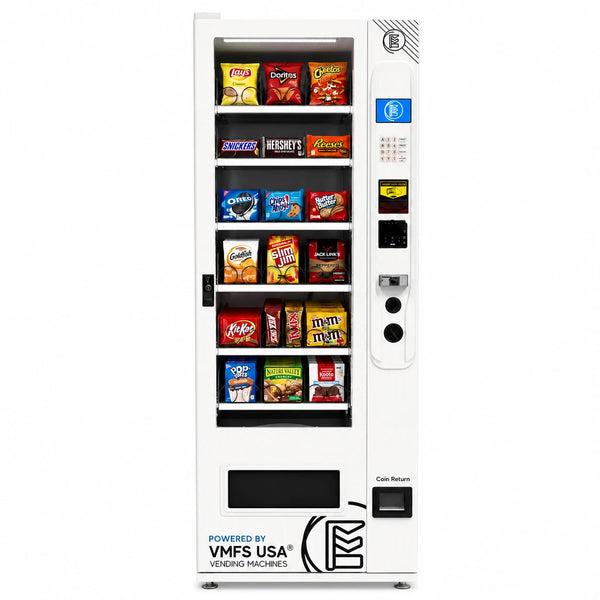
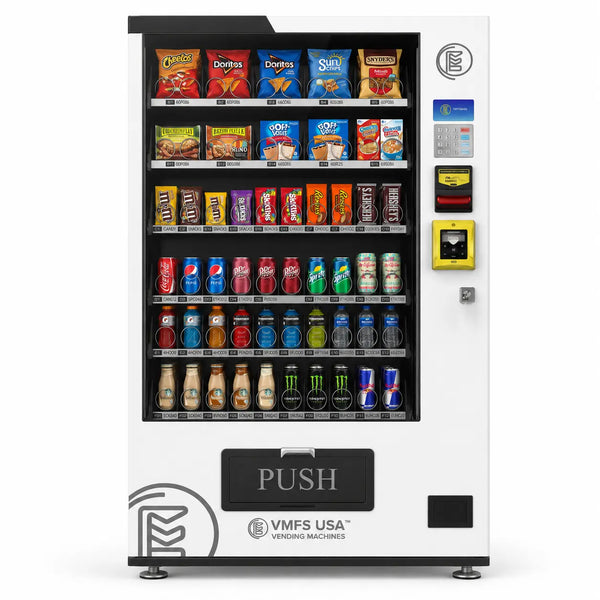
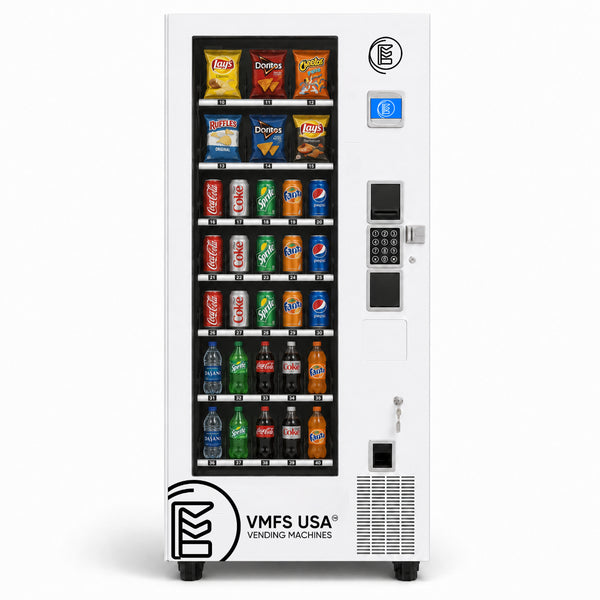
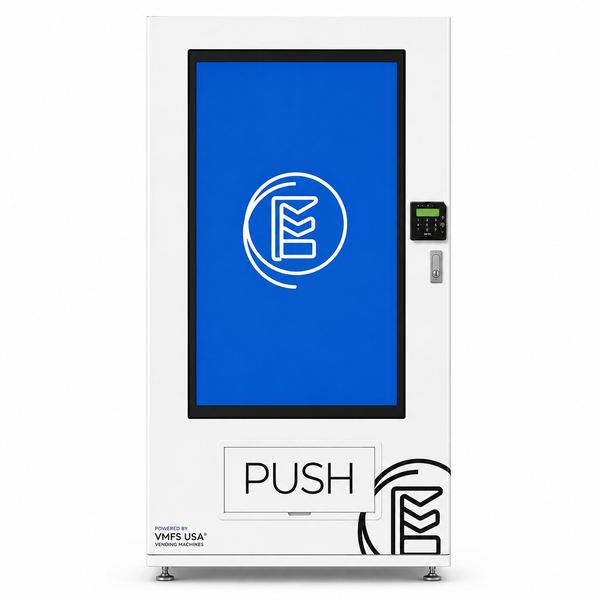
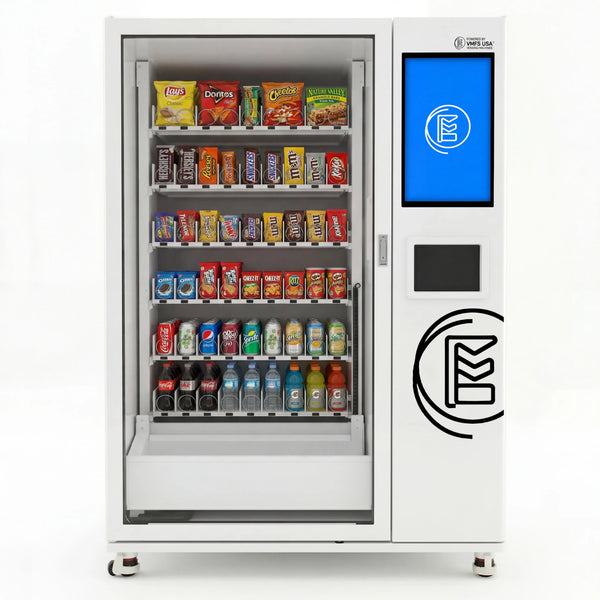
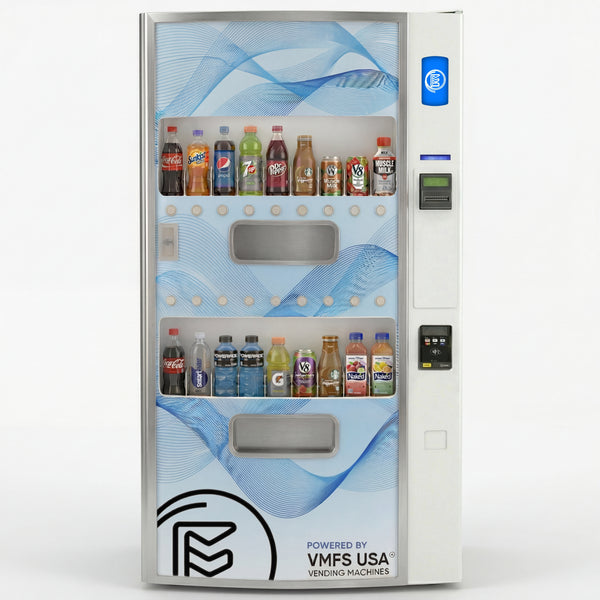
Soda and Drink Vending Machines Available for Washington
Every unit below ships configured, compliance-ready, and backed by VMFS Cloud monitoring.


How Operators Use Soda and Drinks Vending in Washington
Federal Office Building Breakroom
Washington, DC's federal workforce fills buildings across the National Mall, including the Eisenhower Executive Office Building, the EPA headquarters on Constitution Avenue, and the Social Security Administration complex in Woodlawn. A drink vending machine stocked with sodas, sparkling water, energy drinks, and bottled water serves the thousands of civil servants and contractors working long shifts. The refrigerated cabinet maintains consistent cold temperatures throughout the day, while the high-capacity 300 to 800 drink configuration eliminates the need for daily restocking even during peak demand periods around 10 AM and 3 PM. Drop-down delivery ensures reliable dispensing of cans and bottles without jamming. Federal employees appreciate convenient hydration access during work hours, boosting retention and productivity for both government agencies and private contractors operating on-site, with net profit typically ranging from $150 to $400 per machine per month after restocking costs of $200 to $500.
Law Firm and Lobbying Office Common Area
Major law firms and lobbying operations cluster in K Street corridors and buildings like the Carlyle House and Burnham Building, where professionals work extended hours on complex deals and legislation. These offices stock sodas, premium bottled water, juices, and energy drinks to support attorneys and consultants during late-night document reviews and client meetings. The soda vending machine keeps every beverage ice-cold in a 400 to 600 drink capacity unit, reducing demand on shared refrigerators and delivering consistent quality throughout the day and evening. Elevator delivery handles premium cans and bottles without damage. High-income professionals make frequent impulse purchases during stressful deadlines, generating $250 to $400 net profit per machine monthly, with restocking investment between $200 and $500.
Hotel Lobby and Guest Corridor
Washington, DC's hotels including the Willard Intercontinental, The Hay-Adams, and the Pod DC Hotel chain serve tourists, government officials, and business travelers around the clock. Premium drink vending machines stock sodas, bottled water, juices, and sports drinks, with select properties licensed to offer beer and wine for guest convenience. The refrigerated cabinet ensures cold drinks are always available 24/7 without reliance on front desk staff or room service, and the 400 to 800 drink capacity handles sustained guest demand across multiple floors without daily restocking. Drop-down delivery protects bottles and cans during each transaction. Hotels benefit from incremental revenue without staff labor, typically generating $200 to $400 net profit per machine per month after $200 to $500 per fill, while guests appreciate instant access to beverages outside normal service hours.
Sports League and Training Facility
Washington, DC's professional sports teams, university athletic departments, and independent training facilities including the Washington Commanders complex, Georgetown University athletics, and numerous CrossFit and boxing gyms rely on immediate beverage access. Machines stock electrolyte sports drinks like Gatorade and Powerade, protein shakes, energy drinks, and coconut water tailored to athlete and trainer needs before and after intense sessions. The refrigerated drink vending machine maintains ideal serving temperature for performance beverages, while the 300 to 600 drink capacity supports high-volume purchase windows before practice and competition without requiring restock between sessions. Elevator delivery safely dispenses tall energy drink cans and shake bottles. Athletes and trainers make regular impulse purchases during peak training times, generating $250 to $400 net profit per machine monthly, with restocking cost of $200 to $500, making machines a standard amenity that supports member retention and facility revenue.
What Ships With Every Soda and Drinks Unit
Regulations for Operating in Washington, DC
Licensing, permits, sales tax, and health department standards for soda and drinks vending operators in District of Columbia.
{"type":"root","children":[{"type":"paragraph","children":[{"type":"text","value":"State License Requirements
In the District of Columbia, the Department of Health (DOH) and the Department of Consumer and Regulatory Affairs (DCRA) oversee vending machine operations. Operators selling refrigerated beverages including sodas, juices, bottled water, energy drinks, sports drinks, and protein shakes must obtain a Mobile Food Unit License or Vending Machine License from DCRA if the machine is considered a food service establishment, or may operate under a General Business License depending on the machine type and ownership structure. The District of Columbia does not have a state-level beverage container deposit (bottle bill) law. However, the District of Columbia implemented a sugary beverage tax effective June 1, 2020, which imposes a 1.5 percent sales tax on beverages containing added sugars sold in the District; this tax applies to sodas, energy drinks, sports drinks, and similar products, but bottled water and unsweetened beverages are exempt. Operators must register for a District of Columbia sales tax license through DCRA's Office of Tax and Revenue (OTR) and obtain an Employer Identification Number (EIN) from the IRS; business entity formation (LLC, corporation, sole proprietorship) is required prior to licensure. Bottled water must comply with FDA labeling standards if packaged off-site and must be sourced from approved suppliers; protein shakes containing dairy must comply with dairy product handling and labeling requirements under District health code; all juice products must display clear labeling of juice content percentage. Vending machine licenses must be renewed annually, and operators should verify current renewal procedures and fees by contacting DCRA. Alcohol vending (beer or wine) is not permitted through vending machines under District law.
City and County Permits
The District of Columbia operates as both a city and county entity, so all permitting is handled through District agencies. Operators must obtain a Basic Business License from DCRA; a Vending Machine License or Mobile Food Unit License (depending on machine classification) from DCRA's Food Service and Health Regulation Administration; and may require a Certificate of Use or zoning approval depending on the intended placement location. Fire safety inspection and approval may be required for certain locations, particularly in commercial or institutional settings; contact the DC Fire and Emergency Medical Services Department to determine if your placement requires fire safety clearance. Coin-operated machine operators do not require a separate machine declaration in the District, but the vending machine license serves as the primary registration. The District of Columbia sugary beverage tax (1.5 percent) is a local tax that must be collected and remitted by the vending operator; this applies to the vending machine sale of sugar-sweetened beverages. Surrounding jurisdictions in Maryland and Virginia have their own separate licensing and tax requirements if machines are placed outside the District boundary. Vending machine licenses must be renewed annually; late renewal may result in penalties and license suspension. For specific permit requirements and applications, contact DCRA at 202-442-4623 or visit the DCRA website; for health and food service licensing, contact the Food Service and Health Regulation Administration.
Sales Tax Rate
The District of Columbia sales tax rate is 5.75 percent on taxable tangible property. Beverages are generally taxable in the District; however, bottled water (plain water with no additives, flavoring, or carbonation) is exempt from sales tax, while sodas, energy drinks, sports drinks, flavored water, and juices are taxable. Milk-based protein shakes are treated as milk products and may qualify for a lower tax rate or exemption depending on specific formulation and state classification; operators should verify the tax treatment of specific protein shake products with the Office of Tax and Revenue. The District of Columbia sugary beverage tax of 1.5 percent applies in addition to the standard sales tax on beverages containing added sugars; this means a soda sale would be subject to both the 5.75 percent sales tax and the 1.5 percent sugary beverage tax, for a total combined rate of 7.25 percent on sugar-sweetened beverages, while unsweetened beverages are subject only to the 5.75 percent sales tax. Operators must register for a sales tax license with the Office of Tax and Revenue (OTR) within the District of Columbia and file monthly or quarterly sales and use tax returns depending on business volume; registration is completed through DCRA and OTR. The District of Columbia does not have a specific economic nexus threshold for remote sellers; federal economic nexus rules under South Dakota v. Wayfair apply, meaning out-of-state sellers making sales into the District may owe District sales tax if they exceed federal nexus thresholds (generally $100,000 in sales or 200 transactions in a calendar year).
Health Department Standards
The District of Columbia Department of Health oversees health and safety standards for beverage vending machines. Refrigerated machines must maintain internal temperatures between 32 degrees Fahrenheit and 41 degrees Fahrenheit for cold beverages and must include a visible, calibrated thermometer; machines must have automatic shut-off features if refrigeration fails and must use food-grade, cleanable interior surfaces free of cracks and damage. Placement rules require machines to be located in compliant facilities with adequate electrical service, proper drainage where applicable, and access for routine inspection and service; machines cannot be placed in food preparation areas but may be placed in breakrooms, lobbies, and designated vending areas of commercial, institutional, or retail locations. Operational requirements include date-marking on perishable products such as protein shakes and dairy-containing beverages with a clear "Use By" or "Best By" date visible to consumers; all labels must be fully visible and legible, including ingredient lists, allergen warnings, and nutritional information. The DOH conducts unannounced inspections of vending locations, particularly in regulated settings such as schools, healthcare facilities, and government buildings; secondary local health department oversight applies in schools (DC Public Schools) and healthcare facilities (hospitals and clinics), which may impose additional restrictions on vending machine placement and product offerings. Environmental considerations specific to Washington, District of Columbia include compliance with local waste management and recycling requirements for beverage containers; operators should ensure machines are located where customers can properly dispose of bottles and cans. VMFS soda and drink vending machines deployed in Washington, District of Columbia ship with the appropriate health and safety specifications, including modular refrigeration units with eco-friendly refrigerants (HFC-free or low-GWP alternatives), digital temperature monitoring, stainless steel or commercial-grade interiors, and a 3-year comprehensive warranty covering parts and labor.
Disclaimer
Regulatory information is for reference only and current as of 2026. Operators should verify current requirements with the relevant agency before deployment. VMFS USA is not a legal or tax advisor. For operator-side legal guidance covering placement contracts, host venue agreements, documentation, business incorporation, tax registration, licenses, and permits, operators can consult VAdviced at https://vadviced.com. For professional placement and location matching support, operators can work with VPlaced at https://vplaced.com."}]}]}
Washington at a Glance
Geographic Identity
- County
- Independent City
- Metro Area
- Washington-Arlington-Alexandria, DC-VA-MD-WV
- Time Zone
- America/New_York (Eastern Time)
- Area Codes
- 202, 771
- ZIP Codes
- 20001 to 20599
- Primary Airport
- DCA Ronald Reagan Washington National Airport
- Secondary Airport
- IAD Washington Dulles International Airport
- Major Port
- None
- Nickname
- The Nation's Capital
Market Stats
- City Population
- 705,749
- Metro Population
- 6.3 million
- Annual Visitors
- 24.6 million (2023)
- Visitor Economy
- 17.8 billion annual economic impact
- Airport Passengers
- 90 million annual travelers through DCA, IAD, and BWI
- Hospitality Jobs
- None
- Top Industries
- Federal Government, Tourism and Hospitality, Professional Services, Healthcare, Education, Real Estate
- Demand Driver
- Federal government employment, international diplomatic activity, and year-round cultural tourism centered on world-class museums and national monuments drive consistent visitation and economic activity.
Climate Profile
- Climate Zone
- Humid Subtropical
- Average Humidity
- 55 to 65 percent year round
- Summer High
- 88 to 92 degrees Fahrenheit with moderate to high humidity from June through September
- Winter Low
- regularly drops to 28 to 35 degrees Fahrenheit, occasional freezing conditions requiring winter weatherproofing
- Seasonal Hazard
- None
- Environmental Exposure
- Urban heat island effect in dense commercial areas increases cooling demand, and occasional flooding in low lying neighborhoods near Rock Creek and the Anacostia River requires elevated mounting for ground floor placements.
- Deployment Note
- Washington's humid subtropical climate with moderate temperature extremes and seasonal freeze risk requires weatherproofed units with sealed electronics and enhanced drainage for outdoor and semi-outdoor deployments. Winter freeze protection and robust refrigeration cycles handle both summer cooling demand and cold weather operation. VMFS ships all Washington outdoor units with weatherproofed housing, sealed electronics, and reinforced refrigeration cycles as standard specification.
Location & Service Area
- Key Neighborhoods
- Downtown, Capitol Hill, Georgetown, U Street Corridor, Dupont Circle, Logan Circle, Foggy Bottom, Adams Morgan, Anacostia, Shaw, Kalorama, Glover Park
- Nearby Cities
- Arlington, Alexandria, Bethesda, Silver Spring, Takoma Park, Falls Church, Fairfax
- Service Radius
- VMFS delivers, installs, and services machines throughout the District of Columbia and Arlington County, with extended coverage to Montgomery County and Fairfax County on request.
Your Location. Working 24/7.
Answers to common questions from Washington operators. Didn't see yours? Send us a message — our US-based team responds within one business day.
How much net profit can a property owner expect from hosting a soda vending machine in Washington, DC?
What drink products stock best in Washington, DC vending machines?
How often does a soda vending machine need restocking in a Washington, DC office building or gym?
What electrical requirements and space does a drink vending machine need in a Washington, DC facility?
What happens if the vending machine breaks down or needs warranty service in Washington, DC?
How do placement agreements and revenue sharing work for vending machines in Washington, DC properties?
Deploy Drink and Soda Vending Machines in Washington, DC Today
Request a custom quote today for
soda vending machines
and drink vending machines at your Washington, DC location, and we handle machine selection, delivery, configuration, and ongoing support from start to finish. Every deployment begins with a site assessment covering foot traffic patterns, drink mix balance across sodas water juices and sports drinks, refrigeration and power requirements, network setup for the cloud platform, and placement strategy can be coordinated through our
placement experts
for operators seeking professional location matching in the district. Whether you need a single unit in a corporate breakroom downtown or a rollout of 30 or more machines across a hospital system, university campus, or hotel chain in Washington, DC, the quote includes hardware, installation, training, and 12 months of cloud monitoring at no extra cost.
Deploy Soda and Drinks Vending Across Washington
1,200+ machines deployed. 1-year warranty standard. Free lifetime support. One team from site survey to uptime.