


Generate reliable revenue with our premium soda and beverage vending machines. We deliver, stock, and maintain everything for your Missoula business.
Generate reliable revenue with our premium soda and beverage vending machines. We deliver, stock, and maintain everything for your Missoula business.
Stop Guessing. Configure Your Soda and Drinks Vending Machine.
Answer a few quick questions about your location, your product mix, your temperature needs, and your budget. Our Soda and Drinks Vending System will match you with the right base model, add the right modules (refrigeration, ad screen, outdoor protection, payment suite), and show you real time pricing and lead time as you build.
Skip the back and forth. Skip the spec sheet overwhelm. See your exact configuration, your exact cost, and your exact delivery window before you commit.
- Real time pricing as you add or remove features
- Live lead time estimate based on your configuration
- Recommended product mix for your location type
- Capacity, slot count, and weight limits shown per setup
- Option presets for food, drinks, electronics, retail, and frozen
Why Drink Vending Machines?
A soda vending machine from VMFS USA delivers premium beverage solutions throughout Missoula, Montana. Our
drink vending machines
dispense sodas, carbonated beverages, juices, bottled water, energy drinks, sports drinks, and protein shakes from a single refrigerated cabinet. These cold drink vending machines feature capacities ranging from 240 to 800 beverages across up to 60 adjustable slots, with premium models offering drop-down or elevator delivery systems. Our beverage vending machines include modular refrigeration with eco-friendly refrigerants, double-layer toughened glass with optional defogging technology, and the VMFS Cloud dashboard for real-time sales and inventory tracking to optimize your vending operations.
Refrigerated Beverage Cabinet
Modular refrigeration with eco-friendly refrigerants keeps sodas, water, juices, energy drinks, sports drinks, and protein shakes consistently cold in any climate
High-Capacity Drink Format
Up to 800 drinks across up to 60 adjustable slots, supporting standard cans, slim cans, energy drink cans, sports bottles, and full-size soda bottles in a single cabinet
Reliable Delivery System
Drop-down delivery on standard models with elevator delivery on premium models for damage-free vending of bottles, cans, and tall energy drinks
Universal Venue Fit
Designed for offices, gyms, schools, hospitals, hotels, retail spaces, transit hubs, and any high-traffic venue where cold beverage demand exists
3-Year Comprehensive Warranty
Industry-leading 3-year warranty covering parts and replacements, with U.S.-based support, real-time VMFS Cloud monitoring, and photoelectric sensors for accurate dispensing
Why Soda and Drink Machines Perform in Missoula, Montana
Missoula's thriving university population and outdoor recreation economy create exceptional demand for cold beverages across campus facilities, fitness centers, and adventure retail hubs. The University of Montana's 10,000+ students and staff require 24/7 hydration access in dormitories, libraries, and athletic facilities, while Missoula's gym and climbing culture drives consistent beverage consumption.
Soda vending machines
capitalize on these venues by offering unattended cold drink access without labor costs, with 300–800 capacity models perfect for high-traffic locations and real-time inventory tracking preventing stockouts. Missoula's dry climate and active lifestyle amplify year-round hydration demand, while the city's tourism and outdoor industry create additional foot traffic in hotels and retail spaces. Operators typically earn $150–$400 monthly profit per machine after restocking, and
professional placement services
help identify optimal university, gym, and hospitality locations for maximum revenue.
Best Locations in Missoula
High-value deployment sites where soda and drinks vending delivers the strongest revenue per square foot.
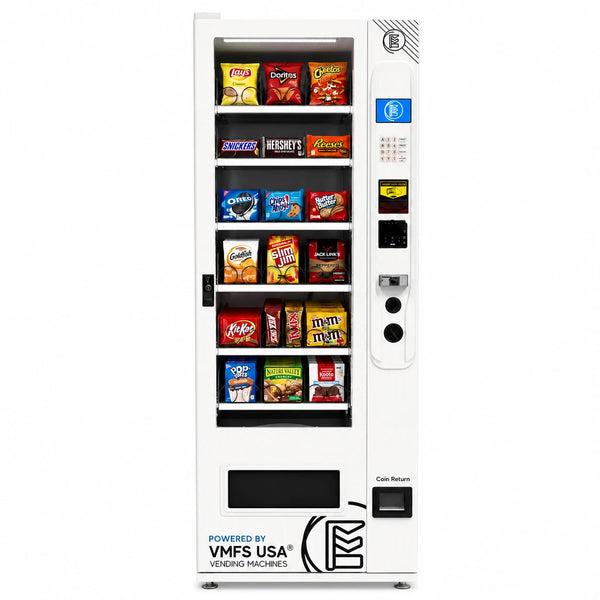
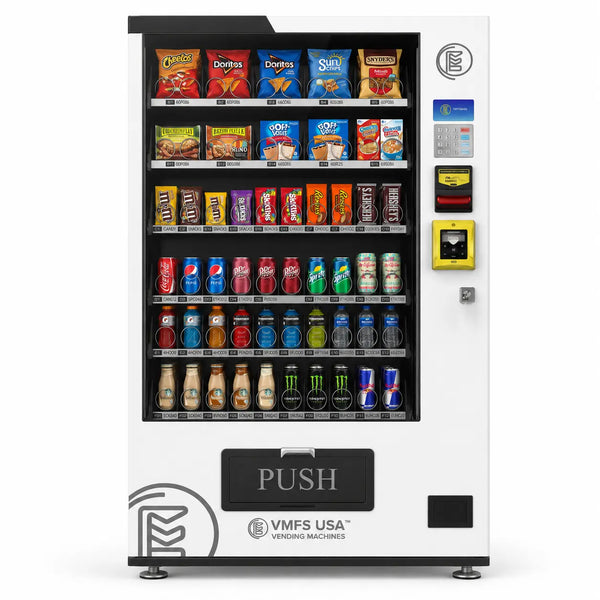
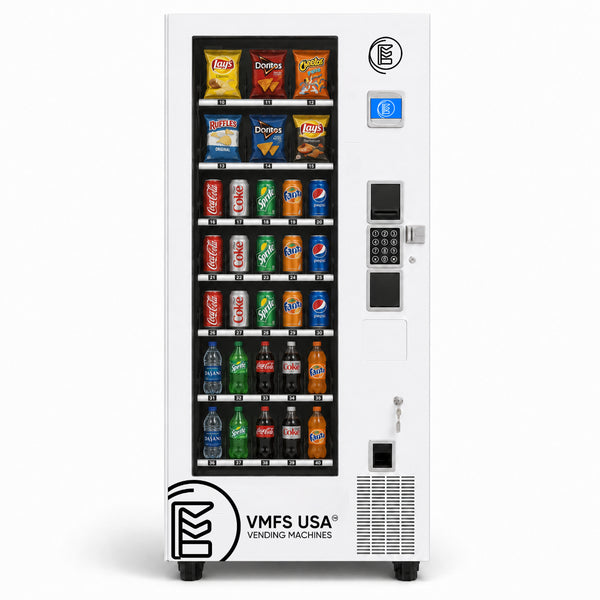
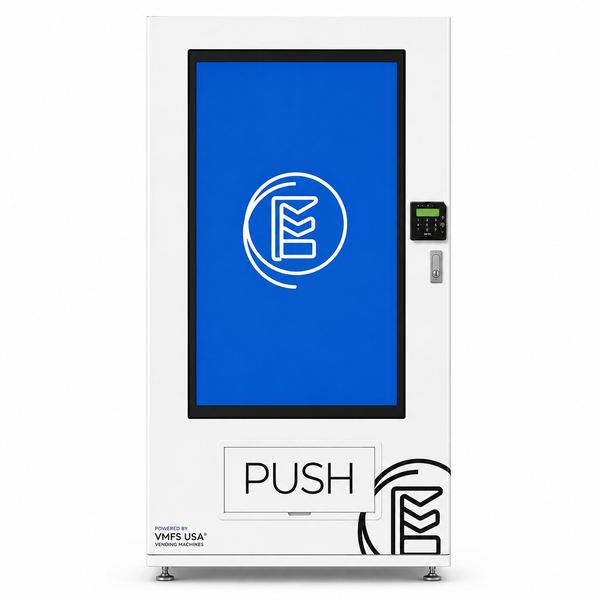
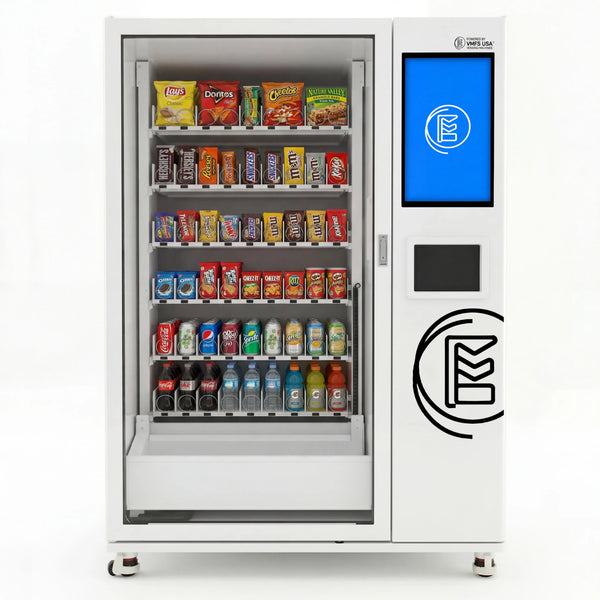
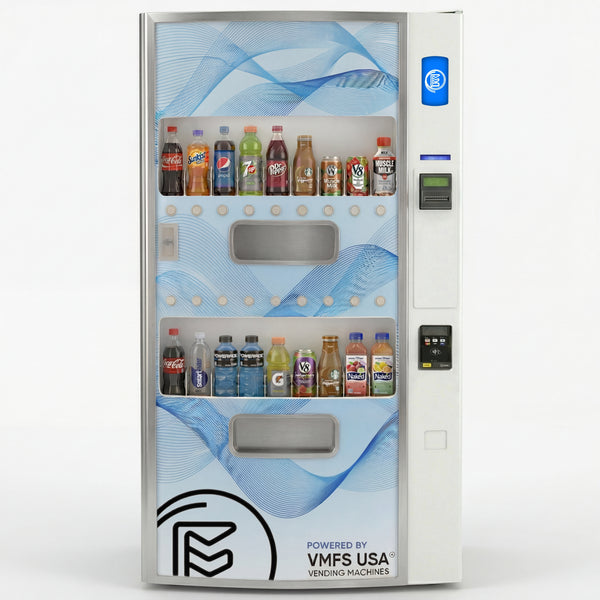
Soda and Drink Vending Machines Available for Missoula
Every unit below ships configured, compliance-ready, and backed by VMFS Cloud monitoring.


How Operators Use Soda and Drinks Vending in Missoula
University Dormitory And Student Housing
The University of Montana residence halls and off-campus student housing complexes in the Fort Missoula and Rattlesnake neighborhoods serve thousands of students living without kitchen access. Machines stock sodas, energy drinks, sports drinks, and protein shakes tailored to student study sessions and post-workout recovery. A refrigerated drink vending machine maintains ice-cold beverages consistently available while the 300 to 800 drink capacity handles sustained demand across multiple floors without daily restocking, and drop-down delivery protects cans and bottles from damage. Students purchase impulsively during late-night study sessions and between classes, generating $200 to $400 net profit per month after restocking costs of $200 to $500 per fill, with reliable 24/7 access driving adoption during hours when dining facilities close.
Outdoor Recreation And Trailhead Access
Popular trailheads and outdoor recreation hubs serving hikers, runners, and cyclists accessing trails near Pattee Canyon, Blue Mountain, and the Five Valleys region depend on cold hydration at parking areas and trailhead facilities. Machines stock bottled water, sports drinks like Gatorade and Powerade, electrolyte beverages, and energy drinks for athletes preparing for or recovering from sustained physical activity. The refrigerated soda vending machine ensures every bottle stays cold even during hot summer months when trail traffic peaks, and the high-capacity 400 to 800 drink configuration handles weekend crowds and seasonal demand without frequent restocking, while elevator delivery systems safely dispense tall bottles and cans. Outdoor users make repeat purchases as a trip necessity, generating $250 to $400 net profit monthly, making trailhead placement reliable revenue due to consistent seasonal foot traffic from Missoula's active recreation culture.
Fitness Facility And Climbing Gym
CrossFit boxes, traditional gyms, and climbing gyms including facilities in the Palmer and Westside corridors attract members during peak hours and off-peak recovery periods seeking immediate post-workout hydration. Machines stock electrolyte sports drinks, protein shakes, coconut water, energy drinks, and bottled water formulated for muscle recovery and sustained training performance. A fully refrigerated drink vending machine keeps electrolyte solutions and protein formulations at ideal serving temperature while the 300 to 600 drink capacity handles morning, lunch, and evening training rushes without depleting inventory, and reliable drop-down delivery prevents damage to protein shake bottles. Gyms retain members by removing friction from post-workout nutrition, driving impulse purchases between sets and after class, yielding $200 to $350 net profit per machine monthly and establishing the facility as a complete training ecosystem.
Brewery Taproom And Licensed Entertainment Venue
Breweries, taprooms, and live music venues in downtown Missoula including historic South Higgins Avenue and the Clark Fork Riverfront District serve guests who consume beverages during events, shows, and social gatherings. Machines stock premium bottled water, sodas, juices, and energy drinks as non-alcoholic options, and licensed venues can stock beer and wine selections in premium models to generate additional per-unit revenue alongside the core beverage mix. A refrigerated drink vending machine with premium elevator delivery provides consistent temperature and reliable access to cold beverages during peak event hours when staff focus on live service, and the 400 to 800 drink capacity serves crowds without restocking interruptions. Venue operators capture additional margin on guest beverage spending without expanding behind-the-bar inventory, generating $250 to $400 net profit monthly while improving guest experience with 24/7 self-service options during event downtime.
What Ships With Every Soda and Drinks Unit
Regulations for Operating in Missoula, MT
Licensing, permits, sales tax, and health department standards for soda and drinks vending operators in Montana.
State License Requirements
In Montana, the Department of Revenue (DOR) oversees sales tax registration for all vending operations, while the Montana Department of Labor and Industry, Food Safety Division, regulates food and beverage vending machines. Operators selling refrigerated beverages including sodas, juices, bottled water, energy drinks, sports drinks, and protein shakes must obtain a Food Service License from the Montana Department of Labor and Industry. Montana does not have a state bottle deposit law (no mandatory beverage container deposits apply), so operators do not need to manage deposit redemption. Montana does not impose a state-level sugary beverage tax. To register for sales tax, operators must apply with the Montana Department of Revenue for a Sales Tax License; this is required for all retailers selling taxable beverages. An EIN (Employer Identification Number) from the IRS and a Montana business entity registration through the Montana Secretary of State are required. For bottled water, packaging must comply with FDA labeling standards for drinking water. Dairy-containing protein shakes must comply with state dairy labeling requirements. Juice products must display required ingredient and allergen labeling per FDA regulations. Food Service Licenses typically renew annually. Montana does not permit alcohol vending in unattended machines for wine or beer under current state law.
City and County Permits
Missoula city government requires operators to obtain a City Business License through the Missoula City-County Planning Department. A Certificate of Occupancy or Certificate of Use may be required depending on machine placement location (retail, food service, institutional). Zoning verification is necessary; operators should confirm that vending machines are permitted in the proposed location's zoning classification, as some zones restrict coin-operated machines. Fire safety approval may be required if the machine is placed in a public or commercial building; contact the Missoula Fire Department for inspection requirements. At the county level (Missoula County), check with the Missoula County Health Department for any additional permitting if machines are placed outside city limits or in unincorporated areas. A Declaration of Coin-Operated Machine or similar filing may be required by the city; contact the Missoula Finance Department for clarification. Missoula does not currently impose a local sugary beverage tax. Surrounding municipalities (e.g., Frenchtown, Lolo) may have different requirements if machines are placed outside Missoula proper. City business licenses typically renew annually; late renewal penalties vary and should be confirmed with the City Finance Department at (406) 552-6075.
Sales Tax Rate
The combined sales tax rate in Missoula, Montana is 3 percent (3% Montana state sales tax; Missoula County does not impose a county surtax). Sodas, energy drinks, sports drinks, and protein shakes are taxable beverages. Bottled water is exempt from Montana sales tax. Operators must charge and remit the 3% tax on all taxable beverage sales. Montana does not impose a sugary beverage excise tax at the city or county level. Operators register and remit sales tax through the Montana Department of Revenue; registration is completed via their online system or by mail. No local sugary beverage excise tax applies. Montana has no economic nexus threshold for out-of-state remote sellers at this time, though operators should confirm current multistate tax obligations with a tax professional.
Health Department Standards
The Montana Department of Labor and Industry, Food Safety Division, sets statewide standards for refrigerated beverage vending machines. The Missoula City-County Health Department enforces local compliance and conducts routine and unannounced inspections. Machines must maintain refrigeration temperatures at 41 degrees Fahrenheit or below for perishable beverages such as dairy-containing protein shakes and other temperature-controlled products. Equipment must include functioning thermometers, accessible door seals, and automatic shut-off mechanisms if specified by local code. Machine surfaces must be food-grade and cleanable. Placement must comply with local health guidelines and avoid restricted areas such as bathrooms or chemical storage zones. Operators must date-mark any perishable products (e.g., protein shakes with milk or dairy) and ensure label visibility for allergen and ingredient information. The Missoula City-County Health Department conducts unannounced inspections; operators should expect compliance verification visits. Secondary health oversight may apply if machines are placed in schools (Missoula County Public Schools), healthcare facilities (Missoula hospitals and clinics), or government buildings (City of Missoula facilities); contact the respective institution for additional placement agreements and standards. Missoula's climate includes cold winters and mild summers; machines should include insulation and temperature controls adequate for outdoor winter placement if applicable. VMFS soda and drink vending machines deployed in Missoula ship with the appropriate spec standard, including modular refrigeration with eco-friendly refrigerants and a 3-year comprehensive warranty.
Disclaimer
Regulatory information is for reference only and current as of 2026. Operators should verify current requirements with the relevant agency before deployment. VMFS USA is not a legal or tax advisor. For operator-side legal guidance covering placement contracts, host venue agreements, documentation, business incorporation, tax registration, licenses, and permits, operators can consult <a href="https://vadviced.com">VAdviced</a>. For professional placement and location matching support, operators can work with <a href="https://vplaced.com">VPlaced</a>.
Missoula at a Glance
Geographic Identity
- County
- Missoula County
- Metro Area
- Missoula, MT Metropolitan Statistical Area
- Time Zone
- America/Boise (Mountain Time)
- Area Codes
- 406
- ZIP Codes
- 59801 to 59808
- Primary Airport
- MSO Missoula International Airport
- Secondary Airport
- None
- Major Port
- None
- Nickname
- None
Market Stats
- City Population
- 123,899
- Metro Population
- 0.149 million
- Annual Visitors
- None
- Visitor Economy
- None
- Airport Passengers
- 0.9 million annual travelers through MSO
- Hospitality Jobs
- None
- Top Industries
- Education and Healthcare, Timber and Wood Products, Tourism and Recreation, Professional Services, Retail Trade
- Demand Driver
- University of Montana student population, outdoor recreation access, and regional healthcare services drive local consumer demand and foot traffic.
Climate Profile
- Climate Zone
- Northern Continental
- Average Humidity
- 40 to 60 percent year round
- Summer High
- 85 to 90 degrees Fahrenheit, peak in July and August
- Winter Low
- regularly below 20 degrees Fahrenheit, indoor placements recommended during winter months
- Seasonal Hazard
- Heavy Snow, November to March
- Environmental Exposure
- Winter snow load and spring runoff require elevated mounting and enhanced drainage for ground level placements.
- Deployment Note
- Missoula's cold winters and moderate snow load require weatherproofed units with sealed electronics and insulated compartments for reliable operation. VMFS ships all Missoula outdoor units with cold weather and moisture protection as standard.
Location & Service Area
- Key Neighborhoods
- Downtown Missoula, University District, Northside, Southside, Rattlesnake, Lincoln Hills, Five Points, Westside, East Missoula, Marshall Canyon
- Nearby Cities
- Evaro, Frenchtown, Arlee, Seeley Lake, Bonner, Milltown, Potomac
- Service Radius
- VMFS delivers, installs, and services machines throughout Missoula County, with extended coverage to Ravalli County and Lake County on request.
Your Location. Working 24/7.
Answers to common questions from Missoula operators. Didn't see yours? Send us a message — our US-based team responds within one business day.
How much net profit can a property owner expect from hosting a soda vending machine in Missoula, MT?
What drink products work best in a refrigerated vending machine placed in Missoula, MT?
How often does a soda vending machine need restocking in a typical Missoula location?
What electrical requirements and space does a drink vending machine need at a Missoula property?
What happens if a vending machine breaks down or needs repair in Missoula?
Does the vending machine accept cashless payments, and what are the payment options for customers?
How should a property owner find the right vending machine placement strategy in Missoula?
What is included in the 3-year comprehensive warranty for a drink vending machine?
How do property owners and vending operators structure revenue sharing and placement contracts in Missoula?
Why is beverage vending demand particularly strong in Missoula, MT?
What maintenance does a vending machine operator perform, and how often?
Can machines be customized to match a property or venue in Missoula?
How does real-time VMFS Cloud monitoring benefit property owners and operators in Missoula?
What venues in Missoula, MT are ideal for soda and drink vending machine placement?
Are there restrictions on where drink vending machines can be placed in Missoula, MT?
How does seasonal tourism and winter weather in Missoula affect vending machine revenue?
What is the installation process and timeline for placing a vending machine in Missoula?
How do operators handle product selection and restocking based on venue feedback in Missoula?
What payment processing and revenue reconciliation happen with contactless payments in Missoula?
Can a property owner add or remove a vending machine from their Missoula location?
How does a property owner measure whether vending machine revenue justifies the space commitment in Missoula?
What happens if a customer has an issue with a vending machine transaction in Missoula?
Are there tax or licensing requirements for operating vending machines in Missoula, MT?
How does the refrigeration system perform during Missoula winters and temperature fluctuations?
What competitive advantage does a Missoula property gain by offering premium drink vending?
How do operators manage inventory across multiple Missoula locations efficiently?
What is the minimum foot traffic threshold for a profitable vending machine placement in Missoula?
How are placement decisions made for new vending machines entering the Missoula market?
What recourse does a property owner have if a vending machine is frequently empty or malfunctions in Missoula?
How do soda vending machines contribute to employee and customer satisfaction at Missoula venues?
What support does the operator provide to a property owner during the first 90 days of machine placement in Missoula?
How is the electrical cost for running a vending machine allocated between the operator and property owner in Missoula?
Why do hospitals and healthcare facilities in Missoula benefit from premium drink vending machines?
What happens if a vending machine location in Missoula experiences a significant drop in traffic?
How do operators handle product recalls or food safety issues with vending machines in Missoula?
What training or involvement does a property owner need to provide for vending machine operations in Missoula?
How do premium features like double-layer glass and defogging impact the customer experience in Missoula?
What data analytics does VMFS Cloud provide to help operators optimize vending routes in Missoula?
How do operators balance product diversity with machine capacity at Missoula venues?
What warranty coverage applies if a machine fails during a busy season in Missoula?
How do payment processing speeds compare between cash and contactless transactions in Missoula?
What flexibility exists if a property owner wants to adjust machine capacity or product mix during the contract in Missoula?
How do operators prevent theft or vandalism of vending machines at Missoula locations?
What revenue benchmarks should Missoula property owners expect from different venue types?
How are promotional or seasonal restocks handled in Missoula?
What steps do operators take to ensure the vending machine fits the aesthetic and culture of a Missoula venue?
How does the operator communicate regularly with property owners about machine performance in Missoula?
What happens to the vending machine if a property owner wants to terminate the agreement early in Missoula?
Deploy Drink and Soda Vending Machines in Missoula, MT Today
Request a custom quote today for
soda vending machines
and drink vending machines at your Missoula location, and we handle machine selection, delivery, configuration, and ongoing support from start to finish. Every deployment begins with a site assessment covering foot traffic patterns, drink mix balance across sodas water juices and sports drinks, refrigeration and power requirements, network setup for our cloud platform, and our
placement experts
can coordinate location strategy for operators seeking professional site matching across Missoula. Whether you need a single unit in a breakroom at a local tech office or a rollout of 30 or more machines across a university dormitory complex, the quote includes hardware, installation, staff training, and 12 months of cloud monitoring at no extra cost.
Deploy Soda and Drinks Vending Across Missoula
1,200+ machines deployed. 1-year warranty standard. Free lifetime support. One team from site survey to uptime.