


Transform Your Business with Premium Vending Solutions – High-Profit Soda and Beverage Machines Delivered and Serviced Throughout Detroit, Michigan Today
Transform Your Business with Premium Vending Solutions – High-Profit Soda and Beverage Machines Delivered and Serviced Throughout Detroit, Michigan Today
Stop Guessing. Configure Your Soda and Drinks Vending Machine.
Answer a few quick questions about your location, your product mix, your temperature needs, and your budget. Our Soda and Drinks Vending System will match you with the right base model, add the right modules (refrigeration, ad screen, outdoor protection, payment suite), and show you real time pricing and lead time as you build.
Skip the back and forth. Skip the spec sheet overwhelm. See your exact configuration, your exact cost, and your exact delivery window before you commit.
- Real time pricing as you add or remove features
- Live lead time estimate based on your configuration
- Recommended product mix for your location type
- Capacity, slot count, and weight limits shown per setup
- Option presets for food, drinks, electronics, retail, and frozen
Why Drink Vending Machines?
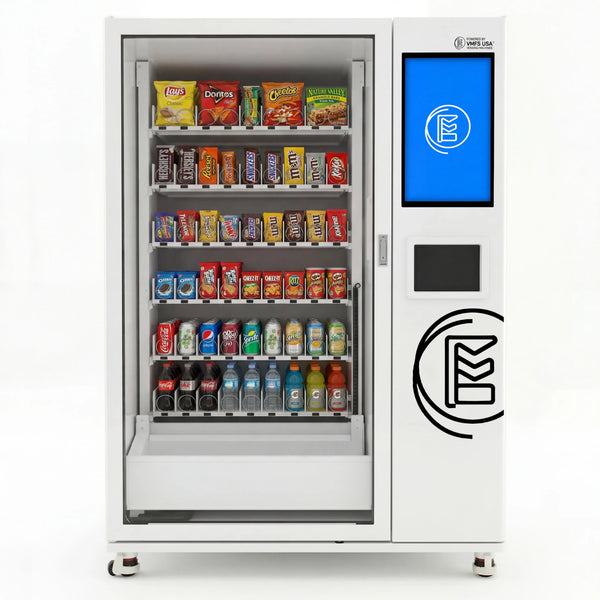
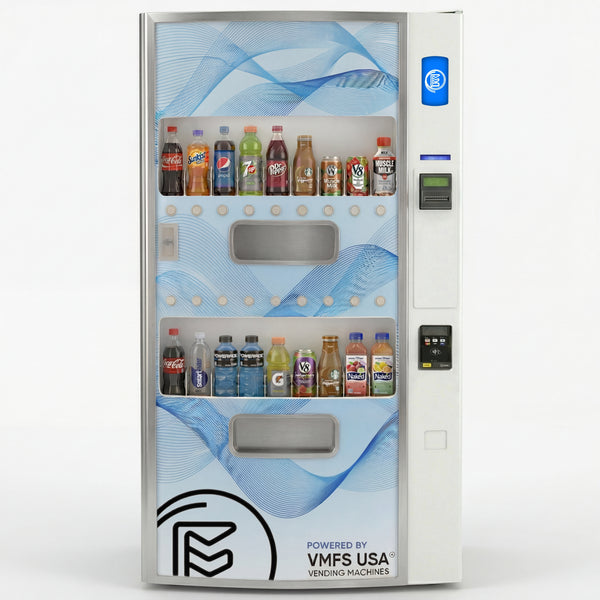
A soda vending machine offers Detroit businesses a versatile beverage solution, dispensing sodas, carbonated drinks, juices, bottled water, energy drinks, sports drinks, and protein shakes from a single refrigerated cabinet. Our premium drink vending machine models feature capacities ranging from 240 to 800 drinks across up to 60 adjustable slots, with advanced delivery options including drop-down and elevator mechanisms. These cold drink vending machines utilize modular refrigeration technology with eco-friendly refrigerants, reinforced double-layer toughened glass with optional defogging, and integrate seamlessly with the VMFS Cloud dashboard for real-time sales tracking and inventory management. Explore our complete selection of
soda vending machines
designed for maximum profitability and customer satisfaction across Detroit.
Refrigerated Beverage Cabinet
Modular refrigeration with eco-friendly refrigerants keeps sodas, water, juices, energy drinks, sports drinks, and protein shakes consistently cold in any climate
High-Capacity Drink Format
Up to 800 drinks across up to 60 adjustable slots, supporting standard cans, slim cans, energy drink cans, sports bottles, and full-size soda bottles in a single cabinet
Reliable Delivery System
Drop-down delivery on standard models with elevator delivery on premium models for damage-free vending of bottles, cans, and tall energy drinks
Universal Venue Fit
Designed for offices, gyms, schools, hospitals, hotels, retail spaces, transit hubs, and any high-traffic venue where cold beverage demand exists
3-Year Comprehensive Warranty
Industry-leading 3-year warranty covering parts and replacements, with U.S.-based support, real-time VMFS Cloud monitoring, and photoelectric sensors for accurate dispensing
Why Soda and Drink Machines Perform in Detroit, Michigan
Detroit's robust automotive and manufacturing sector generates dense corporate campuses and industrial facilities where employees demand convenient cold beverage access throughout shifts.
Soda vending machines
thrive in these high-traffic environments, offering 24/7 refreshment without staffing overhead while capturing $150–$400 monthly profit per unit. The city's growing health and fitness scene, combined with hospital networks and university populations, creates additional venues where hydration-focused cold drink machines perform exceptionally. Detroit's warm summers drive consistent beverage demand, while the machine's 300–800 capacity handles peak traffic in break rooms, lobbies, and transit hubs. Real-time inventory monitoring ensures reliability across geographically dispersed locations. Operators seeking optimal placement can leverage
professional placement services
to match machines with high-performing Detroit venues, maximizing ROI across the region's diverse venue mix.
Best Locations in Detroit
High-value deployment sites where soda and drinks vending delivers the strongest revenue per square foot.
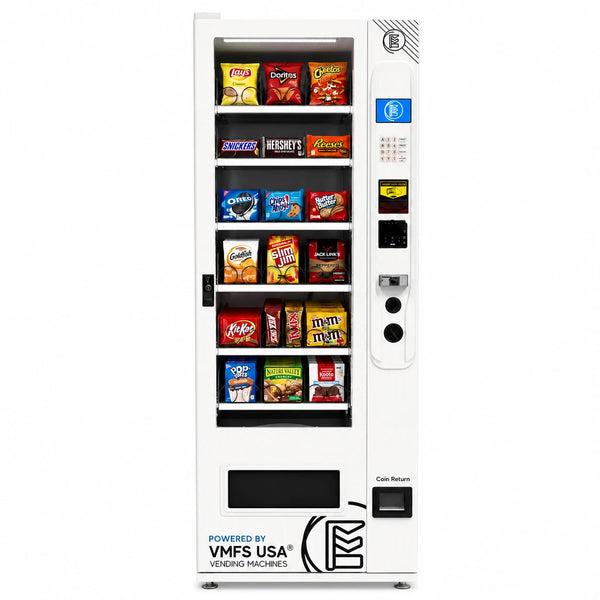
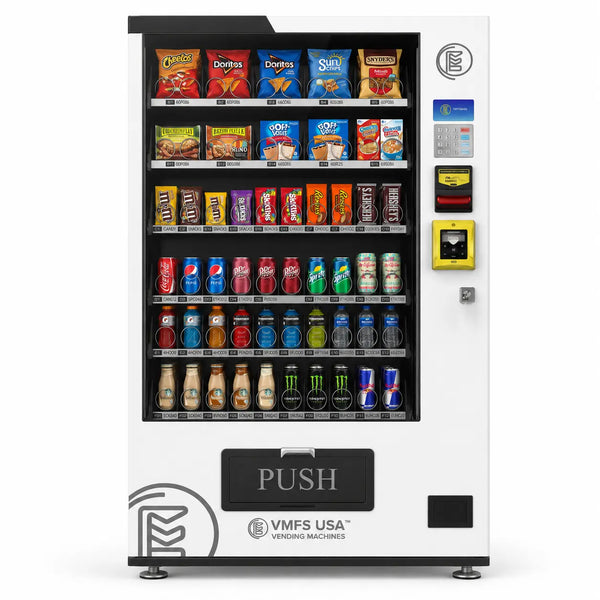
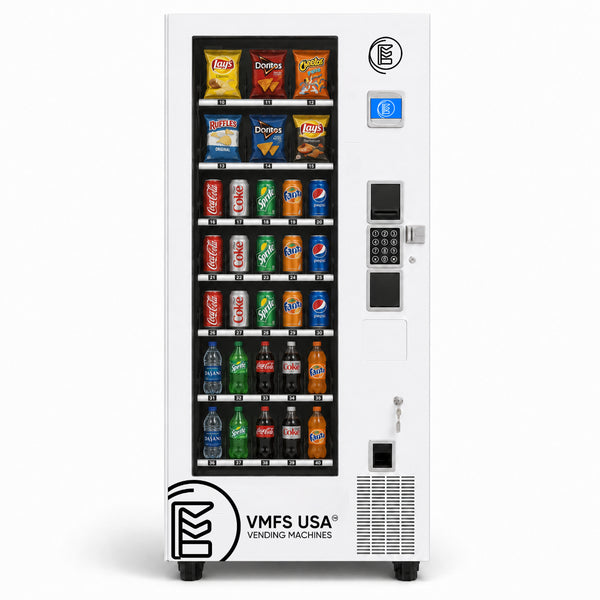
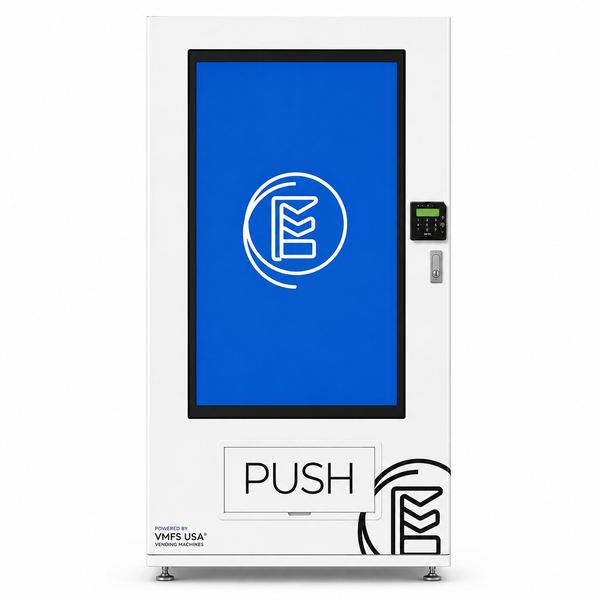
Soda and Drink Vending Machines Available for Detroit
Every unit below ships configured, compliance-ready, and backed by VMFS Cloud monitoring.


How Operators Use Soda and Drinks Vending in Detroit
Auto Manufacturing Facility Breakroom
Ford's Michigan Central headquarters, General Motors' Renaissance Center offices, and Stellantis engineering centers across Detroit house thousands of assembly line workers and salaried staff who rely on quick hydration and energy during shifts. A drink vending machine in these spaces stocks sodas, energy drinks like Red Bull and Monster, sports drinks like Gatorade, and bottled water to match the intensity of production schedules and office demands. The fully refrigerated cabinet maintains consistent cold temperatures through humid Michigan summers and industrial facility climates, while the 300 to 800 drink capacity handles sustained demand across multiple shifts without requiring daily restocking, and drop-down delivery ensures cans and bottles arrive intact. Net profit runs 150 to $400 per month after restocking, with fill costs between $200 to $500, making this category reliable because manufacturing facilities guarantee steady employee traffic and committed location partners seeking worker amenities that boost retention and morale.
Healthcare and Hospital Network
Henry Ford Health System, Detroit Medical Center, and Ascension sites operate 24/7 with rotating staff, patients, and family visitors spread across emergency departments, surgical units, and intensive care wards. The soda vending machine stocks bottled water, juices, energy drinks for night shift staff, and ready-to-drink beverages that sustain healthcare workers through long shifts and provide quick hydration for patients recovering in hospital corridors. The refrigerated drop-down delivery system keeps every drink at safe serving temperature and handles high-capacity 400 to 600 drink loads so nurses and doctors access cold beverages during overnight hours without waiting for manual restocking or relying on cafeteria schedules. Healthcare networks generate $200 to $400 monthly profit per machine because patient and staff populations are captive, guaranteed, and medically motivated to stay hydrated throughout the day and night.
Downtown Hotel and Hospitality Corridor
The Book Cadillac, Guardian Building, Westin Book Cadillac, and Hilton Detroit properties along the Corktown and downtown waterfront corridors host business travelers, convention guests, and leisure visitors who expect accessible cold beverages in lobbies and near meeting spaces. The drink vending machine stocks premium sodas, sparkling water, juices, bottled water, and on licensed properties beer and wine selections that appeal to corporate guests and tourists seeking convenient grab-and-go options without entering a bar or restaurant. The fully refrigerated cabinet with elevator or drop-down delivery maintains cold temperatures in high-traffic lobbies and guest corridors, and 500 to 800 drink capacity means the machine stays stocked through peak guest traffic without multiple daily fills. Hotels generate $250 to $400 net profit monthly because guest populations turn over frequently, impulse purchase rates are high, and 24/7 availability drives after-hours revenue when front desk and restaurant service are closed.
University and Student Housing
Wayne State University dormitories, housing complexes near the main campus, and student commons areas in Midtown house thousands of resident students who need quick access to cold drinks during study sessions, late-night work, and athletic activity. The soda vending machine stocks energy drinks, sodas, sports drinks like Powerade, protein shakes, and bottled water tailored to student schedules and fitness-focused hydration needs during exam periods and athletic training. The refrigerated drop-down delivery system provides reliable cold beverages during evenings and overnight hours when campus dining facilities close, and 400 to 600 drink capacity reduces restocking frequency so the machine remains fully stocked through high-volume student demand. Student housing and dormitory placements generate $180 to $350 net profit per month because resident populations are stable, repeat purchase rates are predictable, and off-hours access creates revenue when traditional campus food service is unavailable.
What Ships With Every Soda and Drinks Unit
Regulations for Operating in Detroit, MI
Licensing, permits, sales tax, and health department standards for soda and drinks vending operators in Michigan.
State License Requirements
In Michigan, the Department of Agriculture and Rural Development (MDARD) oversees food service licensing, including vending machines that dispense refrigerated beverages such as sodas, juices, bottled water, energy drinks, sports drinks, and protein shakes. Operators must obtain a Food Service License or Food Establishment License from MDARD if the machine dispenses potentially hazardous foods or beverages, particularly protein shakes containing dairy. Michigan has a Bottle Deposit Law (the Michigan Beverage Container Deposit Law) requiring a 10-cent deposit on most beer, soft drink, and water containers sold in the state; operators must be prepared to handle deposit redemption or clearly inform consumers of deposit obligations. There is no state-level sugary beverage tax in Michigan. Operators must register for a Michigan Sales Tax License through the Michigan Department of Treasury; an EIN from the IRS is required for business entities. Michigan does not require a specific commodity license for bottled water, but labeling must comply with FDA standards for bottled water products. Protein shakes containing milk must comply with dairy product labeling and handling rules. Sales tax permits are renewed annually, and late renewal may incur penalties. Operators must register with the Michigan Department of Licensing and Regulatory Affairs (LARA) if operating as a corporation, LLC, or partnership. Wine and beer vending machines are not permitted under Michigan law for off-premises consumption.
City and County Permits
In Detroit, Michigan, operators must obtain a City of Detroit Business License from the Detroit Department of Regulatory Affairs (DDRA) before placing vending machines; the DDRA can be reached at 313-628-2451. A Certificate of Occupancy or Certificate of Use may be required depending on placement location (retail, office, public building). Zoning compliance must be verified with the City of Detroit Planning and Development Department to ensure vending machine placement is permitted in the designated zone; contact 313-628-2451 for zoning inquiries. Fire Safety Compliance Certificate may be required if machines are placed in public buildings or multi-tenant facilities; contact the Detroit Fire Department at 313-628-2451 for requirements. Wayne County does not impose additional vending machine permits beyond those required by Detroit. No coin-operated machine declaration is currently required in Detroit, though operators should verify current regulations with DDRA. Detroit does not currently impose a local sugary beverage tax, though this should be confirmed with the city tax assessor as regulations can change. Surrounding municipalities such as Dearborn, Pontiac, and Farmington Hills may have separate permit requirements if machines are placed outside Detroit proper; operators should contact each municipality individually. City permits are typically renewed annually with renewal deadlines set by DDRA; late renewal penalties vary.
Sales Tax Rate
The combined sales tax rate in Detroit, Michigan is 6% (Michigan state sales tax rate of 6% plus no additional city or county surtax as of 2026). Bottled water is exempt from sales tax in Michigan when sold as a standalone product. Sodas, energy drinks, sports drinks, and flavored beverages are subject to the 6% sales tax. Protein shakes and dairy-containing beverages are subject to sales tax. There is no state or local sugary beverage excise tax in Michigan or Detroit. Operators must register for a Sales Tax License with the Michigan Department of Treasury and remit sales tax monthly or quarterly depending on sales volume; registration is completed online through the Treasury's website or by contacting the Michigan Department of Treasury at 517-636-4486. Out-of-state sellers with Michigan economic nexus (threshold currently at $150,000 in annual sales or 200+ transactions) must register and remit Michigan sales tax.
Health Department Standards
The Michigan Department of Agriculture and Rural Development (MDARD) Food and Dairy Division establishes health standards for refrigerated beverage vending machines. All machines must maintain internal temperatures of 41 degrees Fahrenheit or below for perishable beverages and 45 degrees Fahrenheit for certain shelf-stable products per FDA Food Code guidelines. Machines must have visible, accurate thermometers and automatic shut-off mechanisms if temperatures exceed safe ranges. All surfaces in contact with beverages must be food-grade and easily cleanable. Machines must be placed in clean, protected locations away from direct sunlight, excessive heat, and sources of contamination. Perishable products such as protein shakes and dairy-containing beverages must be date-marked with product manufacture or expiration dates clearly visible to consumers; all labels must comply with FDA labeling requirements including ingredient disclosure and allergen warnings. The Detroit Health Department (contact 313-876-4000) conducts unannounced inspections of vending machines in public buildings, schools, and healthcare facilities. Secondary health oversight is provided by school districts, hospital systems, and city government buildings, each of which may impose additional sanitation and placement requirements. Detroit's climate includes cold winters and humid summers; machines must be equipped with condensation control and drainage systems to prevent water accumulation and mold growth. VMFS soda and drink vending machines deployed in Detroit ship with the appropriate spec standard, including modular refrigeration with eco-friendly refrigerants and a 3-year comprehensive warranty.
Disclaimer
Regulatory information is for reference only and current as of 2026. Operators should verify current requirements with the relevant agency before deployment. VMFS USA is not a legal or tax advisor. For operator-side legal guidance covering placement contracts, host venue agreements, documentation, business incorporation, tax registration, licenses, and permits, operators can consult <a href="https://vadviced.com">VAdviced</a>. For professional placement and location matching support, operators can work with <a href="https://vplaced.com">VPlaced</a>.
Detroit at a Glance
Geographic Identity
- County
- Wayne County
- Metro Area
- Detroit-Warren-Dearborn
- Time Zone
- America/Detroit (Eastern Time)
- Area Codes
- 313, 248, 586
- ZIP Codes
- 48201 to 48235
- Primary Airport
- DTW Detroit Metropolitan Wayne County Airport
- Secondary Airport
- MBS MBS International Airport
- Major Port
- Port of Detroit, a freshwater port on the Detroit River
- Nickname
- The Motor City
Market Stats
- City Population
- 639,111
- Metro Population
- 4.3 million
- Annual Visitors
- None
- Visitor Economy
- None
- Airport Passengers
- 36 million annual travelers through DTW
- Hospitality Jobs
- None
- Top Industries
- Automotive Manufacturing, Advanced Manufacturing, Healthcare, Technology and Innovation, Logistics and Distribution, Financial Services, Professional Services
- Demand Driver
- Detroit's economy is driven by major automotive manufacturing operations, a strong medical and healthcare sector centered in the metro area, and growing technology and innovation clusters attracting corporate investment and talent.
Climate Profile
- Climate Zone
- Humid Continental
- Average Humidity
- 65 to 75 percent year round
- Summer High
- 83 degrees Fahrenheit average high from June through August
- Winter Low
- regularly below 20 degrees Fahrenheit, indoor placements recommended during winter months
- Seasonal Hazard
- Winter Lake Effect Snow, November to March
- Environmental Exposure
- Proximity to the Great Lakes increases freeze thaw cycles and salt spray exposure near waterfront areas, requiring corrosion resistant hardware for lakeside placements.
- Deployment Note
- Detroit's humid continental climate demands weatherproofed units with sealed electronics to withstand freeze thaw cycles and moderate humidity year round. Winter temperatures regularly drop below freezing, requiring insulated compartments and enhanced refrigeration cycles. Lake effect snow and seasonal moisture necessitate reinforced drainage and corrosion resistant housing, particularly for waterfront locations. VMFS ships all Detroit outdoor units with these specifications as standard.
Location & Service Area
- Key Neighborhoods
- Downtown Detroit, Midtown, Corktown, Rivertown, University District, New Center, Rosedale Park, Indian Village, Woodbridge, East English Village, West Village, Sherwood Forest
- Nearby Cities
- Dearborn, Dearborn Heights, Westland, Livonia, Plymouth, Canton, Inkster, Garden City
- Service Radius
- VMFS delivers, installs, and services machines throughout Wayne County, with extended coverage to Oakland and Macomb counties on request.
Your Location. Working 24/7.
Answers to common questions from Detroit operators. Didn't see yours? Send us a message — our US-based team responds within one business day.
What is the realistic monthly profit from hosting a soda vending machine in Detroit, MI, and how does revenue compare to restocking costs?
How often does a drink vending machine need restocking in Detroit, MI facilities, and what product mix works best for different venues?
What electrical infrastructure and installation space does a refrigerated soda vending machine require at a Detroit property?
How does the 3-year comprehensive warranty protect the host venue, and what happens if a machine breaks down?
Does the vending machine accept cashless payment methods, and how do property managers track sales and inventory?
Why does Detroit, MI climate and venue mix make soda and cold drink vending particularly viable, and how should property owners position their machines?
Deploy Drink and Soda Vending Machines in Detroit, MI Today
Request a custom quote today for
soda vending machines
and drink vending machines at your Detroit location, and we handle machine selection, delivery, configuration, and ongoing support for corporate breakrooms, automotive facilities, hospitals, universities, and hotels across the city. Every deployment starts with a site assessment covering foot traffic patterns, drink mix balance across sodas, water, juices, and sports drinks, refrigeration and power requirements, network connectivity for the cloud platform, and if you want professional location matching our
placement experts
can coordinate placement strategy with you. Whether you need a single unit in a small office on Michigan Avenue or a rollout of 30 or more machines across a large hospital system or university campus in Detroit, the quote includes hardware, installation, staff training, and 12 months of cloud monitoring at no extra cost.
Deploy Soda and Drinks Vending Across Detroit
1,200+ machines deployed. 1-year warranty standard. Free lifetime support. One team from site survey to uptime.