


Combo Vending Machines in Detroit, MI
Maximize Your Revenue with Premium Combo Vending Machines Across Detroit's Busiest Buildings Today
Stop Guessing. Configure Your Combo Vending Machine.
Answer a few quick questions about your location, your product mix, your temperature needs, and your budget. Our Combo Vending System will match you with the right base model, add the right modules (refrigeration, ad screen, outdoor protection, payment suite), and show you real time pricing and lead time as you build.
Skip the back and forth. Skip the spec sheet overwhelm. See your exact configuration, your exact cost, and your exact delivery window before you commit.
- Real time pricing as you add or remove features
- Live lead time estimate based on your configuration
- Recommended product mix for your location type
- Capacity, slot count, and weight limits shown per setup
- Option presets for food, drinks, electronics, retail, and frozen

Why Combo Vending Machines?
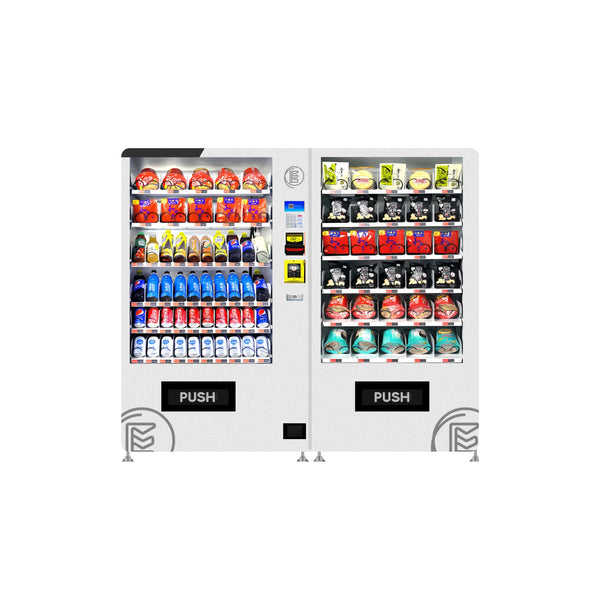
Premium Combo Vending Machines in Detroit, Michigan offer an innovative solution by combining snacks and drinks in a single cabinet, eliminating the need for multiple machines in your venue. These snack and drink vending machines maximize space efficiency with up to 1,050 product capacity across 72 adjustable slots, featuring a refrigerated drink side and ambient snack section. Combo vending machines provide flexible delivery options including traditional drop-down, exclusive Combo delivery on premium models, and conveyor systems on select units. Monitor your entire operation in real-time with VMFS Cloud integration, tracking sales and inventory instantly. Discover premium options and find the perfect fit for your location by exploring our
combo vending machines
collection today.
{"type":"root","children":[{"type":"paragraph","children":[{"type":"text","value":"Two Categories One Cabinet
Vends both snacks and drinks (sometimes coffee) from a single footprint, so a venue captures impulse and thirst purchases without funding two separate machines
High Capacity Range
Up to 1,050 products across up to 72 adjustable slots, with refrigerated drink side and ambient snack side handling the full convenience product mix
Multiple Delivery Options
Drop-down delivery on standard models, Combo delivery on premium Combo models for fragile or high-ticket items, and conveyor delivery on select models
Universal Venue Fit
Designed for offices, breakrooms, hospitals, universities, hotels, factories, apartment buildings, transit hubs, and any high-traffic venue where both snack and drink demand exists
24/7 Cloud Monitoring
Real-time sales, live inventory, temperature alerts, and fault notifications stream to the VMFS Cloud dashboard from any device]}]}
Why Combo Machines Perform in Detroit, Michigan
Detroit's robust manufacturing and corporate sector creates dense breakroom demand across auto plants, engineering facilities, and downtown office towers where employees seek convenient snack and beverage solutions. Combo vending machines excel in these high-traffic industrial and corporate environments because they maximize limited breakroom space with a single footprint, reduce installation costs compared to separate units, and deliver both refrigerated drinks and shelf-stable snacks that workers expect during shifts. The city's significant hospital network and growing tech startup scene in midtown further amplify demand for all-in-one refreshment solutions that require minimal maintenance and capital investment. For operators targeting Detroit's diverse venue mix,
combo vending machines
offer superior ROI and operational efficiency compared to traditional dual-machine setups.
Best Locations in Detroit
High-value deployment sites where combo vending delivers the strongest revenue per square foot.
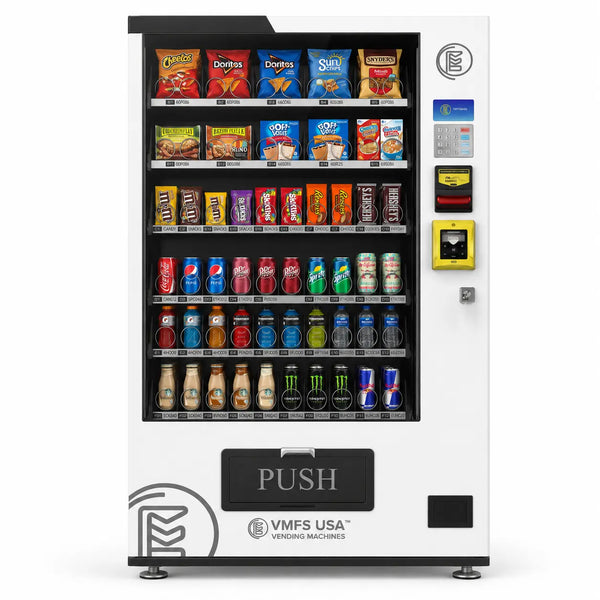
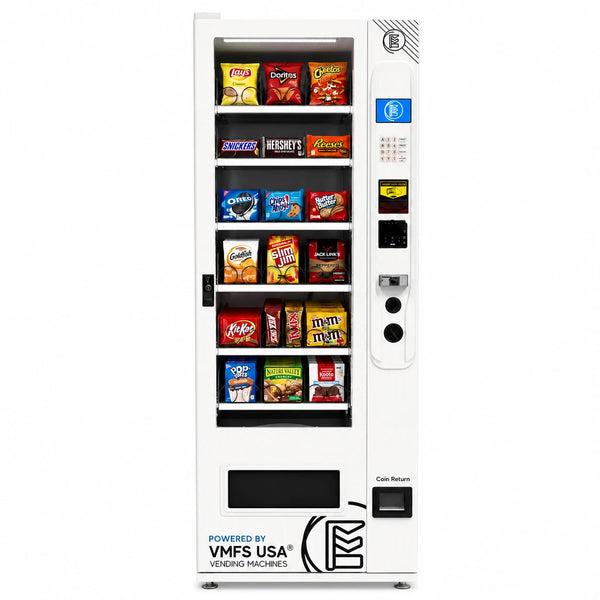
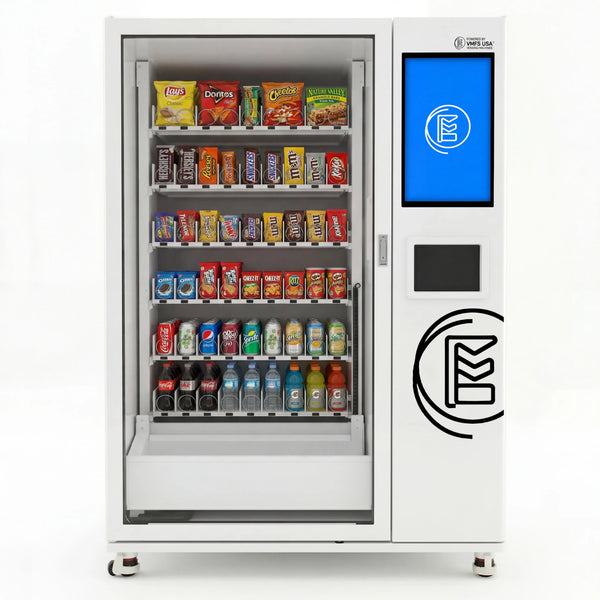
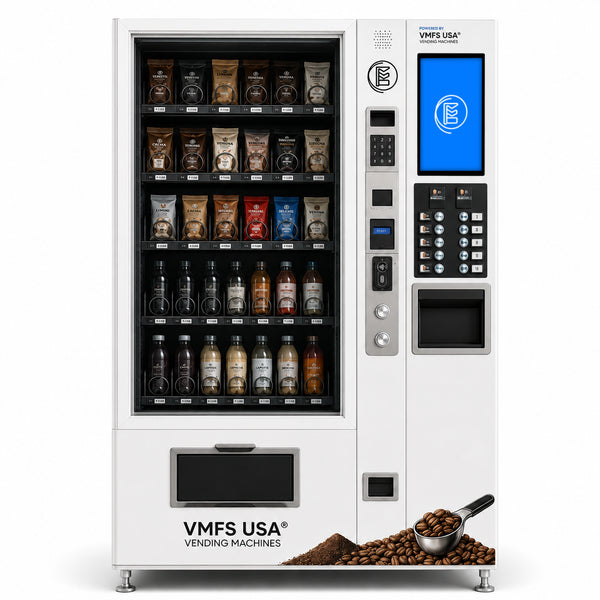
Combo Vending Machines Available for Detroit
Every unit below ships configured, compliance-ready, and backed by VMFS Cloud monitoring.


How Operators Use Combo Vending in Detroit
Auto Manufacturing Plant Breakroom
Plants like Ford's Michigan Assembly and General Motors' Detroit-Hamtramck Assembly employ thousands of shift workers who need quick meals during short breaks. The machine stocks hearty snacks, nuts, beef jerky, sodas, water, sports drinks, and energy drinks suited to demanding physical work. A single Combo vending machine eliminates the need for separate snack and drink cabinets on the factory floor, keeping the refrigerated drink side cold while the ambient snack side holds shelf-stable goods, with reliable drop-down delivery for high-volume products that move fast during shift changes. Plants view break room vending as an employee amenity that reduces absenteeism and improves morale, making this placement a strong revenue generator with predictable daily traffic.
Downtown Office Tower Breakroom
Towers in the financial district like the Guardian Building, Fisher Building, and Renaissance Center house corporate tenants with 500 to 5,000 employees per building who work 9 to 5 and beyond. The machine stocks gourmet coffee, bottled water, sparkling water, granola bars, nuts, protein bars, chips, and energy drinks that appeal to white collar workers seeking healthy and convenient options. A snack and drink vending machine serves both the morning coffee impulse and afternoon snack cravings in a single cabinet, with refrigerated drinks staying cold alongside ambient snacks, and drop-down delivery ensures reliable restocking for the high velocity products that move daily. Office towers require tenant amenities to attract and retain workers, and a well-stocked machine in the breakroom justifies premium rent and boosts employee satisfaction.
Hospital Night Shift Station
Major hospitals like Henry Ford Hospital, Detroit Medical Center, and Michigan Medicine operate 24 hours with nurses, doctors, and support staff working overnight shifts who need reliable food access during off hours. The machine stocks coffee, hot chocolate, bottled water, protein sandwiches, yogurt, nuts, energy bars, and fruit to support staff through long night shifts when cafeterias are closed. A Combo vending machine provides both hot and cold beverages plus substantial snacks in a single unit, with refrigeration keeping perishables safe and the ambient side holding shelf-stable protein items, and Combo delivery handles the high turnover of coffee and sandwich products during shift changes. Hospitals view 24/7 break room vending as essential staff support that reduces fatigue and turnover, creating reliable revenue from constant overnight demand.
University Dormitory Common Area
Residence halls at Wayne State University and University of Detroit Mercy house hundreds of students who snack late into the night during study sessions and evening socializing. The machine stocks ramen, instant oatmeal, microwave popcorn, cookies, chips, sodas, energy drinks, and bottled water in high volume for students with unpredictable meal times and limited cooking options. A snack and drink vending machine in the dorm common room captures both the snack impulse and the thirst purchase without requiring two separate machines, with refrigerated drinks on one side and shelf-stable snacks on the other, and drop-down delivery ensures fast restocking of the ramen and chips that fly off shelves during late-night hours. Universities recognize dorm vending as essential student amenity during late hours when dining halls close, and consistent traffic from resident populations creates predictable high-margin revenue.
What Ships With Every Combo Unit
Regulations for Operating in Detroit, MI
Licensing, permits, sales tax, and health department standards for combo vending operators in Michigan.
{"type":"root","children":[{"type":"paragraph","children":[{"type":"text","value":"State License Requirements
Michigan's Department of Agriculture and Rural Development (MDARD) oversees vending machine regulation. Combo vending machines that dispense both refrigerated beverages and shelf-stable snacks fall under food service licensing requirements because the refrigerated beverage component is considered potentially hazardous food. A Food Service License (also called a Food Establishment License) is required for any vending operation in Michigan that vends time-temperature control for safety (TCS) foods, which includes chilled drinks. Shelf-stable snack-only machines do not require a food license, but Combo machines do. Operators must register for Michigan Sales Tax through the Michigan Department of Treasury; registration can be completed online. A federal EIN from the IRS is required for most business structures. Michigan does not have a statewide vending operator license separate from the food service license; the food license serves as the primary regulatory document. Operators must establish a legal business entity (sole proprietorship, LLC, corporation, etc.) and maintain that registration with the Michigan Department of Licensing and Regulatory Affairs. Commodity-specific rules apply: sugar-sweetened beverages are taxable, bottled water is generally not taxable in Michigan when sold individually, dairy-based drinks are subject to food handling rules, and ice is treated as food and subject to licensing if dispensed. Food Service Licenses in Michigan must be renewed annually, typically by the expiration date on the license. Late renewal can result in operational penalties and potential fines.
City and County Permits
Detroit, Michigan requires a General Business License (also called a Business Tax License) for all vending operations before machines are placed. The license is issued by the City of Detroit Business Licensing Division and must be renewed annually. Operators must also obtain a Certificate of Use/Occupancy from the City confirming the vending location complies with zoning ordinances; Detroit zoning rules restrict vending machine placement in certain residential and commercial districts and require compliance with local land use codes. A Fire Safety Inspection certificate may be required depending on placement location (schools, hospitals, government buildings typically require additional fire safety approval). Wayne County, in which Detroit is located, does not impose a separate county vending license but may require additional health permits for machines placed in county-regulated facilities. Operators should contact Detroit's Health Department for machines placed in schools or public buildings. The City of Detroit Business Licensing Division can be reached through the City website; contact numbers and specific office locations should be verified directly with the city. No separate coin-operated machine declaration is required in Detroit, but the business license application must detail the type of machines operated. Surrounding municipalities such as Dearborn, Southfield, and Warren have their own vending regulations; operators placing machines across multiple jurisdictions must obtain licenses in each municipality. Detroit business licenses renew annually; late renewal typically incurs additional fees assessed by the city. Operators should verify current renewal deadlines and penalty amounts directly with the Detroit Business Licensing Division.
Sales Tax Rate
The combined state and local sales tax rate in Detroit, Michigan is 6% (6% Michigan state rate with no additional Detroit city surtax; Wayne County adds no additional surtax). All snack foods sold through vending machines in Michigan are subject to the 6% sales tax rate. Bottled water sold individually is exempt from sales tax in Michigan. Sugar-sweetened beverages, energy drinks, and other non-water drinks are fully taxable at 6%. Hot beverages are taxable; cold beverages depend on ingredients (water-based drinks exempt, sweetened drinks taxable). Operators register for sales tax collection at the time of Michigan sales tax registration with the Department of Treasury; no separate vending-specific registration exists. Sales tax must be remitted monthly or quarterly depending on sales volume; MDARD and the Department of Treasury provide filing guidance based on business classification. Remote sellers with economic nexus (sales over $150,000 annually into Michigan in the prior 12 months) must register and collect sales tax. VMFS operators should register using their federal EIN and business address; the Department of Treasury will issue a Michigan Tax ID number used for all filings.
Health Department Standards
The Michigan Department of Agriculture and Rural Development (MDARD) and the Detroit Health Department jointly oversee health and safety standards for Combo vending machines. Equipment requirements include: refrigerated sections must maintain temperatures of 41 degrees Fahrenheit or below for drink compartments; all contact surfaces must be made of food-safe, non-absorbent materials; thermometers must be visible and accurate within plus or minus 2 degrees Fahrenheit; machines must have automatic shutoff capabilities if refrigeration fails; all vending components must be screened to prevent pest access and contamination. Placement rules prohibit installation under overhead water sources (pipes, HVAC condensation, roof leaks) and require machines to be on level, clean flooring free of cracks or standing water; machines in basements or areas prone to flooding are prohibited. Operational requirements mandate that perishable products be date-marked, that all labels be fully visible and legible, and that expiration dates be checked before restocking; MDARD and Detroit Health conduct unannounced inspections of vending operations, particularly in schools and government buildings. Secondary oversight applies to machines placed in schools (Detroit Public Schools and charter schools enforce additional nutritional standards under state child nutrition rules), healthcare facilities (hospitals and clinics require enhanced temperature monitoring), and government buildings (state and local offices may require additional safety certifications). Detroit's climate includes cold winters and humid summers; machines must be rated for temperature swings from below freezing in winter to above 90 degrees Fahrenheit in summer, and humidity control is necessary to prevent condensation and mold growth inside machines. VMFS Combo vending machines deployed in Detroit ship with NSF/ANSI certification for food equipment, refrigeration units certified to maintain 41 degrees Fahrenheit or below, sealed compartments rated against pest intrusion, and backup power systems to prevent TCS food temperature abuse.
Disclaimer
Regulatory information is for reference only and current as of 2026. Operators should verify current requirements with the relevant agency before deployment. VMFS USA is not a legal or tax advisor. For operator-side legal guidance covering placement contracts, documentation, business incorporation, tax registration, licenses, and permits, operators can consult VAdviced at https://vadviced.com.]}]}
Detroit at a Glance
Geographic Identity
- County
- Wayne County
- Metro Area
- Detroit-Warren-Dearborn
- Time Zone
- America/Detroit (Eastern Time)
- Area Codes
- 313, 248, 586
- ZIP Codes
- 48201 to 48299
- Primary Airport
- DTW Detroit Metropolitan Wayne County Airport
- Secondary Airport
- MBS MBS International Airport
- Major Port
- Port of Detroit, a major Great Lakes port handling cargo and automotive shipments
- Nickname
- The Motor City
Market Stats
- City Population
- 639,111
- Metro Population
- 4.3 million
- Annual Visitors
- None
- Visitor Economy
- None
- Airport Passengers
- 36 million annual travelers through DTW
- Hospitality Jobs
- None
- Top Industries
- Automotive Manufacturing, Advanced Manufacturing, Healthcare, Finance and Banking, Technology, Logistics and Distribution
- Demand Driver
- A major automotive and manufacturing hub with significant corporate headquarters, research institutions, and regional medical centers drive sustained business travel and employment demand.
Climate Profile
- Climate Zone
- Humid Continental
- Average Humidity
- 65 to 75 percent year round
- Summer High
- 82 degrees Fahrenheit average high, typically peaking in July, with occasional readings in the upper 80s
- Winter Low
- 22 degrees Fahrenheit average low, regularly below freezing from December through February
- Seasonal Hazard
- Lake Effect Snow, November to March
- Environmental Exposure
- Proximity to the Great Lakes creates localized lake effect snow and precipitation events that increase moisture exposure and snow load risk on rooftop and exterior placements.
- Deployment Note
- Detroit's humid continental climate with cold winters and lake effect snow requires weatherproofed units with sealed electronics, enhanced drainage, and reinforced refrigeration for winter operation. VMFS ships all Detroit outdoor units with these specifications as standard.
Location & Service Area
- Key Neighborhoods
- Downtown Detroit, Corktown, Midtown, Greektown, Rivertown, New Center, Rosedale Park, Sherwood Forest, Indian Village, Woodbridge, West Village, Islandview
- Nearby Cities
- Dearborn, Dearborn Heights, Hamtramck, Highland Park, Pontiac, Warren, Sterling Heights, Livonia, Westland, Garden City
- Service Radius
- VMFS delivers, installs, and services machines throughout Wayne County and Oakland County, with extended coverage to Macomb County on request.
Your Location. Working 24/7.
Answers to common questions from Detroit operators. Didn't see yours? Send us a message — our US-based team responds within one business day.
How does revenue split work, and what percentage does the property owner receive from sales at a Detroit, MI location?
What is the typical restocking schedule for a Combo machine placed in a Detroit, MI office building or hospital, and how does cold weather affect product freshness?
How much electrical power does a Combo machine draw, and can it run on standard outlet power in most Detroit, MI buildings?
What happens if the machine breaks down or malfunctions, and how quickly can the operator service equipment at a Detroit, MI location?
Does a Combo machine accept mobile payment methods like Apple Pay and Google Pay, or does it require cash and traditional card readers?
For hospital and medical facility placements in Detroit, MI, does the Combo machine accommodate specific dietary needs like sugar-free beverages or allergen-labeled snacks?
Deploy Combo Vending Machines in Detroit, MI Today
Request a custom quote for your location in Detroit, and we handle machine selection, delivery, configuration, and ongoing support from start to finish. Every deployment begins with a site assessment covering foot traffic patterns, product mix balance between snacks and drinks, refrigeration and power infrastructure, network requirements for our cloud platform, and compliance logistics specific to your venue type. Whether you need a single unit in a corporate breakroom at a downtown office tower or a rollout of 30 or more snack and drink vending machines across a hospital system, automotive manufacturing facility, or university campus in Detroit, your quote includes hardware, installation, staff training, and 12 months of cloud monitoring at no extra cost. Contact us today to discuss your deployment and get pricing for combo vending machines that fit your property.
Deploy Combo Vending Across Detroit
1,200+ machines deployed. 1-year warranty standard. Free lifetime support. One team from site survey to uptime.