


AI Vending Machines in Seattle, WA
Transform your Seattle location into a revenue-generating powerhouse with cutting-edge AI vending machines. Effortless restocking, real-time analytics, and maximum profits await.
Stop Guessing. Configure Your AI Grab & Go Vending Machine.
Answer a few quick questions about your location, your product mix, your temperature needs, and your budget. Our AI Grab & Go Vending System will match you with the right base model, add the right modules (refrigeration, ad screen, outdoor protection, payment suite), and show you real time pricing and lead time as you build.
Skip the back and forth. Skip the spec sheet overwhelm. See your exact configuration, your exact cost, and your exact delivery window before you commit.
- Real time pricing as you add or remove features
- Live lead time estimate based on your configuration
- Recommended product mix for your location type
- Capacity, slot count, and weight limits shown per setup
- Option presets for food, drinks, electronics, retail, and frozen
Why AI Vending Machines?
Seattle-Tacoma International Airport|Amazon Corporate Park (South Lake Union)|Westin Seattle Hotel Corridor|Capitol Hill Tech Offices|Port of Seattle Terminal|University of Washington Campus
AI Recognition Accuracy
Dual 1080p overhead cameras paired with weight sensor verification track every item the moment it leaves the shelf, charging customers only for what they take with 99 percent product recognition accuracy
Configurable Open-Shelf Capacity
Up to 360 products across refrigerated and frozen zones in a single configurable cabinet, with no coils, no slot constraints, and no jamming
Premium Product Range
Handles fresh meals, frozen items, snacks, beverages, glass bottles, protein products, and electronics on the same open shelves where coil machines physically fail
24/7 Cloud Monitoring
Real-time sales, live inventory, temperature alerts, fault notifications, and contactless payment data stream to the VMFS Cloud dashboard from any device
Why AI Machines Perform in Seattle, Washington
Seattle's thriving tech corridor and convention economy drive consistent foot traffic through downtown hotels, airports, and corporate campuses where traditional vending fails in the Pacific Northwest's damp climate. AI Grab & Go machines excel in these high-traffic venues because their contactless payment systems eliminate rejected transactions, while advanced AI recognition accurately dispenses fresh and frozen items without coil jams that plague mechanical competitors. Seattle's weather-resistant refrigeration technology maintains optimal temperatures year-round, and 24/7 autonomous operation removes staffing constraints that plague businesses struggling to find reliable labor. Whether servicing convention attendees, hospital staff, or Amazon employees,
AI vending machines
deliver consistent uptime and seamless experiences that Seattle's productivity-focused culture demands.
Best Locations in Seattle
High-value deployment sites where ai grab & go vending delivers the strongest revenue per square foot.
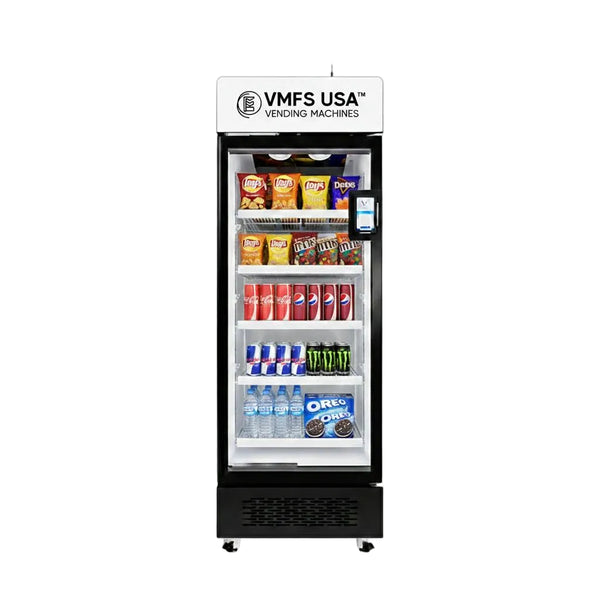
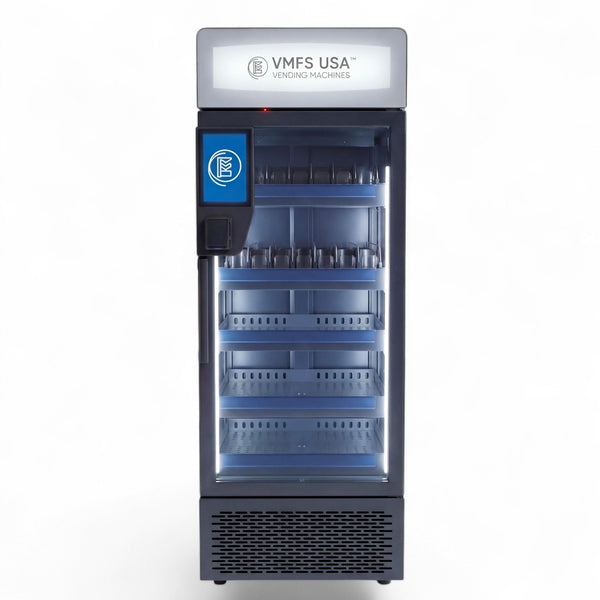
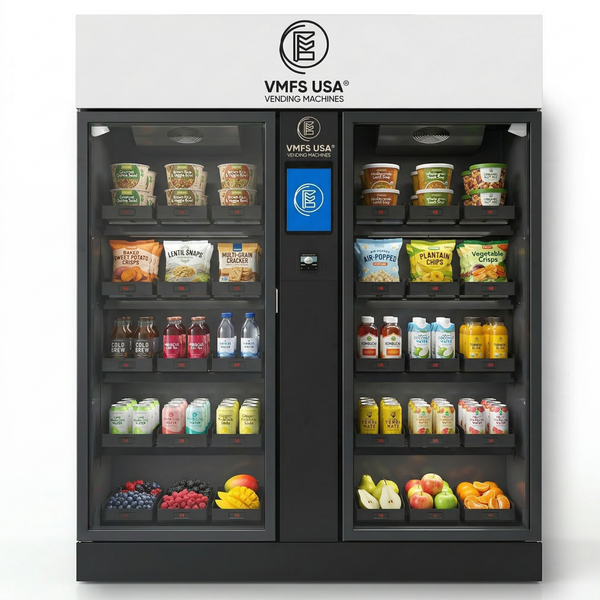
AI Grab & Go Vending Machines Available for Seattle
Every unit below ships configured, compliance-ready, and backed by VMFS Cloud monitoring.

How Operators Use AI Grab & Go Vending in Seattle
Tech Campus Break Room
Seattle's major tech employers including Amazon, Microsoft, and Google operate large campuses across the city where employees work extended hours and value quick nutrition without leaving the building. AI Grab & Go machines stock protein-rich breakfast bowls, fresh salads, cold brew coffee, electrolyte drinks, and ready-to-eat sandwiches tailored to the productivity-focused demographic. Dual overhead AI cameras with weight sensors handle glass bottles and glass containers accurately, eliminating the friction of coil jams that frustrate fast-moving office workers and drive them to off-site competitors. High transaction volume during morning arrival, midday lunch, and afternoon slump windows generates strong per-machine revenue, with contactless payment adoption already normalized in this user base.
Pike Place Market Adjacent Retail
The Market's year-round foot traffic from both locals and visitors creates sustained demand at street-level retail spaces and adjacent storefronts where tourists and workers converge multiple times weekly. Machines stock premium grab-and-go items including artisanal sandwiches, fresh fruit, local beverages, imported snacks, and specialty drinks that command 35 to 50 percent price premiums over grocery retail. The AI vending machine's refrigerated open shelf design and walk-out checkout eliminate the checkout friction that slows transactions in high-traffic corridors, while weight sensors accurately charge for fresh prepared foods and glass bottles that traditional coil machines cannot handle. Tourism and market density ensure consistent per-unit revenue and justify premium product placement in one of the city's highest-traffic commercial zones.
Hospital Night Shift Access
Seattle medical centers including Harborview Medical Center, University of Washington Medical Center, and Swedish Medical Center operate 24/7 with rotating night and evening shift staff who need reliable access to fresh meals and snacks outside standard cafeteria hours. Machines stock fresh prepared meals, frozen entrees, protein snacks, electrolyte drinks, and coffee to support staff working demanding schedules when normal food service closes. The refrigerated open shelf format and accurate weight sensor verification handle frozen items and prepared foods that fail in traditional machines, while 24/7 availability and cardless payment mean hospital staff access nutrition during their actual shift breaks without barriers. Medical centers value employee retention and wellness amenities, making reliable off-hours food access a competitive staffing advantage that drives adoption and strong per-machine revenue.
Urban Transit Hub Commute Station
Seattle's light rail network including stations at Capitol Hill, University District, and Beacon Hill moves thousands of commuters daily through transfer points and boarding areas where rapid contactless transactions and reliable uptime matter most. Machines stock cold beverages, breakfast sandwiches, protein bars, pastries, and ready meals targeted at commuters with 5 to 15 minute windows before departure. The AI Grab & Go machine's walk-out checkout and dual camera verification enable fast transactions without payment friction, while contactless card and phone pay adoption eliminates touch points during peak boarding periods. Transit hubs demand high uptime and rapid transaction processing during defined rush windows, and real-time cloud monitoring ensures machines stay stocked and operational when commuter volume peaks.
What Ships With Every AI Grab & Go Unit
Regulations for Operating in Seattle, WA
Licensing, permits, sales tax, and health department standards for ai grab & go vending operators in Washington.
State License Requirements
In Washington, the Department of Health (DOH) oversees vending machines and food service operations. Vending machines stocking potentially hazardous foods (foods requiring time-temperature control for safety, including refrigerated items, fresh sandwiches, dairy, and prepared foods) require a food service license or conditional use permit. Machines offering only shelf-stable snacks, candy, beverages in sealed containers, or non-potentially-hazardous items may operate under less stringent requirements but still require registration. Operators must register for a Washington State Unified Business Identifier (UBI) and obtain an Employer Identification Number (EIN) from the IRS. Sales tax registration is completed through the Department of Revenue (DOR) at dor.wa.gov. Washington does not require a statewide vending operator license separate from food service licensing, but the business entity must be properly established (LLC, corporation, or sole proprietorship). Commodity-specific rules apply: tobacco products require age-verification controls and compliance with the Tobacco Master Settlement Agreement; alcohol vending is prohibited in Washington except under specific circumstances and is heavily regulated; bottled water is taxable; and ice sold for consumption is subject to sales tax unless part of a prepared food exemption. Food service licenses are renewed annually, with renewal deadlines typically 30 days before expiration to avoid penalties and loss of operating authority.
City and County Permits
Seattle requires all vending machine operators to obtain a City of Seattle Business License (also called a Master Business License) from the Finance and Administrative Services Department. Additionally, a Certificate of Use permit is required, which designates the specific location and use type of the vending machine; this is obtainable through the same department. Zoning compliance is mandatory; operators must verify that vending machine placement does not violate Seattle's Land Use Code, which may restrict machines in certain zones or require conditional use permits in others. Fire safety inspection and clearance may be required depending on machine type and location; contact the Seattle Fire Department for inspection requirements. King County (in which Seattle is located) does not impose a separate county vending permit but does oversee health department compliance. Automated retail machine declarations or filings are not separately required for AI Grab & Go machines in Seattle, though the machine may need to comply with the city's automated retail or vending classifications depending on exact placement. Surrounding municipalities such as Shoreline, Renton, and Bellevue have their own business license and zoning requirements; operators should verify requirements for each location where machines are deployed. Seattle business licenses and Certificates of Use typically require annual renewal; late renewal incurs penalties and may result in operational suspension. Contact the Seattle Finance and Administrative Services Department at 206-684-8484 for licensing questions.
Sales Tax Rate
The combined state and local sales tax rate in Seattle, Washington is 10.25% (state rate of 6.5% plus City of Seattle rate of 3.75%). Most vended goods are subject to this rate, including snacks, beverages, and shelf-stable items. Refrigerated and frozen foods such as prepared sandwiches, salads, yogurt, and ice cream are also taxable at the standard rate. Certain exemptions exist: unprepared food items intended for home preparation, seeds and plants for growing food, and some dietary supplements may be exempt, though most AI Grab & Go inventory will be taxable. Operators must register with the Washington Department of Revenue and obtain a seller's permit to collect and remit sales tax. Tax is remitted according to the filing frequency assigned by DOR (typically monthly or quarterly depending on sales volume). Out-of-state sellers without physical presence in Washington are generally not required to collect sales tax unless they meet economic nexus thresholds; as of 2024, most remote sellers meeting $1,250 in Washington sales annually must register, though specific thresholds and rules continue to evolve. Operators should contact the Department of Revenue at dor.wa.gov or 1-800-647-7706 to confirm current nexus obligations and registration requirements.
Health Department Standards
The Washington State Department of Health and the King County Health Department jointly oversee vending machine standards. Machines stocking potentially hazardous foods must maintain refrigeration at 41 degrees Fahrenheit or below, with built-in thermometers visible to inspectors. Equipment must feature corrosion-resistant, non-absorbent surfaces; self-closing doors; and automatic shut-off mechanisms if the machine malfunctions. Screening or mesh barriers are required to prevent pest and foreign object contamination. Placement rules mandate that machines be sited away from overhead leakage sources (ceiling pipes, HVAC condensation, roof drains) and positioned on clean, level floors in compliance with local building codes. Operational requirements include date-marking all fresh and frozen items with use-by dates; clear, legible ingredient labels and allergen information visible to consumers; and compliance with unannounced health inspections by King County environmental health officers. Secondary oversight applies to machines in schools, hospitals, government buildings, and other sensitive locations, which may have additional approval requirements from facility management or district food service departments. Seattle's marine climate and frequent precipitation necessitate machines with enhanced moisture and rust resistance, particularly for outdoor placements; operators should confirm that machines are suitable for the Seattle environment. VMFS AI Grab & Go vending machines deployed in Seattle ship with refrigeration systems certified to maintain safe temperatures, NSF-certified food-contact surfaces, integrated thermometer displays, automatic power-down safety features, and AI camera recognition systems compliant with Washington and King County health department standards.
Disclaimer
Regulatory information is for reference only and current as of 2026. Operators should verify current requirements with the relevant agency before deployment. VMFS USA is not a legal or tax advisor. For operator-side legal guidance covering placement contracts, documentation, business incorporation, tax registration, licenses, and permits, operators can consult VAdviced at https://vadviced.com.
Seattle at a Glance
Geographic Identity
- County
- King County
- Metro Area
- Seattle-Tacoma-Bellevue
- Time Zone
- America/Los_Angeles (Pacific Time)
- Area Codes
- 206, 425, 253
- ZIP Codes
- 98101 to 98199
- Primary Airport
- SEA Seattle-Tacoma International Airport
- Secondary Airport
- None
- Major Port
- Port of Seattle, a major container and cruise port
- Nickname
- The Emerald City
Market Stats
- City Population
- 753,675
- Metro Population
- 4.02 million
- Annual Visitors
- 10.1 million (2023)
- Visitor Economy
- $11.5 billion annual economic impact
- Airport Passengers
- 50.7 million annual travelers through SEA
- Hospitality Jobs
- None
- Top Industries
- Technology, Aerospace and Defense, Healthcare, International Trade, Finance and Banking, Real Estate
- Demand Driver
- Strong technology sector employment, major corporate headquarters including Amazon and Boeing, significant international passenger traffic, and year-round convention activity drive sustained consumer demand and foot traffic.
Climate Profile
- Climate Zone
- Oceanic
- Average Humidity
- 70 to 80 percent year round
- Summer High
- 79 degrees Fahrenheit in July and August
- Winter Low
- 37 degrees Fahrenheit, outdoor operating conditions year round
- Seasonal Hazard
- None
- Environmental Exposure
- Frequent cloud cover and rain exposure require sealed electronics and enhanced drainage in all outdoor placements.
- Deployment Note
- Seattle's mild oceanic climate and year round precipitation demand weatherproofed units with sealed electronics and enhanced drainage systems. Cool winters eliminate refrigeration strain, but persistent moisture requires corrosion resistant components and regular maintenance access. VMFS ships all Seattle outdoor units with weatherproofing and sealed electronics as standard specification.
Location & Service Area
- Key Neighborhoods
- Downtown, Capitol Hill, Ballard, Queen Anne, Fremont, University District, Wallingford, Green Lake, West Seattle, Eastlake, Greenwood, Beacon Hill
- Nearby Cities
- Bellevue, Redmond, Kirkland, Renton, Tacoma, Sammamish, Shoreline, Federal Way
- Service Radius
- VMFS delivers, installs, and services machines throughout King County, with extended coverage to Pierce and Snohomish counties on request.
Your Location. Working 24/7.
Answers to common questions from Seattle operators. Didn't see yours? Send us a message — our US-based team responds within one business day.
How does revenue split work, and what guarantee does the property owner receive from hosting an AI vending machine in Seattle?
What products stock the machines, and how often does restocking happen at Seattle locations?
How much physical space does an AI vending machine require, and what installation looks like at Seattle venues?
What happens if the machine malfunctions or goes offline, and what is typical downtime at Seattle properties?
Which payment methods does the machine accept, and how reliable is the AI camera recognition for tap to unlock checkout?
How do seasonal tourism and Convention Center traffic patterns affect machine placement and revenue in Seattle?
Deploy AI Vending Machines in Seattle, WA Today
Request a custom quote for AI vending machines at your Seattle, WA location, and we handle machine selection, delivery, AI configuration, and ongoing support from start to finish. Every deployment begins with a site assessment covering foot traffic patterns, product mix requirements, refrigeration and power infrastructure, network readiness for the cloud platform, and local compliance logistics. We scale from a single unit in a boutique Capitol Hill hotel to deployments of 40 or more machines across major medical centers or corporate campuses in the greater Seattle area, and your quote includes hardware, installation, staff training, and 12 months of cloud monitoring at no extra cost. Contact us today to discuss how AI Grab & Go vending machines can work for your property.
Deploy AI Grab & Go Vending Across Seattle
1,200+ machines deployed. 1-year warranty standard. Free lifetime support. One team from site survey to uptime.