


AI Vending Machines in Detroit, MI
Transform your Detroit retail space with smart AI vending machines. Grab-and-go convenience meets cutting-edge technology for maximum profits today.
Stop Guessing. Configure Your AI Grab & Go Vending Machine.
Answer a few quick questions about your location, your product mix, your temperature needs, and your budget. Our AI Grab & Go Vending System will match you with the right base model, add the right modules (refrigeration, ad screen, outdoor protection, payment suite), and show you real time pricing and lead time as you build.
Skip the back and forth. Skip the spec sheet overwhelm. See your exact configuration, your exact cost, and your exact delivery window before you commit.
- Real time pricing as you add or remove features
- Live lead time estimate based on your configuration
- Recommended product mix for your location type
- Capacity, slot count, and weight limits shown per setup
- Option presets for food, drinks, electronics, retail, and frozen
Why AI Vending Machines?
Detroit Metropolitan Airport|Renaissance Center Corporate Plaza|Book Cadillac Hotel Corridors|Corktown Tech District|Detroit People Mover Transit Stations|Wayne State University Campus
AI Recognition Accuracy
Dual 1080p overhead cameras paired with weight sensor verification track every item the moment it leaves the shelf, charging customers only for what they take with 99 percent product recognition accuracy
Configurable Open-Shelf Capacity
Up to 360 products across refrigerated and frozen zones in a single configurable cabinet, with no coils, no slot constraints, and no jamming
Premium Product Range
Handles fresh meals, frozen items, snacks, beverages, glass bottles, protein products, and electronics on the same open shelves where coil machines physically fail
24/7 Cloud Monitoring
Real-time sales, live inventory, temperature alerts, fault notifications, and contactless payment data stream to the VMFS Cloud dashboard from any device
Why AI Machines Perform in Detroit, Michigan
Detroit's automotive manufacturing heritage and revitalized downtown corridor drive consistent foot traffic through corporate offices, convention centers, and hotels that demand reliable 24/7 food solutions. AI Grab & Go vending machines excel in these environments because they eliminate coil jams that plague traditional machines, accept all contactless payments without rejection errors, and accurately recognize fresh and frozen items despite Michigan's extreme temperature fluctuations. Their refrigeration systems maintain optimal conditions regardless of seasonal weather swings, while constant uptime requires zero staff intervention—critical for high-traffic venues operating around the clock. Explore premium
AI Vending machines
engineered for demanding urban locations like Detroit's bustling commercial districts.
Best Locations in Detroit
High-value deployment sites where ai grab & go vending delivers the strongest revenue per square foot.
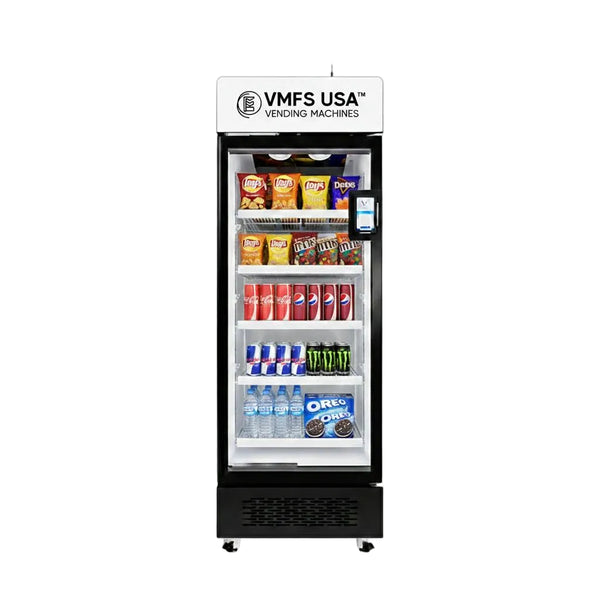
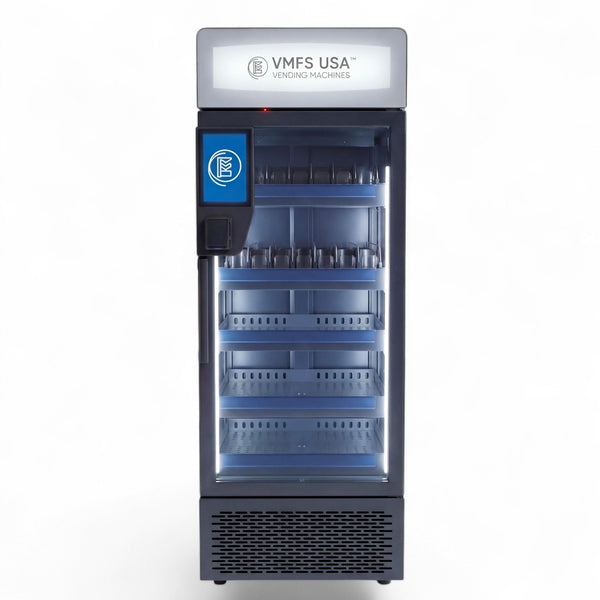
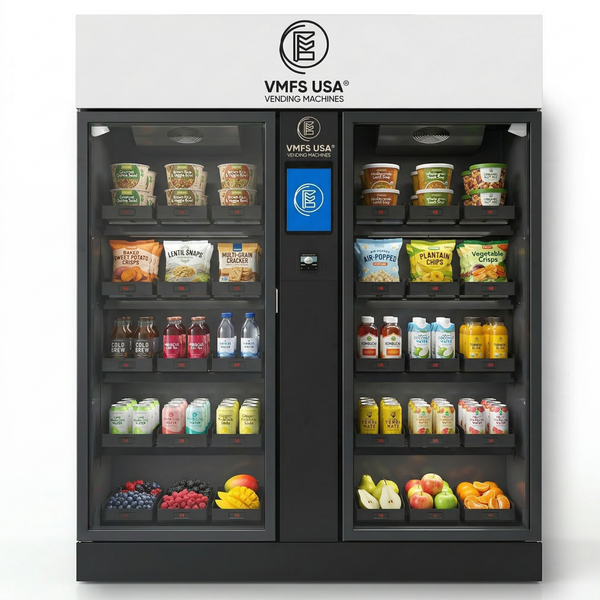
AI Grab & Go Vending Machines Available for Detroit
Every unit below ships configured, compliance-ready, and backed by VMFS Cloud monitoring.

How Operators Use AI Grab & Go Vending in Detroit
Auto Manufacturing Plant Break Room
Plants like Ford's Michigan Assembly, General Motors' Detroit-Hamtramck Assembly, and Stellantis facilities in Warren serve thousands of shift workers across multiple shifts daily. The AI Grab & Go machine stocks protein-heavy lunch items, fresh sandwiches, hot entrees, cold beverages, and energy drinks tailored to production schedules. Weight sensor verification and dual overhead cameras enable accurate charging for frozen meals, glass bottles, and prepared foods where traditional coil machines jam or miscount, while the open shelf design and instant walk-out checkout eliminate lines during compressed break windows. Manufacturing plants operate 24/7 with rotating shifts, creating reliable high-volume demand for accessible food solutions outside standard cafeteria hours, and operators capture premium pricing on convenience during tight break schedules.
Medical Center Night Shift
Detroit Medical Center, Henry Ford Health System hospitals, and the expansive Michigan Medicine presence across the region serve healthcare workers on nights, weekends, and emergencies when cafeterias close. Machines stock fresh prepared meals, frozen entrees, snacks, electrolyte drinks, and bottled beverages for staff who cannot leave their posts or have no time to travel off-site. AI Grab & Go vending machines eliminate the friction of card readers, PIN entry, and mechanical failures that plague traditional units during critical care hours, while accurate weight-based charging handles glass bottles, supplement containers, and hot meal trays reliably. Healthcare facilities guarantee consistent foot traffic from staff who work when nothing else is open, and operators realize strong margins on meals priced 30 to 50 percent above retail to captive night-shift buyers.
Corporate Office Campus
Large employers headquartered or operating major offices in the Renaissance Center, Fisher Building, and emerging tech corridors along Woodward Avenue depend on convenient food access for employees working extended hours. Machines stock fresh salads, grain bowls, prepared sandwiches, kombucha, cold brew, and ready-to-eat breakfast items that appeal to office workers seeking healthier midday and afternoon options. Refrigerated open shelf design combined with dual overhead AI cameras and weight sensors ensures accurate charging for delicate salads, glass bottles, and individual meal components that coil machines cannot reliably vend, while the walk-out checkout requires no interaction with staffed registers. Corporate tenants value food amenities as talent retention tools and willingly approve high-margin vending as an employee benefit, generating consistent weekday traffic from a concentrated user base with disposable income for premium pricing.
Detroit Metropolitan Airport Terminal
McNamara Terminal and the broader airport concourse serve 30 million annual passengers plus ground staff across multiple security zones and gate areas operating sunrise to late night. Machines stock chilled sandwiches, fresh fruit, premium snacks, bottled beverages, travel-ready meals, phone chargers, and other grab-and-go essentials for travelers with limited time and high price sensitivity to convenience. AI Grab & Go machines handle the volume and payment velocity of airport traffic through contactless payment (Apple Pay, Google Pay, card), instant weight-verified transactions, and zero mechanical downtime that traditional machines cannot match during peak hours or holiday periods. Airport locations generate transaction counts 5 to 10 times higher than typical venues, and operators command premium pricing on time-sensitive purchases from travelers who accept 40 to 60 percent markups for immediate access.
What Ships With Every AI Grab & Go Unit
Regulations for Operating in Detroit, MI
Licensing, permits, sales tax, and health department standards for ai grab & go vending operators in Michigan.
State License Requirements
In Michigan, the Department of Agriculture and Rural Development (MDARD) oversees vending machine licensing and food safety compliance. Vending machines that dispense potentially hazardous foods such as refrigerated sandwiches, prepared foods, or items requiring temperature control must obtain a food-service license or a vending machine license, depending on operational scope and food categories. Machines dispensing only shelf-stable snacks, candy, and non-potentially-hazardous items may have reduced licensing requirements but still require registration. Michigan requires all vending operators to register with the Michigan Department of Treasury for sales tax purposes and obtain a sales tax permit before operations begin. While Michigan does not mandate a separate statewide vending operator license, operators must maintain proper business entity registration, obtain an EIN from the IRS, and register as a sole proprietor, LLC, or corporation with the Michigan Department of Licensing and Regulatory Affairs. Tobacco products sold through vending machines are restricted and require a separate tobacco license from MDARD; alcohol sales are prohibited through automated vending in Michigan. Bottled water and ice are generally considered food items and subject to licensing requirements if the machine dispenses potentially hazardous items. Licenses and permits typically require renewal annually, with renewal deadlines and procedures specified by MDARD and the local health department.
City and County Permits
The City of Detroit requires all vending machine operators to obtain a City of Detroit business license from the Department of Neighborhoods before deploying machines. Additionally, operators must obtain a Certificate of Occupancy or Certificate of Use from the City, confirming that the vending location complies with zoning regulations; Detroit zoning code must be reviewed to ensure the proposed location is permitted for vending use, as restrictions may apply in certain zones or districts. Fire safety approval may be required, particularly for machines placed in occupied buildings, managed through the Detroit Fire Department or the building owner's fire safety inspector. Wayne County does not typically impose separate county-level vending permits beyond City of Detroit requirements; however, if machines are placed in unincorporated areas or specific county facilities, Wayne County requirements may apply. AI Grab & Go machines are classified as automated retail machines or automated vending equipment under Detroit municipal code and must comply with all applicable city regulations for coin-operated and automated retail devices. Surrounding municipalities such as Dearborn, Pontiac, or Warren each have independent permit requirements; operators deploying machines in multiple jurisdictions must secure permits from each municipality separately. The City of Detroit business license requires annual renewal, typically by the operator's anniversary date; late renewal penalties vary and operators should confirm current penalty amounts with the Department of Neighborhoods at 313-628-2451. Certificate of Use renewal timelines depend on the specific classification and should be verified with the Detroit Planning and Development Department. For vending machines placed in schools, healthcare facilities, or government buildings, additional approval from the facility management and potentially the Detroit Public Schools or local health department may be required.
Sales Tax Rate
The combined state and local sales tax rate in Detroit, Michigan is 6 percent, comprised of the Michigan state sales tax rate of 6 percent with no additional city or county surtax applied. Most vended goods including snacks, beverages, candy, and shelf-stable items are subject to the full 6 percent sales tax. Refrigerated and frozen food items such as sandwiches, prepared meals, and ice cream are considered food items and are taxable in Michigan; however, certain prepared foods may be exempt if they meet specific criteria as defined by the Michigan Department of Treasury, and operators should verify the tax status of specific products. Bottled water and drinks in sealed containers are taxable. Operators must register for a Michigan Sales Tax Permit through the Michigan Department of Treasury and remit sales tax monthly or according to the department's filing schedule; the registration can be completed online through the Michigan Business One Stop portal. The economic nexus threshold for out-of-state vending operators selling into Michigan is 200 dollars in sales within a 12-month period; once this threshold is met, the operator must register for a Michigan sales tax permit and remit tax on all subsequent sales. Operators should consult with a tax professional or the Michigan Department of Treasury at 517-335-3000 to confirm the tax status of specific vended items and filing requirements.
Health Department Standards
The Michigan Department of Agriculture and Rural Development sets statewide health standards for vending machines dispensing food, while the Detroit Health Department enforces these standards locally and may impose additional requirements. Vending machines must meet equipment standards including proper refrigeration units that maintain temperatures of 41 degrees Fahrenheit or below for potentially hazardous items, accurate thermometers visible to inspectors, food-contact surfaces that are food-grade and cleanable, and automatic shut-off or alarm systems that alert operators if temperatures exceed safe limits. Machines must include proper screening and barriers to prevent contamination and environmental exposure. Placement rules require that machines be positioned away from overhead sources of contamination such as leaks or dripping pipes, placed on clean and level flooring free of water or debris, and situated in areas where temperature and humidity can be adequately controlled. Operational requirements mandate that all food items be properly date-marked, particularly fresh and frozen items, with clear visibility of expiration dates to consumers and inspectors. Operators must maintain detailed records of stocking, cleaning, and temperature monitoring. The Detroit Health Department conducts unannounced inspections of vending machines, particularly those in sensitive locations such as schools and healthcare facilities, and violations can result in citations, fines, or suspension of vending privileges. Secondary local health department oversight applies to machines placed in Detroit Public Schools, hospitals, clinics, and government office buildings, where facility administrators and the Detroit Health Department jointly review machine placement and food-safety compliance. Climate and environmental considerations specific to Detroit include seasonal temperature fluctuations and humidity from proximity to the Great Lakes; machines must maintain consistent refrigeration performance during winter and summer months, and moisture control is essential to prevent mold and equipment failure. VMFS AI Grab & Go vending machines deployed in Detroit ship with appropriate refrigeration compliance standards, temperature monitoring systems, and AI camera recognition technology designed to meet Michigan and Detroit health department specifications.
Disclaimer
Regulatory information is for reference only and current as of 2026. Operators should verify current requirements with the relevant agency before deployment. VMFS USA is not a legal or tax advisor. For operator-side legal guidance covering placement contracts, documentation, business incorporation, tax registration, licenses, and permits, operators can consult VAdviced at https://vadviced.com.
Detroit at a Glance
Geographic Identity
- County
- Wayne County
- Metro Area
- Detroit-Warren-Dearborn
- Time Zone
- America/Detroit (Eastern Time)
- Area Codes
- 313, 248, 586
- ZIP Codes
- 48201 to 48299
- Primary Airport
- DTW Detroit Metropolitan Airport
- Secondary Airport
- MBS MBS International Airport
- Major Port
- Port of Detroit, a freshwater port on the Detroit River
- Nickname
- The Motor City
Market Stats
- City Population
- 639,111
- Metro Population
- 4.3 million
- Annual Visitors
- None
- Visitor Economy
- None
- Airport Passengers
- 36 million annual travelers through DTW
- Hospitality Jobs
- None
- Top Industries
- Automotive Manufacturing, Healthcare, Advanced Manufacturing, Logistics and Distribution, Technology and Innovation, Financial Services
- Demand Driver
- Detroit's economy is driven by major automotive manufacturing operations, healthcare institutions including the Detroit Medical Center, and its role as a regional hub for logistics and technology development.
Climate Profile
- Climate Zone
- Humid Continental
- Average Humidity
- 65 to 75 percent year round
- Summer High
- 82 degrees Fahrenheit average high with peaks near 90 degrees Fahrenheit from June through August
- Winter Low
- regularly below 20 degrees Fahrenheit from December through February, indoor placements recommended during winter
- Seasonal Hazard
- Lake Effect Snow, November to March
- Environmental Exposure
- Heavy winter snow load and ice accumulation affect ground level and rooftop placements, requiring reinforced structural support and enhanced drainage systems.
- Deployment Note
- Detroit's humid continental climate demands weatherproofed units with sealed electronics and heated cabinets for winter operation. Heavy seasonal snow load requires reinforced mounting and drainage. VMFS ships all Detroit outdoor units with weatherproofing, heating elements, and snow load rated structural specifications as standard.
Location & Service Area
- Key Neighborhoods
- Downtown, Corktown, Midtown, Woodbridge, Greektown, Rivertown, Islandview, Rosedale Park, Indian Village, Sherwood Forest, New Center, Grandmont Rosedale
- Nearby Cities
- Dearborn, Dearborn Heights, Hamtramck, Highland Park, Ferndale, Royal Oak, Southfield, Warren, Sterling Heights, Livonia
- Service Radius
- VMFS delivers, installs, and services machines throughout Wayne, Oakland, and Macomb counties, with extended coverage to surrounding counties on request.
Your Location. Working 24/7.
Answers to common questions from Detroit operators. Didn't see yours? Send us a message — our US-based team responds within one business day.
How does revenue split work, and what are the payment terms for hosting an AI vending machine at a Detroit property?
What products stock the refrigerated open shelf, and how often does restocking happen at Detroit locations?
What physical space and electrical setup do Detroit properties need to accommodate an AI vending machine?
If the AI vending machine goes down or experiences technical issues, how quickly is service restored in Detroit?
Does the AI camera recognition work reliably for tap to unlock and walk out checkout, and does it accept mobile payments?
How does seasonal traffic in Detroit, including winter weather and auto show cycles, affect machine stocking and revenue expectations?
Deploy AI Vending Machines in Detroit, MI Today
Request a custom quote today for AI vending machines at your Detroit location, and we handle machine selection, delivery, AI configuration, and ongoing support from start to finish. Every deployment begins with a site assessment covering foot traffic patterns, product mix strategy, refrigeration and power requirements, network needs for the cloud platform, and compliance logistics specific to your venue. Whether you need a single unit in a boutique hotel lobby downtown or a rollout of 40 or more machines across a casino floor, corporate campus, or airport concession area, the quote includes hardware, installation, staff training, and 12 months of cloud monitoring at no extra cost. Contact us to discuss your Detroit property and get pricing.
Deploy AI Grab & Go Vending Across Detroit
1,200+ machines deployed. 1-year warranty standard. Free lifetime support. One team from site survey to uptime.