

The average price of a commercial soft serve ice cream machine is about $14,000. Prices vary based on the machine’s size, capacity, compressor strength, and extra features like self-cleaning or digital controls. Smaller countertop units cost less, while high-volume models designed for busy shops can go well above $20,000. The right choice depends on how much ice cream you plan to serve and what level of automation fits your workflow.
Soft serve machines are designed for consistent output, creamy texture, and quick service. They’re popular in cafés, dessert shops, and restaurants where customers expect freshly served ice cream on demand. However, the total cost isn’t only about the initial price. Power efficiency, cooling type, and maintenance needs all affect long-term value and operating costs.
Later in this guide, we’ll also touch on how ice cream vending machines compare to traditional soft serve units. These automated models handle sales, freezing, and delivery without staff, offering a different kind of convenience for operators who want to run 24-hour service or lower labor expenses.
Let’s look closer at what drives the price of a soft serve ice cream machine and how to pick one that matches your business goals.
Key Features That Influence Soft Serve Ice Cream Machine Cost

The cost of a soft serve ice cream machine depends heavily on what is built inside it. The compressor, cooling method, motor power, and design features determine how well the machine performs and how long it lasts. These upgrades make the unit more efficient but also increase its price. Below are the main factors that shape both cost and performance.
1. Multiple Flavor Capacity
Basic machines can produce one or two flavors, while high-end commercial units support several. Multi-flavor machines include more hoppers and freezing cylinders, which increases both production capacity and mechanical complexity. The additional parts, motors, and sensors raise the initial cost, but they give operators more variety to serve customers. Businesses that want to offer mixed or swirl flavors often find the higher price worth the flexibility.
2. Compressor Type And Cooling Power
The compressor is the heart of any soft serve machine. It controls the freezing process and maintains consistent texture. Low-end models often use smaller, air-cooled compressors, which are cheaper but less powerful. Mid- to high-range machines use imported or high-grade compressors that maintain stable pressure and rapid cooling. Some use turbine worm motors for smoother operation and lower noise. These compressors keep the ice cream mix at a perfect serving temperature, reduce recovery time between servings, and extend the life of internal components. Since imported compressors offer longer durability and efficiency, they often increase the machine’s cost by several thousand dollars but save energy and repair costs in the long term.
3. Cooling System Design
Soft serve machines are either air-cooled or water-cooled. Air-cooled models are easier to install and cheaper upfront, while water-cooled systems cost more but work better in warm or confined spaces. Water-cooled designs use continuous circulation to remove heat, keeping the freezing chamber stable even during high demand. This system is preferred in commercial kitchens or food courts where space is limited and temperature control matters most. Although water-cooled systems require plumbing, they often deliver better performance and quieter operation, making them a smart investment for long-term use.
4. Automatic Cleaning And Smart Defrosting
Cleaning a soft serve ice cream machine manually takes time, and skipping maintenance can cause mechanical wear or hygiene issues. Modern machines include one-button cleaning and smart defrosting functions that rinse, sanitize, and melt leftover product safely. These systems protect internal parts from damage and cut labor time significantly. While this technology increases upfront cost, it keeps the machine running reliably with less manual effort, especially in self-service or high-traffic setups.
5. Safety And Hygiene Enhancements
Advanced models often include anti-pinch pickup doors, sealed refrigeration compartments, and automatic shutdown sensors. These protect both users and the machine. Anti-pest isolation systems keep the food area clean, while door sensors stop dispensing if something obstructs the chute. These safety layers improve reliability and are often found in premium models that cost more but are built for long-term commercial use.
In summary, compressors, cooling systems, and intelligent automation are the main factors behind price differences. Machines built with imported compressors, water-cooled systems, and self-cleaning designs cost more upfront but deliver steady performance, energy savings, and fewer maintenance problems over time.
Soft Serve Ice Cream Machine Price Ranges

Soft serve ice cream machine come in different classes designed for specific business needs. Prices can range from a few thousand dollars for a small countertop unit to more than twenty thousand for a high-capacity commercial setup. Understanding where your operation fits helps you choose a model that balances cost, durability, and performance without overspending.
1. Entry-Level Machines ($3,000–$7,000)
Entry-level machines are compact, lightweight, and best for small cafés, food trucks, or seasonal setups. These models usually produce a single flavor and rely on air cooling, which makes them easy to install and maintain. They have smaller compressors, limited capacity, and manual cleaning systems. While they are less expensive, they are not built for continuous operation or large crowds. For part-time use or small daily output, this class offers good value and fast return on investment.
2. Mid-Range Commercial Machines ($8,000–$14,000)
This is the most common range for businesses that serve soft ice cream daily. Mid-range models often feature dual cylinders, giving the option for two flavors or a swirl. They include larger compressors and faster cooling systems that keep up with steady customer flow. Many come with touch-screen controls and semi-automatic cleaning functions. This category balances reliability and cost, making it ideal for dessert shops, small restaurants, and family entertainment venues. Most operators consider this the best value tier because it provides solid capacity and easier upkeep without the high-end price tag.
3. Premium High-Capacity Machines ($15,000–$25,000+)
Premium machines are designed for heavy daily use in large restaurants, theme parks, or mall food courts. These models can produce hundreds of servings per hour and include advanced features such as self-pasteurization, smart temperature sensors, and imported compressors. Water-cooled systems are common in this tier to maintain steady performance in hot or enclosed spaces. Many high-end units also have built-in digital diagnostics, real-time mix monitoring, and noise-reduction systems. While the upfront investment is significant, these machines deliver the lowest cost per serving over time thanks to better efficiency and reduced downtime.
4. Fully Automated Or Smart Machines (Varies By Design)
Newer automated systems blend the convenience of soft serve production with the ease of unattended operation. These hybrid models resemble small ice cream vending machines that mix, freeze, and serve without staff. Prices depend on capacity and features but generally fall between mid-range and premium levels. They offer a self-service experience where users can tap to start, select flavors, and watch the machine dispense in under thirty seconds. Although the initial cost is similar to a standard commercial unit, the automation reduces labor expenses and allows 24-hour operation.
Choosing the right price range depends on how often you plan to serve ice cream, the space you have, and the level of automation you want. For most small businesses, a mid-range machine offers the best mix of quality and cost control. High-volume operations benefit more from premium or automated models that pay off through consistency and long-term reliability.
Comparing Soft Serve Ice Cream Machines And Ice Cream Vending Machines
Soft serve ice cream machines and automated vending systems may serve the same product, but they work very differently. One is built for continuous in-store operation, while the other focuses on self-service automation that can run without staff. Understanding their differences helps you decide which setup matches your goals and available space.
Soft Serve Ice Cream Machines
These machines are designed for direct production. They mix and freeze soft serve on demand, creating a creamy texture that customers expect from fresh ice cream. Soft serve machines require regular cleaning, refilling, and supervision, but they deliver high-volume output and flexible portion control. They fit best in cafés, restaurants, and dessert shops where employees handle serving and toppings.
Ice Cream Vending Machines
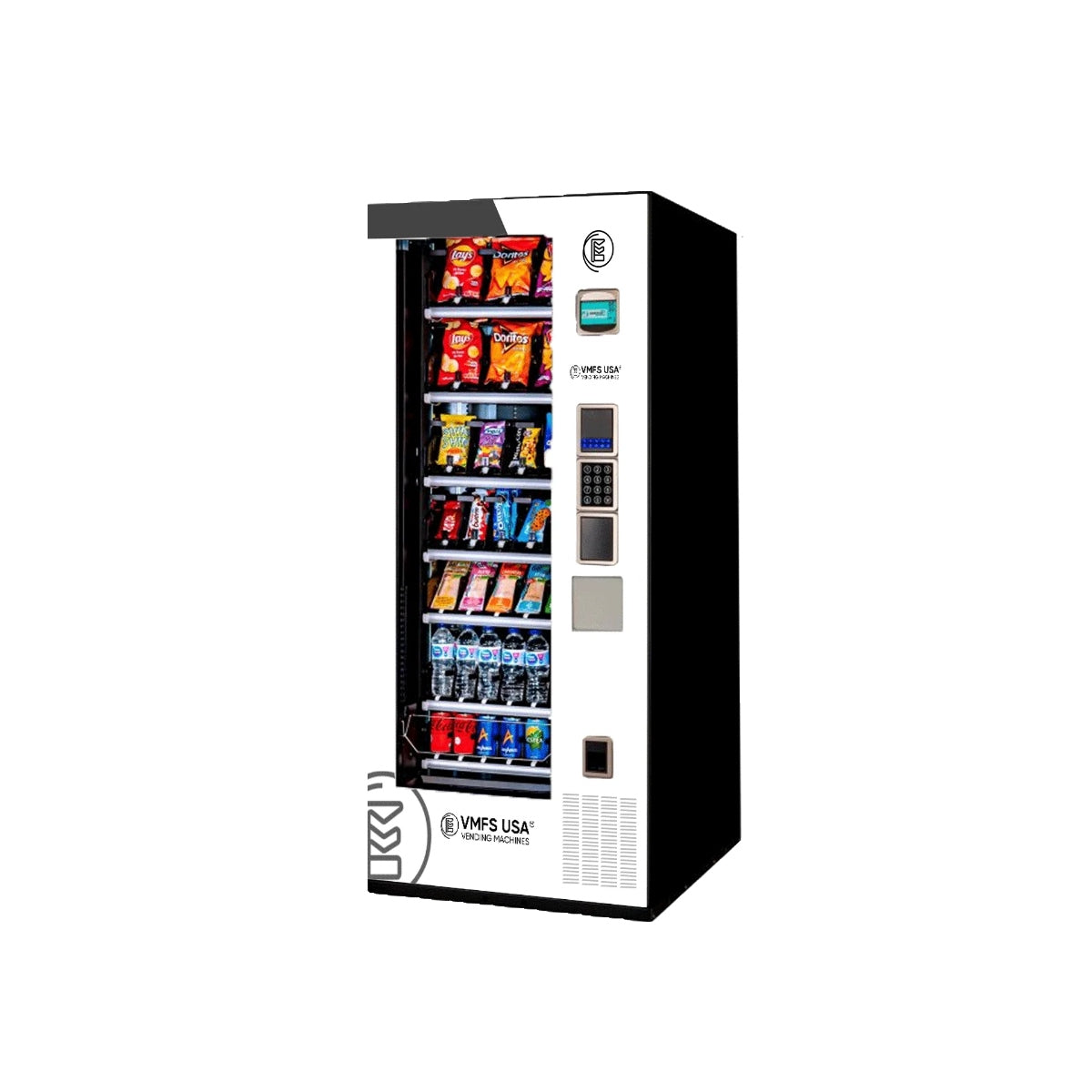
Automated ice cream vending machines focus on convenience. They hold pre-packaged or freshly frozen cups that are dispensed automatically after payment. Many modern units include a big screen for digital menus and advertising, giving the customer a simple “select and serve” experience. Some models use built-in compressors and robotic arms to handle the serving process safely and efficiently. These machines are ideal for 24-hour operation in schools, malls, airports, or gyms where staff may not be present.
Frozen Ice Cream Vending Machines
Frozen ice cream vending machines store and dispense deep-frozen products instead of soft serve. They use strong cooling systems that keep temperatures low for long periods. This design allows them to handle items like ice cream cups, bars, and cones that stay firm until the moment of sale. Since the freezing system is more powerful but less interactive, these machines often cost less to operate and maintain than traditional soft serve machines.
Big Screen Ice Cream Vending Machines
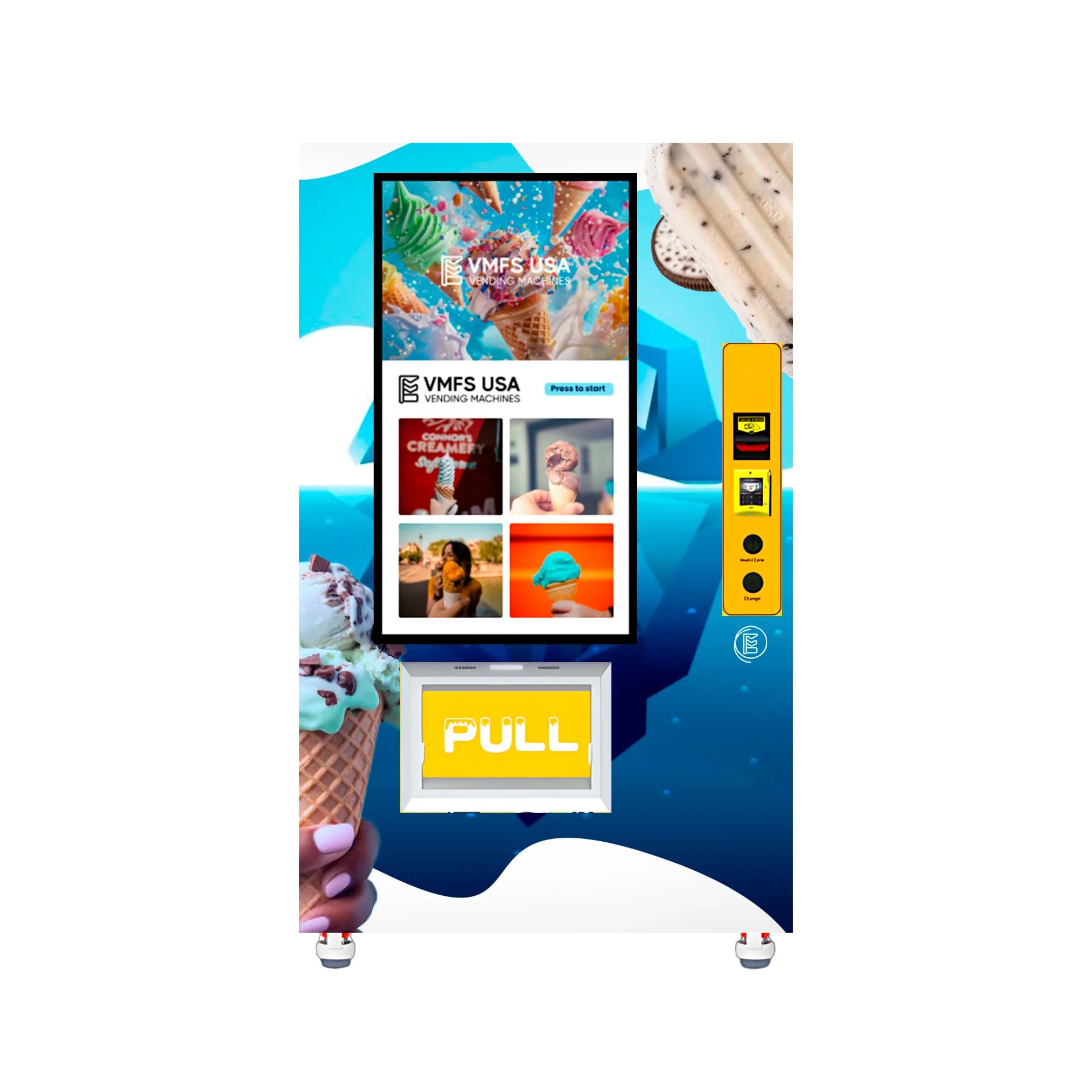
Big screen ice cream vending machine combine smart design with customer engagement. The large display guides buyers through product selection, payment, and collection. Operators can also use the screen to run promotions or videos. These machines enhance visibility and attract impulse buyers, especially in high-traffic areas. Although their price is close to that of a mid-range soft serve machine, they make up for it through automation and 24-hour availability.
Comparison At A Glance
| Feature | Soft Serve Ice Cream Machine | Ice Cream Vending Machine | Frozen Ice Cream Vending Machine | Big Screen Ice Cream Vending Machine |
|---|---|---|---|---|
| Operation Type | Manual or semi-automatic | Fully automatic | Fully automatic | Fully automatic with interactive display |
| Staff Requirement | Needs staff for serving and cleaning | No staff needed | No staff needed | No staff needed |
| Product Type | Fresh soft serve | Pre-packaged or freshly frozen | Deep-frozen packaged ice cream | Frozen or freshly prepared items |
| Average Cost | $8,000–$20,000 | $6,000–$15,000 | $7,000–$16,000 | $10,000–$18,000 |
| Maintenance | Regular cleaning and sanitizing | Low maintenance | Low maintenance | Low maintenance |
| Ideal Location | Restaurants, cafés, dessert bars | Airports, malls, schools, gyms | Outdoor areas or 24-hour venues | High-traffic indoor spaces |
When To Choose Each Option
- Choose a soft serve machine if you run a restaurant, café, or shop that wants to serve fresh ice cream with customizable toppings and direct customer interaction.
- Choose an ice cream vending machine if your goal is low-maintenance automation and consistent 24-hour operation.
- Choose a frozen ice cream vending machine if you want to sell packaged treats without constant restocking.
- Choose a big screen ice cream vending machine if you want to combine self-service with digital engagement and advertising opportunities.
Both systems have their place in modern food service. Soft serve machines focus on texture and freshness, while vending models provide round-the-clock convenience and smart automation. Choosing between them depends on your business size, staff availability, and how much control you want over the customer experience.
Choosing The Right Machine For Your Business
After understanding how cost and features vary, the next step is choosing the machine that fits your goals. The right choice depends on your space, daily sales volume, and whether you prefer a staff-operated or fully automated setup. Here’s a simple guide to help you pick the best option for your business.
1. Cafés And Dessert Shops
For restaurants or dessert shops that serve ice cream daily, a soft serve ice cream machine is the best fit. It lets you control the texture, portion size, and presentation while serving customers directly. These machines need regular cleaning and refilling, but they produce smooth, fresh soft serve that feels more premium than pre-packaged products. A dual-flavor or swirl-capable model is ideal for busy cafés or dessert bars with consistent demand.
2. Food Trucks And Mobile Vendors
Food trucks and small kiosks need compact, easy-to-move equipment. A countertop or air-cooled soft serve machine works well in these setups. They cost less, take less power, and can start serving quickly. Look for a lightweight model with a strong compressor to handle outdoor heat and variable conditions without slowing down production.
3. Large Venues And High-Traffic Areas
Large restaurants, amusement parks, and food courts should invest in high-capacity machines. These units can produce hundreds of servings per hour with stable cooling and quick recovery between orders. Water-cooled systems are more reliable for this kind of workload because they stay consistent even in warm or enclosed spaces. The higher cost pays off in faster service and fewer interruptions during peak times.
4. Automated Or Unattended Locations
If your business operates without staff, consider ice cream vending machines. They store, freeze, and serve pre-packaged or freshly prepared cups automatically. A frozen ice cream vending machine keeps products solid for longer, while big screen ice cream vending machines use a digital display to guide customers and advertise new flavors. These systems allow you to run a 24-hour ice cream business with almost no supervision, making them ideal for malls, hotels, and entertainment centers.
5. Multi-Location Operators
Businesses with multiple branches can combine both types of machines. A soft serve ice cream machine works best in main outlets where customer experience matters most, while vending models extend your reach into new areas without extra staff. This hybrid setup maintains brand consistency and increases sales potential with minimal overhead.
Each type of machine serves a different purpose. Soft serve ice cream machines focus on freshness and quality, while automated vending systems focus on convenience and efficiency. Choosing the right one depends on how you plan to serve, how often, and how much support you want from your equipment.
Maintenance And Energy Efficiency
One of the biggest factors that affects both the cost and long-term performance of a soft serve ice cream machine is how well it is maintained. Regular cleaning, proper handling, and energy-efficient operation not only keep the product quality high but also reduce repair costs over time. Whether you use a traditional soft serve unit or an automated vending system, maintenance and power management should always be part of your planning.
1. Daily And Weekly Maintenance
Soft serve machines need frequent cleaning because they handle dairy products that spoil quickly. Most manufacturers recommend a light rinse every day and a full sanitation cycle at least once a week. Machines with automatic cleaning systems make this process easier, using one-touch functions that flush and disinfect internal parts. This feature increases the initial cost but saves hours of manual labor and helps prevent bacterial buildup that could damage the freezing cylinder.
2. Checking The Compressor And Cooling System
The compressor is the most critical component in any soft serve or frozen ice cream machine. It controls temperature stability and ice cream texture. To keep it efficient, operators should clean the condenser coils regularly, ensure airflow is unobstructed, and monitor the refrigerant levels. A dirty or blocked condenser can overwork the compressor, increasing energy use and shortening its lifespan. Water-cooled systems should also have clean, steady water flow to avoid overheating.
3. Managing Energy Consumption
Soft serve ice cream machines draw a significant amount of power, especially during the initial freezing cycle. Choosing a model with energy-saving features such as automatic standby mode, variable-speed compressors, or insulated mix hoppers helps lower long-term utility costs. Air-cooled units use less water, while water-cooled systems maintain stable operation in warmer environments, improving overall efficiency. Always match your machine type to your location and climate to minimize unnecessary energy waste.
4. Regular Inspections And Preventive Care
Routine inspections prevent small issues from becoming expensive breakdowns. Checking belts, gaskets, and temperature sensors every few months keeps performance stable. Some modern machines include self-diagnosis features that alert operators when maintenance is needed. Keeping a simple maintenance log for each machine helps track servicing and detect recurring problems early.
5. Long-Term Care For Automated Systems
Automated units such as ice cream vending machines, frozen ice cream vending machines, and big screen ice cream vending machines require less daily attention but still benefit from scheduled maintenance. Cleaning the dispensing area, inspecting sensors, and testing payment systems weekly ensures reliable operation. Because these machines run continuously, replacing filters and checking the compressor periodically keeps them energy-efficient and stable.
Regular maintenance and smart energy management extend the life of your equipment and maintain consistent product quality. Investing time in proper care prevents costly repairs, protects your investment, and keeps customers satisfied with every serving.
Frequently Asked Questions (FAQs)
The average cost is around $14,000 for a mid-range commercial model. Smaller countertop machines start near $3,000, while large dual-flavor or premium systems can exceed $20,000. The final price depends on the size, compressor quality, cooling system, and level of automation.
With proper maintenance, a high-quality soft serve ice cream machine can last 8 to 12 years. Machines with imported compressors and stainless steel parts tend to last longer. Regular cleaning and servicing are essential to keep performance consistent and prevent premature wear.
Buying gives long-term value and full ownership, while leasing offers lower upfront costs. Leasing is a good choice for seasonal businesses or new ventures testing demand. Buying is better for permanent locations with steady sales. Always compare total lease payments to the cost of ownership before deciding.
In most cases, yes. Ice cream vending machines are usually cheaper to operate because they require no staff and have lower cleaning costs. While their initial price can be similar, they generate income continuously with minimal maintenance. Soft serve machines, on the other hand, produce fresh ice cream but require regular cleaning and staff supervision.
Energy use depends on the model and cooling system. Air-cooled machines typically use between 2,000 and 3,000 watts, while water-cooled units consume slightly more but are more stable in warm environments. Choosing an energy-efficient compressor and turning on standby mode during downtime can lower electricity costs.
For health and performance, a soft serve machine should be rinsed daily and deep cleaned at least once a week. Machines with automatic cleaning save time and maintain hygiene standards without manual labor.
Fully automated units like ice cream vending machines or frozen ice cream vending machines are best for continuous service. They store pre-frozen or sealed servings, reducing spoilage and eliminating the need for staff supervision.
Conclusion
The average cost of a soft serve ice cream machine is about $14,000, but the best choice depends on your space, volume, and goals. Machines with better compressors, cooling systems, and automation cost more but last longer and perform more efficiently.
Soft serve ice cream machines work best for cafés, restaurants, and dessert shops that want to serve fresh ice cream with control over texture and flavor. Automated systems like ice cream vending machines, frozen ice cream vending machines, and big screen ice cream vending machines suit businesses that prefer 24-hour operation and minimal labor costs.
Both options can be profitable when matched to the right setup. If your focus is customer experience, go for a soft serve model. If you want convenience and scalability, automation offers a smarter path. The key is to invest in equipment that fits your business and keeps customers happy every time they buy.




Share:
How Do Vape Vending Machines Work
AI Vending Machine Experiment: How Smart Retail Is Changing