


Iniciar un negocio de venta no consiste únicamente en comprar una máquina.
Se trata de construir un pequeño sistema minorista que incluya equipos, inventario, infraestructura de pago y cumplimiento.
Esta guía desglosa los componentes de costos reales para que pueda planificar responsablemente e invertir estratégicamente.
1. La inversión en máquinas [su activo principal]
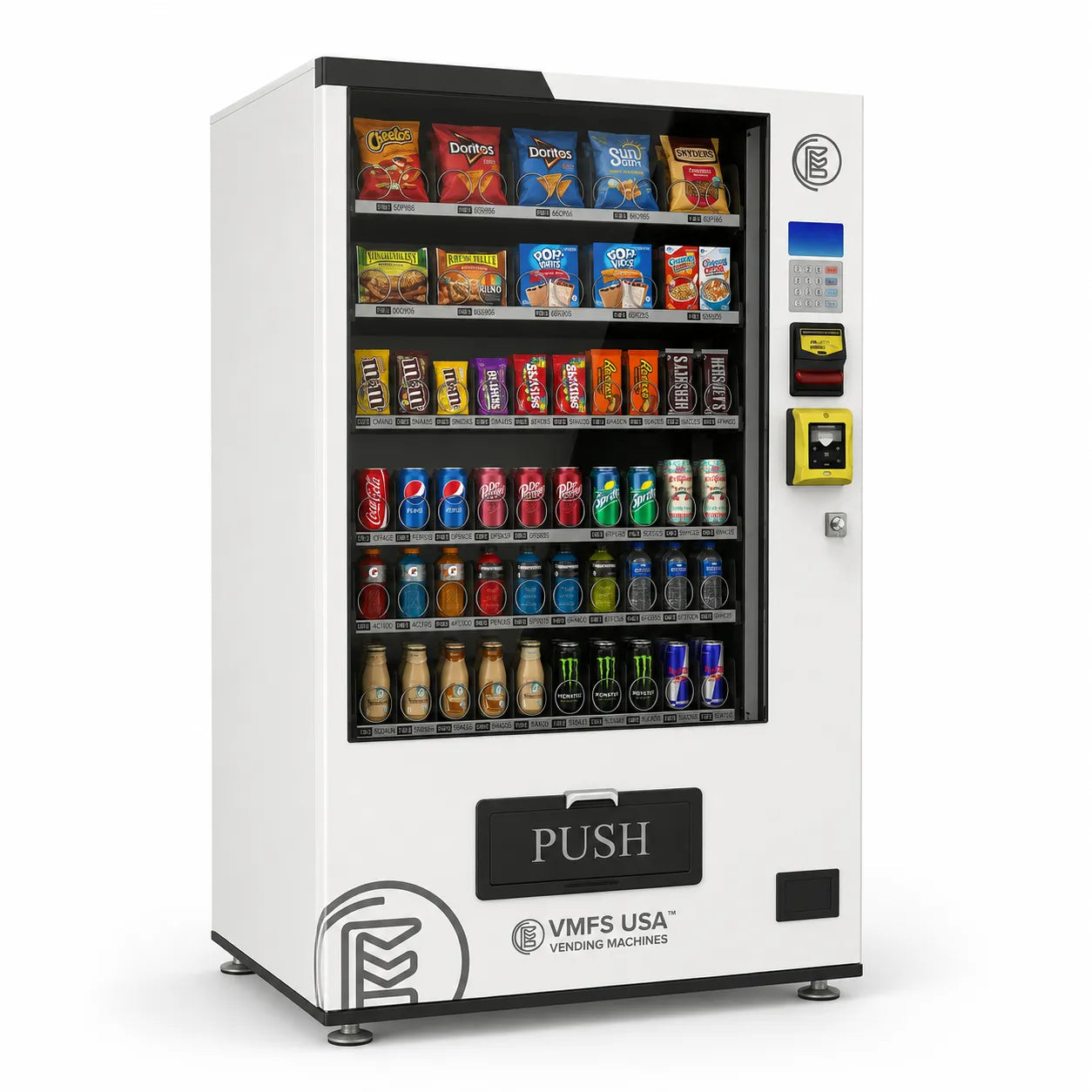
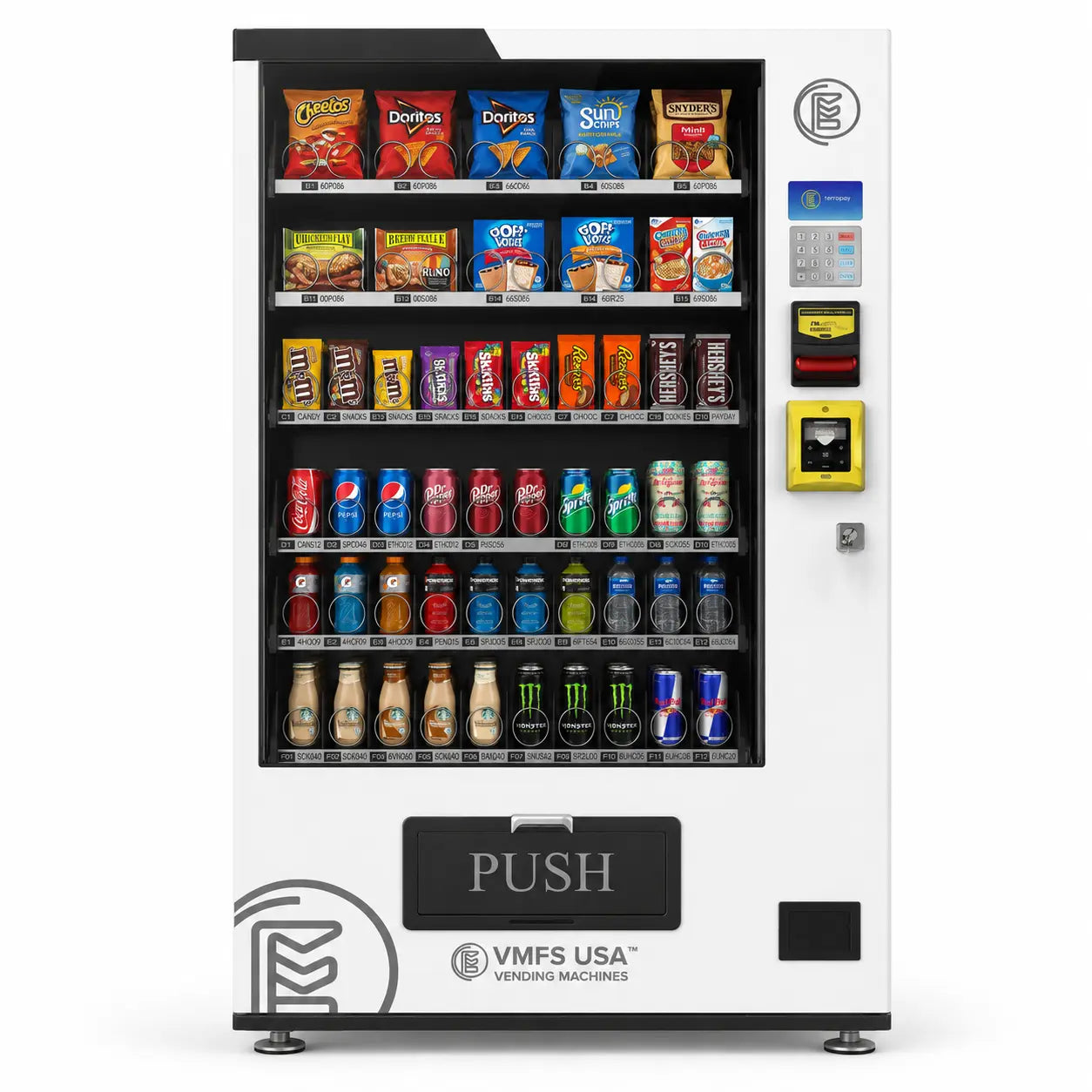
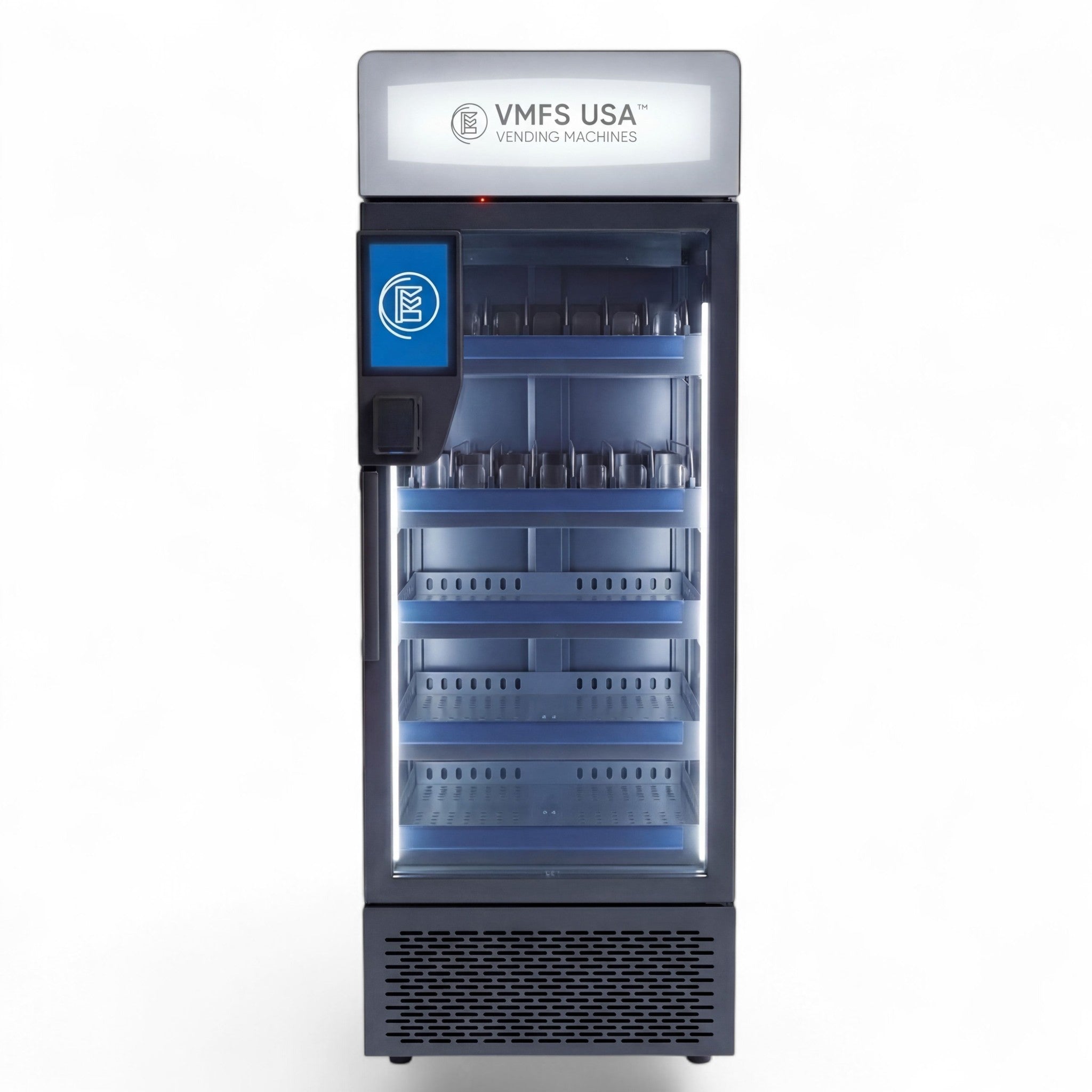
Su máquina expendedora es su principal activo generador de ingresos y el precio final depende del sistema que elija.
Los costos generalmente cambian según:
- Tipo de modelo [combo, inteligente, IA, ascensor, taquilla, etc.]
- Capacidad y número de selecciones
- Tipo de pantalla [teclado estándar vs. pantalla táctil]
- Configuración de refrigeración [solo snacks, bebidas, refrigeración combinada]
- Características de seguridad [cerraduras reforzadas, diseño antirrobo]
- Módulos de actualización [telemetría, monitoreo inteligente, elevación de producto, verificación de edad]
- Nivel de personalización [envoltura, marca, interfaz de usuario personalizada]
Rangos de precios comunes en EE. UU.:
Máquina combinada estándar [Snacks + Bebidas]
$3,500 – $6,500
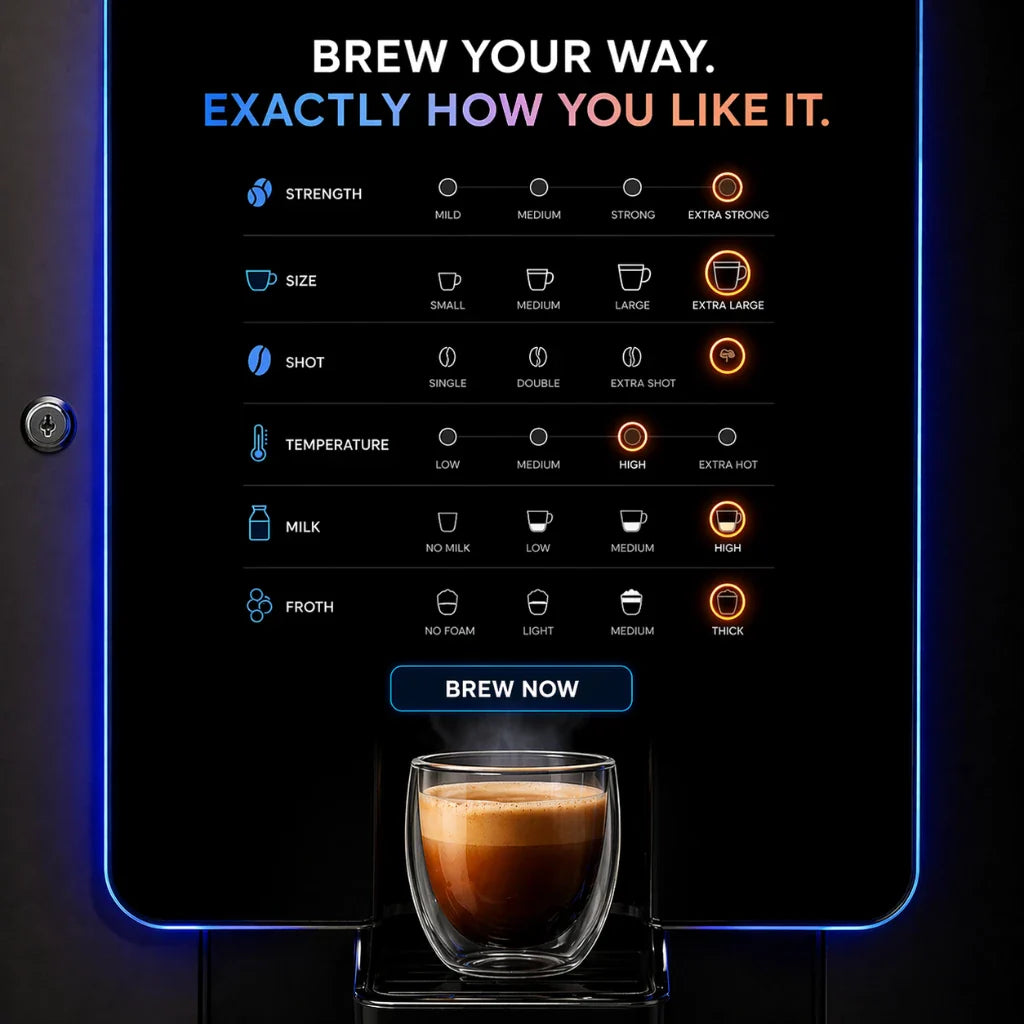
Combo inteligente con pantalla táctil e integración en la nube
$6,000 – $9,500
IA avanzada o sistema de ascensor
$8,000 – $12,000+
Nota práctica: Para muchos operadores nuevos, una máquina combinada inteligente suele costar entre $5,000 y $8,000 completamente configurada.
El objetivo no es la máquina más barata, es el mejor sistema para su ubicación y estrategia de producto.
2. Sistema de pago y configuración sin efectivo
La mayoría de los establecimientos modernos aceptan pagos sin efectivo. Las tarjetas, los pagos sin contacto y las billeteras móviles pueden aumentar la conversión y reducir la pérdida de ventas.
Planifique tres capas de costos: hardware, servicio y procesamiento.
Hardware del lector de tarjetas
$300 – $500 [Nayax, Melón, etc.]
Tarifa de servicio mensual
$10 – $25 por mes
Tarifas de procesamiento
3,5% – 6% por transacción, más $0,10 – $0,25 por transacción
Sistema de efectivo opcional: $300 – $700 adicionales
Las tarifas de procesamiento afectan directamente los márgenes, por lo que es inteligente fijar el precio de los productos teniendo en cuenta las tarifas.
3. Envío y entrega [Flete, no UPS]
Las máquinas expendedoras se envían mediante transporte de mercancías, y el envío debe planificarse con antelación para evitar demoras.
Los gastos de envío dependen de:
- Distancia y ruta del transportista
- Método de transporte [LTL, guante blanco, internacional]
- Acceso para entregas [muelle vs. plataforma elevadora, residencial vs. comercial]
- Cobertura de seguro
Envíos nacionales en EE. UU.
$400 – $1,200
Entrega con guante blanco [colocación en el interior]: $150 – $400
Servicio de portón trasero [sin muelle de carga]: $75 – $150
Envíos internacionales [varía ampliamente]
$1,500 – $5,000+ dependiendo del país, aduanas y aranceles
4. Inversión inicial en inventario
Su máquina debe estar abastecida antes del lanzamiento, y su primer inventario afecta su potencial de ingresos iniciales.
El costo del inventario depende de:
- Capacidad de la máquina
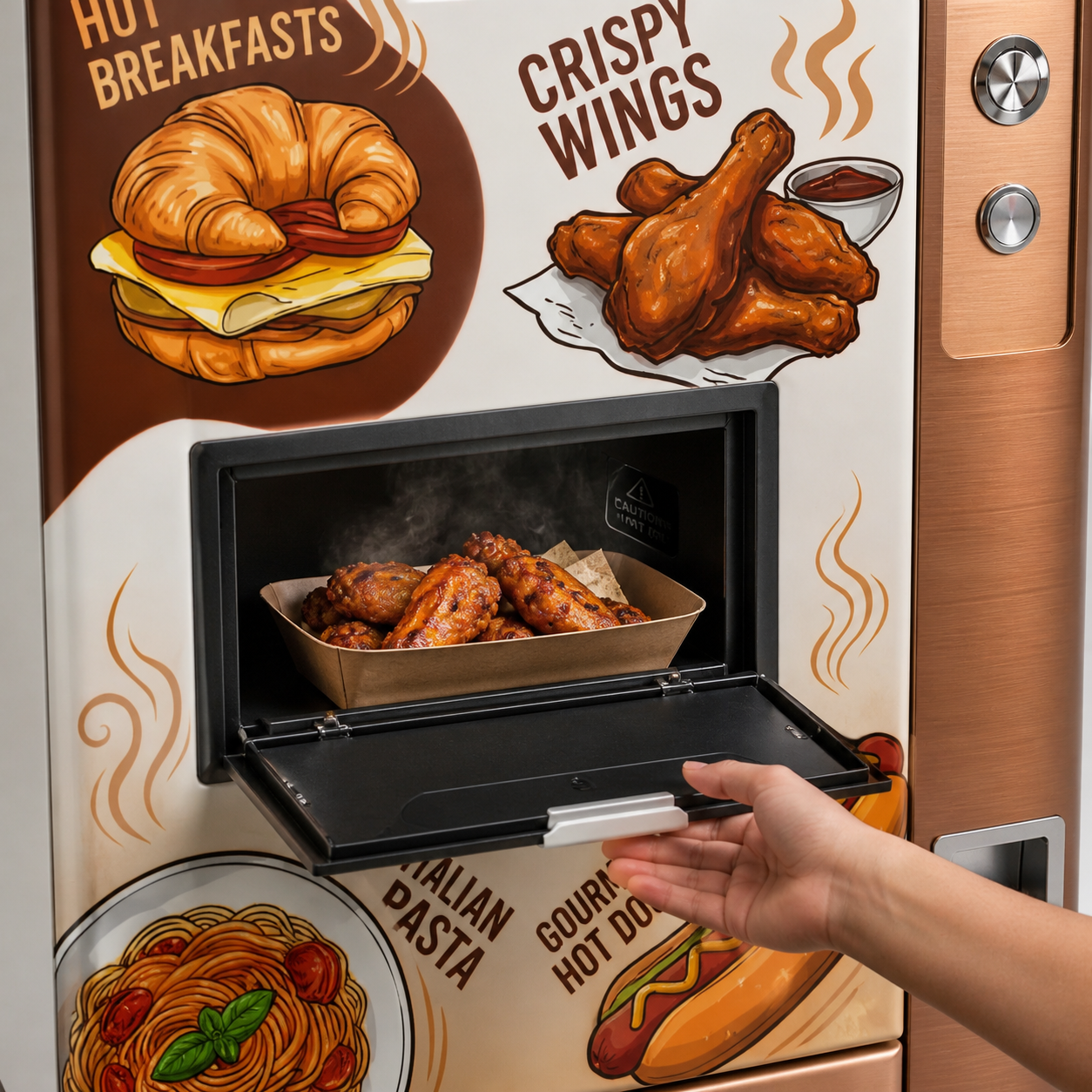
- Categoría de producto [snacks, bebidas, alimentos frescos, especialidades]
- Estrategia de precios
- Tráfico de ubicación y frecuencia de reposición
Primer stock típico para un combo estándar
$400 – $1,200
Objetivo típico de margen bruto: 40% – 60% por artículo
Ejemplo: comprar un refresco por $0,60, venderlo por $1,50 – $2,00
Si tiene en inventario artículos especiales o de primera calidad, espere que el costo del inventario aumente, pero los ingresos por venta también pueden aumentar.
5. Licencias, permisos y requisitos legales
Los requisitos varían según el estado, el condado, la ciudad y la categoría del producto que vende.
Muchos operadores necesitarán alguna combinación de:
- Constitución de una entidad comercial [se recomienda una LLC]
- Registro del impuesto sobre las ventas
- Permiso de venta local
- Requisitos del departamento de salud [alimentos y productos frescos]
- Licencia de categoría de producto [tabaco, alcohol, artículos con restricción de edad cuando corresponda]
- Seguro de responsabilidad civil general
Rangos de costos comunes en EE. UU.:
Registro de LLC
$50 – $300
Permiso de impuesto sobre las ventas
Generalmente gratis o con tarifa mínima
Permiso de venta local
$50 – $250 por año
Seguro de responsabilidad civil general
$300 – $800 por año
Importante: Verifique siempre las normas locales antes de la implementación, especialmente para alimentos frescos y categorías con restricciones de edad.
6. Personalización y marca [opcional, a menudo vale la pena]
La personalización es opcional, pero puede aumentar el valor percibido y mejorar las tasas de aprobación de la ubicación.
Las opciones de personalización comunes incluyen:
- Envoltura de marca
- Integración de logotipos
- Pantalla de interfaz de usuario personalizada [experiencia de pantalla táctil]
- Configuración especial del producto
Rango típico de envoltura
$300 – $800 dependiendo de la complejidad del diseño
El desarrollo de una marca aumenta el costo inicial, pero puede ayudarle a conseguir mejores ubicaciones y cobrar precios más altos.
7. Conectividad y monitorización de la nube
La mayoría de los sistemas de venta modernos funcionan mejor con conectividad, especialmente si desea seguimiento remoto y mejores operaciones.
La conectividad puede incluir:
- WiFi [cuando sea confiable en el sitio]
- Módulo 4G o 5G
- Plataforma de gestión de la nube
Plan de datos típico: $10 – $30 por mes
Muchos operadores presupuestan alrededor de 20 dólares al mes para la conectividad.
El monitoreo en la nube puede ayudarle a realizar un seguimiento del stock, los precios, las ventas y el rendimiento para que pueda reabastecerse de manera más inteligente y desperdiciar menos.
8. Mantenimiento y planificación de contingencias
Las máquinas expendedoras están diseñadas para durar, pero los buenos operadores se preparan para el mundo real.
Plan para:
- Mantenimiento menor
- Piezas de repuesto a lo largo del tiempo
- Visitas de servicio ocasionales
- Deterioro o daño del producto
La creación de un pequeño fondo de reserva protege su flujo de caja y evita que el tiempo de inactividad se convierta en pérdida de ingresos.
9. Costo total estimado de puesta en marcha [una máquina]
Los totales dependen del tipo de máquina, la configuración de pago, el envío, el inventario y las necesidades de cumplimiento.
Configuración de nivel de entrada [Combo básico]
$4,500 – $7,000 todo incluido
Configuración del sistema inteligente
$6,500 – $10,000 todo incluido
Configuración avanzada de IA o ascensor
$9,000 – $14,000+ todo incluido
Estos rangos generalmente incluyen: máquina, sistema de pago, envío, inventario inicial y configuración comercial básica.
10. La realidad de los ingresos y la recuperación de la inversión
Los ingresos mensuales dependen en gran medida de la calidad de la ubicación, el tráfico y la idoneidad del producto.
Ubicación con poco tráfico
$300 – $700 por mes
Ubicación con tráfico moderado
$800 – $1,500 por mes
Ubicación de alto tráfico
$2,000+ por mes
Márgenes netos típicos después del coste del producto: 30% – 50%
Ventana de recuperación común: 8 a 18 meses [según la ubicación]
La calidad de la ubicación suele ser el factor más importante para el éxito, incluso más que el modelo de la máquina.
11. Errores comunes de principiantes [Evítalos]
- Subestimar las necesidades de inventario
- Elegir ubicaciones débiles
- Ignorar las tarifas de procesamiento al fijar el precio
- Sobreprecios sin adecuarse a la audiencia de la ubicación
- Esperando ingresos totalmente pasivos
La venta ambulante es sencilla, pero debe realizarse de manera intencional.
12. Cómo planificar responsablemente
Antes de comprar, tenga claras estas preguntas:
- ¿Qué tipo de ubicación atenderá esta máquina?
- ¿En qué rango de precios estarán mis productos?
- ¿Estoy planeando escalar más allá de una máquina?
- ¿Necesito funciones avanzadas ahora o más adelante?
- ¿Cuál es mi ventana de recuperación objetivo?
La claridad reduce el riesgo y la planificación inteligente convierte a la máquina en un activo escalable.
Pensamiento final
La venta minorista automatizada es una de las formas más accesibles, pero sigue siendo un negocio.
Cuando el capital se implementa estratégicamente, con el sistema, la ubicación y la combinación de productos adecuados, su máquina se convierte en un activo de ingresos escalable.
Compartir:
¿Es la venta automática una opción adecuada para usted?
Cómo elegir un lugar de venta rentable