


Liquid error (sections/main-article-overlay line 139): comparison of String with 0 failed
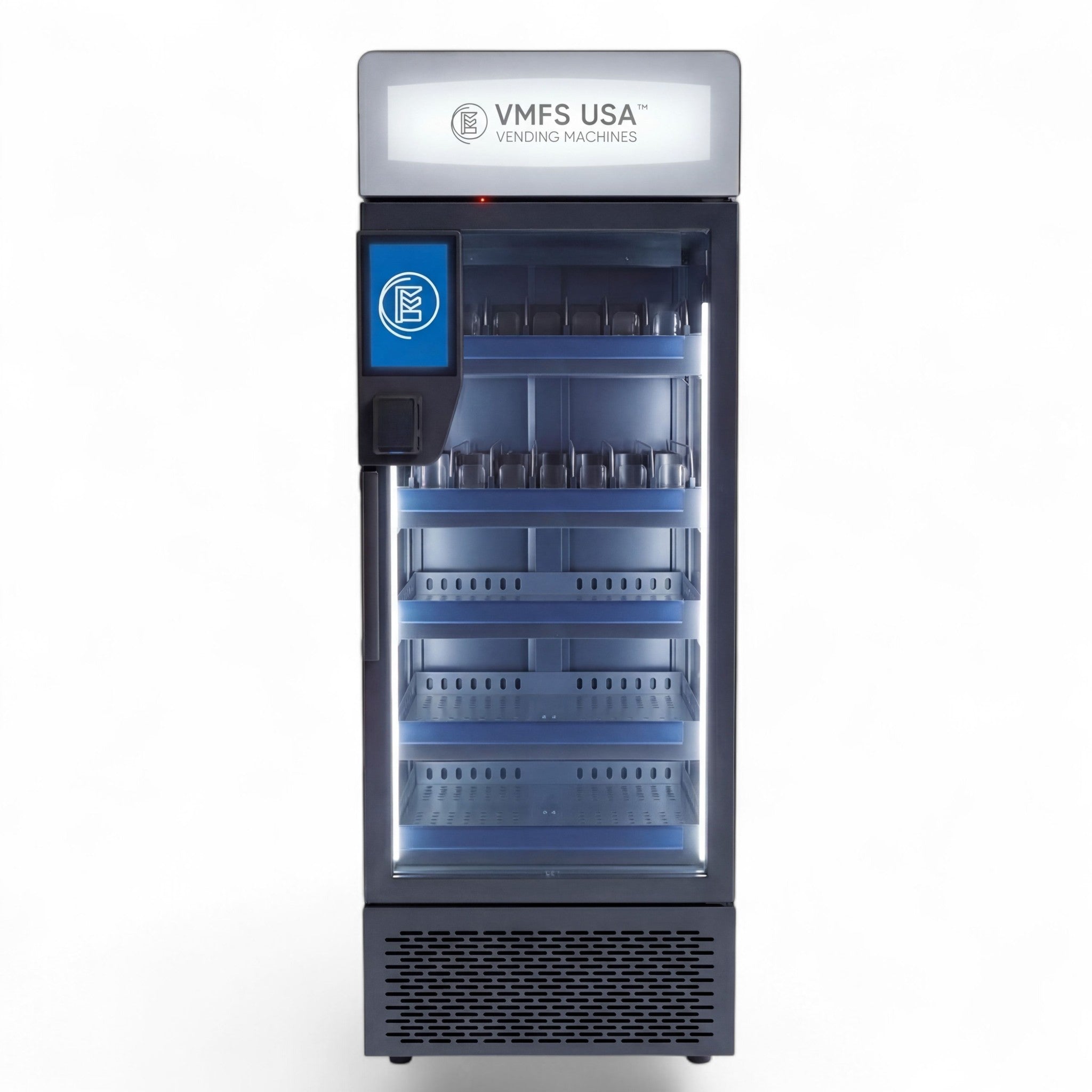
Los sistemas modernos de venta inteligente a menudo incluyen:
- Pantallas táctiles
- Paneles de visualización digitales
- Capacidad de rotación de pantalla inactiva
Estas pantallas no son sólo para la selección de productos.
También pueden generar ingresos por publicidad, si se implementan correctamente.
1. ¿Qué es realmente la monetización publicitaria?
La monetización publicitaria significa:
Venta de espacio de pantalla a:
- negocios locales
- Marcas nacionales
- Socios locales
- Proveedores de productos
En lugar de ganar ingresos únicamente por las ventas de productos, también gana por:
Impresiones de pantalla.
2. Cuando la publicidad tiene sentido
La publicidad se vuelve viable cuando:
- La máquina está en una zona de mucho tráfico.
- El número de usuarios diarios es significativo
- La visibilidad de la pantalla es fuerte
- La máquina genera transacciones consistentes
- Opera varias unidades
Una sola máquina con poco tráfico no es atractiva para los anunciantes.
Una red es.
3. Tipos de publicidad en máquinas expendedoras
1️⃣ Anuncios en pantalla
- Rotación de pantalla inactiva
- Colocación de pancartas
- Diapositivas promocionales
- Anuncios de vídeo (donde sean compatibles)
Ideal para:
Sistemas inteligentes con pantalla táctil
2️⃣ Anuncios de promoción de productos
Las marcas pueden pagar por:
- Colocación de productos destacados
- Posicionamiento de ranura resaltado
- Promoción de temporada
Esto combina los ingresos por productos y publicidad.
3️⃣ Publicidad basada en la ubicación
Ejemplo:
Máquina expendedora de gimnasio que muestra:
- Anuncios de tiendas de suplementos locales
- Promociones de entrenadores de fitness
- Anuncios de eventos
Esto funciona mejor cuando se tiene una audiencia objetivo.
4. Cómo se fija el precio de la publicidad
El precio de la publicidad generalmente se calcula utilizando:
CPM (costo por cada 1000 impresiones)
Ejemplo:
Si una máquina genera:
200 visualizaciones diarias
= ~6.000 impresiones mensuales
Si CPM = $5
Esto equivale a:
$30/mes por anunciante
Es posible que una sola máquina no produzca grandes ingresos por publicidad.
Cinco máquinas pueden producir ingresos significativos.
5. Expectativas realistas de ingresos
La publicidad es un ingreso complementario.
Ejemplo:
5 máquinas de alto tráfico
$30–$100/mes por máquina en anuncios
= $150–$500/mes adicionales
No reemplaza los ingresos del producto.
Lo realza.
6. Lo que les importa a los anunciantes
Los anunciantes quieren:
- Tráfico peatonal constante
- Tipo de audiencia definido
- Datos de impresión
- Presentación limpia
- Tiempo de actividad confiable
Los sistemas en la nube ayudan a proporcionar datos para la elaboración de informes.
Una presentación profesional aumenta la confianza del anunciante.
7. Estrategia de monetización interna
También puedes utilizar el espacio de la pantalla para:
- Promocionar productos con mayor margen
- Promocionar nuevo inventario
- Ofertas de paquetes de prueba
- Aumentar la venta promedio
A veces, las promociones internas generan más ingresos que los anuncios de terceros.
8. Publicidad a nivel empresarial
Para operadores más grandes:
- Vender paquetes para toda la red
- Ofrecer contratos publicitarios en múltiples ubicaciones
- Proporcionar informes de impresiones
- Combina la colocación de producto con la colocación en pantalla
Esto requiere escala y organización.
9. Riesgos y consideraciones
La publicidad no debe:
- Interacción lenta del usuario
- Distraer la atención de la claridad del producto
- Interfaz de sobrepoblación
- Crear problemas regulatorios (para categorías restringidas)
La experiencia del usuario debe seguir siendo fluida.
10. Consideraciones de cumplimiento
Si vende:
- Productos con restricción de edad
- Artículos relacionados con la atención sanitaria
- Categorías reguladas
El contenido publicitario debe cumplir con las regulaciones locales.
Verifique siempre antes de aceptar ciertos anuncios.
11. Cuándo NO centrarse en la publicidad
Si usted opera:
- 1–2 máquinas
- Ubicaciones de bajo tráfico
- Unidades básicas sin pantalla
Concentrarse en:
- Optimización de productos
- Calidad de la ubicación
- Eficiencia de ruta
La publicidad viene después de la estabilidad.
12. El enfoque de escalamiento inteligente
Fase 1:
Optimizar los ingresos del producto
Fase 2:
Construir una red de múltiples ubicaciones
Fase 3:
Introducir la monetización de la publicidad
La publicidad multiplica la escala, no la crea.
13. Reflexión final
Su máquina expendedora es:
- Un activo minorista
- Un activo de datos
- Un punto de contacto físico
Con escala, también puede convertirse en:
- Un activo mediático
Pero sólo cuando esté respaldado por:
- Tráfico fuerte
- Tiempo de actividad constante
- Presentación profesional
- Visibilidad de los datos
Escala primero
Monetizar en segundo lugar.
Compartir:
Cuándo y cómo agregar ayuda sin perder el control
Cómo hacer crecer su negocio de vending sin perder el control financiero